

Belly binding after birth is an age-old practice that involves wrapping the abdominal area with a supportive cloth or garment. Traditionally used in many cultures, belly binding aims to help new mothers recover physically after childbirth. It provides support to the abdominal muscles, aids in posture, and can help the body regain its pre-pregnancy shape more comfortably.
The practice offers a combination of physical, emotional, and mental benefits for postpartum mothers. From easing back pain to supporting the core and pelvic floor, belly binding can play an important role in recovery.
Here, we will explore the key benefits of belly binding after birth, how to use it safely, and considerations to keep in mind for optimal results.
What is Belly Binding?
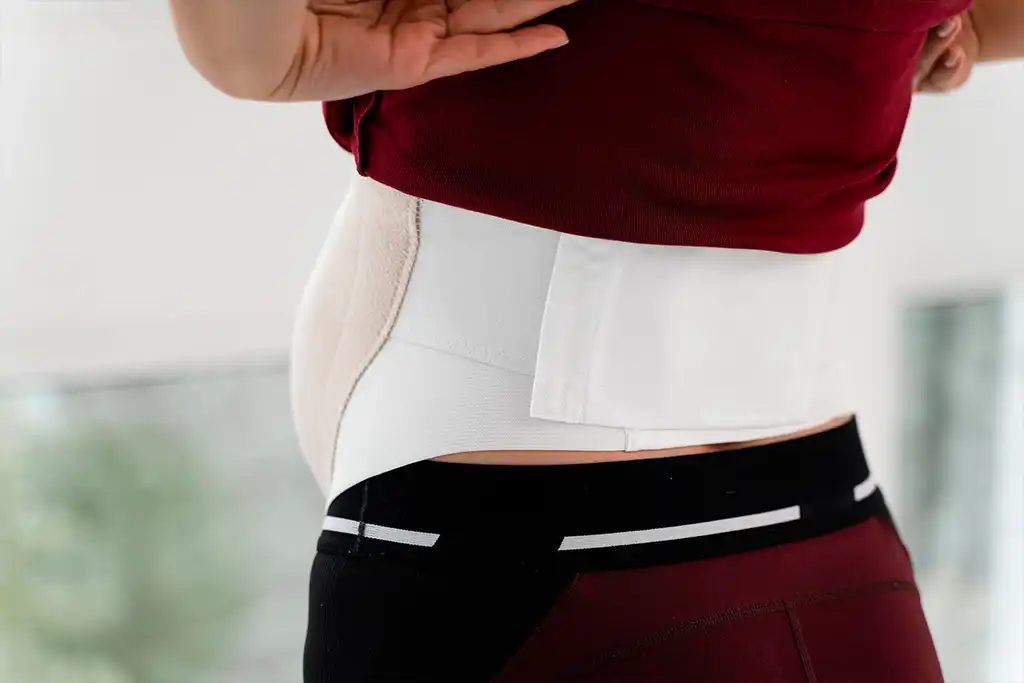
Belly binding is the practice of wrapping a supportive cloth, belt, or specially designed garment around the abdominal area after childbirth. The purpose is to provide gentle compression and support to the abdomen, lower back, and core muscles, helping the body recover more quickly from pregnancy and delivery.

Traditionally, belly binding has been used in various cultures around the world, often passed down from mother to daughter. Modern belly binders can be made from elastic fabrics, wraps, or structured garments that allow adjustable compression. The practice helps with posture, supports healing of abdominal and pelvic muscles, and can provide comfort after both natural and cesarean births.
Recommended: Postpartum Wardrobe Tips for New Moms
It is important to note that belly binding should be used correctly, tight enough to provide support but not so tight that it restricts breathing or circulation.
Does Belly Binding Aid Postpartum Weight Loss?
Belly binding can support postpartum weight loss, but it is not a substitute for a healthy diet and regular exercise. The gentle compression provided by belly binding helps the abdomen appear slimmer and can encourage mothers to maintain proper posture, which may improve movement and activity levels.
By supporting the core, binding the belly can make physical activities such as walking, stretching, or light exercises more comfortable, which indirectly contributes to burning calories and toning abdominal muscles. When combined with balanced nutrition and gradual postpartum exercise, belly binding can enhance the body’s natural process of regaining pre-pregnancy shape.
Benefits of Belly Binding Postpartum
Belly binding offers a wide range of benefits that support both physical recovery and emotional well-being after childbirth.
Supports Abdominal Muscles
It provides gentle compression to help stabilize weakened abdominal muscles, reducing strain during movement and daily activities. This support can make lifting, bending, or carrying a baby easier and less tiring.
Promotes Uterus Shrinking
The compression encourages the uterus to return to its pre-pregnancy size, aiding natural postpartum healing. It may also help reduce swelling in the abdominal area and promote circulation for faster recovery.
Improves Posture and Reduces Back Pain
Supporting the abdomen and lower back helps improve posture and alleviate common postpartum back pain. Proper posture can also prevent long-term spinal issues and discomfort.
Supports Core and Pelvic Floor Muscles
Belly wrapping stabilizes the midsection, which can protect and support pelvic floor and core muscles weakened during pregnancy. This can also reduce the risk of prolapse and improve bladder control.
Recommended: Is It Normal to Experience Painful Intercourse After Childbirth?
Enhances Comfort After Delivery
Gentle pressure reduces discomfort from vaginal or cesarean births, making daily movements, sitting, and standing more comfortable. It can also help soothe sensitive areas and provide a feeling of security for the midsection.
Aids Postpartum Weight Management
While not a weight-loss solution on its own, belly binding can help the abdomen appear slimmer and encourage more comfortable movement, supporting gradual toning and shaping of the body. Combined with proper diet and exercise, it may improve overall body confidence.
Boosts Confidence and Emotional Well-Being
Feeling physically supported can enhance body confidence and contribute to emotional comfort during the postpartum period. The gentle embrace of the binder can provide a reassuring sense of security, reducing stress and anxiety related to body changes.
Encourages Mindful Recovery
Using a belly binder can serve as a reminder to take it slow, rest when needed, and listen to the body’s needs. This mindful approach supports both physical healing and mental wellness during the postpartum journey.
Recommended: What Are Practical Strategies for Incorporating Baby into Postpartum Fitness Routines?
When Belly Binding Might Not Be Recommended
Belly binding is generally safe for many postpartum mothers, but there are situations where it may not be recommended or should be used with caution.
- After Certain Medical Complications: Mothers who experienced severe postpartum complications such as excessive bleeding, infections, or organ-related issues should avoid belly binding unless approved by a healthcare provider.
- Poor Healing After Cesarean Birth: If a cesarean incision shows signs of infection, delayed healing, or increased pain, belly binding may worsen discomfort or interfere with recovery. Medical guidance is essential in such cases.
- Breathing or Circulation Problems: Belly binding may not be suitable for individuals with respiratory conditions, circulation disorders, or a history of blood clots, as compression can restrict breathing or blood flow if not properly managed.
- Digestive Discomfort or Acid Reflux: Tight abdominal compression can worsen bloating, constipation, or acid reflux in some postpartum mothers. Discomfort in these areas may indicate the need to stop or adjust use.
- Skin Irritation or Allergic Reactions: Sensitive skin, rashes, or allergic reactions to binder materials may make belly binding uncomfortable or unsafe. Persistent irritation is a sign to discontinue use.
- Incorrect or Excessive Use: Wearing a belly binder too tightly or for extended periods without breaks can cause pain, muscle weakness, or dependency on external support rather than natural muscle recovery.
- Lack of Professional Guidance: When unsure about proper usage, fit, or timing, belly binding should be avoided until advice is received from a healthcare professional to prevent complications.
Belly binding should always complement proper postpartum care and not replace medical advice, rest, or gradual physical rehabilitation.
How to Use Belly Binders Safely
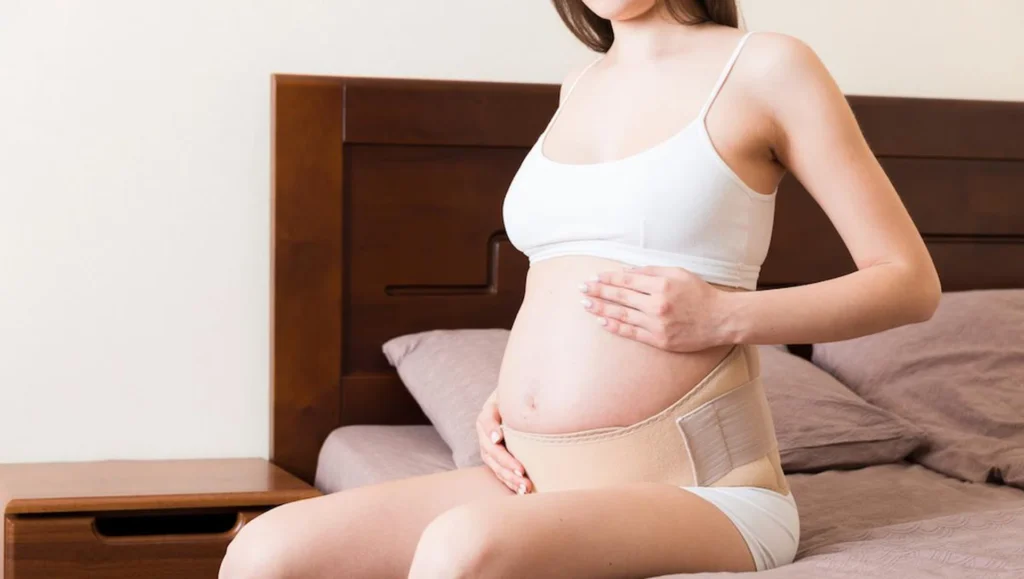
Belly binding can be a supportive practice during postpartum recovery when used correctly and with proper care. It helps provide abdominal and back support, promotes better posture, and offers comfort as the body heals after childbirth.
Recommended: How Do Pelvic Floor and Core-Focused Routines Benefit Postpartum Recovery?
- Belly binding supports weakened abdominal muscles and helps stabilize the core during daily activities.
- Gentle compression can encourage the uterus to return to its pre-pregnancy size naturally.
- Proper use may reduce back pain, improve posture, and ease general postpartum discomfort.
- Belly binders can enhance confidence by helping the abdomen feel more supported and secure.
- Safe use requires choosing the right size, avoiding excessive tightness, and limiting wear time.
- Belly binding should always complement healthy recovery practices such as rest, nutrition, and gentle exercise.
- Medical advice is important, especially after cesarean birth or postpartum complications.
When approached mindfully, belly binding can be a helpful addition to postpartum care, supporting both physical healing and overall well-being.
Conclusion
Belly binding can be a helpful and comforting practice during the postpartum period when used safely and appropriately. It offers physical support to the abdomen and back, encourages proper posture, and can ease discomfort as the body gradually recovers from childbirth. Beyond the physical benefits, belly binding may also promote confidence and emotional comfort during a time of significant body changes.
However, belly binding is not a one-size-fits-all solution and should never replace medical care, rest, or healthy recovery practices. Listening to the body, using the binder correctly, and seeking professional guidance when necessary are essential for safe use. When combined with proper nutrition, gentle movement, and adequate rest, belly binding can serve as a supportive tool in the postpartum healing journey.