
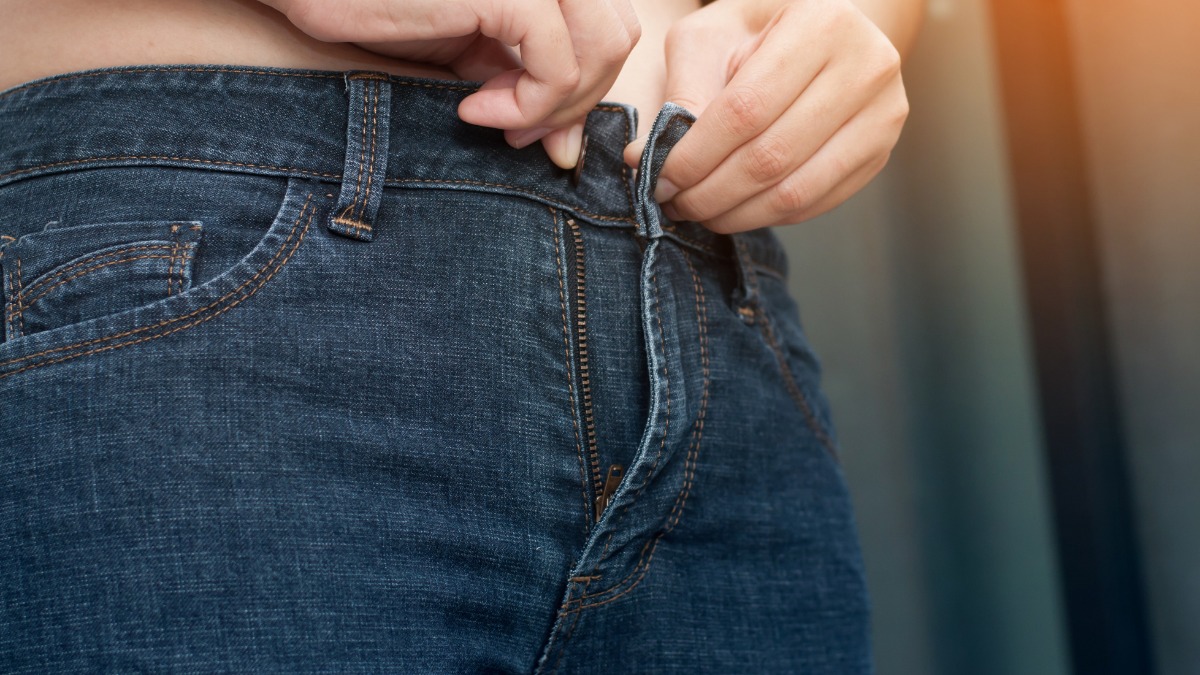
Postpartum period brings significant changes to a woman’s body, from abdominal muscle recovery to hormonal fluctuations and swelling. Many new mothers find themselves navigating wardrobe choices carefully, wondering what clothing supports healing while offering comfort and style. Tight pants, often favored for their flattering fit, raise questions about potential risks and impacts on postpartum recovery.
Understanding how tight clothing interacts with the healing body is crucial for maintaining comfort, preventing complications, and supporting overall well-being.
Here, we will explore the effects of wearing tight pants after childbirth, discuss potential risks and benefits, and provide practical tips for choosing postpartum-friendly clothing.
Understanding Postpartum Body Changes
The body goes through a lot of changes during the postpartum period as it heals from pregnancy and childbirth. It may take some time for the abdominal muscles to get strong again after being stretched during pregnancy, especially if diastasis recti is present. Skin can lose its elasticity, which can make areas like the waist and hips more sensitive to pressure from tight clothes.

Pelvic floor muscles, which help support the bladder and uterus, often stay weak after giving birth. Wearing tight clothes too soon can put extra stress on these muscles, which could slow down healing and make you more uncomfortable.
Recommended: Best Clothes to Wear Postpartum After a C-Section
During the first few weeks after giving birth, swelling and fluid retention are common. This means that clothes must be breathable and comfortable to avoid irritation, discomfort, or extra stress on the body that is healing.
Is It Bad to Wear Tight Pants Postpartum?
Wearing tight pants right after giving birth can hurt your body while it heals. If your pelvic floor muscles are already weak and your abdominal muscles are already stretched, wearing clothes that are too tight could make them even weaker. Tight waistbands can hurt the surgical cuts on women who had a C-section, which can make them feel bad and slow down the healing process. Tight pants may also make it harder for blood to flow, make swelling worse, and irritate the skin in the first few weeks after giving birth.
Tight trousers are not always bad if you wear them carefully. New moms can wear fitted clothes as long as they choose stretchy, flexible fabrics and don’t wear them for too long. It’s important to listen to your body and be comfortable when deciding whether or not to wear tight trousers after giving birth.
Potential Risks of Wearing Tight Pants Postpartum
Tight pants may look stylish, but postpartum bodies need extra care. Wearing restrictive clothing too soon after childbirth can affect healing, comfort, and overall recovery. Understanding the potential risks helps new mothers make safer clothing choices.
- Slowed Abdominal and Pelvic Floor Recovery: Tight pants put extra pressure on abdominal muscles and the pelvic floor, which are still recovering after childbirth. This can worsen conditions like diastasis recti or make pelvic floor healing slower and more uncomfortable.
- Irritation of C-Section Incisions: For mothers who delivered via C-section, tight waistbands can rub against healing incisions. This friction may cause pain, delay wound healing, or increase the risk of infection.
- Reduced Blood Circulation and Increased Swelling: Restrictive clothing can limit blood flow in the legs, hips, and waist, contributing to swelling or fluid retention. This can make new mothers feel uncomfortable and may slow overall postpartum recovery.
- Skin Irritation and Chafing: Tight pants often rub against sensitive postpartum skin, causing redness, itching, or small rashes. Areas around the thighs, waist, and hips are particularly prone to irritation.
- Higher Risk of Infections: Restricted airflow in tight pants can create a warm, moist environment, increasing the risk of yeast or bacterial infections, especially in the vaginal and groin areas.
Recommended: Postpartum Wardrobe Tips for New Moms
When Tight Pants May Be Harmful
Tight pants can be harmful during the first few weeks after childbirth because the body is still recovering from the physical strain of pregnancy and delivery. Abdominal muscles, stretched during pregnancy, are weaker and more sensitive, and restrictive clothing may slow muscle recovery or worsen conditions like diastasis recti.

Mothers who have had a C-section need extra caution. Tight waistbands can rub against healing incisions, causing pain, irritation, or delayed healing. In some cases, friction may increase the risk of infection or make sitting, standing, and walking uncomfortable.
Swelling, bloating, or fluid retention is common in the postpartum period. Wearing tight pants in these conditions can worsen discomfort, restrict blood flow, and increase pressure on sensitive areas such as the hips, thighs, and pelvic region. Understanding these factors helps new mothers make safer clothing choices while supporting recovery.
Situations Where Wearing Tight Pants Might Be Okay
Tight pants are not always harmful postpartum. With careful timing, proper fit, and attention to the body’s signals, new mothers can wear them comfortably without affecting recovery. Understanding when and how to wear tight clothing helps balance style and postpartum health.
After Initial Recovery
After the body has had time to heal, usually a few weeks after giving birth, it is safe to wear tight trousers. Strengthening your abdominal muscles and pelvic floor should make things less painful and less likely to get in the way of healing. Stretchy fabrics that move with the body can fit snugly without putting too much pressure on sensitive areas.
Recommended: What Are Practical Strategies for Incorporating Baby into Postpartum Fitness Routines?
For Short Periods
Wearing tight pants for a few hours during outings or special occasions is generally acceptable. Limiting the duration prevents prolonged pressure on the abdomen, hips, and pelvic floor. Adjustable waistbands or high-rise designs can further reduce strain and improve comfort.
Alternatives to Tight Pants Postpartum
Postpartum bodies need clothing that supports healing, comfort, and mobility. Alternatives to tight pants can provide style without putting unnecessary pressure on abdominal or pelvic muscles, helping new mothers feel comfortable throughout the day.
1. High-Waisted Maternity Leggings
These leggings give the abdomen and pelvic area gentle support while still being flexible. They are great for everyday wear or light exercise because they help muscles heal slowly. The high waistband keeps C-section scars safe and gives the body a flattering shape without putting too much pressure on it.
2. Loose-Fitting Dresses and Skirts
Dresses and skirts that flow let air flow through them and take pressure off of sensitive areas like the waist and hips. They are great for days when you are swollen, bloated, or in pain. Dresses with empire cuts or elastic waistbands give you some support without losing style.
3. Supportive Postpartum Shorts or Pants
Postpartum clothes that are made just for you provide light compression to the lower back and abdomen, which helps with posture and comfort. You can wear them under regular clothes for discreet support, so they are useful for both home and outings.
4. Joggers or Sweatpants with Elastic Waistbands
Soft, stretchy joggers or sweatpants provide maximum comfort and flexibility. They accommodate postpartum body changes, are easy to wear during recovery, and are perfect for lounging, light walks, or casual errands.
Recommended: Can Men Experience Postpartum Depression?
5. Stretchable Jeans or Pants with Adjustable Waistbands
Jeans or pants with elastic panels and adjustable waistbands offer the look of fitted clothing without restricting circulation. They adapt to changes in waist size and reduce pressure on the pelvic floor, making them suitable for special occasions or going out while still prioritizing comfort.
6. Maternity or Postpartum Overalls
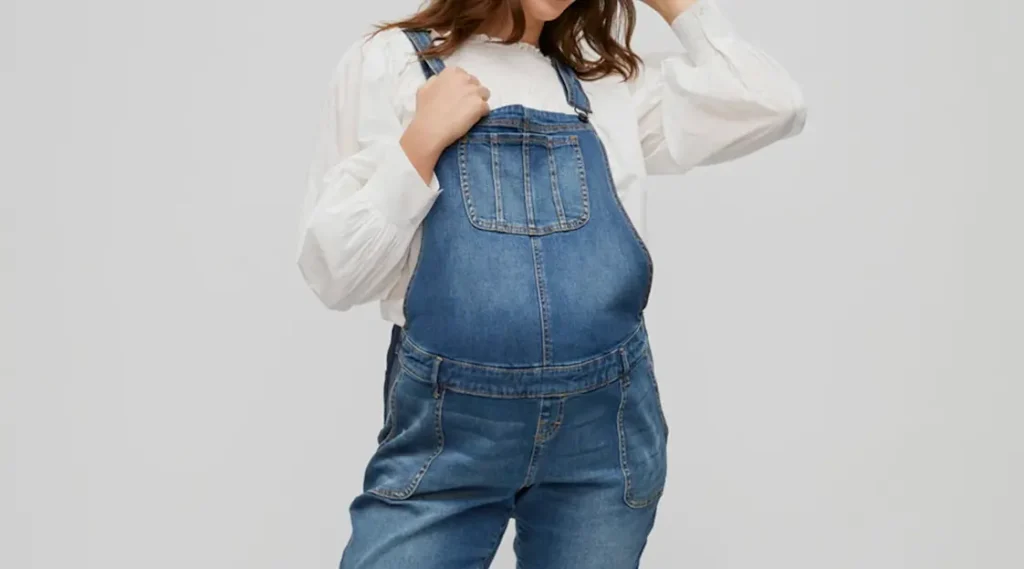
Overalls distribute pressure evenly across the torso, avoiding tightness in the waist or abdomen. They are comfortable for long wear, stylish, and provide enough room for abdominal recovery while maintaining a trendy appearance.
7. Soft, Flowing Palazzo or Wide-Leg Pants
Wide-leg pants are lightweight and breathable, allowing for unrestricted movement. They prevent chafing around the thighs and hips and are ideal for warm weather or days when comfort is a priority.
Tips for Choosing Postpartum Pants
Choosing the right postpartum pants can make a significant difference in comfort, recovery, and confidence. Paying attention to fit, fabric, and support helps new mothers move freely while protecting healing muscles and sensitive areas.
Recommended: Best Brush for Postpartum Hair Loss
- Prioritize Stretchy Fabrics: Look for pants made with elastic or spandex blends. Stretchy fabrics adapt to body changes, provide comfort, and prevent unnecessary pressure on the abdomen and pelvic floor.
- Choose High or Adjustable Waistbands: High-waisted or adjustable pants reduce pressure on healing abdominal muscles and C-section incisions. Adjustable waistbands allow flexibility as your body changes during recovery.
- Opt for Breathable Materials: Breathable fabrics, such as cotton or bamboo blends, reduce moisture buildup and prevent skin irritation, chafing, and yeast infections in sensitive areas.
- Check for Light Compression or Support: Some postpartum pants provide gentle support for the lower back and abdomen. This can improve posture, reduce discomfort, and help muscles recover without being restrictive.
- Avoid Extremely Tight or Non-Stretch Pants: Pants that feel overly tight, rigid, or restrictive can interfere with circulation, worsen swelling, and irritate healing areas. Comfort should always come first.
- Consider Length and Fit for Mobility: Pants that allow easy movement, sitting, and walking prevent discomfort during daily activities. Avoid pants that dig into the thighs or restrict leg movement.
- Listen to Your Body: Always pay attention to signs of discomfort, swelling, or irritation. If a pair of pants feels restrictive, it’s best to switch to a looser or more supportive option.
Conclusion
Postpartum recovery requires patience, care, and attention to the body’s changing needs. While tight pants can be worn safely after the initial healing period, understanding the risks, timing, and proper fit is essential. New moms can stay stylish without sacrificing comfort or healing by choosing comfortable, supportive, and breathable options.
Listening to your body, choosing the right fabrics, and wearing clothes that can change with your body after giving birth can make daily life easier and more fun. New moms can support their physical health and confidence during the postpartum period by choosing clothes that are both fashionable and comfortable.