

PCOS is one of the most common hormonal disorders that women have during their reproductive years, and it affects millions of women around the world. Polycystic Ovary Syndrome can mess up your periods, raise your androgen levels, make you gain weight, make your acne worse, and make it harder to get pregnant. Many women focus on hormone treatments and medications, but new research shows that gut health may be a very important part of managing PCOS symptoms. An imbalance in gut bacteria can make inflammation worse, make insulin resistance worse, and throw off hormonal balance even more. All of these things are important for PCOS.
Probiotics have become popular as a natural way to help women with PCOS improve their gut health, lower inflammation, and possibly improve their hormonal and metabolic function. Probiotics may help control blood sugar levels, help with weight loss, and even make periods more regular by putting healthy bacteria back in the digestive system.
In this article, we will talk about the benefits of probiotics for women with PCOS, the best probiotic strains to look for, how to pick the right supplement, and what the latest research says about how well they work.
What Is PCOS?
Polycystic Ovary Syndrome, or PCOS, is a common hormonal disorder that affects women who can have children. It happens when the ovaries make too many androgens, which are also known as male hormones, even though women naturally make small amounts of them.
Hormonal imbalance can make it hard for women with PCOS to ovulate. This could cause your periods to be irregular or stop altogether, make it hard to get pregnant, cause acne, make your hair on your face or body too thick, make your scalp hair thin, and make you gain weight. Some women with PCOS may also have small fluid-filled sacs on their ovaries, which are often called cysts. However, not everyone with PCOS has cysts that can be seen.
Recommended: 6 Family Planning Tips for Women with PCOS
PCOS is also closely linked to insulin resistance, which is when the body does not use insulin well. If not handled properly, this can make you more likely to get type 2 diabetes, high cholesterol, high blood pressure, and other metabolic problems.
There is no permanent cure for PCOS, but you can manage the symptoms by making changes to your lifestyle, taking medications, and getting supportive therapies like improving gut health and hormonal balance.
Why Probiotics Matter for Women with PCOS
Probiotics are important for women with PCOS because gut health has a big effect on hormones, inflammation, and metabolism. Studies show that a lot of women with PCOS have gut dysbiosis, which means that the balance of good and bad bacteria in their digestive system is off. This imbalance can make insulin resistance worse, raise inflammation, and raise androgen levels.
Insulin resistance is one of the main things that makes PCOS symptoms worse. When the body does not respond to insulin correctly, blood sugar levels go up and the ovaries may make more androgens. Some strains of probiotics have been shown to make insulin work better, which may help lower blood sugar levels and keep hormone production more stable.
Probiotics may also help lower chronic low-grade inflammation, which is common in women with PCOS. Less inflammation can help regulate hormones, improve skin health, and improve overall metabolic function. Some research indicates that probiotics might enhance menstrual regularity and promote fertility outcomes.
Probiotics also help keep the digestive system healthy, which is important for getting the nutrients you need. Women with PCOS often do better when they can absorb important nutrients like magnesium, B vitamins, and zinc, which are necessary for keeping hormones in balance.
Probiotics can help manage the symptoms of PCOS along with diet, exercise, and medical treatment by restoring a healthier gut microbiome.
Key Probiotic Strains That Benefit PCOS
Choosing the right probiotic strains can make a meaningful difference for women with PCOS. Certain beneficial bacteria have been studied for their effects on insulin sensitivity, inflammation, digestion, and overall hormonal balance. Below are key probiotic strains that may support women with PCOS:
Lactobacillus Acidophilus
This well-studied probiotic strain helps maintain a healthy balance of bacteria in the gut. It supports digestion and may reduce inflammation, which can help improve metabolic health and overall well-being in women with PCOS.
Recommended: Best Natural Remedies for Irregular Spotting
Lactobacillus Rhamnosus
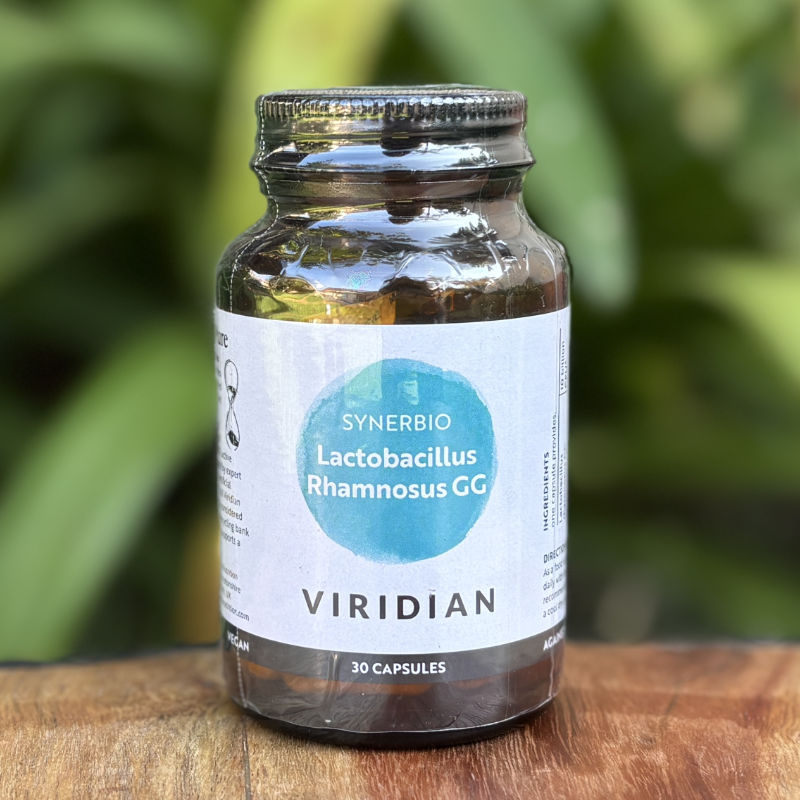
Lactobacillus rhamnosus has been linked to improved insulin sensitivity and may support weight management. Since insulin resistance and weight challenges are common in PCOS, this strain can be especially beneficial.
Bifidobacterium Lactis
This strain supports healthy digestion and immune function. It can help reduce bloating and improve nutrient absorption, which is valuable for women with PCOS who often struggle with gut issues.
Bifidobacterium Breve
Bifidobacterium breve may help support metabolic health and reduce abdominal fat. It also contributes to a balanced gut environment, which can influence hormones and inflammation.
Lactobacillus plantarum
Lactobacillus plantarum is known for supporting gut barrier function and reducing inflammation. A healthier gut barrier may help decrease systemic inflammation related to PCOS.
Bifidobacterium Longum
This probiotic strain supports overall gut balance and has been associated with positive effects on digestion and immunity. A balanced gut microbiome can contribute to more stable blood sugar levels.
Including a variety of these strains through supplements or fermented foods can help promote a more diverse and healthy gut microbiome. Always choose reputable probiotic products and speak with a healthcare provider before starting any new supplement regimen.
Best Probiotics for Women with PCOS
When choosing probiotics for PCOS, you should look for ones that have strains that have been shown to work in studies, are strong enough, and are made to help with gut health, metabolism, and inflammation. Here are some of the best probiotic options for women with PCOS, including both food-based and supplement options.
Top Probiotic Supplements for PCOS
Here are probiotic supplements that are often recommended for women managing PCOS symptoms:
- Multi-Strain Probiotic Formulas
- These contain a blend of beneficial bacteria like Lactobacillus and Bifidobacterium strains, which support digestion, immune function, and metabolic health.
- Look for products with at least 10 to 20 billion CFUs and multiple strains for broader gut support.
- Probiotics With Added Prebiotics
- Prebiotics are fibers that feed good bacteria in your gut, enhancing the effectiveness of probiotics.
- Synbiotic formulas (probiotic + prebiotic) can be especially supportive.
- High Potency Strains Targeting Metabolism
- Some probiotics are formulated with strains linked to improved insulin sensitivity and weight balance, such as Lactobacillus rhamnosus and Bifidobacterium lactis.
- Refrigerated vs Shelf-Stable Options
- Some strains perform better when kept refrigerated, but many clinically validated probiotics are shelf-stable and easier to use daily.
Recommended: 10 Causes of Spotting During Ovulation
Probiotic-Rich Foods to Include
Adding fermented foods to your diet is a natural way to support a healthy microbiome:
- Miso and Tempeh: Fermented soy products that can enhance gut flora.
- Yogurt with Live Cultures: Look for labels that say “live and active cultures” to ensure probiotic benefits.
- Kefir: A fermented dairy drink that is rich in diverse probiotic strains.
- Sauerkraut and Kimchi: Fermented cabbage dishes that offer probiotics, fiber, and antioxidants.
- Kombucha: A fermented tea with probiotics and beneficial organic acids.
How Long Does It Take for Probiotics to Work for PCOS?
Depending on the person and the type of probiotic used, it can take different amounts of time for probiotics to work for PCOS. Many women may notice small changes in their digestion, like less bloating or more regular bowel movements, within 2 to 4 weeks of using it regularly. These changes that happen early on show that the gut microbiome is starting to get back to normal.

It usually takes 8 to 12 weeks for bigger benefits, like better insulin sensitivity, less inflammation, or better hormone balance. This is because probiotics take time to change insulin response, androgen levels, and the overall symptoms of PCOS because they work on metabolism and hormones.
If a probiotic is working, you might notice that your energy levels are more stable, you crave sugar less, your skin looks better, and your menstrual cycles are more regular. These changes usually happen slowly and can be different for each person, depending on their diet, lifestyle, and the specific strains of probiotics they are taking.
If no improvement is noticed after 12 weeks, it may be helpful to switch to a multi-strain formula, increase the CFU count under medical guidance, or combine probiotics with dietary and lifestyle changes. Probiotics are not a cure for PCOS, but regular use can support gut health and contribute to better management of PCOS symptoms over time.
Recommended: Holistic Tips for Boosting Female Libido Without Medication
Possible Side Effects of Probiotics
Probiotics are generally safe for most women, including those with PCOS, but some people may experience mild side effects when they first start taking them. Here are the most common side effects:
- Bloating and Gas: Temporary bloating or increased gas is common as your gut adjusts to new bacteria. This usually improves within a few days to weeks.
- Mild Stomach Discomfort: Some women may experience mild cramps or stomach upset, which often subsides as the body adapts.
- Changes in Bowel Movements: Looser stools, more frequent bowel movements, or mild diarrhea can occur initially.
- Rare Serious Reactions: In people with weakened immune systems or certain medical conditions, severe digestive issues or unusual symptoms may occur. Always consult a healthcare provider if this happens.
These side effects are typically temporary, and gradually introducing probiotics or starting with a lower dose can help minimize them.
Conclusion
Women with PCOS may find that probiotics help their gut health, hormonal balance, and metabolism. They may help make insulin more sensitive, lower inflammation, and make menstrual cycles more regular by bringing back healthy bacteria to the digestive system.
To get the best results, it is important to pick the right probiotic strains, whether you get them from supplements or fermented foods. The best results usually come from using products with prebiotics, multi-strain formulas, and using them every day.
Probiotics aren ot a cure for PCOS, but they can be an important part of a whole-person approach that includes a healthy diet, regular exercise, and medical advice. With time and effort, probiotics can help with symptoms and make you feel better overall.