
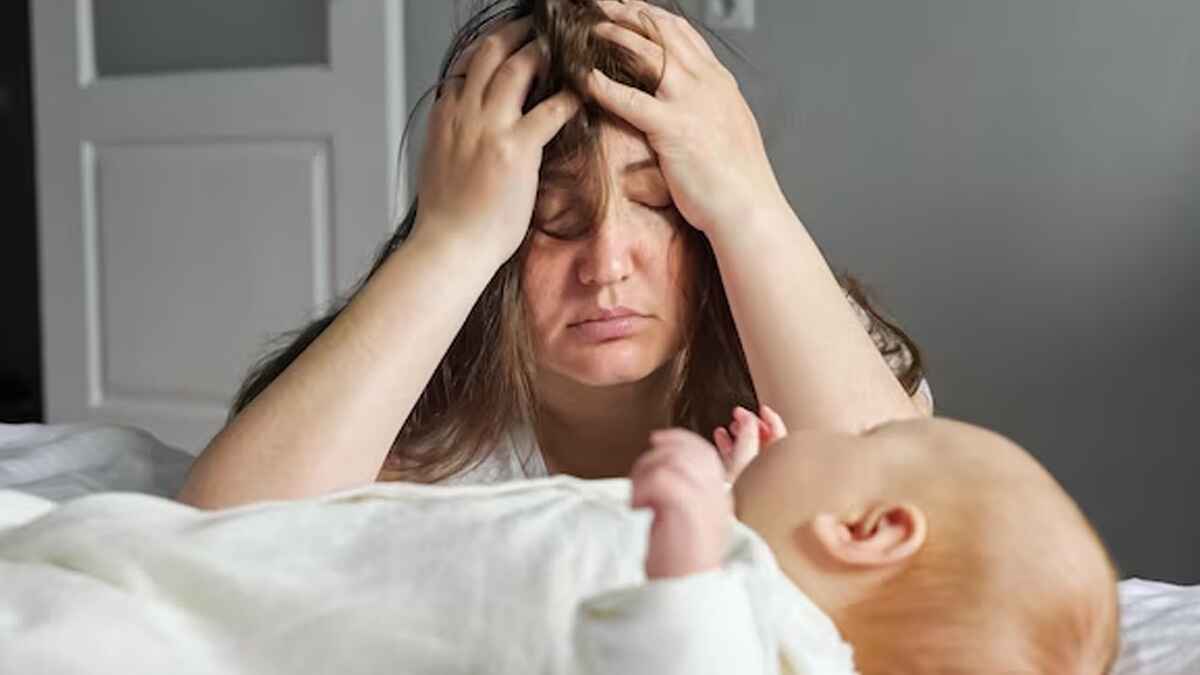
Postpartum depression is a serious mental health condition that affects many women after childbirth, causing emotional, physical, and behavioral changes that can make daily life feel overwhelming. While becoming a mother often comes with exhaustion, mood shifts, and stress, postpartum depression goes beyond the normal challenges of adjusting to life with a newborn. It can affect a mother’s emotional well-being, relationships, and ability to care for herself and her baby.
Many women may ignore the early signs because they assume their feelings are simply part of motherhood or temporary postpartum changes. Symptoms such as persistent sadness, loss of interest in daily activities, anxiety, irritability, sleep disturbances, and difficulty bonding with the baby can all be warning signs that should not be overlooked. When left untreated, postpartum depression can have lasting effects on both the mother and child.
Recognizing these symptoms early is important because timely support and treatment can lead to recovery and improved mental health. Understanding the difference between normal emotional adjustments after childbirth and a deeper mental health struggle can help mothers seek the care they need.
In this article, we will explore the signs of postpartum depression you should not ignore, possible risk factors, when to seek professional help, and the available treatment options for healing and recovery.
What Is Postpartum Depression?

Postpartum depression is a serious mental health condition that affects some women after childbirth. It is more than temporary sadness or exhaustion that often comes with adjusting to life with a newborn. This condition can cause intense emotional, physical, and behavioral changes that interfere with a mother’s daily life and overall well-being.
Recommended: Can Men Experience Postpartum Depression?
Unlike the baby blues, which are usually mild and short-term, postpartum depression is deeper and can last for weeks or even months if left untreated. Women experiencing this condition may struggle with persistent sadness, hopelessness, anxiety, mood swings, irritability, and a lack of interest in activities they once enjoyed. These symptoms can make motherhood feel overwhelming and emotionally draining.
Postpartum depression can develop shortly after delivery or even several months after childbirth. Several factors may contribute to its development, including hormonal changes, sleep deprivation, emotional stress, previous mental health struggles, and limited social support. In some cases, mothers may also find it difficult to bond with their baby or manage basic daily responsibilities.
Although postpartum depression can feel frightening and isolating, it is treatable with the right support and care. Early recognition of symptoms can help mothers seek professional treatment, counseling, or emotional support before the condition becomes severe. With proper help, recovery is possible, and many women regain their mental and emotional health over time.
Causes of Postpartum Depression
- Hormonal Changes After Childbirth: After giving birth, a woman’s hormone levels, especially estrogen and progesterone, drop rapidly. These sudden changes can affect brain chemistry and mood, increasing the risk of depression, anxiety, and emotional instability.
- Lack of Sleep and Physical Exhaustion: Caring for a newborn often leads to interrupted sleep and constant fatigue. Over time, sleep deprivation and physical exhaustion can weaken emotional resilience and make it harder to cope with stress, which may contribute to postpartum depression.
- Emotional Stress and Anxiety: The transition into motherhood can bring emotional pressure, fear, and uncertainty. Worries about parenting, financial responsibilities, or balancing daily life can create overwhelming stress that may trigger depression after childbirth.
- Previous History of Depression or Mental Health Issues: Women who have experienced depression, anxiety, or other mental health challenges before pregnancy are often at a higher risk of developing postpartum depression. A past history of emotional struggles can make recovery after childbirth more difficult.
- Lack of Support From Family or Partner: Emotional and physical support is very important after childbirth. When a mother feels isolated, unsupported, or overwhelmed without help from a partner, family, or friends, feelings of loneliness and stress can increase.
- Difficult Pregnancy or Childbirth Experience: Complications during pregnancy, a traumatic delivery, premature birth, or health issues affecting the baby can create emotional distress. These difficult experiences may contribute to feelings of fear, sadness, or helplessness.
- Difficulty Adjusting to Motherhood: Becoming a mother can be life-changing and stressful. Some women may struggle with new responsibilities, lifestyle changes, or the pressure to be a perfect parent, which can affect emotional well-being.
- Financial or Relationship Problems: Money struggles, marital conflict, or relationship stress can increase emotional pressure after childbirth. These challenges can make a mother feel overwhelmed, anxious, or unsupported.
- Isolation and Loneliness: Some new mothers may feel disconnected from friends, family, or social activities. Spending long periods alone while caring for a baby can increase sadness and emotional distress.
- Unrealistic Expectations About Motherhood: Many women expect motherhood to feel joyful all the time. When reality includes stress, pain, exhaustion, and emotional challenges, disappointment and self-blame may develop, contributing to postpartum depression.
Recommended: Best Clothes to Wear Postpartum After a C-Section
Signs of Postpartum Depression You Should Not Ignore
Postpartum depression can sometimes develop quietly and be mistaken for normal postpartum stress or tiredness. However, certain emotional and behavioral changes are warning signs that should never be ignored because they may indicate a deeper mental health condition that needs attention and care.
1. Persistent Sadness or Hopelessness

Feeling sad occasionally after childbirth can be normal, but ongoing sadness, emptiness, or hopelessness that lasts for weeks should not be ignored. These emotions may indicate that a mother is struggling with more than temporary mood changes. If left untreated, persistent sadness can affect daily functioning, emotional health, and the ability to care for both herself and her baby.
2. Frequent Crying Spells
Crying more often than usual without a clear reason can be a warning sign of emotional distress. This should not be ignored because it may show that the mother is feeling mentally overwhelmed and unable to cope with stress. Constant crying can also increase feelings of frustration, isolation, and exhaustion.
3. Extreme Fatigue or Loss of Energy
Although tiredness is common after childbirth, severe fatigue that continues even with rest can be a sign of postpartum depression. This should not be ignored because it can make basic tasks like feeding the baby, bathing, or self-care feel overwhelming. Over time, this can affect physical health and parenting ability.
4. Difficulty Bonding With the Baby
Some mothers may feel emotionally distant or disconnected from their newborn. This should not be ignored because bonding is important for both emotional attachment and healthy child development. If a mother continues to feel detached, it may signal deeper emotional struggles that need support and treatment.
5. Loss of Interest in Daily Activities
When a mother no longer enjoys activities, hobbies, or social interactions she once liked, it may be a sign of depression. This should not be ignored because emotional withdrawal can increase loneliness and make recovery harder. It may also affect relationships and daily responsibilities.
Recommended: What Are Practical Strategies for Incorporating Baby into Postpartum Fitness Routines?
6. Anxiety or Constant Worry
Excessive fear, panic, or nonstop worry about the baby or everyday life can be another symptom. This should not be ignored because severe anxiety can interfere with sleep, concentration, and decision-making. Constant worry can also create emotional exhaustion and worsen depression.
7. Irritability and Mood Swings
Feeling unusually angry, frustrated, or emotionally unstable after childbirth may be linked to postpartum depression. This should not be ignored because uncontrolled mood changes can strain relationships with family, partners, and even affect how a mother responds to her baby.
8. Sleep Problems
Sleeping too much, insomnia, or struggling to rest even when the baby is asleep may be a warning sign. This should not be ignored because poor sleep affects brain function, emotional stability, and physical recovery. Lack of sleep can make depressive symptoms worse.
9. Changes in Appetite
A sudden loss of appetite or overeating can reflect emotional distress. This should not be ignored because poor eating habits can affect energy levels, physical healing after childbirth, and overall mental health.
10. Feelings of Guilt or Worthlessness
A mother may constantly feel like she is failing or not doing enough. These feelings should not be ignored because they can damage self-esteem and lead to deeper depression. Over time, they may increase emotional isolation and hopelessness.
11. Trouble Concentrating or Brain Fog
Difficulty focusing, remembering things, or making decisions can be common with postpartum depression. This should not be ignored because it can interfere with parenting tasks, work responsibilities, and personal safety.
12. Social Withdrawal
Avoiding loved ones, isolating from friends, or refusing support can be a major warning sign. This should not be ignored because isolation often makes depression worse and reduces access to emotional help and care.
13. Thoughts of Self-Harm or Harm to the Baby
This is one of the most serious signs of postpartum depression. It should never be ignored because it may put both the mother and baby at immediate risk. Urgent medical or mental health support is necessary if these thoughts occur.
Recommended: How Do Sleep Deprivation and Life Demands Contribute to Male Postpartum Mental Distress?
How Long Does Postpartum Depression Last if Untreated?
If postpartum depression is left untreated, it can last for several months or even years after childbirth. Unlike the baby blues, which usually go away within a few days or weeks, postpartum depression does not simply fade on its own for many women. The symptoms may remain constant or come and go, but they often continue to affect emotional well-being, daily functioning, and the ability to bond with the baby.
In some cases, untreated postpartum depression can become chronic and may develop into long-term depression or anxiety disorders. The duration varies depending on factors such as the severity of symptoms, level of support, and individual mental health history. However, without proper treatment and support, recovery becomes slower and more difficult, which is why early intervention is very important for healing and overall well-being.
When to Seek Professional Help for Postpartum Depression
It is important to seek professional help as soon as symptoms begin to interfere with daily life, emotional well-being, or the ability to care for your baby, because early treatment can prevent the condition from getting worse.
- Seek help if feelings of sadness, emptiness, or hopelessness last for more than two weeks without improvement.
- Seek help if you find it difficult to bond with your baby or feel emotionally disconnected from them.
- Seek help if you experience constant anxiety, panic attacks, or overwhelming worry that you cannot control.
- Seek help if you notice frequent mood swings, irritability, or anger that affects your relationships.
- Seek help if you are unable to sleep or are sleeping too much even when the baby is resting.
- Seek help if you lose interest in activities you once enjoyed or withdraw from family and friends.
- Seek help if you feel extreme guilt, worthlessness, or like you are failing as a mother.
- Seek urgent help if you have thoughts of harming yourself or your baby, even if they feel occasional or unwanted.
Recommended: Best Protein Powder for Postpartum Weight Loss
Treatment Options for Postpartum Depression
Postpartum depression is treatable, and with the right care and support, most mothers recover fully. Treatment usually depends on the severity of symptoms and may involve a combination of medical, psychological, and lifestyle approaches designed to restore emotional balance and improve daily functioning.
- Therapy or counseling: Talking with a mental health professional, such as a psychologist or counselor, can help a mother understand her feelings, manage negative thoughts, and develop healthy coping strategies. Cognitive behavioral therapy is often very effective in treating postpartum depression.
- Medication (antidepressants): In some cases, doctors may prescribe antidepressant medications to help balance brain chemicals that affect mood. These medications are usually considered when symptoms are moderate to severe and are closely monitored by a healthcare provider, especially for breastfeeding mothers.
- Support from family and loved ones: Emotional and practical support from a partner, family, or friends plays a very important role in recovery. Help with baby care, household tasks, and emotional encouragement can reduce stress and prevent isolation.
- Rest and sleep management: Getting enough rest is essential for mental health recovery. Adjusting sleep routines, sharing nighttime baby care, and taking short naps when possible can help reduce fatigue and improve mood.
- Healthy lifestyle changes: Eating balanced meals, staying hydrated, and engaging in light physical activity like walking can improve energy levels and emotional well-being. These small changes can support overall recovery.
- Support groups: Joining postpartum or new mothers’ support groups allows women to share experiences and feel understood. This reduces feelings of loneliness and provides emotional reassurance from others going through similar challenges.
General Conclusion
Postpartum depression is a serious but treatable condition that can affect many women after childbirth, often in ways that go beyond normal emotional and physical adjustments. Understanding its causes, recognizing the early warning signs, and knowing when to seek help are very important steps in protecting both the mother’s mental health and the well-being of the baby.
With timely support, proper treatment, and care from loved ones and professionals, recovery is absolutely possible. No mother should feel alone or ashamed for experiencing postpartum depression, because getting help early can lead to healing, stronger emotional health, and a healthier bond with the baby over time.