

Implantation cramps is a common early sign of pregnancy. It happens when a fertilised egg attaches to the lining of the uterus. A lot of women feel a little uncomfortable during this process, but it’s easy to confuse with period cramps because they feel the same. Women can learn more about their reproductive health and spot early signs of pregnancy by knowing the small differences between implantation cramps and menstrual cramps.
On the other hand, period cramps happen when the uterus contracts to get ready to shed the lining. They usually show up a few days before or during a woman’s period and can be mild to severe. Period cramps are usually accompanied by other symptoms like bloating, mood changes, and heavier bleeding. This makes them more predictable in terms of when they happen and how bad they are.
This article will talk about the main differences between implantation cramps and period cramps, such as when they happen, how long they last, how bad they are, and what other symptoms they may cause.
What Are Period Cramps?
Menstrual cramps, also called dysmenorrhea, are pains that happen in the lower abdomen before or during a woman’s period. Hormone-like substances called prostaglandins control the process of the uterus contracting to shed its lining. These contractions can make it harder for blood to flow to the uterus and cause pain that ranges from mild to severe.

Period cramps can be different for each woman in terms of how bad they are and how long they last. Some people may feel a dull, constant ache, while others may have sharp, throbbing pain that lasts for days. Along with period cramps, you may also have bloating, breast pain, headaches, fatigue, irritability, and sometimes lower back pain.
Recommended: Does Stomach Pain After Sex Mean You Are Pregnant?
Most of the time, period cramps happen a few days before the period starts or in the first few days of the period. They usually happen when there is more bleeding, and for some women, they can make everyday tasks much harder. Keeping track of when these cramps happen, how bad they are, and what other symptoms they come with can help you tell them apart from other kinds of stomach pain, like implantation cramps.
What Are Implantation Cramps?
Implantation cramps happen when a fertilised egg sticks to the lining of the uterus. This usually happens 6 to 12 days after ovulation. This process can make the lower abdomen feel a little uncomfortable or like it’s being pulled. Implantation cramps are usually lighter, shorter, and less painful than period cramps.
Women who have implantation cramps may also notice light spotting, which is often called implantation bleeding. This can look like pink or brown discharge. Breast tenderness, tiredness, mild nausea, and a heightened sense of smell are some other signs of early pregnancy. These signs can help you tell the difference between implantation cramps and regular menstrual cramps, which usually come with heavier bleeding and a set pattern each month.
Timing is one of the most important things to look for when trying to figure out if you have implantation cramps. Women might not realise they are pregnant right away because these symptoms happen before a missed period. Paying attention to small changes in the body, like unusual cramping or spotting, can give you important information. Women can better understand early pregnancy signs and tell them apart from their regular menstrual cycle if they know about these differences.
Key Differences Between Implantation Cramps and Period Cramps
Although both implantation cramping and period cramps cause discomfort in the lower abdomen, understanding their differences can help you identify what your body is experiencing. Here are the main differences:
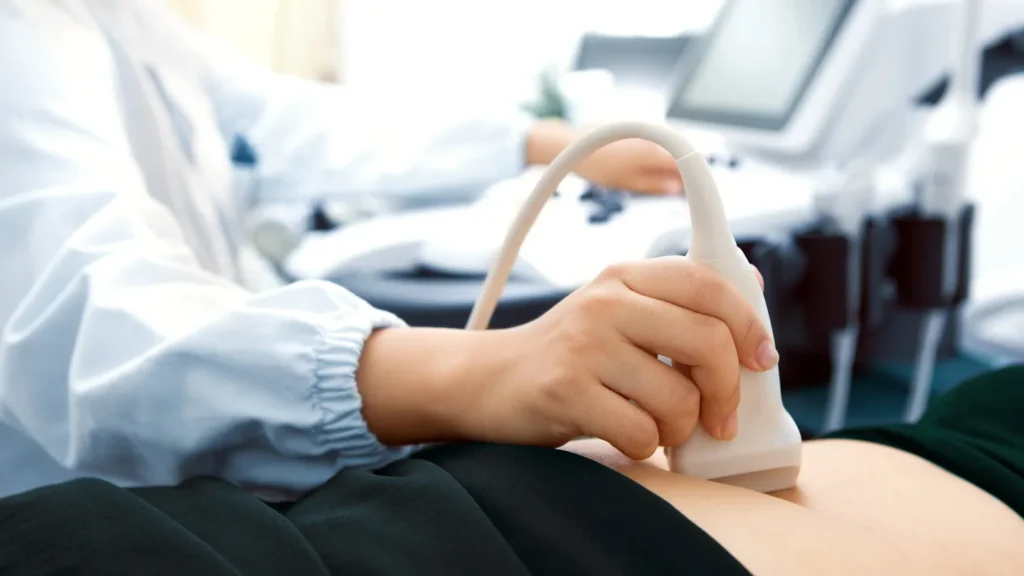
- Timing: Implantation cramps occur 6 to 12 days after ovulation, often before a missed period. Period cramps happen a few days before or during menstruation.
- Intensity: Implantation cramps are usually mild and brief. Period cramps can range from moderate to severe and may last for several days.
- Location: Implantation cramps are often felt on one side of the lower abdomen. Period cramps typically affect the entire lower abdomen and sometimes the lower back.
- Bleeding/Discharge: Implantation may involve light pink or brown spotting. Period cramps are accompanied by heavier menstrual bleeding.
- Accompanying Symptoms: Implantation cramps may come with mild nausea, breast tenderness, or fatigue. Period cramps are often accompanied by bloating, mood swings, headaches, and general discomfort.
- Predictability: Implantation cramps are irregular and occur only once per cycle if pregnancy happens. Period cramps follow a regular monthly pattern.
Recommended: When Ovulation Pain is Not Just Ovulation: Possible Underlying Causes
Home Remedies and Relief Tips
Whether you are experiencing period cramps or implantation cramping, the following tips can help relieve discomfort:
- Use a Heating Pad or Hot Water Bottle: Applying heat to the lower abdomen relaxes the uterine muscles and increases blood flow, which can reduce cramping and pain.
- Engage in Gentle Exercise or Stretching: Light activities like walking, yoga, or stretching improve circulation and release endorphins, the body’s natural painkillers, helping to ease discomfort.
- Take Over-the-Counter Pain Relievers: Medications such as ibuprofen or acetaminophen reduce inflammation and block pain signals, which can help manage moderate to severe period cramps. Always follow the recommended dosage.
- Stay Hydrated and Avoid Salty or Caffeinated Foods: Drinking water helps prevent bloating, while reducing salt and caffeine intake minimizes water retention and tension, which can make cramps worse.
- Drink Herbal Teas: Chamomile, ginger, or peppermint tea have natural anti-inflammatory and muscle-relaxing properties, which can soothe cramping and calm the body.
- Rest and Relax: Especially for implantation cramping, giving your body time to rest reduces stress and allows the mild cramps to subside naturally. Avoid heavy exercise or strenuous activity during this time.
- Track Your Cycle and Symptoms: Keeping a record of cramping, bleeding, and other symptoms helps you understand whether the pain is from implantation or menstruation and allows you to manage it more effectively.
When to See a Doctor
Even though period cramps and implantation cramping are usually normal, there are situations when consulting a healthcare professional is important. Here are the main signs to watch for:
Severe or Persistent Pain
If your cramps are very bad, last longer than a few days, or stop you from doing things you do every day, like going to work, studying, or working out, it could be a sign of a bigger problem. Endometriosis, ovarian cysts, fibroids, or pelvic inflammatory disease are some of the things that could be wrong. A doctor can figure out what’s wrong and treat it by doing tests or imaging tests.
Heavy or Irregular Bleeding
Bleeding that is much heavier than normal, has big clots, or happens outside of your normal cycle should not be ignored. This could mean that you have hormonal imbalances, uterine fibroids, or problems with early pregnancy. Your doctor can make a correct diagnosis by keeping track of how much and when you bleed.
Recommended: Tracking Ovulation Pain to Increase Your Chances of Getting Pregnant
Pain Accompanied by Fever, Nausea, or Vomiting
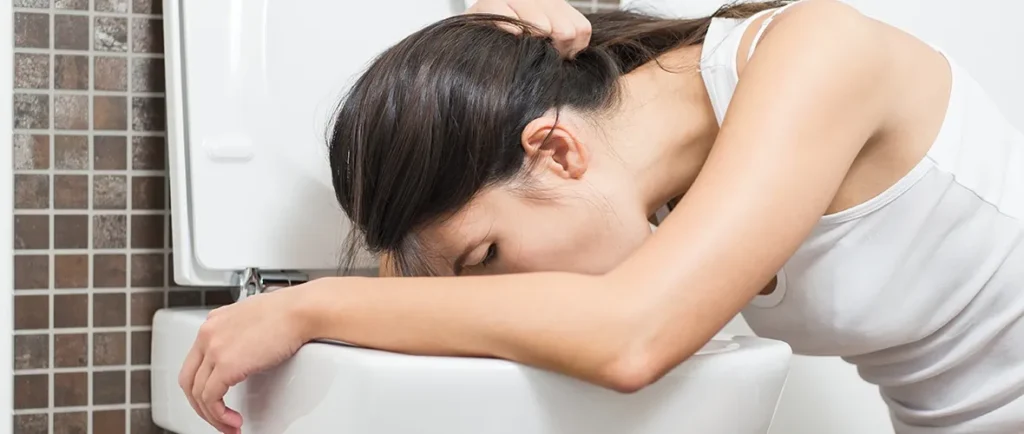
If cramps are accompanied by systemic symptoms such as fever, persistent nausea, or vomiting, it may indicate an infection or more serious reproductive health issue. Prompt medical attention is needed to prevent complications.
Persistent Implantation-Like Symptoms Without a Period
Sometimes mild cramps, spotting, tiredness, or breast tenderness can last longer than you think. If these symptoms last longer than a period or are accompanied by dizziness, fainting, or strange discharge, you should see a doctor. These signs could mean that you are having problems with early pregnancy, hormonal imbalances, or other gynaecological issues.
Difficulty Managing Symptoms at Home
If heat, rest, herbal teas, or over-the-counter painkillers don’t help your cramps, you should see a doctor. Your doctor can suggest other ways to treat your pain, such as prescription drugs, other treatments, or changes to your way of life.
Cramping with Urinary or Gastrointestinal Symptoms
Cramping accompanied by painful urination, frequent urination, diarrhea, or constipation may indicate a urinary tract infection (UTI), gastrointestinal issues, or other conditions. These symptoms require medical assessment to prevent worsening of the problem.
Sudden or Sharp Pain
Sharp or stabbing pain in the lower abdomen that appears suddenly, especially on one side, could be a sign of an ovarian cyst rupture, ectopic pregnancy, or appendicitis. Immediate medical attention is crucial in such cases to avoid serious complications.
Conclusion
Women need to know the difference between implantation cramps and period cramps in order to understand their bodies correctly. Implantation cramps are usually mild, short-lived, and may come with light spotting and early pregnancy symptoms. Period cramps, on the other hand, are usually stronger, last longer, and happen with heavier bleeding and other menstrual symptoms.
Women can tell the difference between the two types of cramps better if they pay attention to the time, intensity, location, and other signs that come with them. Simple home remedies like heat therapy, light exercise, herbal teas, and rest can help you feel better. Keeping track of your cycle and symptoms can also give you useful information about your reproductive health.
When cramps are very bad, last a long time, come with strange bleeding, or are linked to other worrying symptoms, it’s important to see a doctor. Seeing a doctor makes sure that any underlying problems are found early and treated correctly. When women know more, they can take better care of their bodies, spot early signs of pregnancy, and keep their reproductive health in good shape.