
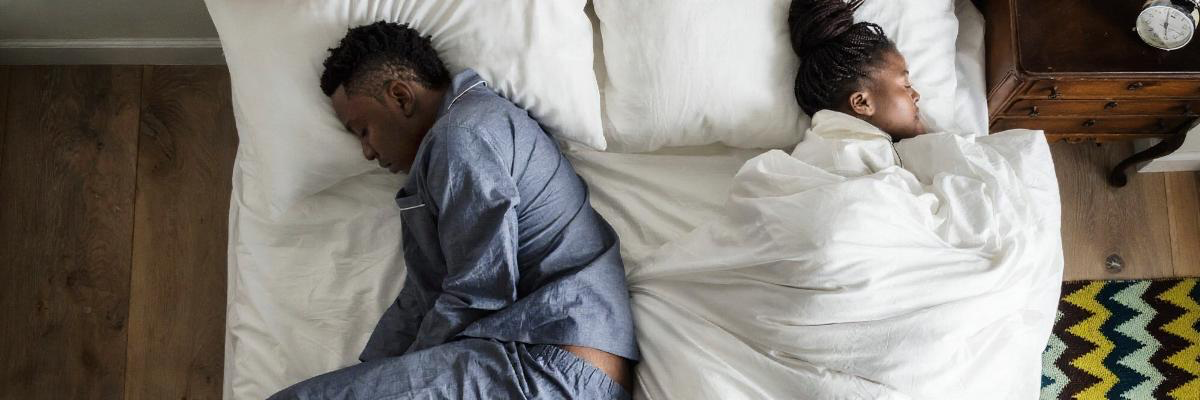
Erectile dysfunction is a problem that affects a lot of men and can hurt their confidence, relationships, and health in general. It is often thought to be a sign of getting older, but stress, lifestyle, and health problems can also cause it. Sleep is one thing that people often forget about. Studies indicate that inadequate or poor sleep may lead to challenges in sexual performance.
Sleep is very important for keeping hormones in check that affect sexual health. Deep sleep is when most of the testosterone that drives libido and erections is made. Lack of sleep can lower testosterone levels, which can make you less interested in sex and less able to perform. Lack of sleep also raises stress hormones like cortisol, which can make it hard to get an erection.
Lack of sleep is bad for both your mental and physical health. Chronic fatigue, anxiety, and a low mood can make you less interested in sex and less able to perform. Lack of sleep can also cause heart problems and lower blood flow, both of which are bad for getting and keeping strong erections.
In this article, we will explore the link between lack of sleep and erectile dysfunction, discuss why it happen, signs to look out for, and easy ways to improve both your sexual health and your sleep quality.
Can Lack of Sleep Affect Erectile Health?
A lack of sleep can be bad for your mental and physical health, including your sexual health. Sexual dysfunction can include a lack of interest in sex, trouble reaching orgasm, and sometimes even painful experiences like painful erections.
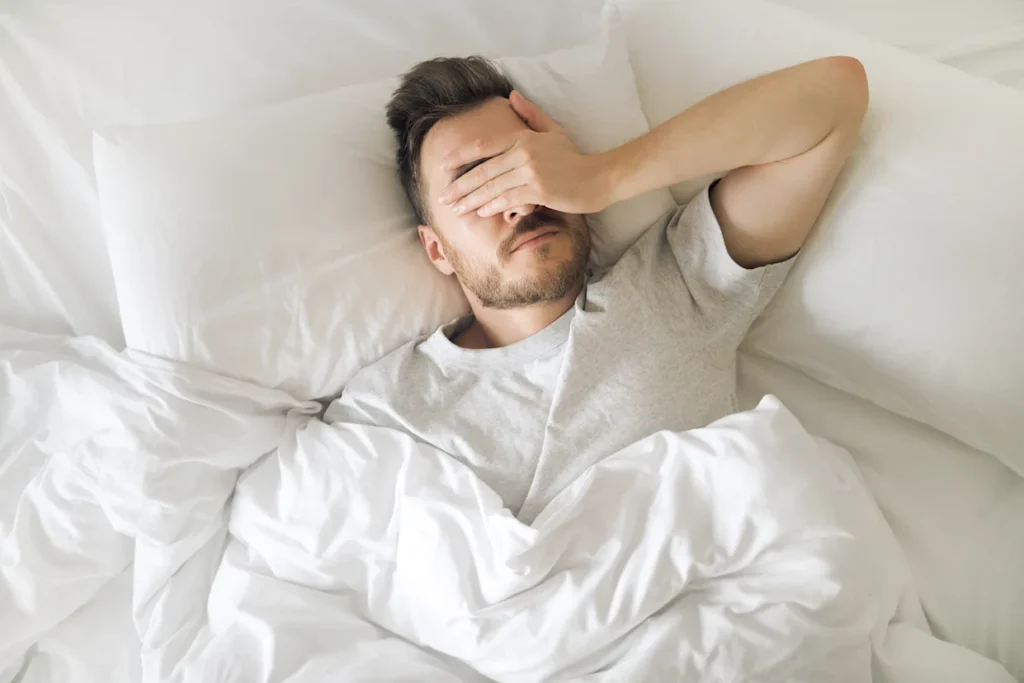
Chronic sleep disorders like insomnia or sleep apnea can also make erectile dysfunction more likely, and they may happen at the same time.
Recommended: Will Testosterone Therapy Help with Erectile Dysfunction?
If you have trouble falling asleep, staying asleep, or getting quality rest, you may be experiencing insomnia. Some other common signs of insomnia are staying awake for long periods of time, only sleeping for short periods of time, or waking up too early in the morning.
Disrupted sleep and insufficient rest, which are common in insomnia, have been linked to a higher risk of erectile dysfunction through several mechanisms.
How Lack of Sleep Contributes to Erectile Dysfunction
Lack of sleep can be bad for your mental and physical health, as well as your sexual health. Erectile dysfunction can show up as not wanting sex, having trouble reaching orgasm, or even painful experiences like painful erections.
Lack of sleep also raises levels of stress hormones like cortisol. Too much cortisol can make it hard for the body to get or keep an erection. Chronic stress and fatigue from not getting enough sleep can make mood, motivation, and sexual performance even worse.
Poor sleep can also be bad for your heart health. Long-term sleep problems can lead to less blood flow and circulation, which are both important for strong erections. This makes a cycle where not getting enough sleep makes erectile dysfunction worse, and stress from erectile dysfunction makes it even harder to sleep.
Overall, getting enough good sleep on a regular basis is important for both physical and sexual health. Taking care of sleep problems can lower the risk of erectile dysfunction and make you feel better overall.
Signs You May Have Sleep-Related ED
- Difficulty Achieving or Maintaining an Erection: One of the most obvious signs is struggling to get or keep an erection during sexual activity. Sleep problems can reduce testosterone levels and blood flow, making erections less firm or shorter-lasting.
- Reduced Sexual Desire: Poor sleep often leads to fatigue and low energy, which can decrease interest in sex. Men may notice a significant drop in libido if sleep deprivation is ongoing.
- Morning Erections Are Less Frequent: Men who sleep poorly may notice a reduction in spontaneous morning erections. These erections are usually an indicator of healthy sexual function and hormone levels.
- Increased Stress and Mood Changes: Chronic lack of sleep can cause irritability, anxiety, or depression. These mental health changes can make sexual performance more difficult and worsen ED symptoms.
- Fatigue During Daily Life: Constant tiredness or feeling drained throughout the day can indirectly affect sexual performance. Low energy reduces both the physical ability and motivation for sexual activity.
Recommended: Can a Common Cold Cause Erectile Dysfunction?
Solutions to Sleep-Related ED
Improving sleep can have a significant impact on sexual health. Even small changes in your sleep habits and lifestyle can help reduce erectile dysfunction and boost overall well-being.
1. Prioritize Consistent Sleep Schedules
Going to bed and waking up at the same time every day helps regulate your body’s internal clock. Consistency improves sleep quality, allowing your body to complete full sleep cycles. This, in turn, supports healthy testosterone production and better sexual function.
2. Improve Sleep Environment
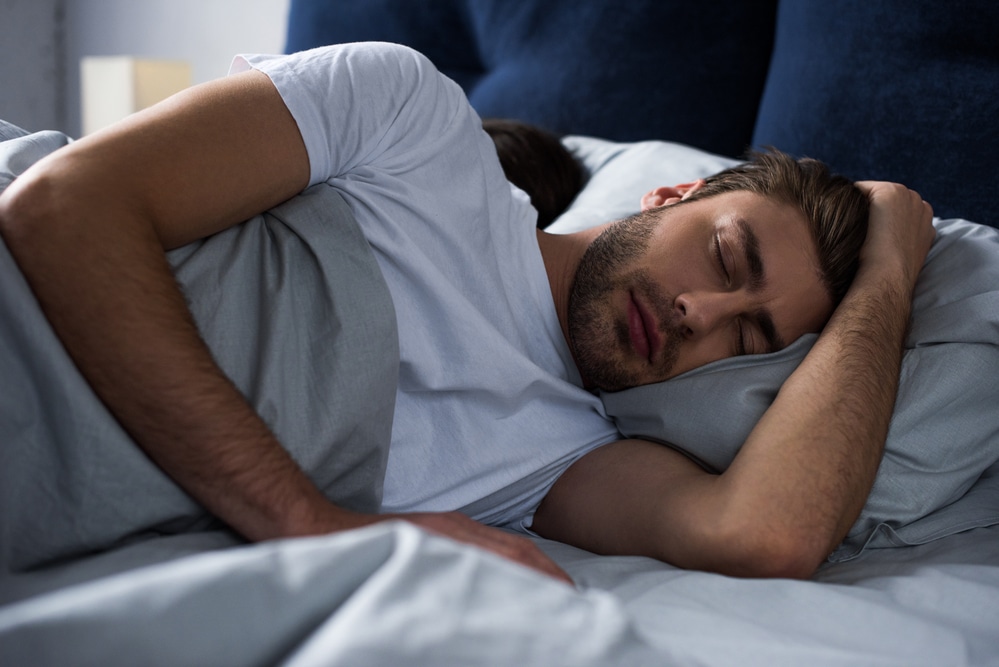
Create a bedroom environment that promotes restful sleep. Keep the room dark, quiet, and cool. Avoid bright lights, loud noises, and electronic devices before bedtime. A comfortable mattress and pillow can also improve sleep quality.
3. Manage Stress and Anxiety
Chronic stress increases cortisol levels, which can interfere with erections. Techniques like deep breathing exercises, meditation, yoga, and mindfulness can help reduce stress and improve both sleep and sexual health.
5. Exercise Regularly
Regular physical activity improves blood circulation, reduces stress, and supports hormonal balance. Aim for at least 30 minutes of moderate exercise most days of the week. However, avoid intense workouts right before bedtime, as they can make it harder to fall asleep.
Recommended: Does Sea Moss Help With Erectile Dysfunction?
6. Limit Alcohol, Caffeine, and Stimulants
Alcohol and caffeine can disrupt sleep cycles and reduce sleep quality. Avoid caffeine in the late afternoon and evening, and limit alcohol consumption, especially close to bedtime. Stimulants from energy drinks or medications can also interfere with restful sleep.
7. Consider Medical Evaluation
If sleep problems or erectile dysfunction persist, consult a healthcare professional. Conditions like sleep apnea, insomnia, or hormonal imbalances may require medical treatment. A doctor can help identify underlying causes and recommend therapies or medications.
8. Healthy Lifestyle and Nutrition
A balanced diet rich in fruits, vegetables, whole grains, lean protein, and healthy fats supports overall health, circulation, and hormone production. Maintaining a healthy weight can reduce the risk of both sleep problems and erectile dysfunction .
9. Therapies and Counseling
If psychological factors like anxiety, depression, or relationship stress contribute to ED, therapy or counseling may help. Cognitive-behavioral therapy (CBT) for insomnia is particularly effective in improving sleep quality and, in turn, sexual function.
Diet Tips to Boost Testosterone and Circulation

- Include Healthy Fats: Healthy fats are essential for hormone production, including testosterone. Incorporate sources like avocados, olive oil, nuts, seeds, and fatty fish such as salmon or mackerel. These fats also support cardiovascular health and blood flow.
- Eat Lean Protein: Protein helps maintain muscle mass and supports hormone balance. Include lean meats, poultry, fish, eggs, and plant-based proteins like beans and lentils in your diet.
- Consume Zinc-Rich Foods: Zinc is a key mineral for testosterone production. Foods rich in zinc include oysters, beef, pumpkin seeds, spinach, and chickpeas.
- Add Antioxidant-Rich Fruits and Vegetables: Fruits and vegetables help improve circulation and reduce oxidative stress, which can damage blood vessels. Berries, citrus fruits, leafy greens, and cruciferous vegetables like broccoli are excellent choices.
- Incorporate Foods High in Vitamin D: Vitamin D supports testosterone levels and overall sexual health. Sources include fatty fish, fortified dairy products, egg yolks, and moderate sun exposure.
- Limit Processed Foods and Sugars: Highly processed foods and excessive sugar intake can negatively affect testosterone levels and circulation. Focus on whole, natural foods and reduce sugary snacks, drinks, and fast foods.
- Stay Hydrated: Adequate hydration improves blood flow and overall body function. Drink plenty of water throughout the day to support circulation and sexual health.
Conclusion
Sleep is very important for your health in general, and you shouldn’t forget how it affects your sexual health. Not getting enough sleep can cause erectile dysfunction by messing with hormone levels, raising stress levels, and affecting blood flow. The first step to taking charge of your sexual health is to know the signs of sleep-related erectile dysfunction .
Making small but consistent changes like getting better sleep, managing stress, working out regularly, eating a healthy diet, and seeing a doctor when necessary can greatly lower the risk of ED and make both sleep and sexual performance better.
Men can raise their testosterone levels, improve their circulation, and keep their sex lives satisfying by making sleep a priority and living a healthy life. Getting enough sleep is more than just a nightly routine. It is a necessary base for mental, physical, and sexual health.