

High estrogen levels in women can quietly affect the body in ways that are often overlooked or mistaken for normal hormonal changes. When estrogen becomes excessive or unbalanced, it can interfere with the body’s natural hormone rhythm, leading to physical discomfort, emotional changes, and menstrual irregularities. Many women experience these symptoms without realizing that high estrogen may be the underlying cause.
Hormonal imbalance linked to high estrogen can impact mood, weight, energy levels, fertility, and breast health. Factors such as poor liver function, chronic stress, exposure to hormone-disrupting chemicals, and dietary habits can all contribute to elevated estrogen levels. Understanding how estrogen works and why it becomes excessive is an important step toward restoring balance and protecting long-term health.
In this article, we will discuss the key signs of high estrogen in women, the common causes behind estrogen dominance, and how excess estrogen affects the body. We will also explore natural ways to detox estrogen through nutrition, lifestyle changes, and daily habits that support hormone balance and overall wellbeing.
What Is High Estrogen (Estrogen Dominance)?
High estrogen, also known as estrogen dominance, is a hormonal condition that occurs when estrogen levels in the body are too high in relation to other hormones, especially progesterone. This imbalance can happen even when estrogen levels are within a normal range but progesterone is too low, causing estrogen’s effects to become overpowering.
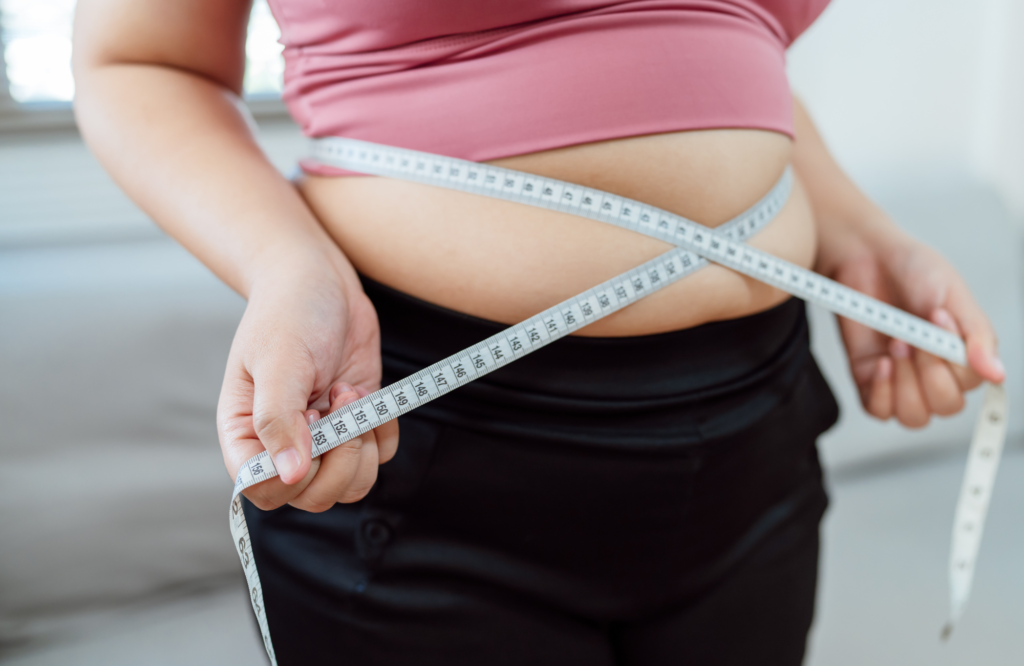
Estrogen plays a vital role in regulating the menstrual cycle, supporting bone health, and maintaining reproductive function. However, when estrogen becomes excessive, it can overstimulate tissues in the breasts, uterus, and other organs, leading to symptoms such as heavy or irregular periods, breast tenderness, mood swings, weight gain, and fatigue.
Recommended: Natural Ways to Balance Cortisol Levels for Better Ovulation
Estrogen dominance can be influenced by factors such as chronic stress, poor liver detoxification, excess body fat, exposure to environmental toxins, and hormonal medications. Over time, untreated high estrogen may increase the risk of conditions like fibroids, endometriosis, PMS, and fertility challenges, making hormone balance essential for overall health and wellbeing.
Common Signs of High Estrogen in Women
Common signs of high estrogen in women often develop slowly and may be mistaken for normal hormonal changes. However, persistent or multiple symptoms can indicate estrogen dominance and signal the need for hormonal balance.
- Heavy or irregular menstrual periods: High estrogen thickens the uterine lining, which can result in heavier bleeding, longer periods, or unpredictable menstrual cycles.
- Severe premenstrual syndrome (PMS): Excess estrogen can intensify PMS symptoms such as irritability, cramps, bloating, and food cravings before menstruation.
- Breast tenderness or swelling: Estrogen stimulates breast tissue, often causing soreness, swelling, or fibrocystic lumps, especially before the menstrual cycle.
- Weight gain in specific areas: High estrogen promotes fat storage, particularly around the hips, thighs, and lower abdomen, making weight loss more difficult.
- Bloating and water retention: Estrogen affects fluid balance in the body, leading to persistent bloating and a swollen feeling.
- Fatigue and low energy: Hormonal imbalance can disrupt energy regulation, leaving women feeling tired even after adequate rest.
- Headaches or migraines: Fluctuating or elevated estrogen levels can trigger frequent headaches or hormone-related migraines.
- Mood swings and irritability: High estrogen can interfere with neurotransmitters in the brain, causing emotional instability, irritability, or heightened sensitivity.
- Anxiety or depression: Estrogen dominance may increase feelings of anxiety or low mood due to its effect on stress hormones and brain chemistry.
- Brain fog and poor concentration: Excess estrogen can impair mental clarity, making it difficult to focus, remember information, or think clearly.
- Low libido: Hormonal imbalance may reduce sexual desire by interfering with testosterone and progesterone balance.
- Sleep disturbances: High estrogen can disrupt sleep patterns, leading to difficulty falling asleep or staying asleep throughout the night.
Recommended: How to Manage PMS Mood Swings Without Medication
What Causes High Estrogen Levels?
High estrogen levels occur when the body produces excess estrogen or when it cannot effectively break down and eliminate it. This hormonal imbalance often develops gradually and is influenced by a combination of lifestyle, environmental, and biological factors.
1. Poor Liver Detoxification
The liver plays a central role in metabolizing and clearing excess estrogen from the body. When liver function is compromised due to poor diet, toxin exposure, alcohol use, or certain medications, estrogen is not properly broken down and can accumulate in the bloodstream.
2. Chronic Stress and Cortisol Imbalance
Long-term stress increases cortisol production, which diverts resources away from progesterone synthesis. As progesterone levels decline, estrogen becomes dominant, leading to symptoms even when estrogen levels are technically within the normal range.
3. Excess Body Fat

Adipose tissue produces and stores estrogen. Higher levels of body fat can increase estrogen production, creating a cycle where excess estrogen promotes further fat storage and hormonal imbalance.
4. Exposure to Environmental Estrogen Mimics
Xenoestrogens are synthetic compounds found in plastics, pesticides, cosmetics, and cleaning products that mimic estrogen in the body. Continuous exposure increases estrogen activity and disrupts natural hormone regulation.
5. Hormonal Birth Control and Hormone Therapy
Birth control pills, hormone replacement therapy, and fertility treatments often contain synthetic estrogen. Prolonged use can overwhelm the body’s natural hormone balance and contribute to estrogen dominance.
Recommended: Painful Ovulation (Mittelschmerz): Causes, Symptoms, and How to Find Relief Naturally
5. Poor Gut Health and Estrogen Reabsorption
The gut microbiome helps regulate estrogen elimination. When gut bacteria are imbalanced or digestion is impaired, estrogen may be reabsorbed into the bloodstream instead of being excreted.
6. Low Progesterone Levels
Estrogen dominance can occur even without high estrogen when progesterone is too low. This commonly happens during perimenopause, after ovulation issues, or due to chronic stress.
7. Diet Low in Fiber and High in Processed Foods
Fiber helps bind estrogen in the digestive tract for removal. Diets lacking whole foods and fiber slow estrogen elimination and increase inflammation.
8. Excess Alcohol Intake
Alcohol interferes with liver detoxification and stimulates estrogen production. Regular consumption can significantly raise circulating estrogen levels.
Natural Ways to Detox Estrogen from the Body
Detoxing excess estrogen naturally involves supporting the body’s ability to break down, eliminate, and regulate hormones effectively. Small but consistent lifestyle and dietary changes can significantly improve estrogen balance over time.
1. Support liver detoxification
The liver is responsible for processing and eliminating excess estrogen. Eating nutrient-rich foods such as leafy greens, beets, garlic, and turmeric can support liver function. Limiting alcohol and processed foods also reduces the liver’s detox burden.
- Eat liver-supportive foods such as leafy greens, beets, garlic, onions, and turmeric
- Limit alcohol, fried foods, and heavily processed foods
- Drink herbal teas like dandelion root or milk thistle to support liver function
2. Eat Fiber-Rich Foods
Fiber plays a key role in helping the body eliminate excess estrogen. Including high-fiber vegetables like Brussels sprouts, mustard greens, broccoli, and other cruciferous vegetables in your diet supports healthy digestion while promoting natural estrogen detox.

Other estrogen-friendly fiber sources include whole grains, chickpeas, lentils, legumes, nuts, and seeds. These foods help move waste and toxins through the digestive system more efficiently, aiding the body in maintaining hormonal balance.
Recommended: Best Supplements to Regulate Hormones for Spotting
3. Improve Gut Health
A healthy gut microbiome supports proper estrogen elimination. Consuming probiotics, fermented foods, and prebiotic-rich foods helps reduce estrogen reabsorption and improves hormone balance.
- Consume probiotics from yogurt, kefir, kimchi, or sauerkraut
- Add prebiotic foods like garlic, onions, leeks, asparagus, and bananas
- Avoid unnecessary antibiotics that can disrupt gut bacteria
4. Reduce Exposure to External Estrogen Sources
Estrogen is not only naturally produced in the body; synthetic forms are also present in our environment. One of the most common sources is birth control pills, while conventional meat and dairy products may contain added hormones, including estrogen. To minimize exposure, choose meat and dairy from pasture-raised, grass-fed animals whenever possible.
Chemicals that mimic estrogen, known as xenoestrogens, can also be found in makeup, fragrances, and plastics. Avoiding products that contain BPA, especially in kitchenware and food storage, can help reduce your overall exposure to these hormone-disrupting substances.
5. Consider Supportive Supplements and Herbs
Nutrients such as magnesium, B vitamins, milk thistle, and compounds like DIM may support estrogen detox pathways. Consultation with a healthcare professional is recommended before supplementation.
Use supplements like DIM (diindolylmethane), calcium D-glucarate, magnesium, and B vitamins. Try herbs such as milk thistle and turmeric to support liver function
Supplements and Herbs That Support Estrogen Detox
Certain supplements and herbs can help the body metabolize and eliminate excess estrogen more effectively, supporting overall hormonal balance. These natural options work alongside a healthy diet and lifestyle to enhance liver function, promote detoxification, and regulate estrogen levels.
- DIM (Diindolylmethane): Found in cruciferous vegetables, DIM supports the liver in breaking down estrogen into safer forms.
- Calcium D-Glucarate: Helps prevent reabsorption of estrogen in the gut, aiding its elimination from the body.
- Milk Thistle: Supports liver health and detoxification, which is essential for processing excess hormones.
- Magnesium: Plays a role in hormone production and helps reduce estrogen-related inflammation.
- B Vitamins: Especially B6 and B12, which support liver function and hormone metabolism.
- Turmeric: Its anti-inflammatory properties support liver detox pathways and overall hormonal health.
Before starting any supplements or herbal remedies, it’s recommended to consult a healthcare professional to ensure they are safe and appropriate for your individual needs.
Recommended: 10 Causes of Spotting During Ovulation
How Long Does It Take to Balance Estrogen Naturally?
Balancing estrogen naturally is a gradual process that depends on several factors, including the severity of estrogen dominance, overall health, diet, lifestyle habits, and age. There is no one-size-fits-all timeline, but most women begin to notice improvements within a few weeks to several months when consistent changes are made.

For mild estrogen imbalance, making adjustments such as eating a fiber-rich diet, reducing exposure to xenoestrogens, exercising regularly, and managing stress may show results in 4 to 6 weeks. More significant imbalances, especially those linked to high body fat, chronic stress, or liver issues, may take 3 to 6 months or longer to see noticeable improvements.
Consistency is key. Regularly supporting liver function, gut health, and hormone-friendly lifestyle habits helps the body gradually restore balance. Tracking symptoms, such as menstrual cycle changes, mood, energy levels, and digestion, can help you monitor progress over time.
It Is important to remember that natural approaches work best when combined with guidance from a healthcare professional, especially if you have underlying medical conditions or are taking medications that affect hormone levels.
Conclusion
High estrogen levels can affect many aspects of a woman’s health, from menstrual cycles and fertility to mood, weight, and overall wellbeing. Recognizing the signs of estrogen dominance is the first step toward restoring hormonal balance and preventing long-term health issues.
Natural strategies, including a fiber-rich diet, liver-supportive foods, regular exercise, stress management, and reducing exposure to xenoestrogens, can help the body detox excess estrogen effectively. Supplements and herbs such as DIM, milk thistle, and calcium D-glucarate may further support this process when used safely.
Balancing estrogen naturally takes time and consistency, but with mindful lifestyle choices and healthy habits, most women can experience significant improvements in their energy, mood, and overall hormonal health. Listening to your body and making small, sustainable changes is the key to achieving long-term estrogen balance.