
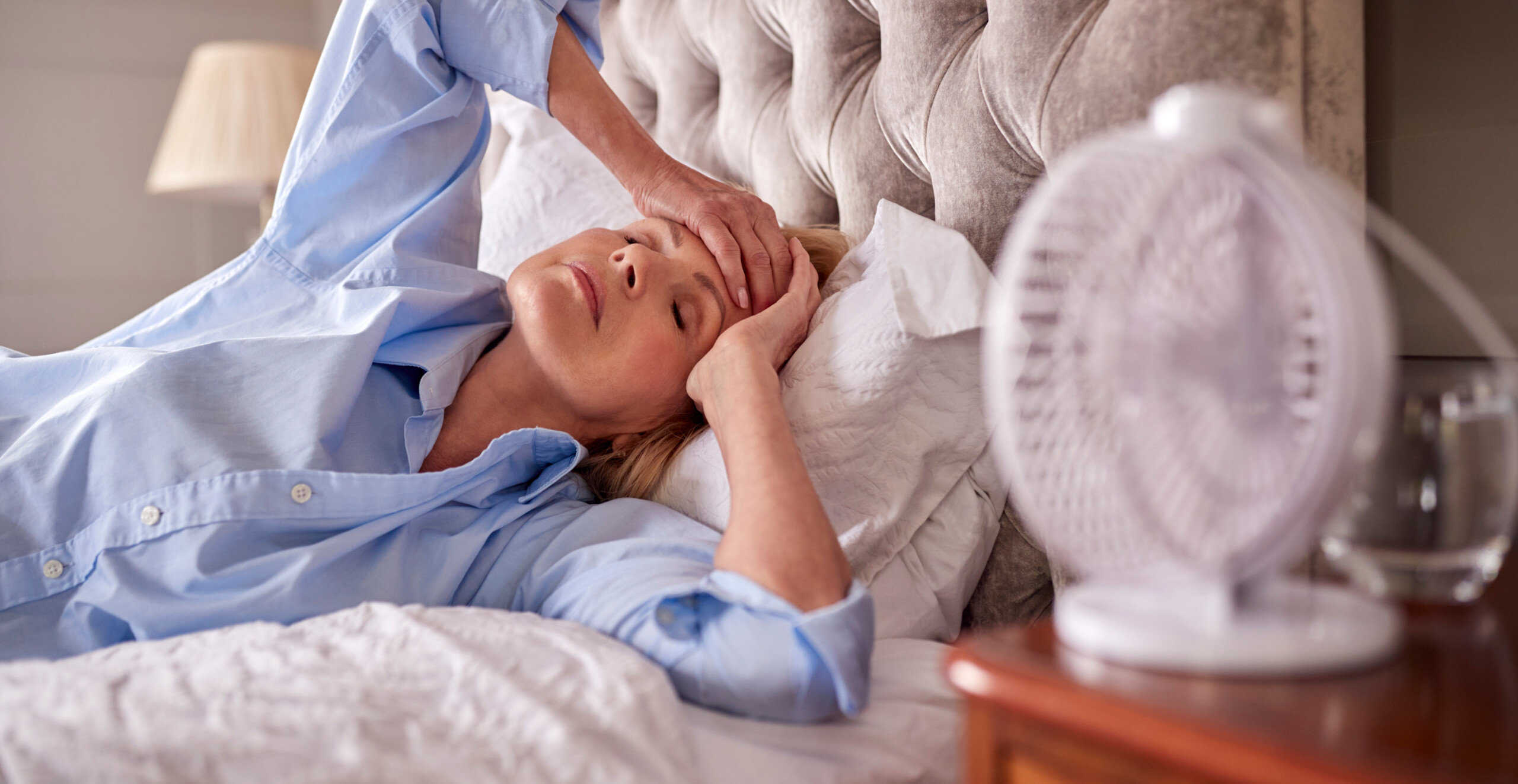
Menopause is a natural phase in a woman’s life that marks the end of her reproductive years, but it often brings changes that can disrupt normal sleep patterns. As hormone levels shift, many women begin to notice that falling asleep or staying asleep becomes more difficult than before.
One of the main reasons for this is the decline in estrogen and progesterone, which play important roles in regulating sleep. These hormonal changes can lead to symptoms such as hot flashes and night sweats, causing frequent awakenings and discomfort during the night.
In addition to physical symptoms, menopause can also affect emotional well being. Increased stress, anxiety, and mood swings can make it harder for the mind to relax, further contributing to poor sleep quality and fatigue during the day.
Over time, lack of proper rest can impact overall health, energy levels, and productivity. This is why it is important to understand the root causes of sleep disturbances during menopause and take steps to manage them effectively.
In this article, we will explore how menopause affects sleep, the common causes of sleep problems, and practical ways to improve sleep quality through lifestyle changes, diet, relaxation techniques, and medical support when necessary.
Menopause Impact on Sleep
Menopause significantly affects sleep due to the natural decline in hormones such as estrogen and progesterone. These hormones help regulate the body’s sleep cycle and promote relaxation, so when their levels drop, many women begin to experience difficulty falling asleep or staying asleep. This disruption can make nights feel longer and less restful than before.

Another major factor is the physical and emotional changes that come with menopause. Symptoms like hot flashes and night sweats can wake you up suddenly, while stress, anxiety, and mood changes can keep your mind active when it should be winding down. Together, these factors lead to poor sleep quality and increased daytime fatigue.
Recommended: Natural Remedies for Menopause Brain Fog
Key impacts of menopause on sleep include:
- Frequent night awakenings: Hot flashes and night sweats can cause you to wake up multiple times during the night, interrupting deep sleep.
- Difficulty falling asleep: Hormonal changes and an overactive mind can make it harder to relax and drift off at bedtime.
- Insomnia: Some women experience ongoing trouble with falling or staying asleep, leading to chronic sleep disruption.
- Mood disturbances: Anxiety, irritability, and emotional changes can interfere with the ability to achieve restful sleep.
- Changes in sleep patterns: Menopause can alter the body’s natural sleep cycle, causing earlier wake times or irregular sleep habits.
- Reduced sleep duration: Frequent interruptions and early waking can shorten the total amount of sleep you get each night.
- Daytime fatigue: Poor sleep quality often results in tiredness, low energy, and difficulty concentrating during the day.
Common Sleep Problems During Menopause
During menopause, many women experience a variety of sleep disturbances that affect both physical and mental well being. Hormonal fluctuations, physical discomfort, and emotional changes all play a role in disrupting normal sleep patterns. Identifying these common problems can help women take steps to improve sleep quality during this phase of life.
1. Insomnia
Insomnia is a frequent issue during menopause, where women have difficulty falling asleep or staying asleep throughout the night. The decline in estrogen and progesterone can disrupt the body’s natural sleep cycle, while stress and anxiety related to life changes can make it even harder to relax and drift off. Over time, chronic insomnia can lead to fatigue, irritability, and reduced cognitive function during the day.
2. Night Sweats and Hot Flashes
Hot flashes and night sweats are sudden episodes of intense heat that often occur at night, causing sweating, discomfort, and frequent awakenings. These symptoms can interrupt deep sleep stages, preventing restorative rest and leaving women feeling tired and drained in the morning. Night sweats can also make it difficult to maintain a comfortable bedroom temperature, further disturbing sleep.
3. Frequent Awakenings
Even minor disturbances can become more disruptive during menopause. Women may wake up multiple times during the night due to temperature changes, discomfort, or bathroom visits. These interruptions fragment sleep, preventing progression into deep sleep stages and reducing overall sleep quality.
Recommended: When Does Menopause Brain Fog End?
4. Restless Sleep

Menopause can increase restlessness during the night, with tossing and turning or an inability to find a comfortable position. This may be caused by joint pain, muscle aches, or heightened anxiety. Restless sleep reduces the time spent in deep sleep, which is crucial for physical recovery and mental rejuvenation.
5. Early Morning Waking
Many women find themselves waking earlier than usual during menopause and struggling to return to sleep. Hormonal changes can shift the body’s internal clock, making early waking more common. This leads to shorter total sleep duration and can exacerbate daytime fatigue, mood swings, and concentration difficulties.
6. Mood-Related Sleep Issues
Emotional changes during menopause, including anxiety, irritability, and mild depression, can interfere with sleep quality. Racing thoughts or worry at night make it harder to fall asleep or stay asleep. Over time, poor sleep can worsen mood disturbances, creating a cycle of emotional and sleep-related challenges.
7. Sleep Apnea or Snoring
Hormonal fluctuations may increase the risk of sleep apnea or worsen existing snoring problems. Sleep apnea, characterized by pauses in breathing during sleep, can severely disrupt the sleep cycle and reduce oxygen levels in the body. Women with undiagnosed sleep apnea may experience excessive daytime sleepiness, headaches, and increased cardiovascular risk.
Recommended: Easy Meal Prep for Menopause
How to Improve Sleep Quality During Menopause
Improving sleep quality during menopause requires a combination of lifestyle adjustments, stress management, and attention to physical health. By understanding the factors that disrupt sleep and taking proactive steps, women can achieve more restful nights and better overall well being.
1. Maintain a Consistent Sleep Schedule
Going to bed and waking up at the same time every day helps regulate the body’s internal clock. Even on weekends, sticking to a routine can improve sleep quality and make it easier to fall asleep naturally.
2. Create a Sleep-Friendly Environment
A cool, dark, and quiet bedroom promotes better sleep. Using breathable bedding, blackout curtains, and white noise machines can minimize disruptions caused by night sweats, light, or external noise.
3. Manage Hot Flashes and Night Sweats
Wearing lightweight, moisture-wicking sleepwear and keeping a fan or cooling device nearby can help control body temperature at night. Avoiding spicy foods, caffeine, and alcohol in the evening may also reduce the frequency of hot flashes.
4. Incorporate Relaxation Techniques

Practices such as deep breathing, meditation, gentle yoga, or stretching before bedtime can calm the mind and prepare the body for sleep. Journaling or listening to calming music may also help reduce anxiety and promote relaxation.
Recommended: 10-Minute Daily Menopause Morning Routine
5. Exercise Regularly
Engaging in moderate physical activity during the day can improve sleep quality and reduce stress. However, avoid vigorous exercise close to bedtime, as it may increase alertness and make it harder to fall asleep.
6. Watch Diet and Nutrition
Consuming sleep-friendly foods like magnesium-rich nuts, whole grains, and herbal teas can promote relaxation. Limit heavy meals, caffeine, and alcohol in the evening, as these can interfere with sleep onset and increase nighttime awakenings.
.Consider Natural Remedies or Supplements
Herbal options like chamomile, valerian root, or lavender may support sleep, while supplements such as magnesium or melatonin can help regulate sleep cycles. Always consult a healthcare professional before starting any new supplement.
When to See a Doctor
While some sleep changes are normal during menopause, it’s important to consult a doctor if issues become persistent or severe. You should consider seeing a healthcare professional if:
- Your sleep problems continue for weeks or months despite lifestyle adjustments.
- You experience severe or frequent night sweats and hot flashes that regularly disrupt sleep.
- You feel excessively tired or sleepy during the day, making it hard to concentrate or function.
- You snore heavily, gasp for air, or have pauses in breathing, which may indicate sleep apnea.
- Mood changes such as anxiety, depression, or irritability are worsening alongside sleep problems.
- Existing medical conditions like diabetes, heart disease, or high blood pressure are being aggravated by poor sleep.
Seeing a doctor early can help identify underlying causes and provide safe, effective solutions tailored to your needs.
Conclusion
Sleep disturbances are a common challenge during menopause, caused by hormonal changes, physical symptoms, and emotional fluctuations. While these issues can affect daily life, there are many practical strategies to improve sleep quality, including maintaining a consistent routine, creating a sleep-friendly environment, managing hot flashes, practicing relaxation techniques, and paying attention to diet and exercise.
It is important to remember that persistent or severe sleep problems should not be ignored. Seeing a doctor can help find the root causes of your problems and give you effective treatments that will help both your body and mind. Women can get better sleep and stay healthier during this time of life by learning how menopause affects sleep and taking steps to improve it.