

PMS mood swings is a common emotional challenge many women experience in the days leading up to their menstrual period. These mood swings can make you irritable, sad, anxious, unmotivated, and emotionally sensitive. These changes can make it harder to do everyday things and get along with others. Many women prefer natural and lifestyle-based methods that help them keep their emotions in check without relying on drugs, even though medication is often used to treat these symptoms.
In this article, we will talk about what causes PMS mood swings, how hormonal changes affect emotions, and how to deal with these symptoms without taking medication. The goal is to give people simple, effective, and long-lasting ways to keep their mental and emotional health stable during their periods.
Understanding PMS Mood Swings
PMS mood swings are changes in a woman’s mood that happen in the days before her period. These changes are mostly due to changes in hormones, especially the rise and fall of progesterone and oestrogen.
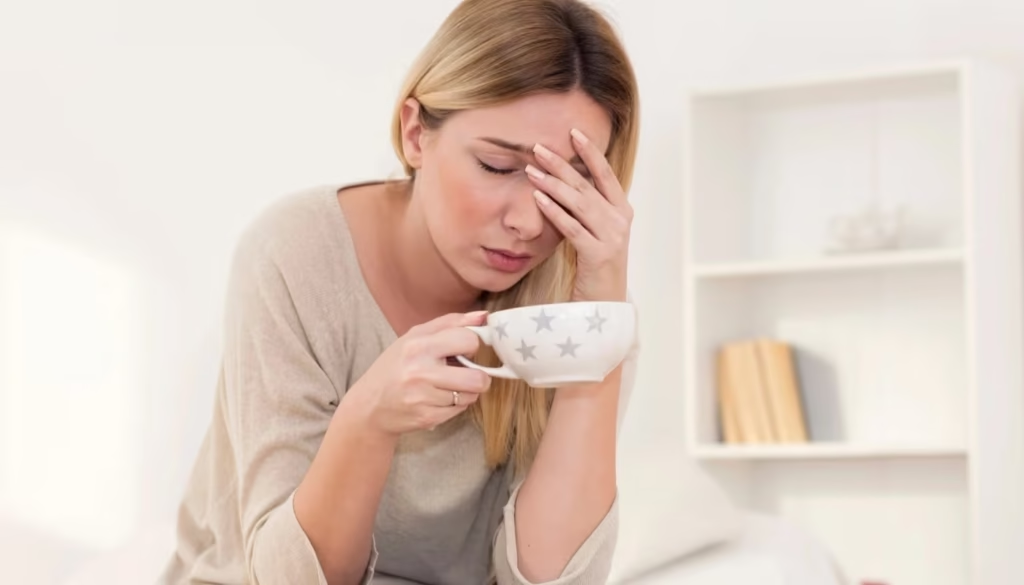
These hormones get the body ready for menstruation, but they also change the levels of mood-regulating brain chemicals like serotonin and dopamine. This can make you feel irritable, sad, anxious, or frustrated.
Recommended: Natural Remedies for PMS Mood Swings
People with PMS have different emotional symptoms, but common ones are sudden anger, mood swings, crying, and trouble focussing. The first step to dealing with these patterns is to notice them.
By understanding why PMS affects your emotions, you can take proactive steps to reduce the intensity of mood swings and maintain emotional balance throughout your cycle.
Common Emotional Symptoms of PMS
PMS can affect emotions in many ways, and symptoms vary in intensity from person to person. Some of the most common emotional symptoms include:
- Irritability and Anger: Feeling easily annoyed or frustrated over small issues.
- Sadness or Tearfulness: Experiencing sudden bouts of sadness or crying without a clear reason.
- Anxiety or Nervousness: Feeling tense, worried, or on edge more than usual.
- Mood Swings: Rapid changes in emotions, going from happy to upset quickly.
- Low Motivation or Fatigue: Struggling to focus, feeling tired, or lacking interest in usual activities.
- Emotional Sensitivity: Overreacting to situations that normally would not affect you.
- Restlessness: Feeling unable to relax or calm your mind.
- Irrational Thoughts or Overthinking: Becoming easily worried or dwelling on minor issues.
- Social Withdrawal: Wanting to avoid friends, family, or social situations.
- Loss of Confidence: Feeling unusually insecure or self-critical.
- Decreased Interest in Hobbies: Losing pleasure in activities you normally enjoy.
- Feelings of Hopelessness or Guilt: Experiencing excessive guilt or pessimism over minor matters.
Knowing these signs can help you understand how your body feels and how to deal with mood swings naturally. Keeping a journal or tracking your cycle can help you better predict and deal with these emotional changes.
Reommended: Best Supplements to Regulate Hormones for Spotting
How to Manage PMS Mood Swings Without Medication
To deal with PMS mood swings naturally, you need to change your eating habits, manage your stress, and be aware of your emotions. Here are some good ways to deal with emotional symptoms without relying on medication:
1. Maintain a Healthy Lifestyle
- Prioritize Sleep: Getting 7 to 9 hours of quality sleep helps regulate mood and reduce irritability.
- Exercise Regularly: Physical activity releases endorphins, natural mood boosters, which can help alleviate anxiety, sadness, and tension.
- Stick to a Routine: Keeping a consistent daily schedule for meals, sleep, and activity stabilizes hormones and supports emotional balance.
2. Eat a Mood-Supporting Diet
- Include Nutrient-Rich Foods: Foods high in magnesium, vitamin B6, omega-3 fatty acids, and complex carbohydrates can help reduce PMS symptoms.
- Avoid Sugar and Processed Foods: High sugar intake can worsen mood swings and energy fluctuations.
- Stay Hydrated: Drinking enough water reduces bloating and fatigue, which can positively impact mood.
3. Manage Stress Effectively

- Practice Relaxation Techniques: Deep breathing, meditation, and yoga can calm the nervous system and reduce irritability.
- Journal Your Emotions: Writing down feelings helps release negative emotions and increases self-awareness.
- Engage in Mindfulness: Focusing on the present moment can reduce anxiety and prevent overthinking.
4. Use Natural Remedies
- Herbal Teas: Chamomile, peppermint, and ginger teas may help soothe nerves and calm mood swings.
- Aromatherapy: Essential oils such as lavender or bergamot can promote relaxation and emotional balance.
- Heat Therapy: Warm baths or heating pads can relax tense muscles and reduce physical discomfort, indirectly improving mood.
5. Emotional Awareness and Support
- Track Your Cycle: Knowing when symptoms typically occur allows you to prepare emotionally and make adjustments in your schedule.
- Communicate with Loved Ones: Sharing your feelings with friends or family can reduce stress and provide emotional support.
- Practice Self-Compassion: Accepting that mood swings are part of your cycle can reduce guilt and frustration.
Recommended: Diet and Lifestyle Changes to Help with PMDD Symptoms
You can naturally and effectively control PMS mood swings by using these methods together. You can have more control over your mood swings without taking medicine if you develop consistent habits and learn how your body works.
Lifestyle Habits That Worsen PMS Mood Swings
Some daily habits can make mood swings related to PMS worse without meaning to by messing with hormones, blood sugar levels, and emotional control. Recognising and modifying these habits can greatly enhance emotional well-being during the premenstrual phase.
1. Excessive Caffeine Intake
Drinking a lot of caffeine can make you more anxious, irritable, and restless. It also makes it harder to sleep well, which makes PMS symptoms worse.
2. High Sugar and Refined Carbohydrate Diets
Refined carbs and sugary snacks make your blood sugar levels go up and down quickly, which makes you tired, moody, and irritable during PMS.
3. Skipping Meals or Irregular Eating Patterns
Not eating regularly can lower blood sugar levels, which can cause headaches, mood swings, and stronger emotional reactions, especially during the luteal phase.
4. Lack of Physical Activity
A sedentary lifestyle reduces the release of endorphins, the body’s natural mood enhancers, making stress and low mood more pronounced during PMS.
5. Poor Sleep Habits
Inadequate or inconsistent sleep disrupts cortisol and serotonin levels, increasing emotional reactivity, anxiety, and feelings of overwhelm before menstruation.
6. High Stress and Overworking
Chronic stress elevates cortisol, which can interfere with progesterone balance and intensify mood swings, irritability, and emotional exhaustion.
7. Excessive Alcohol Consumption
Alcohol can worsen depression and anxiety, disrupt sleep, and deplete nutrients like magnesium and B vitamins that are essential for mood regulation.
Recommended: Best Vitamins to Regulate Menstrual Cycle
8. Emotional Suppression
Ignoring or suppressing emotions instead of acknowledging them can lead to emotional outbursts and increased sensitivity during PMS.
9. Overuse of Screens and Social Media

Excessive screen time, especially before bed, interferes with melatonin production and increases mental overstimulation, contributing to irritability and poor sleep.
10. Lack of Routine or Structure
An unbalanced daily routine can increase stress and emotional unpredictability, making PMS mood symptoms feel more intense and harder to manage.
Long-Term PMS Mood Management
To effectively deal with PMS mood swings, you need to do more than just get through each day. You also need to develop long-term habits that help keep your hormones and emotions in balance. Over time, sticking to a healthy diet, managing stress, and living a healthy lifestyle can make mood swings less severe.
- Develop Sustainable Habits: Regular exercise, a balanced diet, adequate sleep, and stress reduction techniques work best when practiced consistently throughout the month, not just during PMS.
- Track Your Cycle: Monitoring your menstrual cycle over several months helps identify patterns in mood changes. This allows you to plan self-care strategies and adjust your schedule to avoid unnecessary stress during high-symptom days.
- Address Stress Proactively: Chronic stress can worsen PMS symptoms, so maintaining mindfulness practices, journaling, or relaxation routines year-round strengthens emotional resilience.
- Seek Professional Guidance When Needed: If mood swings become severe or interfere with daily life, consulting a healthcare professional or counselor can help identify underlying issues and provide additional non-medication strategies.
Recommended: Does Sex Affect Periods?
By focusing on long-term strategies, women can gain greater control over PMS mood swings, improve overall emotional well-being, and feel more empowered during their menstrual cycles.
Conclusion
Many women have mood swings during their periods, but they can still be hard to deal with. The first step to taking charge of your health is to learn about the emotional and hormonal changes that happen during PMS. You can lessen the severity of mood swings without using medication by making changes to your daily routine, such as getting enough sleep, exercising regularly, and eating a balanced diet. You can also learn how to deal with stress, use natural remedies, and be more aware of your emotions.
Keeping track of your cycle, being kind to yourself, and getting help from loved ones can all help you get through emotionally tough days. If your symptoms are severe or last a long time, talking to a doctor will make sure you get the right care for your needs.
You can naturally manage your PMS mood swings by sticking to healthy habits and being proactive. This will help you keep your emotional balance and improve your quality of life during your period.