
Pearly Penile Papules (PPP) are small, harmless bumps that usually show up in one or more rows around the head of the penis. They are a normal difference in anatomy and are not caused by bad hygiene, an infection, or a sexually transmitted disease. A lot of men find them at some point and get worried about how they look, especially if they’ve never seen or heard of them before.
Although Pearly penile papules (PPP) are completely benign, they are often mistaken for other conditions such as genital warts, which can lead to unnecessary fear and confusion. This misunderstanding pushes many people to search for quick solutions or home remedies to get rid of them. Unfortunately, much of the information available online can be misleading or unsafe.
The desire to remove Pearly penile papules (PPP) is usually driven by cosmetic concerns or anxiety rather than any medical need. While it is understandable to want clear skin, attempting to remove these bumps at home can result in irritation, infection, or scarring. It is important to understand the risks before considering any form of treatment.
In this article, we will explain what pearly penile papules are, why they occur, whether they are dangerous, the risks of trying to remove them at home, and the safe medical options available for those who wish to get rid of them.
What Are Pearly Penile Papules (PPP)?
Pearly penile papules (PPP) are small, smooth, dome-shaped bumps that typically appear in one or more rows around the edge of the head of the penis. They are usually flesh-colored, white, or slightly pink and are often arranged in a symmetrical pattern, which makes them easy to distinguish from other skin conditions.
Pearly penile papules (PPP) are a completely normal anatomical variation and are not caused by infection, poor hygiene, or sexual activity. They are not contagious and cannot be spread to a partner. In fact, they are quite common, especially in young men, though many people are unaware of them until they notice the bumps themselves.
Recommended: Can You Leave a Penile Implant Partially Inflated?
People often think these papules are sexually transmitted infections like genital warts, which can make them worry for no reason. But PPP does not grow in strange ways, hurt, or change over time like warts do. They stay safe and stable, so they do not hurt your health in any way.
Pearly penile papules do not need treatment because they are not harmful. Most of the time, people decide to have them removed for cosmetic reasons rather than medical ones. Before thinking about any kind of treatment, it is always best to get a proper diagnosis from a doctor.
Are Pearly Penile Papules (PPP) Dangerous or Contagious?
Pearly penile papules (PPP) are not dangerous in any way. They are a completely harmless skin variation that occurs naturally in some men. These small bumps do not interfere with normal body functions and are not linked to any underlying disease or health condition.
In addition to being harmless, PPP do not cause any physical discomfort. They are not associated with pain, itching, swelling, or irritation. Most people who have them only become concerned because of how they look, not because of any symptoms they experience.
PPP are also not contagious. They cannot be spread through sexual activity, close physical contact, or sharing personal items. This means that there is no risk of passing them on to a partner, which helps to eliminate a common fear associated with their appearance.
The fact that PPP and some sexually transmitted infections, especially genital warts, are so similar is a big reason why people are confused. But PPP are not caused by viruses or bacteria, and they do not act like infections. They usually show up in neat, symmetrical rows and stay that way over time.
Because pearly penile papules are both harmless and non contagious, they do not require any form of medical treatment. Most healthcare professionals advise leaving them alone, unless removal is desired for cosmetic reasons and done safely under medical supervision.
Can You Remove Pearly Penile Papules (PPP) at Home?
Pearly penile papules (PPP) cannot be safely or effectively removed at home. Although many people look for quick or natural remedies online, there is no scientifically proven home treatment that can eliminate PPP without risk. These papules are a normal skin variation, not an infection or disease, so they do not respond to creams, herbal mixtures, or over the counter products.
People sometimes try to get rid of the bumps at home by using harsh chemicals, oils, or toothpaste, or by trying to scrape or cut them off. These methods are not safe and could easily hurt the sensitive skin in the genital area. Instead of getting rid of PPP, they often make it worse by causing irritation, burns, or infections.
Recommended: How to Find a Specialist for a Rare Genital Pain Disorder
It is also important to understand that attempting DIY removal can make the appearance worse. The skin may become inflamed or scarred, which can draw more attention than the original papules themselves. In some cases, complications from home treatment can lead to long term skin damage.
Disadvantages of Trying to Remove Pearly Penile Papules (PPP) at Home
1. Risk of Infection
Attempting to remove PPP using unsterile tools or unsafe substances can introduce bacteria into the skin. This may lead to infections that cause swelling, pus formation, pain, and in severe cases, require antibiotics or medical intervention. The genital area is especially sensitive, so infections can spread quickly if not properly treated.
2. Permanent Scarring
Cutting, scraping, or burning the skin to remove something yourself can cause permanent damage. Once scarring happens, it may be permanent and leave marks that are more noticeable and harder to treat than the original papules. Scars in this area may also change the texture of the skin for good.
3. Pain and Irritation
The genital region contains many nerve endings, making it highly sensitive. Home removal attempts can cause significant pain, burning sensations, redness, and prolonged irritation. Even mild chemical exposure can lead to discomfort that lasts for days or weeks.
4. Worsening of the Condition
Instead of improving appearance, unsafe methods can trigger inflammation and swelling, making the bumps appear larger or more irregular. In some cases, the skin may react negatively and develop additional bumps or uneven texture.
5. No Guaranteed Results
There is currently no medically proven home remedy that can remove PPP effectively. Many over the counter products or natural remedies are ineffective, leading to repeated failed attempts and frustration. This often results in wasted time and money.
6. Misdiagnosis Risk
Many people mistake other conditions such as genital warts or skin infections for PPP. Treating the wrong condition at home can delay proper diagnosis and may allow a more serious issue to worsen without appropriate care.
7. Damage to Sensitive Tissue
The penile skin is thin and delicate. Harsh chemicals, friction, or physical trauma can cause long term damage, including reduced elasticity, dryness, or changes in skin sensitivity. This can affect both comfort and confidence.
8. Delayed Proper Medical Treatment
Relying on home remedies often delays visiting a qualified healthcare provider. This can prolong anxiety and may complicate future treatment options if the area becomes damaged or inflamed from repeated attempts.
9. Psychological Stress and Anxiety
Failed home treatments can increase worry, embarrassment, and stress. Instead of improving confidence, it may worsen body image concerns and create unnecessary emotional distress.
Recommended: Will Pelvic Floor Therapy Help with Hard Flaccid?
10. Increased Risk of Complications
Some unsafe methods can lead to complications such as bleeding, allergic reactions, or secondary infections. These complications may require urgent medical attention and more intensive treatment than the original condition would have needed.
Safe and Effective Medical Treatments for Pearly Penile Papules (PPP)
Pearly penile papules (PPP) do not require treatment since they are harmless and not a medical condition. However, for individuals who feel uncomfortable with their appearance, there are safe and effective medical options available. These treatments are carried out by qualified healthcare professionals, usually dermatologists or urologists, to ensure safety and proper results.
1. Laser Therapy
Laser treatment is one of the most commonly used and effective methods for removing PPP. It works by precisely targeting and removing the papules without damaging surrounding skin. Studies show that laser procedures often provide excellent cosmetic results with minimal complications when performed by trained specialists. Healing is usually quick, and results are typically permanent.
2. Electrosurgery (Electrocautery or Electrodessication)
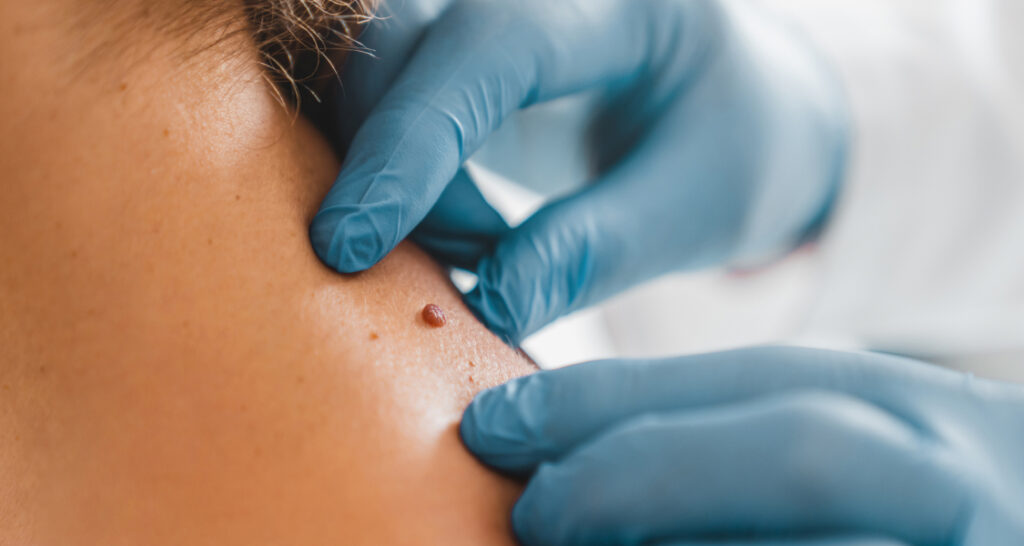
This method uses controlled electrical energy to carefully burn and remove the papules. A numbing cream is usually applied before the procedure to reduce discomfort. Electrosurgery is fast and effective, and it allows precise removal of each papule with minimal bleeding. When done properly, recovery is smooth, although mild redness or swelling may occur for a short time.
3. Cryotherapy (Freezing Treatment)
Cryotherapy involves using extremely cold substances, such as liquid nitrogen, to freeze and destroy the papules. It is less commonly used compared to laser treatment but can still be effective in some cases. The procedure may require multiple sessions, and temporary skin irritation or light pigmentation changes can occur during healing.
4. Professional Surgical or Ablation Techniques
In some cases, minor surgical removal or specialized ablation techniques may be used, especially for larger or persistent papules. These methods are performed under strict medical conditions to ensure safety and reduce the risk of scarring. Proper aftercare is important for smooth healing and best cosmetic outcomes.
Recommended: Why Is My Penis Head Losing Sensitivity?
When Should You See a Doctor?
It is important to understand that pearly penile papules (PPP) are harmless and often do not require any medical treatment. However, seeing a doctor is the best way to confirm the diagnosis and make sure the bumps are not caused by another condition.
You should see a doctor in the following situations:
- When you are not sure whether the bumps are PPP or another condition.
- When the bumps are new and you are seeing them for the first time.
- When the bumps change in size, shape, color, or number over time.
- When you experience symptoms like pain, itching, burning, or discomfort.
- When there is discharge, bleeding, or any unusual fluid coming from the area.
- When the bumps spread quickly or appear in unusual patterns.
- When you suspect a sexually transmitted infection.
- When home treatments have caused irritation, burns, or damage.
- When the appearance of the bumps is causing anxiety or affecting your confidence.
- When you simply want a confirmed diagnosis and professional reassurance.
Frequently Asked Questions About Pearly Penile Papules (PPP)
1. What are pearly penile papules (PPP)?
Pearly penile papules are small, harmless, dome-shaped bumps that appear around the head of the penis. They are a normal skin variation and not a disease or infection.
2. Are PPP sexually transmitted?
No, PPP are not sexually transmitted. They are not caused by bacteria, viruses, or sexual contact, and they cannot be passed to another person.
3. Do PPP go away on their own?
PPP usually do not go away on their own. However, they are harmless and often remain stable throughout life without causing any health problems.
4. Can PPP turn into cancer or cause health issues?
No, PPP do not turn into cancer and are not linked to any serious health condition. They are purely cosmetic and medically harmless.
5. How can I tell the difference between PPP and genital warts?
PPP are usually smooth, uniform, and arranged in neat rows around the head of the penis. Genital warts, on the other hand, are irregular, may grow in clusters, and are caused by a virus.
6. Can I remove PPP at home?
No, home removal methods are not safe and can cause infection, scarring, or skin damage. Medical treatments performed by professionals are the only safe option for removal.
7. What is the best treatment for PPP?
If treatment is desired, medical procedures like laser therapy or electrosurgery performed by a qualified doctor are considered the most effective and safe options.
8. Do PPP affect sexual performance?
No, PPP do not affect sexual performance, fertility, or sexual health in any way. They are purely cosmetic and do not interfere with function.
Conclusion
Pearly penile papules (PPP) are a harmless and natural variation of the skin that many men may notice at some point in their lives. Although they can sometimes cause concern due to their appearance, it is important to understand that they are not an infection, not sexually transmitted, and not a threat to health.
While there are many unsafe home remedies suggested online, attempting to remove PPP at home can lead to complications such as infection, scarring, and irritation. These risks often outweigh any cosmetic concerns and can make the situation worse.
Safe and effective medical treatments, such as laser therapy and electrosurgery, are available for those who choose to remove them. However, treatment is optional and mainly for cosmetic or personal comfort reasons rather than medical necessity.