

Painful intercourse after childbirth becomes a common concern for many new mothers who feel overwhelmed by the changes their bodies undergo. Discomfort during sex can result from hormonal shifts, vaginal dryness, muscle weakness, or healing from tears and stitches. Many women quietly struggle with these challenges, unsure of what is normal or when to seek help. Understanding the causes of postpartum pain allows new mothers to approach intimacy with more confidence and patience.
This topic affects both the physical and emotional well-being of a woman, influencing her comfort, confidence, and connection with her partner. Recognizing what counts as normal healing and what signals a deeper issue gives clarity during the vulnerable postpartum period.
Here, we will explore the reasons for painful intercourse after childbirth, how long discomfort may last, when pain becomes a concern, and practical ways to find relief.
Why Painful Intercourse Happens After Childbirth
Painful intercourse after childbirth occurs for several physical and hormonal reasons that affect many women during the postpartum period. The vagina, pelvic muscles, and surrounding tissues undergo significant stretching during labor, which often leads to temporary soreness. Vaginal tears, episiotomies, and stitches create sensitive areas that take time to heal. Even after the skin closes, the scar tissue may feel tight or tender, leading to pain during penetration. Women who delivered through a caesarean section may still experience discomfort due to pelvic floor strain or abdominal tension that affects sexual activity.

Hormonal changes also play a major role. Estrogen levels drop sharply after delivery, especially for breastfeeding mothers, which results in vaginal dryness, irritation, and reduced natural lubrication. This dryness increases friction and discomfort during sex.
Recommended: Dyspareunia vs. Vulvodynia: Is All Painful Intercourse the Same Condition?
Weak pelvic floor muscles add to the problem by reducing support for the vagina and surrounding organs, sometimes causing a heavy or aching sensation. Emotional factors such as fear, stress, fatigue, or anxiety from past birth experiences can intensify physical pain. All these factors together make painful intercourse a common postpartum experience that requires patience, support, and proper care.
How Long Does Painful Intercourse Typically Last?
After giving birth, the length of time that sex hurts varies a lot because each woman heals at her own pace. After the recommended six-week postpartum healing period, many women notice a big difference in how they feel within a few weeks. However, some women may still feel pain for several months.
The type of delivery, whether there are tears or an episiotomy, how deep the tears are, and the overall healing process all affect how long the pain may last. Women who have stitches or more serious tears often need more time before they can have sex again comfortably.
Hormones also change the time frame. Breastfeeding lowers oestrogen levels, which makes the skin drier and makes the discomfort last longer. Some women only feel pain during the first few times they have sex, while others may need more time as their bodies get used to it and the lubrication gets better.
Weak pelvic floor muscles can also make pain last longer until the muscles get stronger. Most of the time, the pain gets better over time as the body heals, but if the pain does not go away or gets worse after a few months, you should see a doctor.
Is Painful Intercourse After Childbirth Really Normal?
Yes, painful intercourse after childbirth is very common and considered a normal part of postpartum recovery for many women. During pregnancy and childbirth, the body goes through a lot of changes that can make sex uncomfortable for a short time. Vaginal tears, episiotomies, stitches, and stretched tissues take a while to heal. Women who have a caesarean section may still be in pain because their pelvic floor is strained, their hormones are changing, and they are more sensitive after giving birth.

Hormone levels, especially estrogen, drop significantly after childbirth and remain low during breastfeeding. This dries out the vagina, makes it less slippery, and makes sex hurt more. Stress, fear, worry, or being tired can also make things worse when you have sex for the first time after giving birth.
Recommended: Does Stomach Pain After Sex Mean You Are Pregnant?
Sex can hurt a lot in the first few months, but the pain should go away as the body heals. Talk to a doctor if you have pain that is very bad, lasts a long time, or gets worse over time. They can rule out infections, pelvic floor problems, or other underlying conditions.
How to Reduce Painful Intercourse After Childbirth
To make sex less painful after childbirth, you need to heal your body, comfort your mind, and make changes that help your body adjust to life after giving birth.
1. Give Your Body Enough Time to Heal
Tears, stitches, and stretched tissues take time to heal. Waiting until after your postpartum checkup lowers your chances of getting hurt or in pain. Every woman heals at a different rate, so it is important to be patient during this time.
2. Strengthen the Pelvic Floor Muscles
Kegels, or pelvic floor exercises, help tighten and support the muscles around the vagina. Stronger pelvic muscles make sex less painful, give you more control, and make it more comfortable.
3. Use Water-Based Lubricants
After giving birth, especially while breastfeeding, low oestrogen levels can make the vagina dry. A water-based lubricant makes penetration easier and more comfortable by reducing friction and irritation.To make sex less painful after giving birth, you need to heal your body, comfort your mind, and make changes that help your body heal after giving birth.
4. Take a Warm Bath Before Intimacy
Warm water relaxes tight muscles, makes blood flow better, and makes the area around the vagina less sensitive. This makes your body feel more relaxed and ready for sex.
5. Choose Comfortable Sexual Positions
Positions that allow you to control speed, angle, and depth help prevent pain. Being in control makes it easier to stop when discomfort arises and adjust to what feels best for your body.
Recommended: Why Do I Experience Lower Abdominal Pain After Sex?
6. Communicate Openly with Your Partner
Being honest about how comfortable you are, what scares you, and what your body can and can not do can help you relax. Having your partner understand and support you emotionally makes the experience less stressful and more fun.
7. Use Vaginal Moisturizers or Hormonal Creams
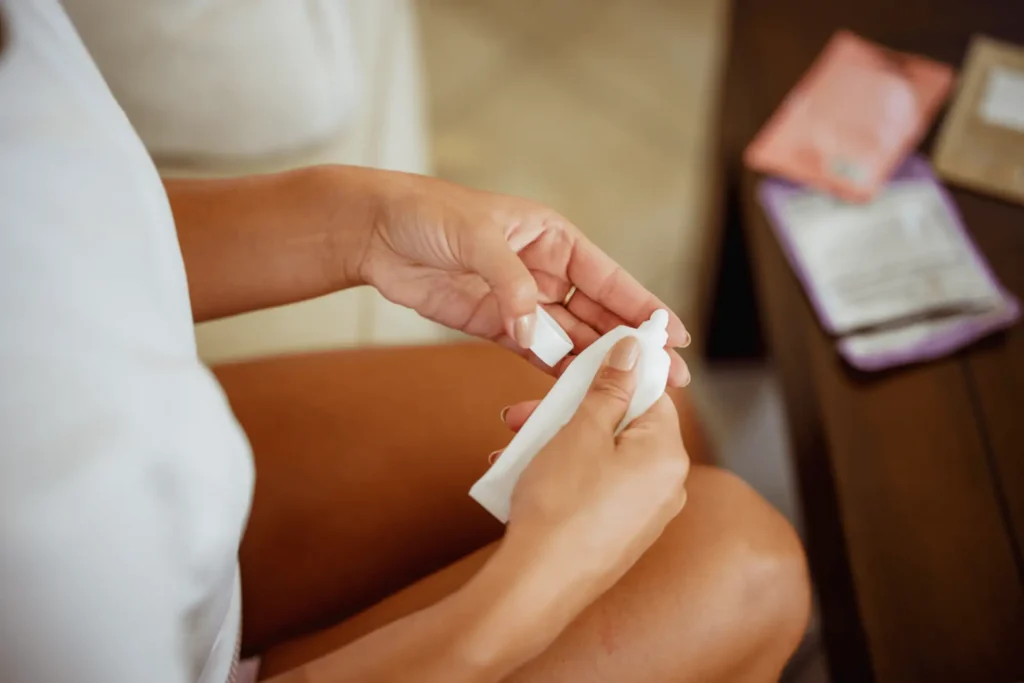
Moisturizers help with long-lasting dryness, while prescribed estrogen creams restore vaginal elasticity and lubrication. These options are helpful for women experiencing persistent dryness or irritation.
8. Try Gentle Stretching and Relaxation Techniques
Light stretching or breathing exercises help release pelvic tension. Relaxed muscles reduce the likelihood of pain during penetration.
9. Consider Pelvic Floor Physical Therapy
A pelvic floor therapist can help treat scar tissue pain, muscle tightness, or postpartum pelvic issues. Therapy strengthens and relaxes the muscles, improving sexual comfort over time.
10. Seek Medical Advice When Pain Persists
If pain lasts for more than few months, becomes severe, or includes bleeding or unusual discharge, a healthcare professional should evaluate the cause. Persistent pain may signal an infection, pelvic floor disorder, or other condition that needs treatment.
Recommended: Tracking Ovulation Pain to Increase Your Chances of Getting Pregnant
When to See a Doctor or Pelvic Floor Therapist
Knowing when to seek professional help is important, especially when painful intercourse does not improve with time or home care.
- See a doctor if pain persists for several months after childbirth without improvement.
- Seek medical attention if the pain becomes more severe or intense instead of gradually easing.
- Visit a doctor if sharp, burning, or deep pain occurs during intercourse.
- Consult a healthcare professional if unusual bleeding occurs during or after sex.
- Seek help if foul-smelling vaginal discharge is present.
- See a doctor if fever, swelling, or other signs of infection appear.
- Visit a doctor if there is a feeling of bulging or “something falling out” from the vagina.
- Seek medical advice if pain interferes with daily life or intimacy despite home remedies.
Conclusion
Painful intercourse after childbirth is a common experience that affects many women, both physically and emotionally. Changes in hormones, vaginal tissues, and pelvic floor muscles all contribute to discomfort, and healing takes time. Most women notice gradual improvement as the body recovers, especially with proper care, pelvic floor exercises, and open communication with their partner.
Persistent or severe pain, unusual bleeding, discharge, or other concerning symptoms should prompt a visit to a doctor or pelvic floor therapist. Women who have just had a baby can feel better about their sexual health again with time, support, and professional help when they need it. Knowing how the body normally heals and taking steps to help it do so can help restore intimacy in a safe and comfortable way.