
Bone health becomes a major concern for women during menopause because the natural decline in estrogen can lead to reduced bone density. This makes bones more fragile and increases the risk of fractures and osteoporosis. Maintaining strong bones during this stage of life is essential for overall mobility, independence, and long-term well-being.
Exercise plays a crucial role in supporting bone health. Simple activities like weight-bearing exercises, resistance training, and balance routines can help slow bone loss, improve muscle strength, and reduce the risk of falls. Even small, consistent efforts can make a significant difference in keeping bones strong and resilient during and after menopause.
Recommended: Strength Training vs Cardio for Menopause Bone Density
In this article, we will discuss simple exercises that support bone health in menopausal women, provide practical tips for staying safe while working out, and highlight lifestyle habits that complement physical activity.
Impact of Menopause on Bone Density
During menopause, the body undergoes a natural decline in estrogen, a hormone essential for keeping bones strong. Estrogen helps maintain a balance between the cells that build bone and the cells that break it down. When this hormone decreases, the balance shifts, causing bones to weaken over time.
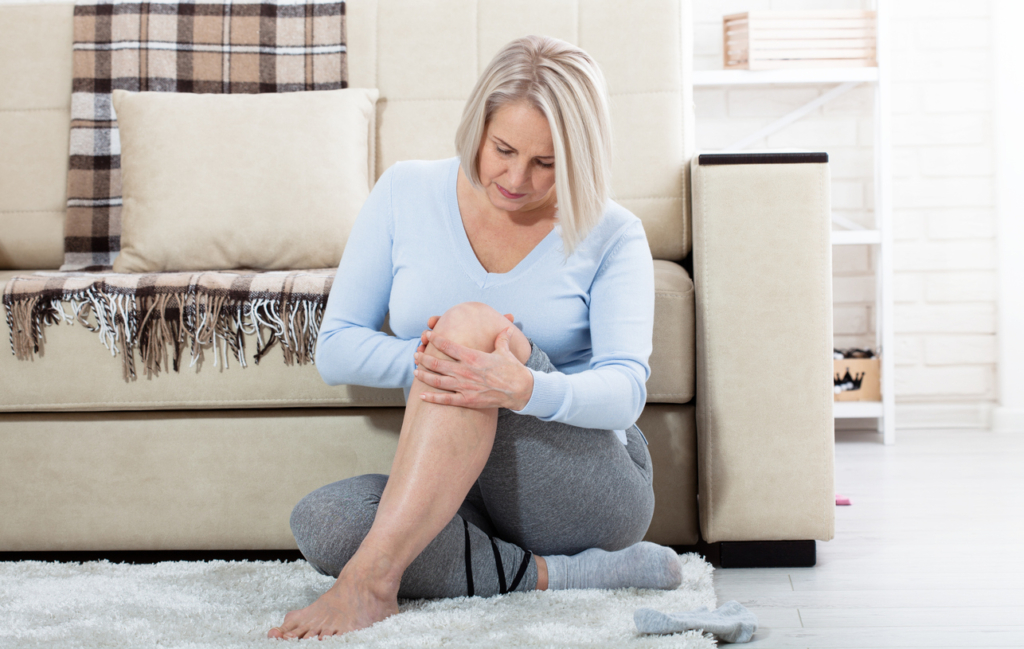
As bone breakdown accelerates, women may start losing bone density more quickly. This process can lead to osteopenia, which is mild bone thinning, and if left unchecked, it may progress to osteoporosis. Osteoporosis makes bones fragile and more prone to fractures, even from minor falls or injuries.
Recommended: 5 Cooling Yoga Poses for Menopausal Symptoms Instant Relief
The spine, hips, and wrists are the areas most affected by bone loss. Fractures in these areas can lead to reduced mobility, chronic pain, and a loss of independence. This makes early awareness and preventive measures crucial for menopausal women.
Besides fractures, decreased bone density can also affect posture and balance. Weak bones and muscles increase the risk of falls, which can further worsen bone health. Maintaining strength and stability becomes essential to reduce these risks.
Understanding how menopause impacts bone density highlights the importance of proactive steps. Proper nutrition, lifestyle choices, and regular exercise can help slow bone loss, protect overall health, and improve quality of life during this stage of life.
Why Bone Health Matters During Menopause
Bone health becomes especially important during menopause because the natural decline in estrogen can weaken bones. Strong bones are essential for maintaining mobility and performing daily activities safely. Without proper care, bones can become fragile and more prone to fractures.
Women in menopause are at a higher risk of developing osteopenia, which is mild bone thinning, and osteoporosis, a condition that makes bones extremely fragile. Fragile bones increase the likelihood of fractures, particularly in critical areas like the hips, spine, and wrists, which can affect independence and quality of life.
Maintaining bone strength supports posture, balance, and overall physical function. Along with a healthy diet and lifestyle, regular exercises that strengthen bones play a key role in reducing the risk of fractures and keeping women active, independent, and healthy during and after menopause.
Simple Exercises That Support Bone Health in Menopausal Women
Menopause can accelerate bone loss, making simple, consistent exercises crucial for maintaining bone strength and preventing fractures. The exercises below are easy to do at home or in a gym and focus on weight-bearing, resistance, and balance to support bone health.
1. Brisk Walking
Walking briskly is a low-impact, weight-bearing exercise that helps stimulate bone growth in the legs, hips, and spine. It also strengthens leg muscles and improves cardiovascular health. Start with 20 to 30 minutes a day, three to five times a week. You can increase intensity by walking uphill or adding small hand weights to challenge your muscles further.
Recommended: 10-Minute Daily Menopause Morning Routine
2. Stair Climbing
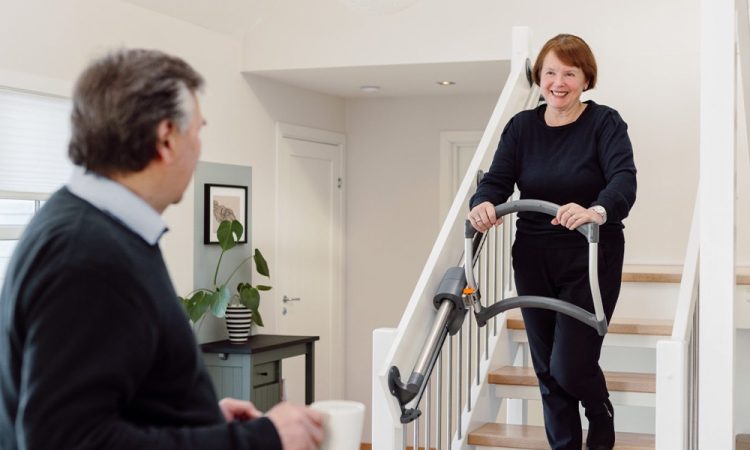
Climbing stairs engages the bones in the legs, hips, and lower spine while also improving balance and endurance. Even a few flights of stairs a day can make a difference. For beginners, start slowly and hold the handrail if needed. As strength improves, increase the number of flights or use stairs in intervals for added challenge.
3. Dancing
Dancing is a fun way to strengthen bones while improving coordination and balance. Styles like Zumba, low-impact aerobics, or even home freestyle dancing provide gentle weight-bearing stress on the hips, spine, and legs. Try dancing for 20 t0 30 minutes several times a week to combine enjoyment with bone protection.
4. Squats
Squats target the thighs, hips, and lower spine while also engaging core muscles for better posture. Stand with feet shoulder-width apart, lower your hips as if sitting on a chair, then rise back up slowly. Begin with 10 repetitions, gradually increasing to 15 to 20 as strength improves. Squats can also be done with a chair behind you for safety.
5. Lunges
Lunges strengthen leg and hip bones while improving balance and coordination. Step one foot forward, bend both knees to lower your body until the back knee nearly touches the floor, then return to standing. Alternate legs for 8 to 12 repetitions per side. Hold a wall or chair for support if needed to maintain stability.
6. Push-Ups
Push-ups help strengthen the arms, shoulders, chest, and upper spine, which supports bone health in the upper body. Beginners can modify by doing wall push-ups or knee push-ups. Aim for 8 to 15 repetitions per set, performing 2 to 3 sets depending on strength. Proper form is key to avoid strain.
Recommended: Easy Meal Prep for Menopause
7. Resistance Band Exercises
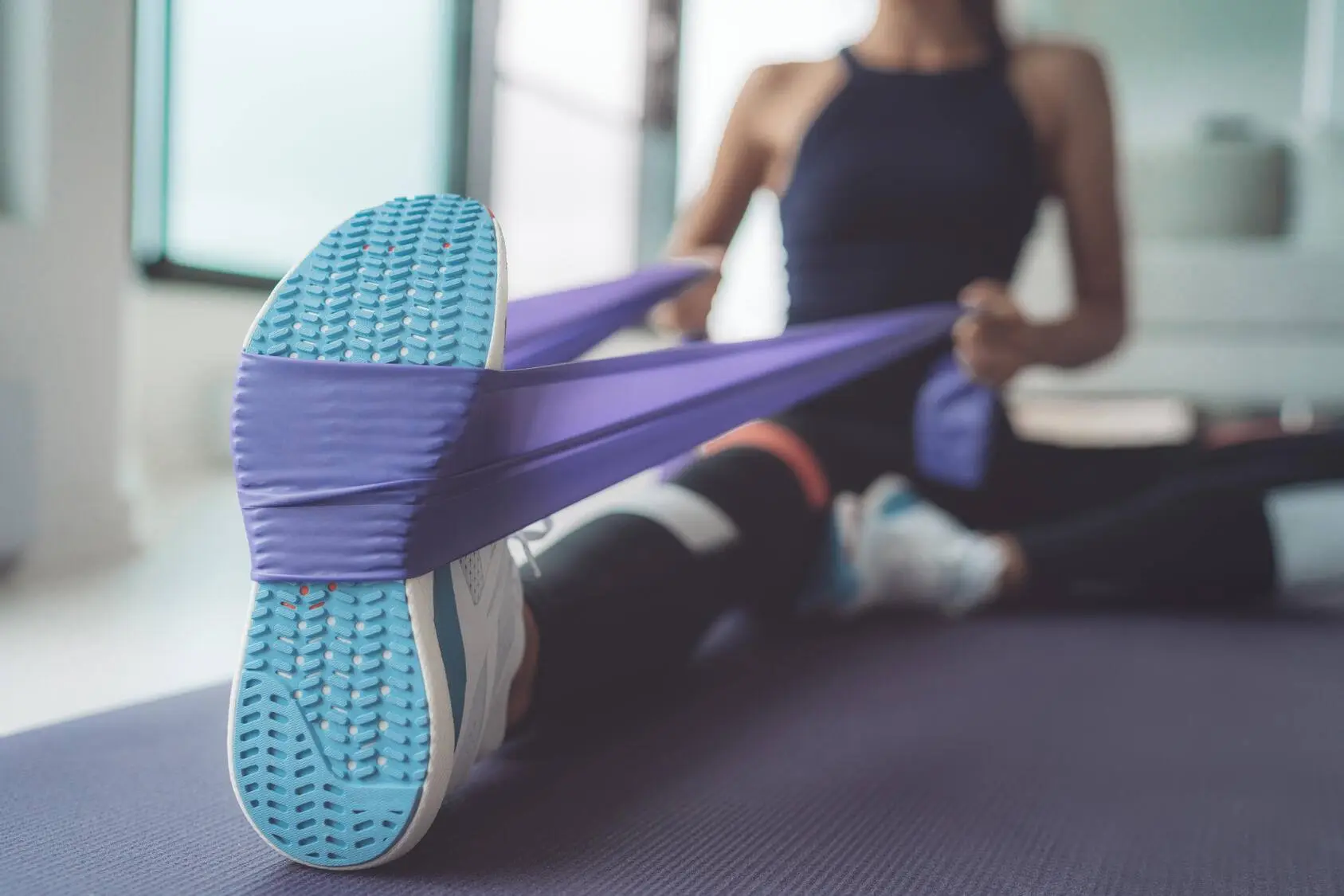
Resistance bands are excellent for safely building bone-supporting muscles. Exercises like bicep curls, shoulder presses, and seated rows target the upper body while placing gentle stress on bones to maintain density. Start with a light band, performing 10 to 15 repetitions per exercise, and gradually increase resistance.
8. Yoga
Yoga improves flexibility, balance, and posture while gently stimulating bones in the spine, hips, and legs. Poses like Warrior I, Warrior II, Tree Pose, and Downward Dog strengthen bones and muscles, reduce fall risk, and relieve joint stiffness. Practice 20 to 30 minutes several times a week, focusing on controlled movements.
9. Tai Chi
Tai Chi is a gentle, flowing exercise that enhances balance, coordination, and core strength. By improving stability, it reduces the risk of falls that could lead to fractures. Practice for 15 to 30 minutes a few times a week. Even slow movements create small but effective bone-strengthening stress over time.
10. Heel Raises
Heel raises strengthen the calves and improve balance, reducing the risk of falls. Stand with feet hip-width apart, slowly raise your heels off the floor, hold for a few seconds, then lower. Repeat 10 to 15 times per set, performing 2 to 3 sets daily. Heel raises are simple but highly effective for lower-leg bone and muscle health.
Practical Tips for a Safe Exercise Routine for Bone Health
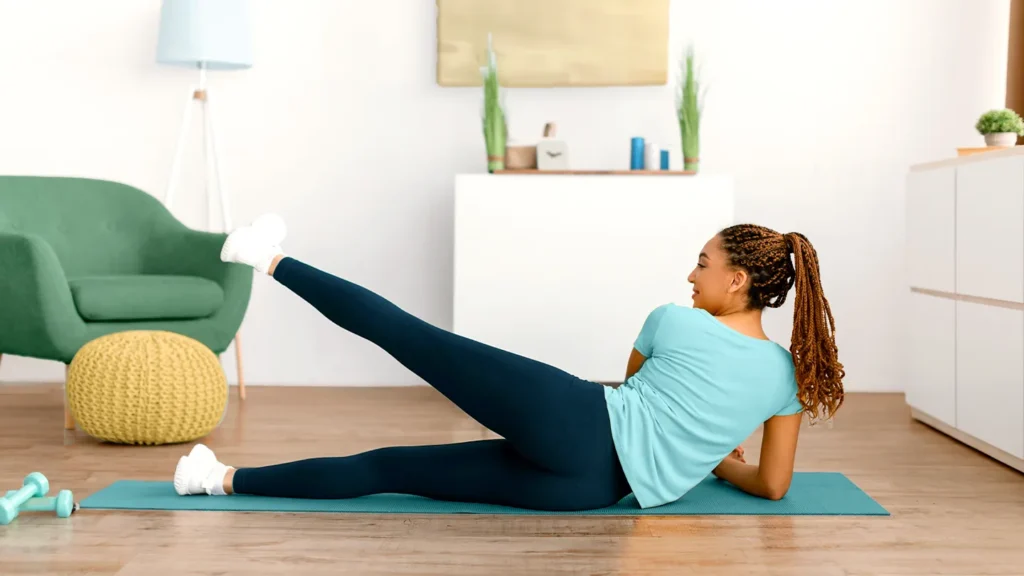
Exercising safely is crucial for menopausal women to strengthen bones while reducing the risk of injuries. These simple tips can help make your routine effective and sustainable.
Recommended: Natural Remedies for Menopause Brain Fog
- Start Gradually: Begin with shorter sessions of 10 to 15 minutes and slowly increase duration and intensity over time. Avoid pushing too hard at the beginning.
- Focus on Proper Form: Maintain controlled movements and correct posture during exercises like squats, lunges, and push-ups to prevent strain and maximize benefits.
- Use Supportive Equipment: Wear sturdy shoes, use yoga mats, and incorporate resistance bands or chairs for stability and comfort.
- Warm-Up and Cool-Down: Start with gentle movements to warm up muscles and end with stretching to reduce soreness and improve flexibility.
- Combine Exercise Types: Include weight-bearing, resistance, and balance exercises to target different bones and muscles for overall bone health.
- Be Consistent: Aim for at least 3 to 5 days of exercise per week. Short, regular sessions are more effective than occasional intense workouts.
- Listen to Your Body: Stop any exercise that causes pain, dizziness, or discomfort. Adjust exercises as needed to match your strength and balance.
- Seek Professional Guidance if Needed: Consult a doctor or physiotherapist before starting a new routine, especially if you have existing medical conditions or bone concerns.
When to Seek Professional Guidance
While exercise is important for maintaining bone health during menopause, certain situations require professional advice to ensure safety and effectiveness.
- If you have existing medical conditions such as osteoporosis, arthritis, heart problems, or recent fractures, consult a doctor before starting a new exercise routine.
- A physiotherapist or healthcare professional can help design a personalized exercise program that matches your bone health needs, fitness level, and mobility.
- Professionals can suggest modifications for specific exercises to reduce the risk of injury and make workouts safer.
- Regular check-ins with a healthcare provider allow you to monitor progress, adjust intensity, and prevent overexertion.
- If you experience persistent pain, dizziness, or balance problems during exercise, seek professional guidance to avoid complications.
Conclusion
Maintaining bone health during menopause is essential for staying strong, independent, and active. Simple exercises such as weight-bearing activities, resistance training, and balance routines can help slow bone loss, improve muscle strength, and reduce the risk of fractures.
Combining regular exercise with healthy lifestyle habits, proper nutrition, and professional guidance when needed ensures the best results for long-term bone strength. Small, consistent efforts over time make a significant difference in protecting bones and overall health.
By incorporating these strategies into daily life, menopausal women can support their bone health, enhance mobility, and enjoy a higher quality of life well into the future.