

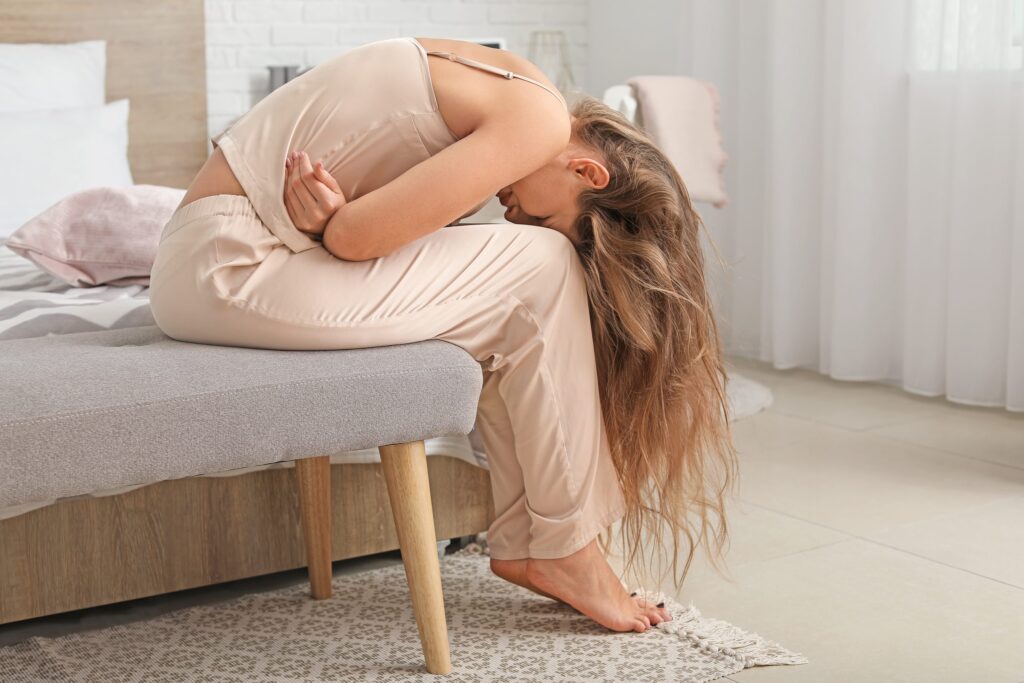
Lower abdominal pain after sex can present as dull cramping, pelvic pressure, or sharp internal discomfort that disrupts relaxation and intimacy. This pain may appear immediately after intercourse, arise during deep penetration, or develop hours later due to pelvic tension, irritation, or inflammation within the reproductive organs. While occasional discomfort can result from muscle contractions, cervical sensitivity, or insufficient lubrication, frequent or intense pain may point to conditions such as ovarian cysts, fibroids, endometriosis, pelvic inflammatory disease, or unresolved infections.
Here, we will explain the common and medical causes of lower abdominal pain after sex, when the pain becomes a sign of concern, and how to manage and prevent it for safer and more comfortable intimacy.
Understanding Lower Abdominal Pain After Sex
Many people have lower abdominal pain after sex, which can be anything from mild cramping to sharp, constant pain. This pain can happen right after sex, during deep penetration, or even hours later. It can be caused by normal physical reactions like pressure on the cervix, tight pelvic muscles, or not enough lubrication.

It is usually not a big deal if you feel pain every now and then, but if you have pain often or severely, it could be a sign of a more serious problem, like endometriosis, ovarian cysts, fibroids, pelvic inflammatory disease, or infections that need to be treated by a doctor. Stress and anxiety are two psychological factors that can also make pelvic muscles tighter, which can lead to cramping and stomach pain after sex.
Recommended: How Can You Cope with a Fear of Intimacy When You Have a Painful Condition?
To ease and control lower abdominal pain, you might need to use enough lubrication, try different sexual positions to avoid deep penetration, apply heat to relax the muscles, and do pelvic floor exercises.
Regular gynaecological checkups are important for keeping your reproductive health in good shape and finding problems early on. If you have pain that would not go away, is very bad, or is unusual, you should see a doctor. This is especially true if you have bleeding, a fever, or strange discharge.
Common Causes of Lower Abdominal Pain After Sex
Lower abdominal pain after sex can stem from normal physical responses or underlying medical conditions. Understanding the causes can help identify when pain is harmless and when it requires attention. Here are the most common causes:
1. Deep Penetration
Certain positions during sex can push the penis against the cervix or the walls of the vagina. This contact can cause the uterus to cramp, which is often felt as a dull ache, pressure, or sharp pinch. Women who have a tilted uterus or a more sensitive cervix are more likely to feel this kind of pain. Deep penetration can also stretch the ligaments and muscles around the vagina, which can make you sore for hours after sex.
2. Tight Pelvic Floor Muscles
Pelvic floor muscles support the uterus, bladder, and intestines. Stress, anxiety, or insufficient arousal can cause these muscles to tighten. During intercourse, tight muscles resist stretching, resulting in cramps, spasms, or a pulling sensation in the lower abdomen. Over time, chronic tension in the pelvic floor can increase sensitivity and make sex consistently uncomfortable.
Recommended: Dyspareunia vs. Vulvodynia: Is All Painful Intercourse the Same Condition?
3. Lack of Lubrication
When the vagina is dry, it makes penetration more painful, which can irritate or even cause microtears in the lining of the vagina. This irritation often makes people sore after sex and causes cramps in the lower abdomen. Hormonal changes, medications, not enough foreplay, or menopause can all make dryness worse, so lubrication is important for comfort.
4. Endometriosis
Endometriosis is when tissue that is like the lining of the uterus grows outside of the uterus, like on the ovaries, fallopian tubes, or pelvic cavity. This tissue reacts to changes in hormones and pressure, which can make sex very painful in the pelvic area. People with endometriosis often say that the pain is sharp or stabbing and can last for hours or even days after sex. Women with endometriosis may also have heavy periods, feel tired all the time, and have pelvic pain that does not go away.
5. Ovarian Cysts
Ovarian cysts are fluid-filled sacs that develop on the ovaries. During sex, a cyst can become twisted, rupture, or press against surrounding organs, producing sudden sharp pain, tenderness, bloating, or a dull ache on one side of the lower abdomen. Large cysts are more likely to cause discomfort during deep penetration or certain sexual positions.
Recommended: Maintaining Intimacy When Intercourse Is Painful
6. Uterine Fibroids
Fibroids are growths in the uterus that are not cancerous. Intercourse can put stress on fibroids, especially those that are close to the cervix or the wall of the uterus. This pressure can cause cramps, a heavy feeling in the pelvis, or sharp pain during and after sex. Symptoms often get worse during menstruation and can include heavy bleeding or pressure in the bladder.
7. Pelvic Inflammatory Disease (PID)
PID is an infection of the reproductive organs, often caused by untreated sexually transmitted infections like chlamydia or gonorrhea. PID can lead to persistent lower abdominal pain, cramping during or after intercourse, fever, abnormal vaginal discharge, and discomfort while urinating. Untreated PID can cause long-term damage to the reproductive organs, including infertility.
8. Sexually Transmitted Infections (STIs) and Other Infections
Infections like chlamydia, gonorrhoea, trichomoniasis, yeast infections, or bacterial vaginosis can cause swelling in the vagina, cervix, or uterus. This inflammation makes penetration painful and tender, and it often spreads to the lower abdomen. Some other signs may be an unusual discharge, itching, or a bad smell. To avoid problems, it is important to get a quick diagnosis and treatment.
9. IUD or Hormonal Contraceptives
If an IUD irritates the cervix or uterus, it can make the lower abdomen hurt. This is more likely to happen if the IUD was just put in or is slightly out of place. Hormonal birth control can also make tissues more sensitive, which can lead to mild cramping or bloating after sex. Most pain goes away on its own, but if it lasts for a long time, you should see a doctor to rule out any problems
Recommended: Should I Inform My Doctor if My IUD Was Dislodged Even if I’m Not Sexually Active?
When the Pain Signals Something Serious
Not all post-sex lower abdominal pain is harmless. Certain signs may indicate an underlying condition that requires medical attention.
Be alert to the following:
- Sudden, sharp, or intense cramping in the lower abdomen or pelvis may indicate an ovarian cyst rupture, pelvic inflammatory disease (PID), or, in rare cases, appendicitis.
- Pain that lasts long after intercourse or recurs every time you have sex could be a sign of endometriosis, uterine fibroids, or chronic pelvic inflammation.
- Experiencing pain along with fever, chills, or general fatigue may suggest an infection such as a urinary tract infection (UTI) or PID.
- Unusual vaginal bleeding outside of your normal period or foul-smelling discharge could be a warning sign of infection, sexually transmitted infections, or cervical or uterine issues.
- Discomfort or burning during urination, or pain while passing stool or gas, may indicate bladder or gastrointestinal involvement affecting the pelvic region.
If any of these symptoms occur, it is important to monitor them carefully, noting the timing, intensity, and any other accompanying signs, and to seek prompt medical evaluation to prevent complications.
Does Lack of Lubrication Cause Lower Abdominal Pain After Sex?
Yes, not using enough lubrication can make your lower abdomen hurt after sex. When the vagina is dry, it makes more friction during sex, which can irritate the walls of the vagina and cause tiny tears in the tissue. This irritation usually causes pain in the vagina and cramps or a pulling feeling in the lower abdomen.
Hormonal changes, stress, not enough foreplay, some medications, or menopause can all cause dryness. When the vagina is not well-lubricated, penetration takes more work, which can put stress on nearby muscles and ligaments, leading to pain that spreads to the lower abdomen. Using water-based or silicone-based lubricants, making sure to have enough foreplay, and taking care of hormonal or medical issues can all help a lot with pain caused by dryness.
Recommended: Creating a Pain Management Plan for Chronic Sexual Pain
Treatment Options and Relief
Lower abdominal pain after sex can often be managed effectively if you understand the right approaches and remedies. The first step is identifying whether the discomfort is mild and temporary or caused by an underlying medical condition.
- Over-the-Counter Pain Relievers: Ibuprofen or paracetamol can often help with pain that is not too bad. Ibuprofen stops chemicals that cause pain and reduces inflammation. Paracetamol, on the other hand, mostly makes pain feel less intense.
- Heat Therapy: Warm baths are a type of heat therapy that can help relax the muscles in the pelvis, get more blood flowing, and ease cramps caused by tight muscles.
- Gentle Exercise and Stretching: Light activities like walking or yoga stretches can help loosen tight muscles and get more blood flowing to the pelvic area, which is good for your health in general.
- Hydration and Urination: Drinking water and emptying the bladder before and after sex can prevent irritation of the urinary tract and reduce pain caused by bladder pressure.
- Lubrication: Using personal lubricants during intercourse reduces friction and prevents tissue irritation, especially if dryness or sensitivity contributes to discomfort.
- Medical Treatment for Underlying Conditions: Pain caused by infections, STIs, endometriosis, ovarian cysts, or fibroids requires professional treatment. Antibiotics can treat infections, hormonal therapy may manage endometriosis or fibroids, and surgical interventions may be necessary for cysts or other structural issues.
- Professional Evaluation for Persistent Pain: Persistent or severe pain should prompt a visit to a gynecologist or healthcare provider for proper diagnosis and targeted treatment. Addressing both symptoms and underlying causes ensures more effective and long-lasting relief.
Conclusion
Many people get pain in their lower abdomen after sex, but in most cases, it is mild and goes away quickly. But you should pay attention to your body and know when pain might be a sign of a bigger problem. You can often deal with things like muscle tension, not enough lubrication, or bladder irritation at home. Factors such as muscle tension, insufficient lubrication, or bladder irritation can often be managed at home, while persistent, severe, or accompanied symptoms may require medical evaluation.
Understanding the potential causes, warning signs, and treatments can safeguard your reproductive and pelvic health. Remember, seeking timely medical advice not only provides relief but also ensures that any serious conditions are addressed early, helping you maintain a healthy and comfortable sex life.