
Conceiving a baby requires careful planning and understanding of fertility, especially when aiming for a specific birth month like December. A lot of couples want to have a baby in December because this time of year can be very good for them. Parents can plan around school enrolment cut-offs and seasonal schedules for babies born in December, who often enjoy holiday celebrations with family and friends.
December babies also fall under the zodiac signs of Sagittarius or Capricorn, which some parents consider when thinking about personality traits. Timing conception properly can increase the chances of success, and being aware of fertility cycles, ovulation, and seasonal factors can help couples prepare physically, emotionally, and financially for the arrival of their child.
In this article, we will talk about the best time to get pregnant in December and give you some useful tips on how to keep track of your fertility, how the winter months might affect conception, common myths and misconceptions about trying to get pregnant in the winter, and how couples can plan around holidays and busy schedules.
What It Means to Plan Conception in December
Planning conception in December means intentionally choosing this month to try for pregnancy by understanding your body, timing intercourse around ovulation, and preparing physically and emotionally for pregnancy rather than leaving conception to chance.
Recommended: Foods to Eat During the Two-Week Wait for Implantation
Many people find December to be a special time. The holidays often mean more time at home, shorter work hours, and more emotional closeness with partners. All of these things can make for a relaxed atmosphere that encourages intimacy. Couples can use this time to plan conception while keeping health and fertility in mind.
It also means picking the right time. Planning to get pregnant in December means keeping track of your menstrual cycles, ovulation, and the most fertile days of the month. This is because pregnancy only happens during a short window of fertility each cycle. The month itself isn’t the main point; it’s how well the fertile window is found and used in December.
If you want to conceive a baby in December, you need to get your body ready ahead of time. This means keeping a healthy diet even though the holidays are coming up, not drinking too much, dealing with stress, getting enough sleep, and making sure you get enough vitamins, especially folic acid and vitamin D, which are important in the winter.
Emotionally, it also means setting realistic expectations. Conception may not happen immediately, even with careful planning. Understanding this helps reduce pressure and disappointment, allowing couples to approach the process with patience and emotional balance.
How to Track Fertile Windows in December
Tracking your fertile window in December is the same as in any other month, but you need to be more consistent because holidays, travel, and changes to your schedule can throw off your routine. The fertile window is the small part of your menstrual cycle when you are most likely to get pregnant. This is usually five days before ovulation and the day of ovulation itself.
- Know your menstrual cycle length: Track the first day of your period each month to determine your cycle length. Count the days from the start of one period to the day before the next. This helps you estimate when ovulation is likely to occur.
- Estimate your ovulation day: Ovulation usually happens about 14 days before your next period. For example, if you have a 28 day cycle, ovulation often occurs around day 14. This gives you a rough idea of your fertile period in December.
- Identify your fertile window: Your fertile window includes the five days before ovulation and the day of ovulation itself. These are the days when intercourse is most likely to result in pregnancy.
- Use ovulation predictor kits: Ovulation tests detect hormonal changes that signal ovulation is about to happen. These kits are helpful in December when stress, travel, or routine changes may shift ovulation timing.
- Track physical signs of fertility: Pay attention to changes in cervical mucus. Fertile mucus is clear, stretchy, and slippery. Some people also track basal body temperature to confirm ovulation patterns over time.
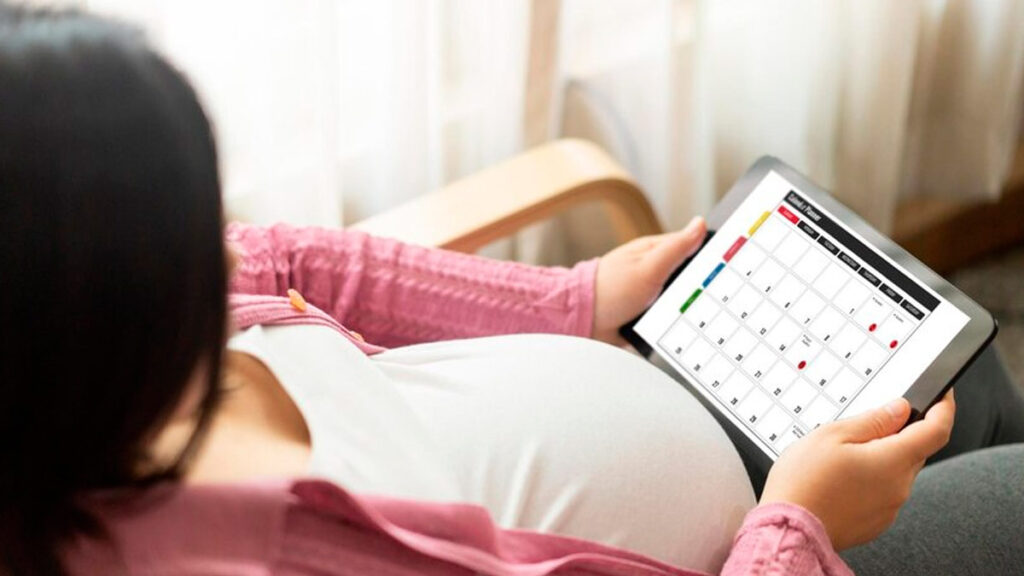
- Use fertility tracking apps or calendars: Apps can help predict fertile days based on your cycle history. Using them consistently makes tracking easier, even during busy holiday periods.
- Maintain healthy December habits: Manage stress, get enough sleep, eat balanced meals, and limit alcohol. These habits support regular ovulation and make fertile window tracking more accurate.
Recommended: Is Spotting a Sign of Early Pregnancy or Miscarriage?
Best Days to Conceive a Baby in December
The best days to conceive a baby in December depend on your menstrual cycle and ovulation timing, not the calendar date itself. Pregnancy is most likely to occur during a short fertile window that happens once in every cycle.
In most women, ovulation occurs about 14 days before the next menstrual period. The most fertile days are the five days leading up to ovulation and the day ovulation occurs. Having intercourse during this window gives sperm time to survive in the reproductive tract and increases the chance of fertilization.
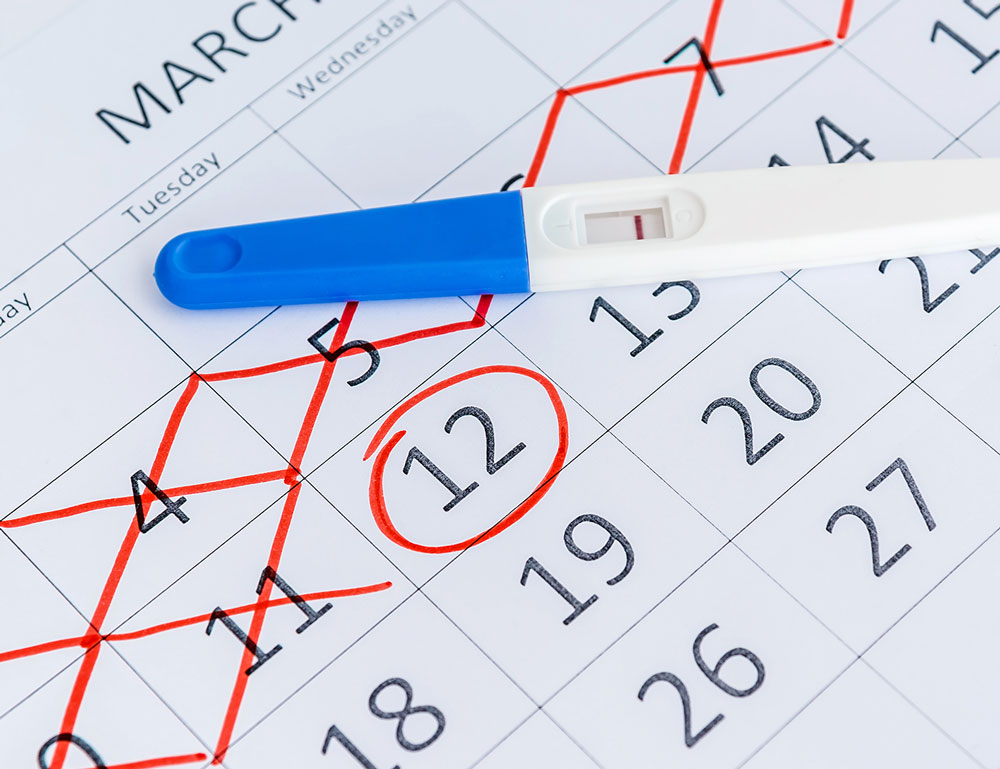
To identify the best days in December, start by tracking the first day of your last period and calculating your expected ovulation date. If your cycle is regular, you can estimate your fertile days using a calendar or fertility app. For example, with a 28 day cycle that started in late November, ovulation may fall in early to mid December, making those days ideal for conception.
For women with irregular cycles, using ovulation predictor kits or monitoring physical signs like fertile cervical mucus can help pinpoint the best days more accurately. These methods are especially useful during December when stress, travel, and lifestyle changes can slightly shift ovulation.
Timing intercourse every one to two days during the fertile window is often recommended rather than focusing on a single day. This approach improves the chances of sperm being present when ovulation occurs..
Tips for Couples Trying in December
Conceiving a baby in December requires some planning and healthy habits for both partners. Here are some practical tips to improve your chances:
- Track Ovulation: Use basal body temperature, cervical mucus, or ovulation kits to identify your fertile window.
- Time Intercourse Well: Have sex a few days before and on the day of ovulation for the best chance of conception.
- Maintain a Healthy Diet: Eat nutrient-rich foods, including fruits, vegetables, whole grains, and lean proteins.
- Exercise Moderately: Regular physical activity can improve fertility, but avoid over-exercising.
- Get Enough Sleep: Adequate rest helps balance hormones and supports reproductive health.
- Manage Stress: Stress can affect fertility, so practice relaxation techniques like meditation or deep breathing.
- Avoid Harmful Habits: Limit alcohol, caffeine, and avoid smoking to improve fertility for both partners.
- Take Prenatal Vitamins: Women should start folic acid and other prenatal vitamins to support early pregnancy.
- Communicate and Support Each Other: Patience, understanding, and emotional support can make the process less stressful.
How Winter Weather Can Affect Fertility
Winter weather can affect fertility in a number of ways. Vitamin D is important for both men and women’s reproductive health, and shorter days and less sunlight can lower vitamin D levels. Getting enough sunlight or taking supplements if you need to is important because low vitamin D can mess with hormone balance and ovulation.
Recommended: Is It Normal to Experience Painful Intercourse After Childbirth?
Cold weather can also affect your mood and energy levels, making some people less active or more stressed in the winter. Stress and not being active can affect fertility by changing hormone levels. You can fight these effects by staying active indoors, managing stress, and living a healthy lifestyle.
Also, winter is a time when people get sick with things like colds and the flu. Eating well, getting enough sleep, and keeping good hygiene can help you stay healthy and avoid infections that can lower your fertility for a short time. Couples who want to have a baby in December can plan better if they know about these seasonal factors.
Common Fertility Myths About December Conception
- You cannot get pregnant in winter: While winter brings colder weather and shorter daylight, it does not prevent conception. Couples can still conceive a baby with proper timing, tracking ovulation, and maintaining good health.
- December babies are always healthier: A baby’s health depends on parental health, prenatal care, and lifestyle choices, not the month of birth. Being born in December does not automatically guarantee better health.
- Conception is influenced by moon phases or astrology: There is no scientific evidence that moon phases or zodiac signs affect fertility. Timing intercourse according to ovulation is what truly matters.
- Winter conception is harder than other seasons: Fertility can be slightly influenced by seasonal factors, like vitamin D levels, but couples can conceive successfully in winter by tracking fertile days and maintaining a healthy lifestyle.
Conclusion
Planning to conceive a baby in December takes careful timing, preparation, and healthy habits. You can increase your chances of having a baby in December by knowing when you are most fertile, keeping track of your ovulation, and living a healthy life. Don’t let seasonal factors, myths, or practical concerns stop you from planning. Instead, let them help you plan.
With patience, communication, and support between partners, the journey to conception can be smoother and more enjoyable. Ultimately, focusing on evidence-based strategies and staying positive will help you achieve your goal of having a healthy and happy December baby.