
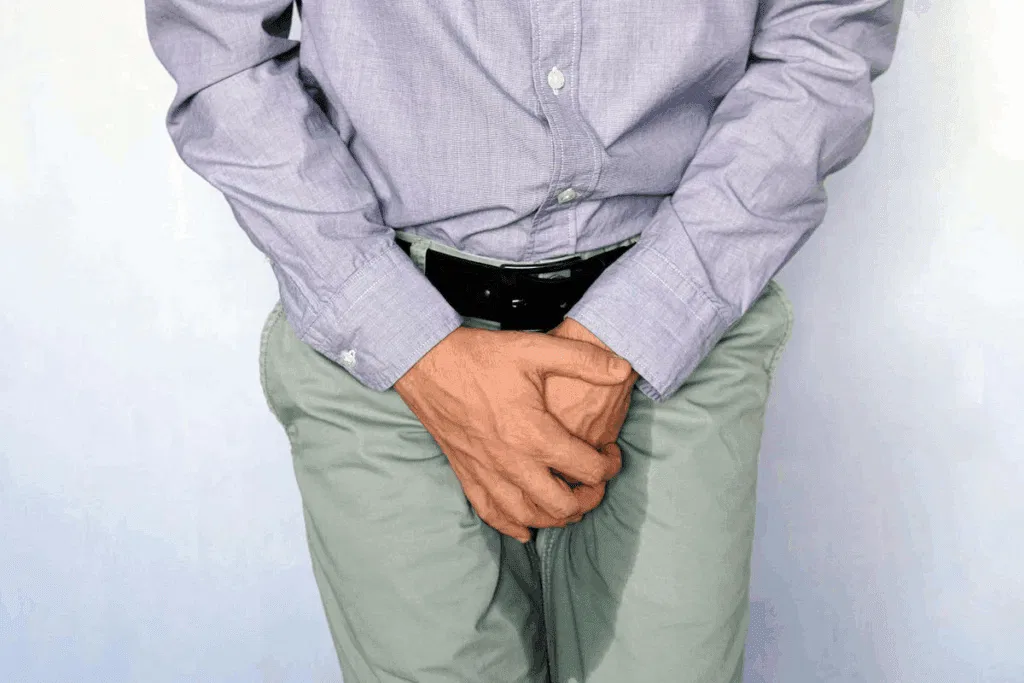
Peeing when sneezing is a condition that many men experience but rarely talk about due to embarrassment or lack of understanding. It happens when a small amount of urine leaks out unexpectedly during a sneeze, cough, laugh, or any sudden increase in abdominal pressure. While it may seem unusual or alarming, it is often linked to a treatable issue involving bladder control and the muscles that support urination.
This condition is commonly connected to weakness in the pelvic floor muscles, which are responsible for supporting the bladder and controlling urine flow. When these muscles are not strong enough, they may fail to hold urine in place during sudden pressure changes. Other contributing factors can include prostate enlargement, obesity, aging, and certain lifestyle habits that gradually reduce bladder control over time.
Another important factor is how the body reacts during a sneeze. Sneezing causes a quick and powerful contraction of the abdominal muscles, which increases pressure on the bladder almost instantly. If the muscles that control urination are weak or not properly coordinated, this sudden pressure can force a small amount of urine to escape before the body can react.
There are a number of useful ways to treat or deal with this condition. Kegel exercises, which are also called pelvic floor exercises, are one of the best ways to make the muscles that control your bladder stronger. Also, making changes to your lifestyle, like keeping a healthy weight, not drinking too much caffeine or alcohol, staying active, and using bladder training techniques can all help you gain better control over time.
In this article, we will explore in detail the main causes of peeing when sneezing in men,, effective exercises and lifestyle changes that can help improve the condition, and when it is important to seek medical advice for proper evaluation and treatment.
Why Do Men Leak Urine When Sneezing?
Men leak urine when sneezing mainly because of a sudden increase in pressure inside the abdomen. When a person sneezes, the force generated quickly pushes down on the bladder. If the bladder cannot hold back this pressure properly, a small amount of urine may leak out involuntarily. This is a form of Urinary incontinence, specifically the stress type that happens during physical strain.
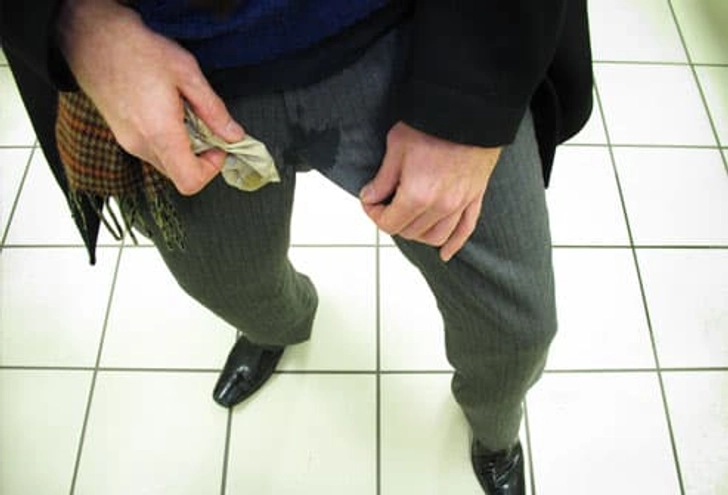
A big part of this is that the pelvic floor muscles are weak. These muscles help keep the urethra closed and help you control your bladder when you move suddenly or when the pressure changes. When they get weak from not working out, getting older, or having bad muscle tone, they can not stop urine from leaking when they sneeze or cough. Some men may also have prostate-related problems, like benign prostatic hyperplasia, that make normal urine flow and bladder function worse.
Recommended: Are Tight Underwear Ruining Male Fertility Chances?
Lifestyle factors can also make the condition worse. Being overweight, consuming too much caffeine or alcohol, and having weak core muscles can all increase pressure on the bladder and reduce control. In some cases, previous prostate surgery or urinary tract issues may also affect how well the bladder holds urine, making leakage more noticeable during sudden pressure like sneezing.
Common Causes of PeeingWhen Sneezing
Peeing when sneezing is usually a symptom of reduced bladder control and is commonly linked to Urinary incontinence, especially the stress type. It happens when the bladder is unable to withstand sudden pressure from activities like sneezing, coughing, or laughing.
1. Weak Pelvic Floor Muscles
Weak pelvic floor muscles are one of the main reasons. These muscles help keep the urethra closed when pressure changes quickly and support the bladder. When they are weak because they do not move around enough, are getting older, or have bad muscle tone, they can not control the flow of urine when they sneeze.
2. Prostate Enlargement
Another common cause is Benign prostatic hyperplasia. An enlarged prostate can block or disrupt normal urine flow, leading to incomplete bladder emptying and reduced control, which increases the risk of leakage during sudden movements.
3. Excess Body Weight
Being overweight puts extra stress on the bladder and the muscles around it all the time. Over time, this extra pressure makes it harder to control the bladder and makes it more likely to leak when there is a sudden force, like a sneeze.
4. Bladder Irritation From Lifestyle Habits
High intake of caffeine, alcohol, and spicy foods can irritate the bladder. This may increase urgency and reduce the bladder’s ability to hold urine comfortably, making accidental leaks more likely.
5. Previous Medical Conditions or Surgeries
Past prostate surgery, nerve damage, or urinary tract problems can affect how well the bladder and muscles coordinate. This can weaken urine control and make leakage happen more easily during pressure events like sneezing.
Types of Urinary Incontinence in Men
Urinary incontinence in men is not a single condition but a group of different bladder control problems that can happen for various reasons. It is generally described under Urinary incontinence and is classified into several types based on what triggers the leakage.
1. Stress Incontinence
This type happens when urine leaks during physical pressure on the bladder such as sneezing, coughing, laughing, or lifting heavy objects. It is mainly caused by weak pelvic floor muscles that are unable to properly support the bladder during sudden pressure changes.
Recommended: Why Do I Have Low Libido After Quitting Smoking?
2. Urge Incontinence
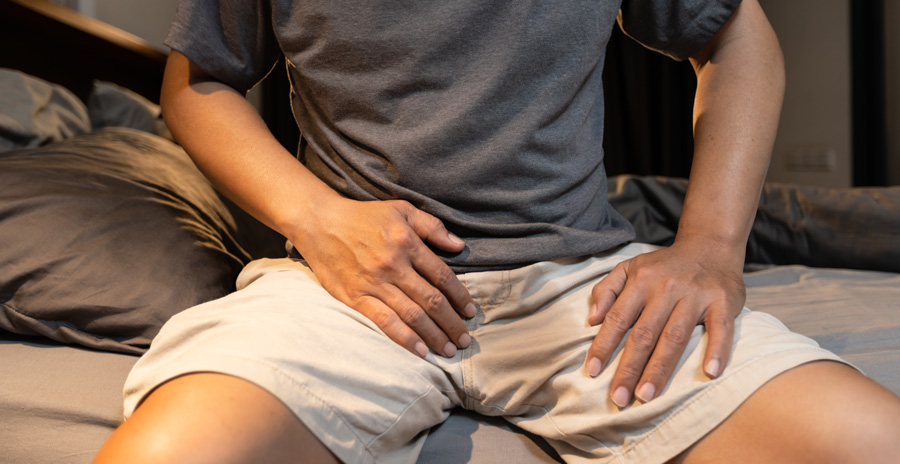
This happens when a man suddenly has a strong, uncontrollable urge to urinate and might not make it to the toilet in time. It is often caused by the bladder muscles being too active, which means they contract too often or without warning.
3. Overflow Incontinence
This type happens when the bladder does not empty completely, causing it to become overly full and leak small amounts of urine. It is commonly associated with blockages such as prostate enlargement or weak bladder muscles that cannot push urine out effectively.
4. Functional Incontinence
In this case, the bladder works normally, but the person is unable to reach the toilet in time due to physical or cognitive limitations. It is more common in men with mobility issues or certain neurological conditions.
5. Mixed Incontinence
This is a combination of two or more types, most commonly stress and urge incontinence. Men with mixed incontinence may experience leakage both during physical strain and sudden urgency.
How to Stop Peeing When Sneezing
Peeing when sneezing is usually linked to stress type Urinary incontinence, and in most cases, it can be improved with consistent exercises, lifestyle changes, and proper bladder care.
- Strengthen your pelvic floor muscles: The most effective way to stop leakage is by doing Kegel exercises to strengthen the Pelvic floor muscles. These muscles help control urine flow, and when they are stronger, they can better resist sudden pressure from sneezing or coughing.
- Practice “pre-sneeze” muscle control: Before you cough or sneeze, try tightening the muscles in your pelvic floor. This quick contraction helps hold up the bladder and can stop or lessen leaks when there is sudden pressure.
- Maintain a healthy weight: Excess body weight puts constant pressure on the bladder, making leakage more likely. Losing weight can reduce strain on the pelvic muscles and improve overall bladder control.
- Reduce bladder irritants: Limit caffeine, alcohol, and carbonated drinks, as they can irritate the bladder and increase urgency. Keeping the bladder calm helps reduce unexpected urine leaks.
- Train your bladder: Try scheduled urination by going to the toilet at fixed times instead of waiting for urgency. This helps improve bladder control over time.
- Address underlying medical causes: In some men, conditions like Benign prostatic hyperplasia may contribute to leakage. Treating the underlying cause with a doctor’s guidance can significantly improve symptoms.
Recommended: Are Kegel Exercises Effective for Premature Ejaculation?
Bladder Training Techniques
Bladder training is a set of techniques used to improve bladder control and reduce symptoms of Urinary incontinence. It works by gradually teaching the bladder to hold urine for longer periods and reducing sudden urges or accidental leakage.
- Scheduled urination (timed voiding): This involves going to the toilet at fixed intervals, such as every 2 to 4 hours, whether you feel the urge or not. Over time, this helps train the bladder to follow a regular pattern and reduces unexpected leaks.
- Delayed urination technique: When you feel the urge to urinate, try to delay going to the toilet for a few minutes. Start with short delays and gradually increase the time. This helps strengthen bladder control and reduces urgency over time.
- Double voiding: After urinating, wait a few seconds and try to urinate again. This helps ensure the bladder is fully emptied, reducing the chance of overflow and leakage later.
- Urge suppression method: When a sudden urge occurs, stay calm and use pelvic floor muscle contractions to hold it back until the urge passes. This technique helps improve control during unexpected bladder signals.
- Fluid management: Drink enough water during the day, but avoid large amounts at once. Also reduce intake of caffeine and alcohol, which can irritate the bladder and increase urgency.
Prevention Tips for Long-Term Control
Preventing peeing when sneezing is mainly about strengthening bladder control and reducing strain on the urinary system. This condition is commonly linked to Urinary incontinence, and with consistent habits, many men can significantly reduce or even prevent symptoms over time.
1. Maintain Strong Pelvic Floor Muscles
Regularly performing exercises that target the Pelvic floor muscles is one of the most effective long-term prevention methods. Strong pelvic muscles help the bladder resist sudden pressure from sneezing, coughing, or lifting heavy objects.
2. Maintain a Healthy Body Weight
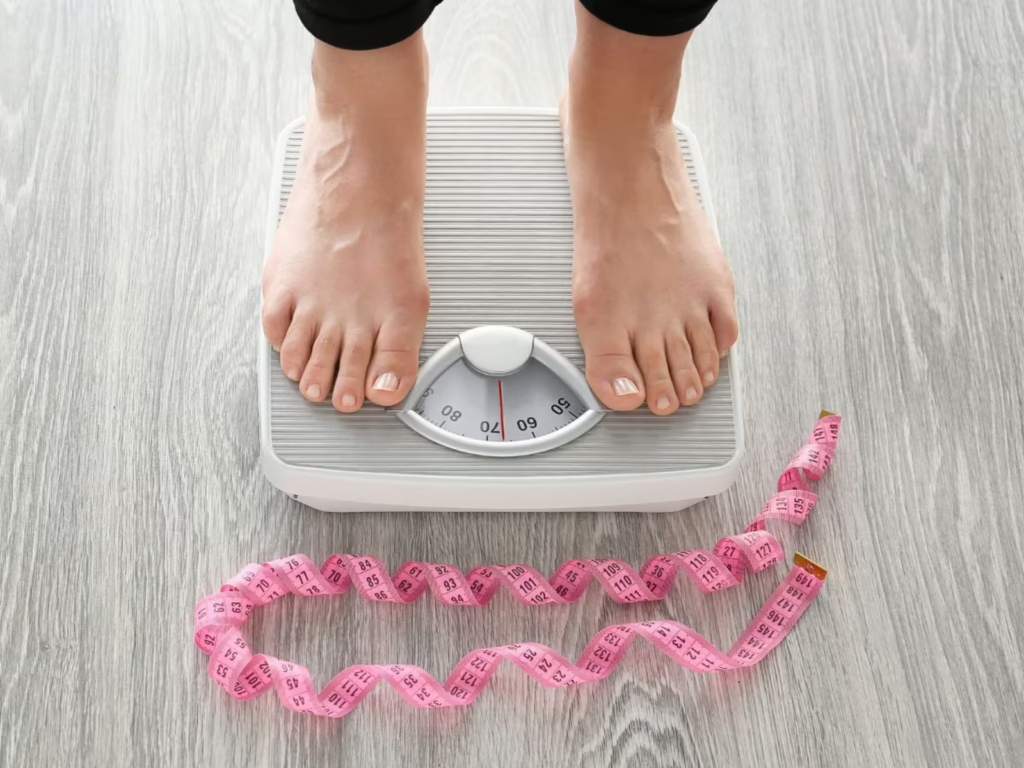
Excess weight increases pressure on the bladder and weakens pelvic support over time. Keeping a healthy weight reduces this constant strain and helps improve overall bladder stability.
3. Stay Physically Active
Regular exercise strengthens core muscles and improves blood flow to the pelvic region. This supports better bladder control and reduces the risk of leakage during sudden movements.
Recommended: Will Pelvic Floor Therapy Help with Hard Flaccid?
4. Avoid Bladder Irritants
Cutting back on caffeine, alcohol, and carbonated drinks can help keep your bladder from getting irritated. A bladder that is calmer is less likely to cause sudden urgency or leakage.
5. Practice Good Toilet Habits
Avoid delaying urination for too long and try to empty the bladder fully each time. Consistent habits help train the bladder to function more efficiently and reduce accidents.
6. Seek Early Medical Attention When Needed
If symptoms persist or worsen, it is important to check for underlying causes such as Benign prostatic hyperplasia or other urinary conditions. Early treatment can prevent the problem from becoming more severe.
Conclusion
Peeing when sneezing is a common sign of reduced bladder control and is usually associated with stress-related Urinary incontinence. Although it can feel embarrassing or concerning, it is not uncommon and often has manageable causes such as weak pelvic support, prostate changes, or lifestyle factors.
The good news is that this condition can improve in many cases with consistent effort. Strengthening the Pelvic floor muscles through exercises, practicing bladder training techniques, maintaining a healthy weight, and avoiding bladder irritants can significantly reduce or even stop leakage over time. Early attention to symptoms also helps prevent the condition from getting worse.
In more persistent cases, underlying issues like prostate enlargement or other urinary conditions may be involved, so seeking medical advice is important for proper diagnosis and treatment. With the right combination of habits, exercises, and care, most men can regain better bladder control and confidence in their daily lives.