

Low Sex Drive in men is a common condition that can affect physical health, emotional wellbeing, confidence, and intimate relationships. While fluctuations in sexual desire are normal, a persistent lack of interest in sex may indicate an underlying issue that should not be ignored. Many men experience low libido at different stages of life, and the causes can range from stress and fatigue to hormonal imbalances and medical conditions.
Several factors can contribute to reduced sexual desire in men. Physical causes of low libido include low testosterone, obesity, diabetes, poor sleep and some medications. Psychological factors such as anxiety, depression, relationship problems and emotional stress can also play a major role. Unhealthy lifestyle habits such as smoking, excessive alcohol consumption, lack of exercise and poor diet can also gradually decrease sexual performance and desire over time.
Fortunately, low sex drive is often treatable once the root cause is identified. Lifestyle changes, stress management, improved sleep, healthy eating, exercise, counseling, and medical treatments can all help improve male libido and overall sexual health.
In this article, we will explore the common causes of low sex drive in men, symptoms to look out for, how physical and mental health influence libido, and the most effective ways to treat and manage the condition.
What Is Low Sex Drive?
Low sex drive, also known as low libido, refers to a reduced interest in sexual activity or a noticeable decline in sexual desire. It can occur occasionally due to stress, tiredness or temporary changes in life but when it is persistent and starts to affect relationships, confidence or emotional wellbeing it can be a sign of an underlying physical or psychological issue. Low sex drive can impact men in different ways; some men may lose all interest in sex, while others may just experience a reduction in sexual thoughts, desire or intimacy.
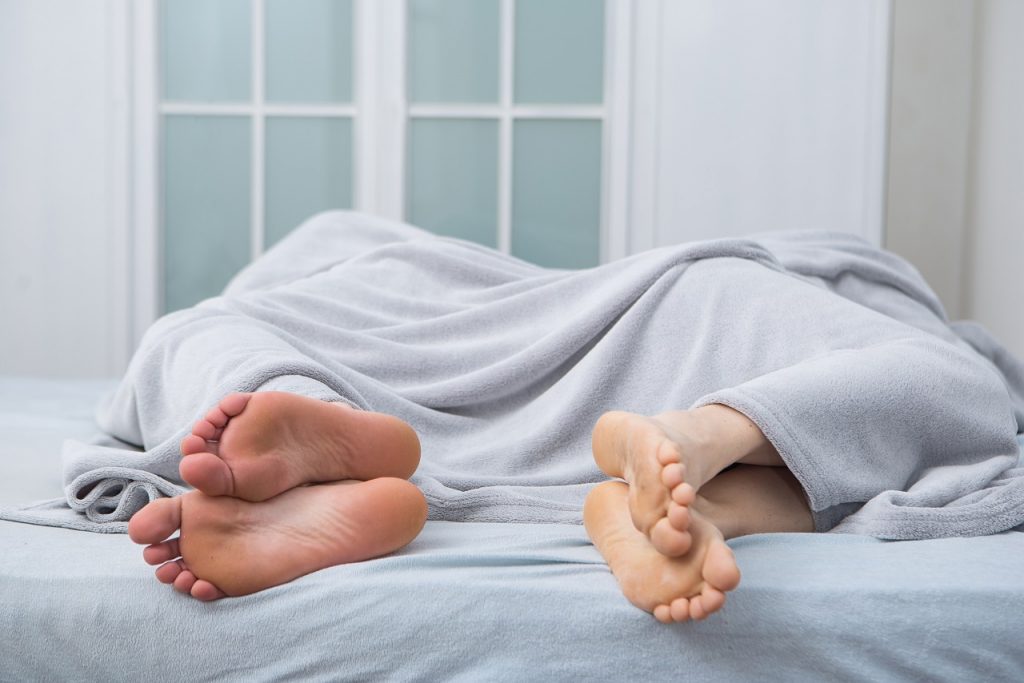
A man’s sex drive is influenced by many factors, including hormones, mental health, lifestyle habits, relationship quality, and overall physical health. Conditions such as low testosterone, depression, anxiety, chronic illnesses, poor sleep, and certain medications can all contribute to reduced sexual desire. Emotional stress, financial pressure, and unhealthy habits like smoking or excessive alcohol use may also negatively affect libido over time.
Recommended: Why Am I Experiencing Low Libido in Marriage?
Although low sex drive is common and can occur at any age, it should not be ignored if it continues for a long period or starts interfering with daily life and relationships. Understanding the root cause is important because treatment often depends on what is triggering the problem. In many cases, lifestyle changes, stress management, therapy, or medical treatment can help restore a healthy sex drive and improve overall wellbeing.
Signs and Symptoms of Low Libido
- Reduced Interest in Sex: A noticeable decrease in sexual desire or interest in intimacy is the most common sign of low sex drive.
- Fewer Sexual Thoughts or Fantasies: Men with low libido may rarely think about sex or experience fewer sexual urges than usual.
- Lack of Excitement During Intimacy: Sexual activity may no longer feel exciting or emotionally engaging, even with a partner they care about.
- Avoiding Physical Intimacy: Some men may begin avoiding kissing, touching, cuddling, or sexual situations altogether.
- Difficulty Becoming Aroused: Low sex drive can sometimes make it harder to feel mentally or physically aroused during intimate moments.
- Relationship Tension: A decrease in sexual desire may lead to misunderstandings, frustration, or emotional distance between partners.
- Low Energy or Fatigue: Constant tiredness and lack of energy can reduce sexual desire and overall motivation for intimacy.
- Mood Changes: Stress, irritability, sadness, or low self confidence may appear alongside low libido, especially if hormones or mental health are involved.
- Reduced Sexual Satisfaction: Men may feel less satisfied or emotionally connected during sexual experiences than they once did.
- Persistent Loss of Desire: If the lack of sexual interest continues for weeks or months, it may indicate an underlying physical or psychological condition that needs attention.
Recommended: Why Do I Have Low Libido After Quitting Smoking?
Can Age Affect Male Libido?
Yes, male libido can be affected by age, but the changes are individual. As men age, the body’s production of testosterone, the hormone responsible for sexual desire and performance, naturally drops. This gradual decline often begins around age 30 and can continue slowly over time. Aging does not kill the sex drive, but most men do find some changes to their libido, energy and sexual function as they age.

Older men may have low sex drive due to health conditions such as diabetes, high blood pressure, obesity, heart disease, or prostate problems. Also, some medications used for these disorders may reduce sexual desire or affect sexual function. Fatigue, poor sleep, stress and the emotional changes associated with aging are other reasons for a decreased libido.
However, low sex drive is not an unavoidable part of aging, and many older men continue to enjoy healthy and satisfying intimate relationships. Maintaining a healthy lifestyle through regular exercise, balanced nutrition, proper sleep, stress management, and routine medical checkups can help support sexual health as men age. If a significant drop in libido occurs, it may be important to speak with a healthcare professional to identify any underlying medical or hormonal issues.
Recommended: Can Low Testosterone Cause Brain Fog?
Common Causes of Low Sex Drive in Men
Physical Causes
- Low Testosterone Levels: Testosterone is the primary male sex hormone responsible for sexual desire. When testosterone levels drop, men may experience reduced libido, fatigue, and lower sexual performance.
- Chronic Illnesses: Conditions such as diabetes, high blood pressure, heart disease, and obesity can affect blood flow, hormone balance, and energy levels, all of which may reduce sexual desire.
- Sleep Disorders and Fatigue: Poor sleep quality, insomnia, or sleep apnea can interfere with hormone production and leave the body constantly tired, leading to decreased interest in sex.
- Hormonal Imbalances: Imbalances involving hormones like thyroid hormones, cortisol, or prolactin can negatively affect libido and overall sexual health.
Psychological Causes
- Stress and Anxiety: Ongoing stress from work, finances, or personal problems can reduce sexual interest by affecting mental focus and hormone levels.
- Depression: Depression often lowers energy, motivation, and emotional connection, which can significantly reduce sex drive in men.
- Low Self Esteem: Poor body image, insecurity, or lack of confidence may make men feel less comfortable or interested in intimacy.
- Relationship Conflicts: Emotional distance, unresolved arguments, lack of trust, or poor communication with a partner can weaken sexual desire over time.
Lifestyle Factors
- Poor Diet: Unhealthy eating habits can contribute to obesity, poor circulation, and hormonal problems that affect libido.
- Lack of Exercise: Physical inactivity may reduce energy levels, blood circulation, and testosterone production, leading to lower sexual desire.
- Smoking and Alcohol Use: Smoking can damage blood vessels and circulation, while excessive alcohol intake may interfere with hormone levels and sexual function.
- Substance Abuse: The use of recreational drugs or misuse of certain substances can disrupt brain function, hormones, and sexual performance, resulting in low libido
Recommended: Can Lifting Weights Boost Male Libido Naturally?
Medical Treatments for Low Sex Drive
1. Testosterone Replacement Therapy (TRT)
If low libido is caused by low testosterone levels, doctors may recommend testosterone replacement therapy. The treatment can be by injection, gel, patch or implant to help restore hormone levels. TRT can help improve your overall wellbeing, muscle strength, mood, energy levels, sexual desire and more. However, it should be used only under medical supervision, as inappropriate use can result in side effects such as acne, sleep problems, infertility, or an increased risk of some health issues.
2. Treating Underlying Medical Conditions

Many health conditions can contribute to low sex drive, including diabetes, high blood pressure, obesity, thyroid disorders, and heart disease. Managing these conditions properly through medication, lifestyle changes, and regular medical care can help improve libido. In some cases, better control of blood sugar, blood pressure, or hormonal balance may gradually restore sexual desire.
3. Medication Adjustments
Certain medications such as antidepressants, blood pressure drugs, sedatives, and some hormonal treatments may reduce libido as a side effect. A doctor may recommend adjusting the dosage, switching medications, or exploring alternative treatments if the medication is affecting sexual desire. Men should never stop prescribed medications without professional medical advice.
Recommended: Does Getting a Vasectomy Affect your Libido?
4. Psychological Counseling and Therapy
Emotional and mental health problems such as stress, anxiety, depression, trauma, or relationship issues can strongly affect libido. Counseling or therapy can help you identify emotional triggers and learn healthy coping strategies. Cognitive behavioral therapy and couples counseling, as well as stress management therapy, may improve communication, confidence and emotional intimacy, which may improve sexual desire.
5. Treatment for Erectile Dysfunction
Men experiencing erectile dysfunction alongside low libido may benefit from medications that improve blood flow and sexual performance. Treating erectile dysfunction can sometimes reduce performance anxiety and help restore confidence during intimacy. Doctors may also recommend lifestyle changes or additional medical tests to determine the underlying cause.
6. Sleep Disorder Treatment
Insomnia or sleep apnea can decrease testosterone and increase fatigue, which can decrease sex drive. If you have a sleep disorder, treatment with improved sleep habits, medical devices or therapy can help you to improve your hormone production, energy and sexual drive over time.
7. Lifestyle Based Medical Support
Doctors may recommend medically supervised weight loss programs, nutritional counseling, or exercise plans for men whose low libido is linked to obesity or poor lifestyle habits. Improving physical health often leads to better hormone balance, improved circulation, and increased sexual desire.
8. Hormonal and Specialized Testing
In some cases, healthcare providers may perform blood tests to evaluate testosterone levels, thyroid hormones, blood sugar, and other factors affecting sexual health. Identifying the exact cause of low libido helps doctors choose the most effective treatment plan for long term improvement.
Recommended: Does Sermorelin Increase Libido?
Natural Ways to Improve Sex Drive in Men
- Exercise Regularly: Physical activity helps improve blood circulation, boost energy levels, reduce stress, and support healthy testosterone production, all of which can improve libido.
- Eat a Healthy Diet: A balanced diet rich in fruits, vegetables, lean proteins, healthy fats, and whole grains supports hormone balance and overall sexual health.
- Get Enough Sleep: Quality sleep is important for testosterone production and energy levels. Poor sleep can lead to fatigue and reduced sexual desire.
- Manage Stress Levels: Chronic stress can lower libido by affecting hormones and mental wellbeing. Relaxation techniques such as meditation, deep breathing, or hobbies may help reduce stress.
- Maintain a Healthy Weight: Excess body weight can affect hormone levels, blood circulation, and confidence, which may reduce sex drive.
- Limit Alcohol Consumption: Excessive alcohol intake can interfere with hormone production and sexual performance. Drinking in moderation may help improve libido.
- Quit Smoking: Smoking damages blood vessels and reduces blood flow, which can negatively affect sexual function and desire.
- Improve Emotional Connection: Open communication, affection, and spending quality time with a partner can strengthen intimacy and improve sexual interest.
- Reduce Anxiety and Negative Thoughts: Anxiety, overthinking, and low self confidence can affect sexual desire. Building confidence and addressing emotional concerns can help restore libido.
- Stay Physically and Mentally Active: Engaging in social activities, hobbies, and regular movement can improve mood, energy, and overall wellbeing, which may positively affect sex drive.
General Conclusion
Low sex drive in men is a common but often misunderstood condition that can be influenced by a combination of physical, psychological, and lifestyle factors. It is not always a permanent problem, and in many cases, it reflects underlying issues such as hormonal imbalance, stress, chronic illness, poor sleep, or emotional difficulties. Understanding the root cause is important because it determines the most effective approach to treatment and recovery.
The good news is that low libido is usually manageable and often reversible with the right interventions. Healthy lifestyle changes, improved sleep, regular exercise, balanced nutrition, stress reduction, and open communication in relationships can make a significant difference. In other cases, medical treatments such as hormone therapy, medication adjustments, counseling, or treatment of underlying health conditions may be necessary to restore normal sexual desire.