
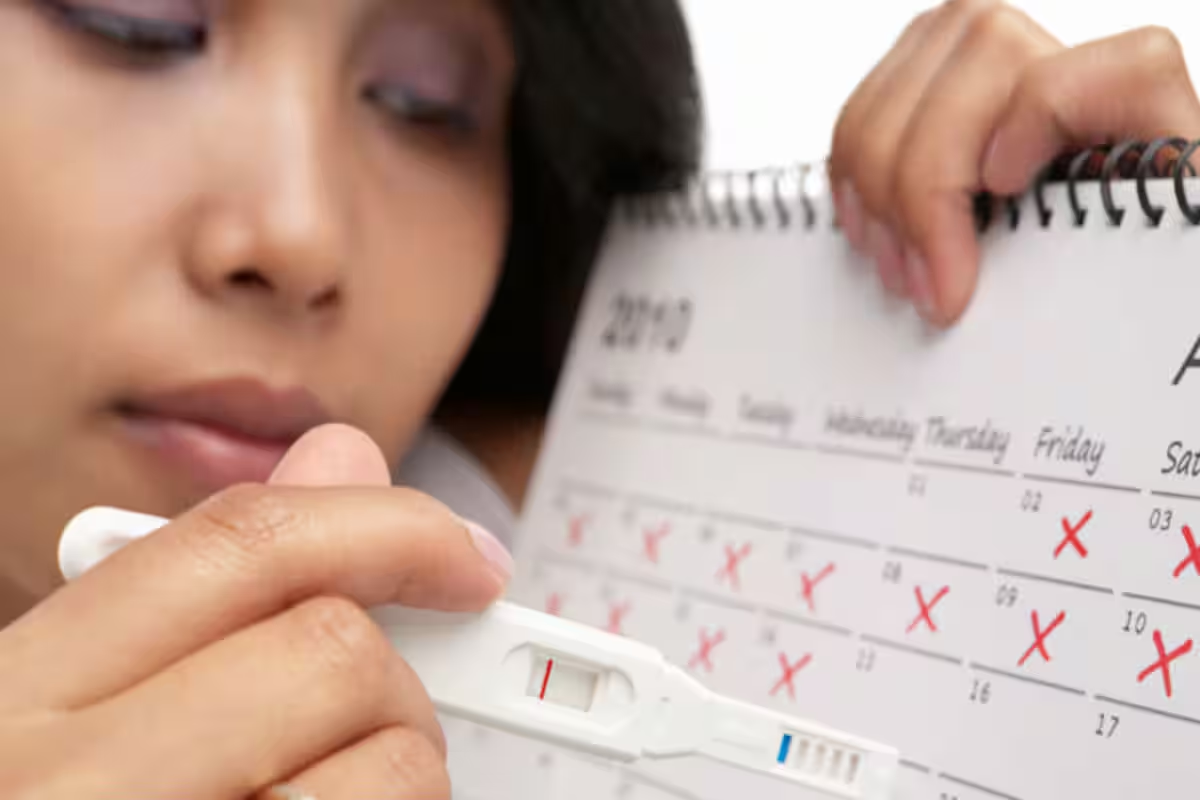
Irregular periods can make it harder to get pregnant because they usually mean that ovulation is not happening regularly or that there are hormonal imbalances that are not normal. A lot of women have cycles that are shorter, longer, or less predictable, which can change when and how likely they are to get pregnant. To improve your chances of getting pregnant and keep your reproductive health, you need to know what causes irregular cycles.
In this article, we will talk about useful tips for women with irregular periods who want to get pregnant. These tips will include ways to track ovulation, lifestyle changes that can help with fertility, medical options for regulating cycles, and ways to make the timing of conception better
Understanding Irregular Periods
Irregular periods occur when menstrual cycles vary in length, flow, or timing. A normal cycle lasts between 21 and 35 days. Women with irregular cycles may have cycles that are shorter or longer than normal, periods that do not happen, or bleeding that isn’t predictable. These changes often make it hard to tell when ovulation is happening, which is very important for getting pregnant. Irregular periods do not always mean you can not get pregnant, but they can make it harder to plan for one.

Several factors can contribute to irregular periods. Hormonal imbalances, such as polycystic ovary syndrome (PCOS) and thyroid disorders, are common causes. Stress, sudden weight changes, too much exercise, and some medications are all lifestyle factors that can throw off the menstrual cycle. Finding out what is causing the irregularity is important for making a personalised plan for fertility and overall reproductive health.
Recommended: Irregular Periods Treatment for Unmarried
Keeping track of your cycles over time and asking a doctor for help can give you useful information. Tests and evaluations can tell you if your irregular periods are due to a medical condition or something else, so you can get the right treatment or make changes to your lifestyle. The first step to improving fertility and taking charge of the conception journey is to understand why periods are irregular.
Common Causes of Irregular Cycles
- Hormonal Imbalances: Conditions like polycystic ovary syndrome (PCOS) or thyroid disorders can disrupt the hormones responsible for ovulation. This can lead to skipped periods, very long or very short cycles, or unpredictable bleeding.
- Lifestyle Factors: High stress levels, sudden weight gain or loss, excessive exercise, and poor nutrition can all affect hormonal balance. Even temporary changes in lifestyle can cause the menstrual cycle to become irregular.
- Medications: Hormonal contraceptives, fertility drugs, and certain prescription medications like antidepressants can alter the timing, flow, or predictability of periods. These changes are usually temporary but may take a few months to normalize.
- Reproductive Health Conditions: Disorders such as endometriosis, uterine fibroids, or premature ovarian insufficiency can interfere with the uterus or ovaries, causing irregular bleeding or skipped cycles.
- Other Health Conditions: Chronic illnesses, systemic health problems, or conditions affecting the endocrine system can disrupt hormonal signals needed for regular ovulation and menstruation.
Conception Tips for Women with Irregular Periods
For women with irregular periods, improving the chances of conception requires a combination of tracking, lifestyle adjustments, and medical support. The following tips provide practical steps to help regulate cycles, identify fertile windows, and support reproductive health.
1. Track Ovulation Carefully
Women whose cycles are not regular often do not ovulate on the same days every month. Charting your basal body temperature (BBT) can help you find the small rise in temperature that happens after ovulation. Ovulation predictor kits (OPKs) find the surge of luteinizing hormone (LH), which means that ovulation is about to happen. Changes in cervical mucus, such as it getting thicker or more slippery around fertile days, can also tell you when ovulation is coming up. Using these methods together makes them more accurate.
How to Track Ovulation with Irregular Cycles
Tracking ovulation is essential for women with irregular periods because it helps identify the most fertile days for conception. Even if cycles are unpredictable, there are effective methods to detect ovulation and increase the chances of getting pregnant.
- Basal Body Temperature (BBT): Measure your temperature every morning before getting out of bed. A slight rise indicates ovulation. Tracking over several cycles helps reveal patterns.
- Ovulation Predictor Kits (OPKs): Test daily during your suspected fertile window. OPKs detect the LH surge, which occurs 24 to 36 hours before ovulation.
- Cervical Mucus Monitoring: Observe changes in cervical mucus. Fertile mucus is clear, slippery, and stretchy, similar to egg whites, signaling ovulation.
- Cycle and Symptom Tracking: Record your periods, spotting, and other ovulation signs. Even irregular cycles often show patterns when tracked consistently.
- Combination Approach: Using BBT, OPKs, cervical mucus observation, and cycle tracking together gives the most accurate prediction of ovulation for women with irregular periods.
Recommended: Best Natural Remedies for Irregular Spotting
2. Maintain a Nutrient-Rich Diet
Eating a balanced diet helps keep hormones in check and keeps your reproductive health in good shape. Eat a lot of leafy greens, eggs, fish, nuts, seeds, whole grains, and lean meats that are high in folate, iron, zinc, omega-3 fatty acids, and antioxidants. Stay away from too many processed foods, sugary snacks, and trans fats, as they can mess up your hormones and make it harder to get pregnant.
3. Exercise in Moderation

Regular moderate exercise can help regulate hormones and improve circulation, supporting reproductive health. Activities like walking, swimming, or yoga are beneficial. Avoid over-exercising or extreme training, as this can lead to skipped periods or reduced ovulation.
4. Manage Stress Effectively
Long-term stress can raise cortisol levels, which can mess with hormones that help with reproduction and ovulation. Meditation, mindfulness, deep-breathing exercises, or gentle yoga are some ways to reduce stress that can help bring things back into balance. Daily habits like taking a walk or writing in a journal can help with fertility.
5. Maintain a Healthy Weight
Body weight is very important for controlling hormones. If you are underweight, it can stop ovulation, and if you are overweight, it can make you resistant to insulin and cause hormonal imbalances that mess up your cycles. Getting to a healthy, sustainable weight through diet and moderate exercise makes it more likely that you will ovulate and get pregnant.
6. Seek Professional Medical Support
If getting pregnant is taking longer than expected, it’s important to see a doctor or fertility expert. They can do tests to find out if you have PCOS, thyroid problems, or hormonal imbalances. To help with cycles and fertility, doctors might also suggest treatments like hormone therapy or medications that make ovulation happen.
Recommended: How to Plan Pregnancy With Irregular Cycles
7. Take Fertility-Supporting Supplements
Certain vitamins and supplements can improve reproductive health. Folic acid supports healthy ovulation and fetal development, while vitamin D and inositol may aid hormone balance and egg quality. Always consult a healthcare professional before starting any supplements to ensure safety and effectiveness.
8. Monitor and Record Menstrual Patterns
Keeping a detailed record of your periods, signs of ovulation, and any unusual symptoms can help you understand your fertility patterns. This information helps doctors give personalised advice on how to get pregnant and makes it easier to predict when a woman will be fertile.
9. Consider Natural Fertility-Boosting Habits
If natural methods and changes to your lifestyle don’t work after a reasonable amount of time, you might want to look into advanced fertility options. Doctors often tell women under 35 to get help if they haven’t gotten pregnant after trying for 6 to 12 months. Women over 35 or who have known fertility problems may want to see a specialist sooner.
10. Be Patient and Consistent
Conceiving with irregular cycles often takes longer, and it may require several cycles of careful tracking and healthy lifestyle adjustments. Consistency in following these tips, along with professional guidance when needed, significantly increases the chances of a successful pregnancy.
When to Consider Advanced Fertility Options
If natural methods and changes to your lifestyle don’t work after a reasonable amount of time, you might want to look into advanced fertility options. Doctors often tell women under 35 to get help if they haven’t gotten pregnant after trying for 6 to 12 months. Women over 35 or who have known fertility problems may want to see a specialist sooner.
Recommended: What Does Brown Spotting Before Period Mean?
Conditions such as polycystic ovary syndrome (PCOS), endometriosis, blocked fallopian tubes, low egg reserve, or hormonal imbalances may make natural conception more difficult. A fertility specialist can evaluate these conditions and suggest appropriate treatments.
Intrauterine insemination (IUI) and in-vitro fertilisation (IVF) are two common advanced fertility treatments. In IUI, sperm is put directly into the uterus, and in IVF, eggs are fertilised outside the body and then put into the uterus. Women who have irregular periods or other fertility problems can greatly improve their chances of getting pregnant by using these methods. Seeing a doctor early makes sure that treatment starts on time and raises the chances of success.
Best Days to Try Conceiving with Irregular Periods
Women with irregular periods may find it hard to figure out the best days to get pregnant because ovulation doesn’t happen on a regular basis. The best time to get pregnant is usually five days before ovulation and the day of ovulation itself. This is because sperm can live in the female reproductive tract for several days.
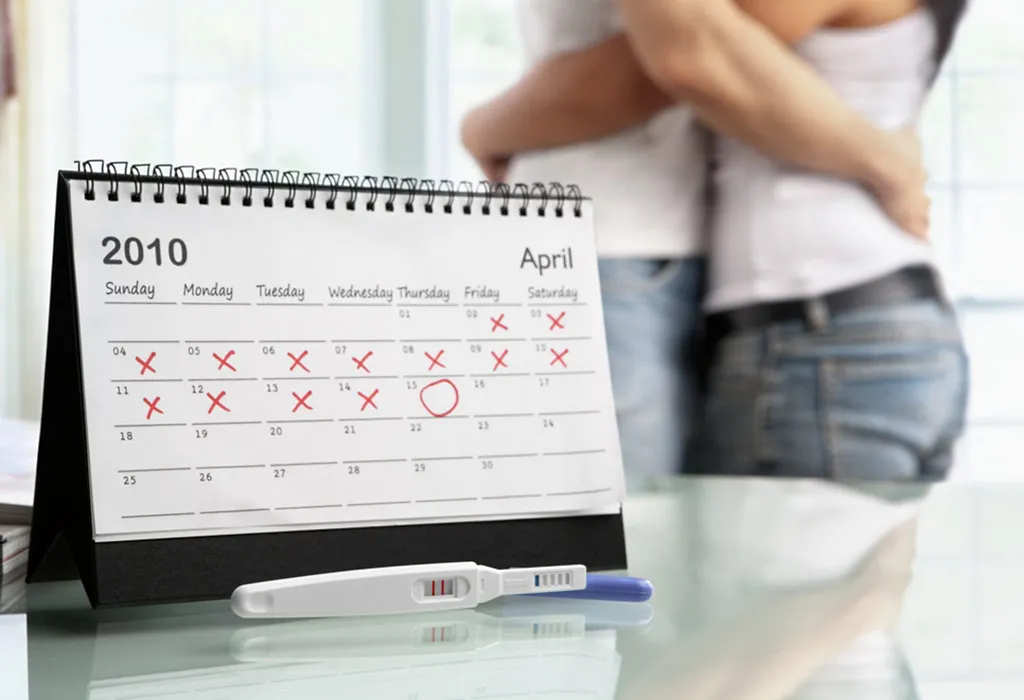
Using ovulation tracking methods like basal body temperature (BBT), ovulation predictor kits (OPKs), and cervical mucus observation can help identify these fertile days even when cycles are irregular. Intercourse timed during this window significantly increases the chances of conception.
Recommended: Holistic Tips for Boosting Female Libido Without Medication
It is often suggested to have sex every 2 to 3 days during the cycle, especially around the time when you think you might be fertile, because ovulation can happen at different times during the cycle. This method makes sure that sperm is available when ovulation happens, which increases the chances of getting pregnant even when cycles are irregular.
Conclusion
Conceiving with irregular periods can be challenging, but understanding your cycle, tracking ovulation, and making lifestyle adjustments can significantly improve your chances. Paying attention to fertility signs, maintaining a healthy diet, managing stress, and seeking medical guidance when necessary are all important steps.
If natural methods take longer or underlying conditions affect ovulation, women with irregular cycles may also benefit from advanced fertility options. To get pregnant, you need to be consistent, patient, and aware of your body. Women with irregular periods can improve their chances of getting pregnant and start building a family by carefully planning and getting help.