

High prolactin in men is a hormonal imbalance that can quietly disrupt sexual health, energy levels, and overall well being. While prolactin is commonly associated with women and breastfeeding, men also produce this hormone in smaller amounts. When levels rise above normal, it can interfere with testosterone production, reduce libido, and affect fertility. Because the symptoms often develop gradually, many men may not immediately realize that elevated prolactin is the underlying cause of their low sex drive or persistent fatigue.
Many men with high prolactin experience subtle symptoms at first, such as reduced sexual desire, difficulty maintaining erections, fatigue, mood changes, or even unexplained weight gain. Because these signs can easily be mistaken for stress, aging, or low testosterone alone, the condition often goes undiagnosed for a long time. In some cases, high prolactin may be linked to underlying issues such as pituitary disorders, medication use, or thyroid dysfunction.
In this article, we will explore the signs of high prolactin in men, how it affects libido and testosterone levels, the common causes behind elevated prolactin, and the available treatment options to restore hormonal balance and improve sexual health.
What Does Prolactin Do in the Male Body?
Prolactin is a hormone produced by the pituitary gland, a small gland located at the base of the brain. Although it is best known for its role in breast milk production in women, prolactin also plays important functions in the male body.

In men, prolactin helps regulate the reproductive system by interacting closely with testosterone and other sex hormones. At normal levels, it supports healthy sperm production and contributes to overall sexual satisfaction after ejaculation. It also works alongside dopamine, a brain chemical that influences mood, motivation, and sexual desire.
Recommended: Can Lifting Weights Boost Male Libido Naturally?
Prolactin plays a role in immune system regulation and may help maintain emotional stability. However, balance is key. When prolactin levels become too high, it can suppress testosterone production, reduce libido, and disrupt normal sexual function.
In short, prolactin is not a “female hormone.” It is an important hormone in men, but it must remain within a healthy range to support proper sexual and hormonal health.
Normal Prolactin Levels in Men
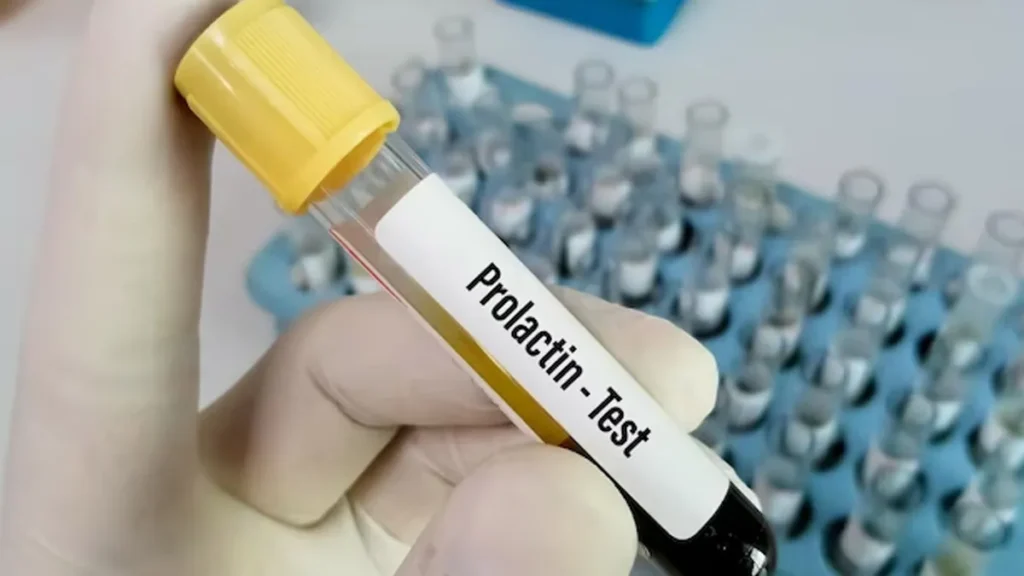
Normal prolactin levels in men are typically low compared to women. In most laboratories, the healthy reference range falls between 2 to 18 nanograms per milliliter (ng/mL). Slight variations may occur depending on the lab and testing method used.
Prolactin levels naturally fluctuate throughout the day. They tend to be higher during sleep and early in the morning, which is why doctors often recommend taking the blood test a few hours after waking. Temporary increases can also occur due to stress, intense exercise, sexual activity, or even anxiety before a blood draw.
When prolactin levels rise above the normal range, the condition is known as hyperprolactinemia. Mild elevations may not cause noticeable symptoms at first, but significantly high levels can interfere with testosterone production, reduce libido, and affect fertility.
If a test shows elevated prolactin, doctors usually repeat the blood work to confirm the result before investigating the underlying cause.
What Causes High Prolactin in Men?
High prolactin in men, also called hyperprolactinemia, can result from several factors that affect the pituitary gland or hormone balance. Understanding the causes can help identify the right treatment.
1. Pituitary Tumors (Prolactinomas)
A prolactinoma is a benign tumor on the pituitary gland that produces excess prolactin. Even small tumors can raise prolactin levels enough to affect libido, testosterone, and fertility. Larger tumors may cause headaches and vision changes.
Recommended: Why Do I Have Low Libido After Quitting Smoking?
2. Certain Medications
Some medications can increase prolactin as a side effect. Common examples include:
- Antidepressants, especially SSRIs
- Antipsychotic drugs
- Blood pressure medications like verapamil
- Anti-nausea drugs
3. Hypothyroidism

An underactive thyroid gland reduces thyroid hormone levels, which can trigger the pituitary gland to release more prolactin. Treating hypothyroidism often helps normalize prolactin levels.
4. Chronic Stress
High stress elevates cortisol, which can indirectly increase prolactin levels. Stress-related hyperprolactinemia may be temporary but can still impact libido if prolonged.
5. Lifestyle Factors
Excessive alcohol consumption, drug use, or poor sleep patterns can contribute to elevated prolactin levels in some men.
6. Other Health Conditions
- Kidney disease or liver problems may affect hormone clearance
- Chest trauma or surgery can sometimes trigger prolactin elevation
Identifying the exact cause of high prolactin is essential because treatment depends on whether it is due to a medical condition, medication, or lifestyle factor.
How High Prolactin Affects Libido
High prolactin levels can have a major impact on a man’s sexual desire and performance. Libido, or sexual drive, is closely tied to testosterone levels and the brain’s reward system, both of which can be disrupted when prolactin is elevated.
1. Suppression of Testosterone Production
Excess prolactin signals the brain to reduce the release of gonadotropin-releasing hormone (GnRH). This in turn lowers luteinizing hormone (LH) and follicle-stimulating hormone (FSH) production, which are essential for testosterone and sperm production. Reduced testosterone directly decreases sexual desire, energy, and motivation for sex.
2. Interference with Dopamine
Dopamine is a neurotransmitter that stimulates sexual desire and arousal. High prolactin levels inhibit dopamine activity, making it harder for men to feel sexual excitement or maintain interest in sexual activity.
Recommended: Why Am I Experiencing Low Libido in Marriage?
3. Erectile Dysfunction and Performance Issues
Although prolactin itself does not cause erectile dysfunction, the resulting low testosterone and reduced dopamine can make it harder to achieve or maintain erections. This can also create a cycle of anxiety and reduced sexual confidence, further lowering libido.
4. Psychological Impact
Men with hyperprolactinemia may experience mood swings, fatigue, or mild depression, all of which can reduce sexual interest. Low libido can sometimes affect relationships and emotional well-being if not addressed.
Early Signs of High Prolactin in Men
High prolactin levels in men often develop gradually, making early symptoms easy to overlook. Recognizing these signs early can help prevent long-term effects on sexual and hormonal health.
- Reduced Sexual Desire: A noticeable decrease in libido is often one of the first signs. Men may find themselves less interested in sex or sexual thoughts, even if their partner and relationship remain the same.
- Mild Erectile Dysfunction: Difficulty achieving or maintaining an erection can appear early. This is usually linked to reduced testosterone and dopamine levels caused by elevated prolactin.
- Fatigue and Low Energy: Persistent tiredness or low stamina, even after adequate rest, may indicate hormonal imbalance. High prolactin can disrupt normal energy metabolism, leaving men feeling sluggish.
- Mood Changes: Elevated prolactin may contribute to irritability, low motivation, or mild depression. Emotional changes can further reduce sexual desire and overall quality of life.
- Difficulty Building Muscle: Men may notice reduced strength or slower progress in workouts. High prolactin suppresses testosterone, which plays a crucial role in muscle growth and maintenance.
- Occasional Breast Tenderness: Some men may experience mild breast swelling or tenderness, even before more obvious physical changes like gynecomastia appear.
Early detection of high prolactin allows for treatment that can restore testosterone levels, improve libido, and prevent complications such as infertility or sexual dysfunction.
Treatment Options for High Prolactin in Men
When high prolactin is diagnosed, treatment focuses on addressing the underlying cause, restoring hormonal balance, and improving sexual health. The right approach depends on whether the cause is a medical condition, medication, or lifestyle factor.
1. Dopamine Agonist Medications
Medications such as cabergoline and bromocriptine are commonly prescribed. These drugs mimic dopamine in the brain, which naturally inhibits prolactin production. They are highly effective in lowering prolactin levels, shrinking pituitary tumors, and restoring libido and testosterone levels.
Recommended: Does Sermorelin Increase Libido?
2. Treating Underlying Conditions
If high prolactin is caused by hypothyroidism, thyroid hormone replacement therapy can normalize prolactin levels. Addressing other medical conditions such as kidney or liver issues may also help regulate hormone balance.
3. Adjusting Medications
If certain medications are causing elevated prolactin, a doctor may adjust the dosage, switch to an alternative drug, or manage side effects. Never stop prescription medications without medical guidance.
4. Lifestyle Changes
- Stress management: Meditation, deep breathing, or yoga can reduce cortisol, indirectly helping prolactin levels.
- Sleep optimization: Quality sleep supports hormone balance.
- Moderate alcohol intake and avoiding recreational drugs can prevent prolactin spikes.
5. Surgery or Radiation
In rare cases where a pituitary tumor does not respond to medication, surgical removal or targeted radiation may be necessary. Surgery usually restores prolactin levels and relieves pressure-related symptoms like headaches or vision changes.
6. Follow-Up and Monitoring
Regular blood tests are important to monitor prolactin, testosterone, and thyroid levels. This ensures the treatment is working and prevents long-term complications such as infertility or persistent low libido.
Can High Prolactin Be Reversed Naturally?
Yes, high prolactin in men can sometimes be improved naturally, especially when the increase is mild or related to lifestyle factors rather than medical conditions like pituitary tumors. By addressing stress, sleep, diet, and exercise, men can help support hormone balance and reduce prolactin levels. While these methods may not fully replace medical treatment for severe hyperprolactinemia, they can make a meaningful difference in sexual health, energy, and overall well-being.
Recommended: Does Getting a Vasectomy Affect your Libido?
Managing stress is one of the most effective natural strategies. Chronic stress raises cortisol, which can indirectly elevate prolactin, so practices like meditation, yoga, deep breathing exercises, and mindfulness can help regulate hormone levels. Consistently getting quality sleep is also important, as prolactin naturally fluctuates during the day and is higher during sleep, meaning poor sleep patterns can worsen hormonal imbalance.
Nutrition and regular exercise further support healthy prolactin levels. Eating zinc-rich foods, vitamin B6 sources, and limiting processed foods and alcohol can promote testosterone production and hormone stability. Moderate strength training and cardiovascular exercise improve overall hormonal function and sexual health. While these natural strategies may not work for everyone, combining them with medical guidance can significantly improve symptoms and restore libido over time.
Conclusion
High prolactin in men is more than just a hormonal number; it can quietly affect libido, energy, mood, and overall sexual health. Recognizing the early and advanced signs, understanding the underlying causes, and seeking appropriate treatment are essential steps in restoring hormonal balance.
Medical treatments such as dopamine agonists or addressing underlying conditions are highly effective, especially in cases caused by pituitary tumors or significant hormonal imbalances. At the same time, lifestyle changes, stress management, quality sleep, proper nutrition, and regular exercise can support natural hormone regulation and improve symptoms, particularly in mild cases.
In this article, we explored how high prolactin affects men, its impact on libido, and practical ways to manage it. By combining awareness, medical guidance, and healthy lifestyle habits, men can regain sexual health, improve energy levels, and maintain overall well-being.