
Sperm DNA Fragmentation occurs when the genetic material inside sperm cells becomes damaged. This damage can affect the sperm’s ability to fertilize an egg and may lead to lower chances of conception or increased risk of miscarriage. It is a growing concern for men who are trying to start a family and want to ensure optimal reproductive health.
One of the main causes of sperm DNA fragmentation is oxidative stress. Free radicals in the body can damage sperm cells if there are not enough antioxidants to neutralize them. Other factors such as poor diet, smoking, excessive alcohol, infections, and certain medical conditions can also contribute to increased DNA fragmentation.
Antioxidants play a crucial role in protecting sperm from this type of damage. They work by neutralizing free radicals and supporting the repair of damaged DNA. Research has shown that certain antioxidants can improve sperm quality, motility, and overall reproductive outcomes.
In this article, we will highlight the top antioxidants that are effective in reducing sperm DNA fragmentation. We will discuss vitamins, minerals, and natural compounds that have been studied for their protective effects on sperm health.
What is Sperm DNA Fragmentation?
Sperm DNA fragmentation is a condition where the DNA within a sperm cell becomes damaged or broken into pieces. Normally, sperm carries intact genetic material that combines with the egg’s DNA to form a healthy embryo. When this DNA is fragmented, it can reduce the sperm’s ability to fertilize an egg properly or increase the risk of miscarriage.
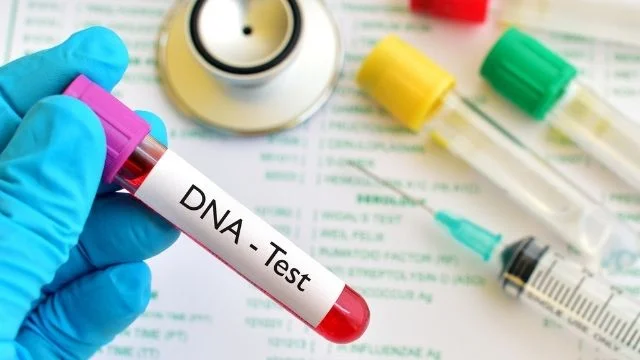
DNA fragmentation can happen due to oxidative stress, which occurs when there are too many harmful free radicals in the body and not enough antioxidants to neutralize them. Other causes include infections, inflammation, lifestyle factors like smoking or poor diet, exposure to toxins, high heat, or certain medical conditions.
Recommended: How Can I Improve Sperm Motility Naturally?
High levels of sperm DNA fragmentation are often linked to male infertility, even when sperm count and motility appear normal. Testing for DNA fragmentation can help identify hidden fertility issues and guide treatments, including the use of antioxidants, lifestyle changes, or assisted reproductive techniques.
Essentially, sperm DNA fragmentation is a measure of genetic quality in sperm, and reducing it is crucial for improving fertility and increasing the chances of a healthy pregnancy.
How Sperm DNA Fragmentation Affects Male Fertility and Reproductive Outcomes
Sperm DNA fragmentation can have a significant impact on male fertility, even if a man has a normal sperm count and motility. Here are the main ways it affects fertility and reproductive outcomes:
- Reduced Fertilization Ability: Damaged DNA in sperm can make it harder for the sperm to successfully fertilize an egg, leading to difficulties in achieving pregnancy naturally.
- Poor Embryo Development: High DNA fragmentation can cause embryo arrest or poor embryo quality, lowering implantation rates during assisted reproductive techniques like IVF or ICSI.
- Increased Risk of Miscarriage: Even if conception occurs, fragmented sperm DNA can prevent proper embryo development, increasing the chances of early pregnancy loss.
- Potential Genetic Abnormalities: Sperm DNA damage may contribute to genetic issues in offspring, though this risk is generally lower compared to its effect on fertility and embryo development.
- Lower Success Rates in Fertility Treatments: Couples undergoing treatments like IVF or ICSI may experience reduced success due to poor sperm DNA integrity.
Recommended: Which Specific Herbs (Like Ashwagandha, Maca, or Tongkat Ali) Are Most Effective for Sperm Quality Improvement?
Reducing sperm DNA fragmentation is therefore essential for improving fertility outcomes, supporting healthy embryo development, and increasing the likelihood of a successful pregnancy.
What Are Antioxidants and How Do They Work?
Antioxidants are natural compounds that help protect the body’s cells from damage caused by free radicals. Free radicals are unstable molecules produced during normal metabolism or from external factors such as pollution, smoking, alcohol, and poor diet. When free radicals accumulate, they can cause oxidative stress, which damages cells, proteins, and DNA, including sperm DNA.
Antioxidants work by neutralizing free radicals, stopping them from causing further damage. They donate electrons to these unstable molecules, stabilizing them and preventing them from harming healthy cells. This protective action is essential for maintaining the integrity of sperm DNA and supporting overall reproductive health.
There are many types of antioxidants, including vitamins, minerals, and natural compounds found in food or supplements. Some antioxidants are water-soluble, like vitamin C, and protect cells in the fluid around them. Others, like vitamin E, are fat-soluble and protect cell membranes, including sperm membranes, from oxidative damage.
By reducing oxidative stress, antioxidants help improve sperm quality, motility, and DNA integrity, which can enhance fertility outcomes and increase the chances of a successful pregnancy.
Recommended: How to Make Sperm Stronger for Pregnancy
How to Choose the Right Antioxidant Supplement
Choosing the right antioxidant supplement can make a significant difference in reducing sperm DNA fragmentation and supporting male fertility. Here are the key steps to consider:
1. Identify the Type of Antioxidant Needed
Different antioxidants have different benefits for sperm health. Vitamins like C and E protect sperm DNA from oxidative damage, minerals such as selenium and zinc support DNA repair and sperm quality, and compounds like Coenzyme Q10, L-Carnitine, and omega-3 fatty acids improve motility and overall sperm function. Understanding which antioxidant addresses your specific needs is the first step.
2. Check Dosage and Effectiveness
Taking the correct dosage is essential. Too little may not have any effect, while too much can cause side effects or nutrient imbalances. Research-backed doses from clinical studies are often the safest guideline. Following professional recommendations ensures the supplement works effectively without harming your health.
3. Consider Combination Supplements
Some antioxidants work better together due to synergistic effects. For example, vitamin C enhances the effect of vitamin E, providing stronger protection against oxidative stress. Choosing a combination supplement or a well-planned mix can maximize benefits for sperm DNA integrity.
Recommended: Best Foods to Increase Sperm Count and Motility
4. Verify Quality and Safety
Not all supplements are created equal. Look for brands that are third-party tested, free from harmful additives, and manufactured according to good quality standards. High-quality supplements reduce the risk of contamination and ensure the product contains the promised ingredients.
5. Consult a Healthcare Professional
Before starting any supplement, it is important to consult a doctor or fertility specialist. They can help determine which antioxidant or combination is best for your specific situation, recommend appropriate doses, and monitor for potential interactions with other medications or health conditions.
Top Antioxidants for Reducing Sperm DNA Fragmentation
Certain antioxidants have been shown to protect sperm DNA from oxidative damage and improve male fertility. Here are the top antioxidants that can help reduce sperm DNA fragmentation:
Vitamin C
Vitamin C is a powerful antioxidant that protects sperm DNA from oxidative stress and helps improve sperm motility. It stabilizes free radicals and prevents them from causing damage to the sperm’s genetic material. Natural sources of vitamin C include citrus fruits such as oranges and lemons, strawberries, kiwi, and bell peppers.
Vitamin E
Vitamin E strengthens sperm cell membranes and reduces DNA damage by protecting cells from oxidative stress. It works well alongside vitamin C to enhance antioxidant effects. Foods rich in vitamin E include nuts, seeds, spinach, and broccoli.
Coenzyme Q10 (CoQ10)
CoQ10 plays a key role in energy production within sperm cells, which supports better motility and DNA integrity. It can help men with high sperm DNA fragmentation improve reproductive outcomes. CoQ10 is found naturally in organ meats, fatty fish, and is also available as a supplement.
L-Carnitine
L-Carnitine improves sperm energy metabolism and motility, making it easier for sperm to reach and fertilize the egg. It is particularly beneficial for men with low sperm motility. Red meat, dairy products, and supplements are good sources of L-Carnitine.
Selenium
Selenium supports the repair of sperm DNA and protects cells against oxidative damage. Adequate selenium levels are essential for overall male reproductive health. Selenium can be obtained from Brazil nuts, seafood, and eggs.
Zinc
Zinc is crucial for sperm quality, count, and DNA integrity. A deficiency in zinc is often associated with poor sperm health. It can be found in meat, shellfish, legumes, and seeds.
Omega-3 Fatty Acids
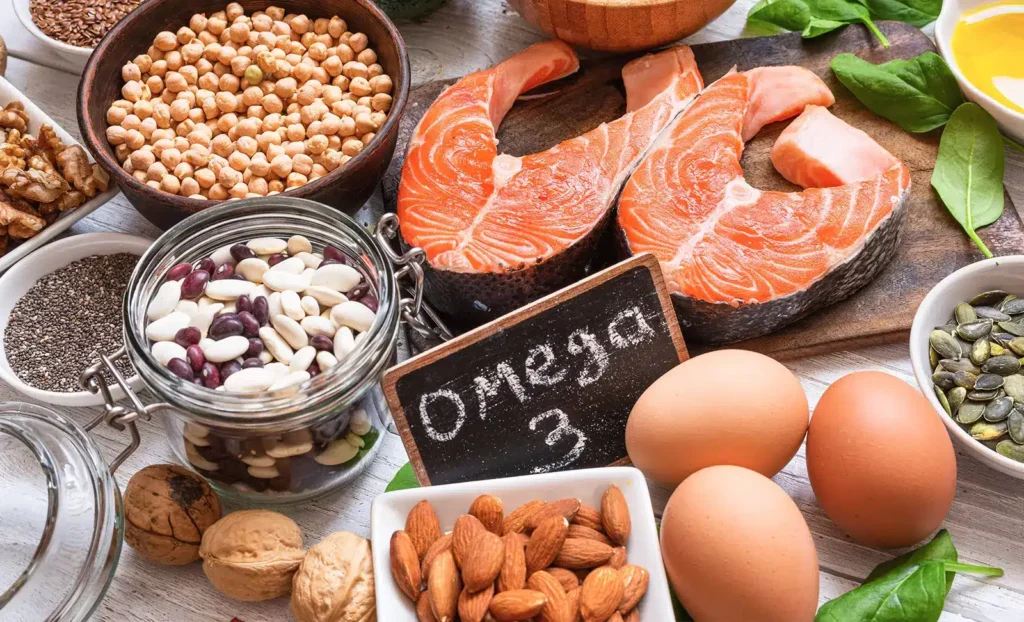
Omega-3 fatty acids reduce oxidative stress and improve the fluidity of sperm membranes, which is important for proper sperm function and structure. They are present in fatty fish such as salmon, flaxseeds, and walnuts.
Recommended: Can Taking Testosterone Supplement Make You Have Low Sperm Count?
Other Emerging Antioxidants
Emerging antioxidants like lycopene, astaxanthin, and resveratrol have shown potential in reducing sperm DNA fragmentation and improving overall sperm health. Lycopene is abundant in tomatoes, astaxanthin is found in salmon and shrimp, and resveratrol is present in grapes and berries.
Tips for Improving Overall Sperm Health
Taking antioxidants can help protect sperm DNA, but combining them with healthy lifestyle habits can further improve sperm quality and fertility outcomes. Here are some practical tips:
- Exercise Regularly: Engage in moderate physical activity to improve circulation and hormone balance, but avoid excessive exercise that may increase oxidative stress.
- Eat a Balanced Diet: Include fruits, vegetables, whole grains, lean proteins, and healthy fats to provide essential nutrients and antioxidants.
- Avoid Harmful Habits: Quit smoking, limit alcohol intake, and avoid recreational drugs.
- Minimize Exposure to Toxins: Reduce contact with pesticides, heavy metals, and avoid prolonged heat exposure from saunas or laptops.
- Manage Stress: Practice relaxation techniques, meditation, or deep breathing exercises to lower stress levels.
- Get Adequate Sleep: Maintain consistent sleep patterns to support sperm production and DNA integrity.
- Regular Medical Checkups: Monitor reproductive health, check hormone levels, and address any underlying fertility issues early.
Conclusion
Sperm DNA fragmentation is a key factor that can affect male fertility, embryo development, and the chances of a successful pregnancy. While it may seem complex, reducing DNA fragmentation is possible through the combination of antioxidants, a healthy lifestyle, and careful monitoring of reproductive health.
Antioxidants such as vitamins C and E, Coenzyme Q10, L-Carnitine, selenium, zinc, and omega-3 fatty acids play a crucial role in protecting sperm DNA from oxidative damage. Incorporating these through a balanced diet or supplements can improve sperm quality, motility, and genetic integrity. Choosing the right antioxidant supplement requires attention to type, dosage, quality, and professional guidance to maximize effectiveness and safety.
In addition to supplementation, lifestyle habits such as regular exercise, a nutrient-rich diet, stress management, adequate sleep, and avoiding toxins and harmful habits are essential for overall sperm health. Combining these strategies provides a comprehensive approach to enhancing fertility and supporting reproductive outcomes.
By understanding the causes of sperm DNA fragmentation and taking proactive steps with antioxidants and lifestyle changes, men can significantly improve their reproductive health and increase the likelihood of a successful pregnancy.