

Why it feels like a ‘wall’ during sex is a concern that many people search for when they experience unexpected tightness, blockage, or discomfort during penetration. This sensation can feel confusing, especially when there is desire and emotional readiness but the body responds differently.
In many cases, this experience leads people to worry about conditions like vaginismus, which is often discussed online in relation to penetration difficulties. While it is one possible explanation, it is not the only reason someone may feel resistance or a “wall” sensation during sex.
One important condition to understand is Vaginismus, which involves involuntary tightening of the pelvic floor muscles during attempted penetration. This muscle response can make sex painful, difficult, or sometimes impossible, and it is often linked to anxiety, fear, or past experiences.
However, not all cases are caused by vaginismus. The sensation can also result from natural anatomy, cervical contact during deep penetration, low arousal, or lack of sufficient relaxation. These factors can create a feeling of pressure or stopping without any underlying disorder.
Emotional and psychological factors also play a significant role. Stress, tension, or discomfort with a partner can cause the pelvic muscles to tighten unconsciously, which may contribute to the sensation of resistance during sex.
Here, we will explore what the “wall” sensation really means during sex, how vaginismus may be involved in some cases, and other physical causes helping you understand when it is a medical concern and when it is a normal variation of sexual experience.
What People Mean by a “Wall” Sensation During Sex
The phrase “wall sensation” during sex is not a medical term, but it is commonly used to describe a feeling of sudden resistance, blockage, or stopping during penetration. Some people describe it as if something is physically preventing deeper movement, while others feel it as discomfort or pressure that makes penetration difficult to continue.

This sensation can vary from person to person. For some, it feels like hitting a firm barrier deep inside the vagina. For others, it may feel like tightness at the entrance or a sudden inability for penetration to continue comfortably. Because the experience is subjective, people use different words to explain the same general feeling.
Recommended: Is Burning During Penetration a Sign of Vaginismus?
In some cases, this sensation is linked to involuntary muscle tightening. A condition such as Vaginismus can contribute to this feeling, where the pelvic floor muscles contract automatically during attempted penetration, creating a sense of resistance or blockage. However, not everyone who experiences a “wall” sensation has this condition.
It is also important to understand that the sensation can come from normal anatomical contact, especially when the cervix is reached during deeper penetration. Depending on arousal level, position, and natural body differences, this can feel like a stopping point rather than a smooth continuation.
Because of these variations, the “wall” sensation is better understood as a description of experience rather than a single diagnosis. It can reflect physical factors, muscle response, emotional state, or a combination of all three, which is why understanding context is important before drawing conclusions.
Why Does It Feel Like a ‘Wall’ During Sex?
The feeling of a ‘wall’ during sex is a description many people use when penetration suddenly feels blocked, restricted, or uncomfortable. This sensation can come from several different physical and emotional factors, and it does not always indicate a serious medical problem. Below are the main reasons explained in detail.
1. Involuntary Muscle Tightening (Vaginismus)
One of the possible causes is a condition called Vaginismus. This happens when the pelvic floor muscles tighten automatically during attempted penetration. The tightening is not under conscious control, so even when a person wants to have sex, the body may react by closing or resisting. This can create a strong sensation of blockage, especially at the entrance, making penetration difficult or painful. It is often linked to anxiety, fear of pain, or past negative experiences, but sometimes there is no clear cause.
2. Contact With the Cervix During Deep Penetration
The cervix sits at the top of the vaginal canal and is different for each person in position and sensitivity. During deeper penetration, certain angles or positions may cause the penis or object to touch the cervix. This can feel like a firm “stop” or deep pressure, which is often described as hitting a wall. For some people it is mildly uncomfortable, while for others it can feel sharp or unpleasant, especially if arousal is low.
3. Low Sexual Arousal
When the body is not fully aroused, the vagina does not naturally expand, lengthen, or lubricate as much. This means the muscles remain tighter and the canal is less flexible. In this state, penetration can feel restricted or harder than expected. With adequate arousal, the vaginal tissues become more relaxed and accommodating, which reduces the likelihood of that “wall” sensation.
Recommended: Can Vaginismus Develop Suddenly?
4. Anxiety, Stress, or Emotional Tension
Emotional state has a strong effect on physical response. Stress, nervousness, fear, or discomfort with a partner can cause the pelvic muscles to tighten without intention. This is part of the body’s natural protective response. Even if a person is willing, emotional tension can still lead to physical resistance, making penetration feel blocked or difficult.
5. Position, Angle, and Depth of Penetration
Different sexual positions change the angle and depth of penetration. Some positions allow deeper thrusting, which increases the chance of reaching sensitive internal structures like the cervix. If the angle is not aligned comfortably, it can create a sensation of hitting resistance. Small adjustments in position or depth can significantly change comfort levels.
6. Natural Anatomical Differences
Every person’s body is different. Vaginal depth, cervix position, and muscle tone can vary naturally. Some people naturally have a lower or more sensitive cervix, while others have shorter or tighter vaginal canals. These differences can influence how penetration feels and may explain why the “wall” sensation happens in some cases even without any medical issue.
Signs That May Suggest Vaginismus
The experience of pain or resistance during sex is not always caused by a medical condition, but in some cases it may be linked to a condition called Vaginismus. This condition involves involuntary tightening of the pelvic floor muscles, which makes penetration difficult or painful. The signs can vary in intensity, but there are some common patterns that may suggest it is present.
1. Difficulty With Penetration

One of the most common signs is consistent difficulty allowing penetration. This may happen during sexual intercourse, tampon use, or even gynecological examinations. The entrance may feel like it is “closing up” or refusing entry even when there is desire or readiness.
Recommended: Dyspareunia vs. Vulvodynia: Is All Painful Intercourse the Same Condition?
2. Burning, Stinging, or Sharp Pain at the Entrance
People with vaginismus often report pain that is located at or near the vaginal opening rather than deep inside. This pain can feel like burning, stinging, or sharp discomfort that appears immediately when penetration is attempted.
3. Involuntary Muscle Tightening
A key feature is that the pelvic floor muscles contract automatically without conscious control. This tightening can make the vagina feel very narrow or blocked, creating a strong resistance sensation during attempted penetration.
4. Anxiety or Fear Before Penetration
Many people experience emotional tension before sexual activity or pelvic exams. This may include fear of pain, worry about penetration, or anticipation of discomfort. This emotional response can trigger or worsen the muscle tightening.
5. Avoidance of Sexual Activity or Pelvic Exams
Because of discomfort or fear, some individuals may begin avoiding sex, tampon use, or medical examinations. This avoidance is often not intentional but a response to anticipating pain or difficulty.
6. Pain that Improves When Penetration is Not Attempted
A common pattern is that there is no pain in daily life, but discomfort appears specifically during attempted penetration. This distinction helps separate vaginismus from other conditions that cause constant pelvic pain.
Recommended: How Can You Manage Depression That Stems from Sexual Dysfunction?
How Vaginismus Differs from Normal Deep Pressure
Understanding the difference between normal deep pressure during sex and a condition like Vaginismus is important because the two experiences can feel similar at first but have very different causes and patterns. Normal deep pressure usually happens when penetration reaches deeper structures in the vagina, especially the cervix, while vaginismus involves involuntary muscle tightening that restricts penetration from the beginning.
In normal deep pressure, the sensation is usually felt deeper inside the body and is often described as fullness or firm contact. It tends to depend on angle, position, and depth of penetration, and it may change or reduce when arousal increases or when positions are adjusted. Most importantly, it does not involve a complete physical blocking at the entrance of the vagina.
In contrast, vaginismus is more about resistance at or near the vaginal opening. The pelvic floor muscles tighten automatically, making penetration feel difficult, restricted, or even impossible. This tightening can happen even when there is desire, emotional readiness, and no deep penetration involved. The sensation is often more like a “stop” or closure rather than deep pressure.
Another key difference is the emotional and physical response pattern. Normal deep pressure may be slightly uncomfortable but is usually manageable and situational, while vaginismus is often associated with fear, anxiety, or anticipation of pain, which can intensify the muscle response. Because of this, vaginismus tends to be repetitive and persistent across different situations, whereas normal deep pressure varies depending on conditions and positioning.
Treatment Options for Vaginismus
1. Pelvic Floor Relaxation Therapy
One of the main treatments is learning how to relax the pelvic floor muscles. This may involve breathing techniques, guided relaxation, and exercises that help the person become aware of and control muscle tension. A physiotherapist who specializes in pelvic health may also guide exercises that gently retrain the muscles to stop involuntary tightening during penetration.
Recommended: How Effective is Pelvic Floor Therapy For Vaginismus?
2. Vaginal Dilator Therapy

Vaginal dilators are smooth, tube-like devices used in increasing sizes to help the body gradually become comfortable with penetration. The process starts with the smallest size and progresses slowly at a comfortable pace. This helps reduce sensitivity and retrain the body to accept penetration without triggering muscle spasm or fear.
3. Cognitive and Behavioral Therapy
Since anxiety, fear, or past negative experiences can contribute to vaginismus, psychological support is often helpful. Therapy such as cognitive behavioral therapy can help address fear of pain, reduce anticipatory anxiety, and change negative thought patterns associated with penetration or intimacy.
4. Couples Therapy and Communication Support
In many cases, involving a partner can improve understanding and reduce pressure during intimacy. Couples therapy helps improve communication, build patience, and create a supportive environment where sexual activity is not rushed or forced. This reduces emotional tension, which can also reduce muscle tightening.
5. Medical Evaluation and Treatment of Underlying Causes
A healthcare provider may also check for any physical conditions that could contribute to pain or tightness, such as infections or pelvic inflammation. Treating any underlying issue can improve comfort and make other therapies more effective.
Recommended: Creating a Pain Management Plan for Chronic Sexual Pain
Supportive Strategies for Comfort and Healing the “Wall” Feeling During Sex
1. Prioritize Arousal and Adequate Foreplay
One of the most effective ways to reduce the “wall” sensation is allowing enough time for arousal. When the body is fully aroused, the vaginal tissues naturally become more flexible, lubricated, and relaxed. This reduces tightness and helps penetration feel smoother and more comfortable. Rushing into penetration often increases resistance.
2. Use Slow Pacing and Controlled Depth
Moving slowly and avoiding deep, forceful penetration can help prevent hitting sensitive internal structures like the cervix. Slower movements give the body time to adjust and reduce the chance of sudden discomfort. Controlling depth also helps identify what feels comfortable and what does not.
3. Try Different Sexual Positions
Some positions allow better control over depth and angle, which can reduce the sensation of hitting a “wall.” Positions where the receiving partner can guide movement or adjust angles often improve comfort. Small changes in positioning can significantly reduce pressure or discomfort.
4. Focus on Relaxation and Breathing Techniques
Stress and anxiety can cause involuntary tightening of the pelvic muscles. Deep breathing, relaxation techniques, and consciously releasing tension in the body can help reduce this response. When the body is relaxed, penetration is usually more comfortable and less restricted.
Recommended: Non-Penetrative Ways to Build Intimacy and Pleasure
5. Use Lubrication When Needed
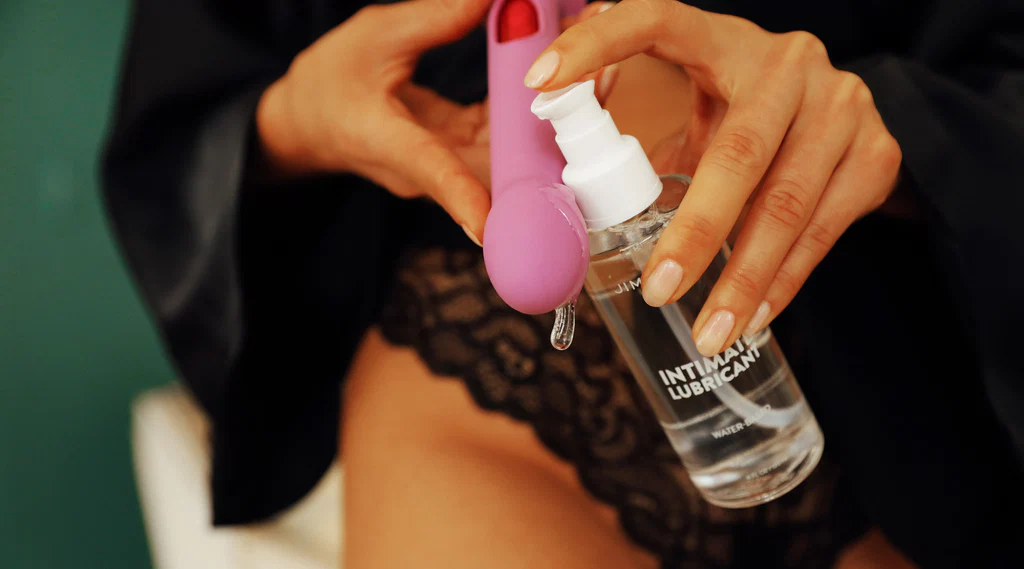
Insufficient lubrication can increase friction and make penetration feel tighter or more uncomfortable. Using a suitable lubricant can reduce resistance and improve comfort, especially if natural lubrication is low due to stress, hormonal changes, or insufficient arousal.
6. Communicate Openly With a Partner
Clear communication helps reduce pressure and misunderstandings. Expressing discomfort early allows adjustments in pace, position, or depth. A supportive partner can make the experience less stressful, which also helps the muscles relax naturally.
7. Seek Professional Help if the Sensation is Persistent
If the “wall” feeling is frequent, painful, or prevents penetration entirely, it is important to consult a healthcare professional. A proper evaluation can help determine whether it is related to vaginismus or another condition and guide appropriate treatment.
Conclusion
The “wall” sensation during sex is a common experience that can feel confusing, but it is usually explained by a combination of physical, emotional, and situational factors rather than a single cause. In some cases, it may be related to involuntary muscle tightening such as in Vaginismus, while in others it may simply result from arousal levels, sexual position, natural anatomy, or cervical contact during deeper penetration.
Understanding the difference between normal sensations and persistent discomfort is important. A one-time or occasional feeling of resistance is often normal, especially when the body is not fully relaxed or aroused. However, when the sensation is frequent, painful, or prevents penetration altogether, it may indicate an underlying issue that needs attention.
The good news is that most causes of this sensation are manageable. With patience, communication, relaxation techniques, and in some cases professional support, many people are able to significantly reduce discomfort and improve their sexual experience over time.