
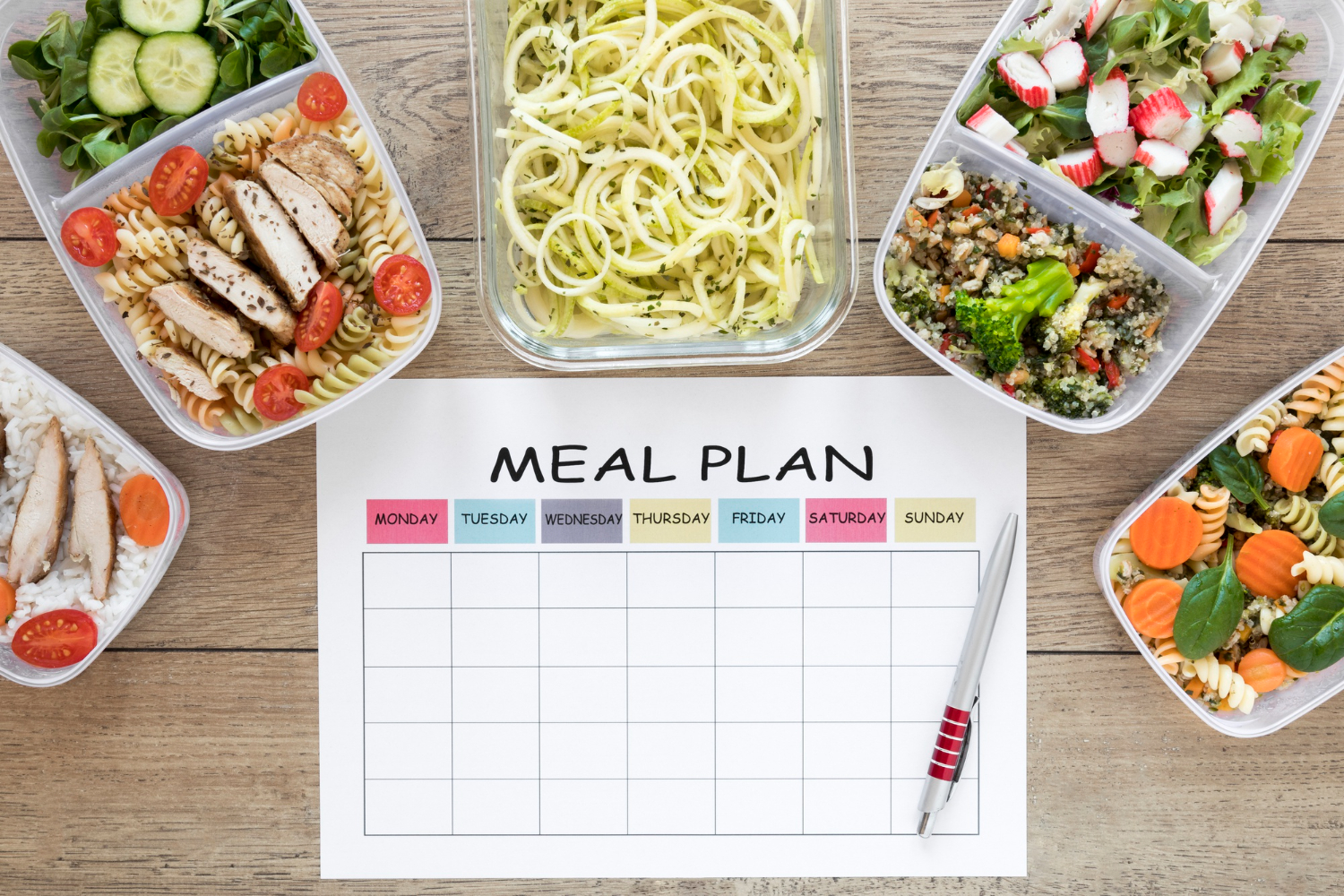
Menopause is a normal part of a woman’s life that causes a lot of changes in her body and hormones. Women may have hot flashes, weight changes, fatigue, mood swings, and trouble sleeping during this time. Eating well is a very important part of managing these symptoms and staying healthy in general. But making healthy meals every day can be hard, especially when you have a lot to do and your energy levels change. Meal prepping is a useful and practical way to deal with this.
Meal prepping lets women plan and make healthy meals ahead of time, which makes it easier to stick to a healthy diet without having to cook every day. Women can better support their bodies during menopause by eating foods that are high in nutrients and good for their bones, hormones, and energy levels.
In this article, we will talk about easy meal prep ideas for menopause, the best foods to eat, and useful tips that will make it easier to eat healthy during this time of life.
Foods That Help Manage Menopause Symptoms

The foods you eat during menopause can have a big effect on how your body reacts to changes in hormones. Some foods that are high in nutrients can help with common menopause symptoms like hot flashes, mood swings, tiredness, and bone loss. Adding these foods to your regular meal prep can help you stay healthy and feel good overall.
Calcium-Rich Foods for Bone Health
When estrogen levels drop during menopause, bones can lose density, which raises the risk of osteoporosis. Foods that are high in calcium help keep bones strong and healthy. Milk, yoghurt, cheese, leafy green vegetables like spinach and kale, and foods that are high in calcium, like plant-based milk and cereals, are all good choices.
Recommended: Strength Training vs Cardio for Menopause Bone Density
Protein-Rich Foods for Muscle Strength
Maintaining muscle mass becomes more important for metabolism and strength as women get older. Adding protein to your meals can help you keep your muscles and feel full longer. Lean meats, fish, eggs, beans, lentils, tofu, and Greek yoghurt are all great sources of protein that are also easy to prepare for meals.
Fiber-Rich Foods for Digestive Health
Changes in hormones can change how your body digests food and burns calories. Foods high in fibre are good for your gut, help keep your blood sugar stable, and help you lose weight. You can make meals that are good for menopause by including whole grains, oats, brown rice, fruits, vegetables, and legumes.
Healthy Fats for Hormonal Support
Healthy fats help the body make hormones and lower inflammation. During menopause, healthy fats found in foods like avocados, olive oil, nuts, seeds, and fatty fish like salmon and sardines can help keep your heart and brain healthy.
Phytoestrogen Foods for Hormone Balance
Phytoestrogens are plant compounds that mimic the effects of estrogen in the body. They may help reduce symptoms such as hot flashes and night sweats. Foods like soybeans, tofu, tempeh, flaxseeds, and chickpeas are rich in phytoestrogens and can be easily added to menopause meal prep recipes.
By regularly including these nutrient-dense foods in your meals, it becomes easier to manage menopause symptoms while supporting long-term health.
Benefits of Meal Prepping During Menopause
Meal prepping can be very helpful during menopause because hormonal changes can change your energy levels, metabolism, and overall health. It is easier to stick to a healthy diet and eat a balanced diet when you plan and prepare your meals ahead of time.
1. Helps Maintain Balanced Nutrition
During menopause, the body requires specific nutrients such as calcium, protein, fiber, and healthy fats. Meal prepping allows you to plan meals that include these important nutrients, helping you maintain a balanced diet that supports bone health, hormone balance, and overall wellness.
2. Saves Time and Reduces Daily Stress
Cooking every day can feel overwhelming, especially for women dealing with fatigue or busy schedules. Meal prepping allows you to prepare several meals at once, reducing the time and effort needed for daily cooking. This makes healthy eating more convenient and less stressful.
Recommended: When Does Menopause Brain Fog End?
3. Supports Healthy Weight Management

Many women notice changes in their metabolism during menopause, which can make weight management more challenging. Preparing meals in advance helps with portion control and reduces the temptation to rely on fast food or highly processed meals that can contribute to weight gain.
4. Encourages Healthier Food Choices
When meals are already prepared, it becomes easier to stick to healthy options. Meal prepping helps reduce impulsive eating and ensures that nutritious foods are readily available when you need them.
5. Helps Manage Menopause Symptoms
Eating regular, well-balanced meals can help stabilize blood sugar levels and support energy throughout the day. This may help reduce symptoms such as mood swings, fatigue, and cravings that can sometimes occur during menopause.
By making meal prepping part of your routine, it becomes easier to maintain a healthy diet and support your body through the changes that occur during menopause.
Recommended: Natural Remedies for Menopause Brain Fog
Essential Foods to Include in Menopause Meal Prep
Including the right foods in your menopause meal prep helps support hormone balance, bone health, energy levels, and overall well being. Below are some important foods to include, along with a brief note on why they are beneficial.
- Salmon: Salmon is rich in omega 3 fatty acids and high quality protein. These healthy fats support heart health, reduce inflammation, and may help improve mood during menopause.
- Greek Yogurt: Greek yogurt is an excellent source of calcium and protein. It helps maintain strong bones, supports muscle health, and keeps you feeling full for longer.
- Oats: Oats are a whole grain that contains fiber and complex carbohydrates. They help regulate blood sugar levels, support digestion, and provide steady energy throughout the day.
- Spinach: Spinach is packed with calcium, iron, and antioxidants. It supports bone health and helps reduce fatigue, which some women experience during menopause.
- Flaxseeds: Flaxseeds are rich in fiber, omega 3 fatty acids, and phytoestrogens. These nutrients may help support hormone balance and reduce menopause symptoms such as hot flashes.
- Chickpeas: Chickpeas are a good source of plant based protein and fiber. They support digestion, help maintain energy levels, and can keep you feeling satisfied after meals.
- Avocados: Avocados contain healthy monounsaturated fats that support heart health and help maintain balanced hormone function.
- Berries: Berries such as blueberries, strawberries, and raspberries are high in antioxidants and vitamins. They help fight inflammation and support overall health.
- Sweet Potatoes: Sweet potatoes are rich in fiber, vitamins, and complex carbohydrates. They provide long lasting energy and support digestive health.
- Tofu: Tofu is made from soy and contains phytoestrogens that may help mimic the effects of estrogen in the body. It is also a good source of plant based protein and calcium.
Foods to Avoid or Limit During Menopause
While certain foods can help manage menopause symptoms, others may worsen issues such as hot flashes, weight gain, mood swings, and sleep disturbances. Limiting or avoiding these foods can help improve overall well being and make it easier to manage hormonal changes during menopause.
- Processed Foods: Highly processed foods such as packaged snacks, fast food, and ready made meals often contain unhealthy fats, preservatives, and excess sodium. These foods can contribute to weight gain, inflammation, and poor heart health.
- Refined Carbohydrates: Refined carbohydrates like white bread, pastries, white rice, and sugary cereals can cause rapid spikes and drops in blood sugar levels. This may lead to increased fatigue, cravings, and mood changes.
- Sugary Foods and Drinks: Foods high in added sugar, such as candies, desserts, sodas, and sweetened beverages, can increase the risk of weight gain and may worsen energy crashes during the day.
- Excess Caffeine: Too much caffeine from coffee, energy drinks, or strong tea may trigger hot flashes and interfere with sleep. Poor sleep can make menopause symptoms feel more intense.
- Alcohol: Alcohol can worsen hot flashes, disrupt sleep patterns, and contribute to weight gain. Limiting alcohol intake may help reduce these symptoms.
- High Sodium Foods: Foods with high salt content, such as processed meats, canned soups, and salty snacks, can contribute to high blood pressure and water retention. Reducing sodium intake supports heart health during menopause.
Recommended: Is Light Spotting Normal for Perimenopause?
Easy Meal Prep for Menopause
Meal prepping during menopause is a practical way to maintain a healthy diet while managing the physical and hormonal changes that come with this stage of life. Preparing meals in advance helps ensure that your body gets the nutrients it needs without the stress of cooking every day. It also makes it easier to avoid unhealthy food choices and maintain balanced eating habits.
1. Start With a Simple Weekly Plan

The first step to easy meal prep is planning your meals for the week. Choose simple recipes that include a good balance of protein, healthy fats, whole grains, and vegetables. Planning ahead helps you create a grocery list and ensures that you have all the ingredients you need. Keeping meals simple also reduces the time spent in the kitchen.
2. Choose Nutrient Rich Ingredients
During menopause, the body benefits from foods that support bone health, hormone balance, and energy levels. Focus on ingredients such as lean proteins like chicken, fish, eggs, beans, and tofu. Include whole grains such as oats, brown rice, and quinoa. Add plenty of fruits and vegetables like spinach, broccoli, berries, and sweet potatoes. Healthy fats such as avocados, nuts, seeds, and olive oil should also be included in your meals.
3. Cook in Batches
Batch cooking is one of the easiest ways to save time when meal prepping. You can cook larger portions of foods such as grilled chicken, roasted vegetables, soups, or whole grains and store them in containers for later use. These prepared ingredients can be mixed and matched to create different meals throughout the week.
4. Prepare Balanced Meals
Each meal should contain a balance of protein, fiber, and healthy fats. For example, a meal could include grilled salmon, roasted vegetables, and quinoa. Balanced meals help maintain stable blood sugar levels, which can reduce fatigue and mood swings that sometimes occur during menopause.
5. Use Proper Storage
Store prepared meals in airtight containers and refrigerate them to maintain freshness. Some meals can also be frozen and reheated later. Labeling your containers with the date can help you keep track of how long the meals have been stored.
Recommended: How to Sleep Better During Menopause
6. Keep Healthy Snacks Ready
Preparing snacks in advance can help prevent unhealthy cravings. Good snack options include yogurt with berries, apple slices with peanut butter, nuts, boiled eggs, or vegetable sticks with hummus. Having these ready makes it easier to maintain healthy eating habits.
7. Rotate Simple Recipes
To avoid boredom, rotate a few simple recipes each week. For example, you can prepare oatmeal or egg muffins for breakfast, grain bowls or salads for lunch, and grilled fish or chicken with vegetables for dinner. Changing ingredients slightly each week keeps your meals interesting while still making meal prep easy.
Meal Prep Tips to Reduce Menopause Symptoms
Meal prepping during menopause is not only about saving time. It can also help reduce common symptoms such as hot flashes, fatigue, mood swings, and weight gain. By preparing balanced and nutrient rich meals in advance, it becomes easier to maintain healthy eating habits that support your body during hormonal changes.
Focus on Balanced Meals
Each prepared meal should include a balance of protein, healthy fats, and fiber rich carbohydrates. This combination helps keep blood sugar levels stable, which can reduce energy crashes, cravings, and mood swings.
Include Foods That Support Hormone Balance
Adding foods that contain phytoestrogens may help support hormone balance during menopause. Ingredients such as soy products, flaxseeds, chickpeas, and lentils can be included in salads, grain bowls, or smoothies during meal prep.
Add Anti Inflammatory Foods
Inflammation in the body can worsen certain menopause symptoms such as joint pain and fatigue. Preparing meals with foods like berries, leafy greens, nuts, olive oil, and fatty fish can help reduce inflammation and support overall health.
Reduce Trigger Foods

When planning meals ahead, it becomes easier to limit foods that may trigger symptoms. Reducing caffeine, added sugar, alcohol, and highly processed foods can help minimize hot flashes and sleep disturbances.
Recommended: 9 Best Supplements For Perimenopause Weight Gain
Stay Hydrated
Dehydration can sometimes worsen fatigue and headaches. Preparing meals with water rich foods such as cucumbers, fruits, and vegetables can help support hydration throughout the day.
Prepare Healthy Snacks in Advance
Healthy snacks can help maintain steady energy levels and prevent overeating later in the day. Prepping snacks such as nuts, yogurt, fruit slices, or vegetable sticks makes it easier to choose nutritious options when hunger strikes.
Control Portion Sizes
Meal prepping allows you to control portion sizes and maintain balanced calorie intake. This can help with weight management, which is often a concern for many women during menopause.
Common Meal Prep Mistakes to Avoid During Menopause
Meal prepping can make healthy eating much easier during menopause, but certain mistakes can reduce its benefits. Avoiding these common errors can help ensure that your meals support hormone balance, energy levels, and overall health.
1. Skipping Protein in Meals
One common mistake is not including enough protein in prepared meals. Protein is important for maintaining muscle mass, supporting metabolism, and keeping you full for longer. Meals without adequate protein may lead to increased hunger and overeating later in the day.
2. Not Including Healthy Fats
Healthy fats are essential for hormone production and heart health. Some people avoid fats when trying to manage weight, but this can make meals less satisfying. Adding foods like avocados, nuts, seeds, and olive oil can help create balanced meals.
3. Relying Too Much on Processed Foods
Using too many processed ingredients in meal prep can increase sodium, sugar, and unhealthy fat intake. While some convenience foods can save time, it is better to focus on fresh and whole ingredients whenever possible.
4. Preparing the Same Meals Every Week
Repeating the same meals every week can make meal prep boring and difficult to maintain. Lack of variety may also limit the range of nutrients your body receives. Rotating different proteins, vegetables, and grains helps keep meals interesting and nutritious.
Recommended: Chinese Medicine For Menopause Weight Gain
5. Ignoring Portion Sizes
Preparing large portions without proper balance can lead to overeating. Controlling portion sizes during meal prep helps maintain healthy calorie intake and supports weight management during menopause.
6. Not Storing Meals Properly
Improper storage can cause prepared meals to spoil quickly. Using airtight containers, refrigerating meals promptly, and labeling them with preparation dates helps maintain freshness and food safety.
7. Forgetting to Prep Healthy Snacks
Another mistake is focusing only on main meals while ignoring snacks. Without healthy snacks available, it becomes easier to reach for sugary or processed foods. Preparing simple snacks like fruits, nuts, yogurt, or vegetable sticks can help maintain steady energy levels.
Conclusion
Menopause is a natural transition that brings many physical and hormonal changes, making proper nutrition more important than ever. Choosing the right foods and preparing meals in advance can help support bone health, maintain energy levels, manage weight, and reduce common symptoms such as hot flashes and mood swings.
Preparing snacks in advance can help prevent unhealthy cravings. Good snack options include yogurt with berries, apple slices with peanut butter, nuts, boiled eggs, or vegetable sticks with hummus. Having these ready makes it easier to maintain healthy eating habits.
With proper planning, balanced ingredients, and simple recipes, meal prepping can become a practical and effective way to maintain a healthy lifestyle during menopause. Small, consistent changes in daily eating habits can make a meaningful difference in managing symptoms and supporting long term health.