
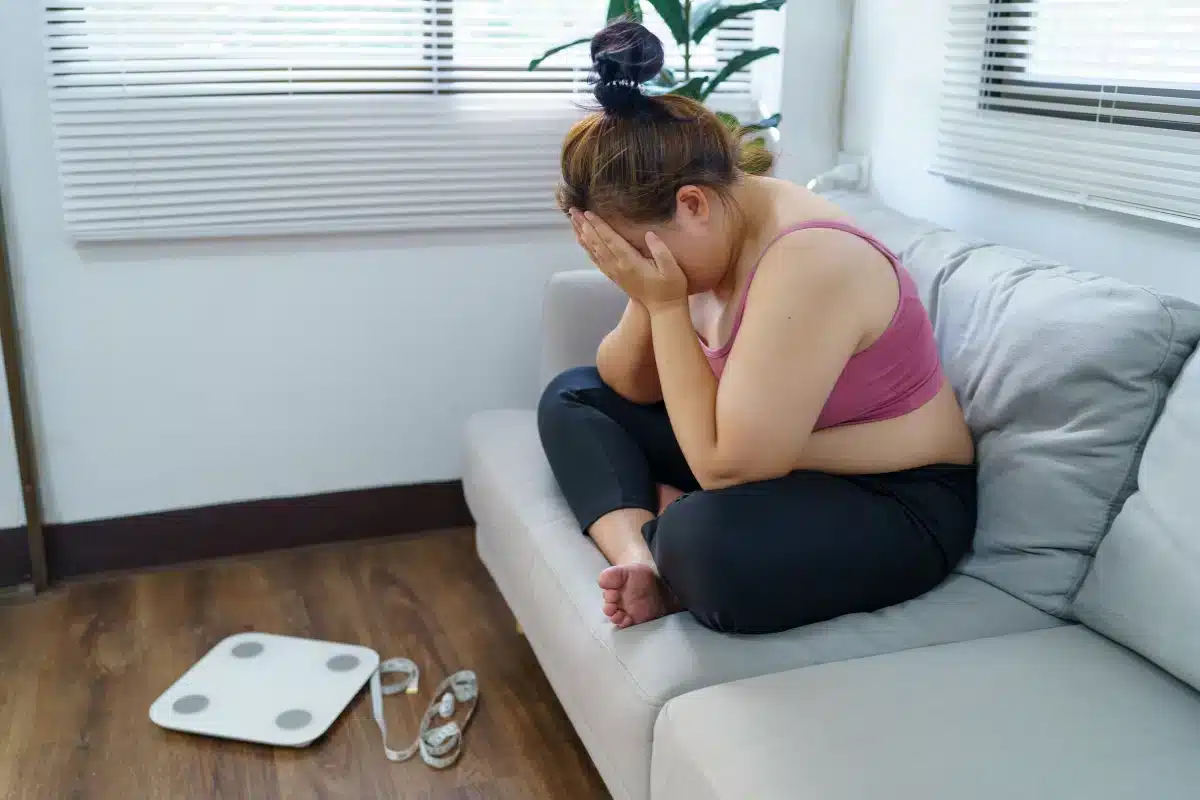
Weight loss after pregnancy can feel slower and more difficult than expected for many new mothers. After childbirth, the body goes through major changes that affect metabolism, energy levels, and fat storage. Even with efforts to eat healthy or stay active, progress may still feel limited.
In the postpartum period, hormones, lack of sleep, and emotional stress can all play a big role in how the body holds on to weight. These factors often work together, making it harder for fat to burn efficiently. At the same time, daily routines change, leaving many women with less time for proper meals and exercise.
Some mothers also face hidden challenges such as medical conditions, breastfeeding misconceptions, or post-pregnancy body changes like abdominal separation. These issues can slow down results and make traditional weight loss methods less effective than expected.
In this article, we will explore the main reasons why losing weight after pregnancy can be difficult, and help you understand what might be affecting your progress so you can take more realistic and effective steps forward.
How Postpartum Hormones Affect Fat Storage
After pregnancy, the body experiences significant hormonal changes that can affect how fat is stored and burned. Hormones such as estrogen, progesterone, prolactin, and cortisol fluctuate as the body recovers from childbirth and adjusts to caring for a newborn. These changes can make weight loss more challenging than many women expect.
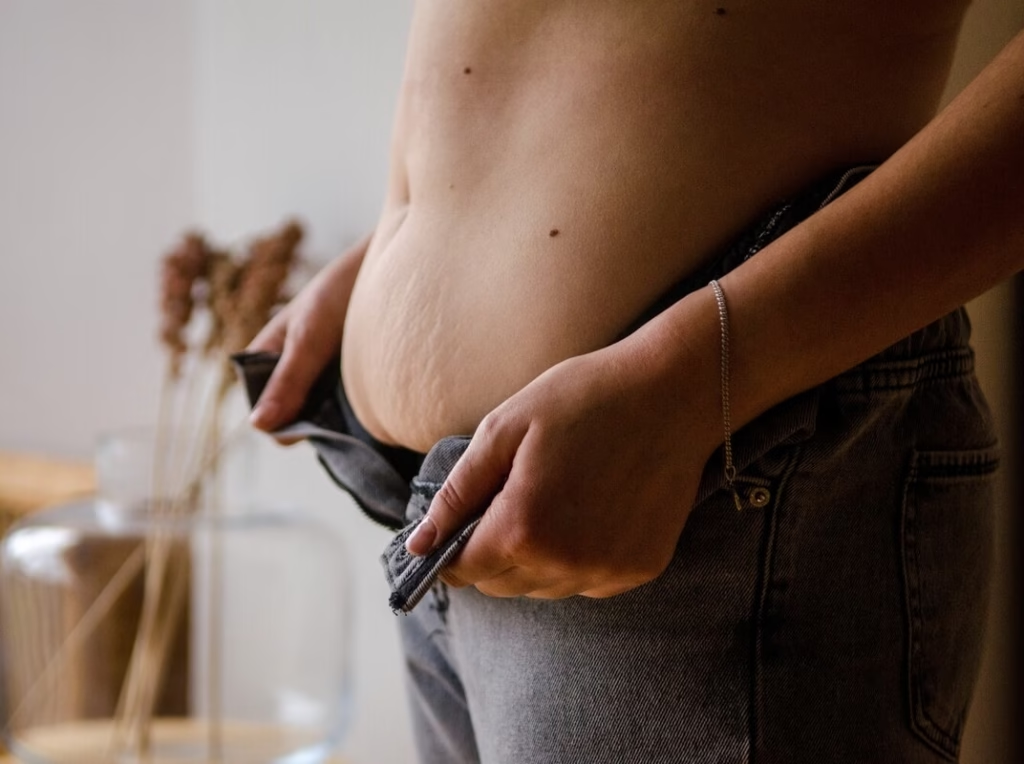
Estrogen and progesterone levels drop rapidly after delivery, which can temporarily slow metabolism and affect the body’s ability to regulate fat storage. As a result, some women may notice that they hold on to extra weight, particularly around the abdomen, hips, and thighs.
Recommended: Best Postpartum Home Weight Loss Plan
For breastfeeding mothers, prolactin levels remain elevated to support milk production. While this hormone is essential for lactation, it can also encourage the body to conserve energy and maintain fat reserves. This is one reason why some women do not lose weight as quickly as anticipated while breastfeeding.
Stress-related hormonal changes can further contribute to fat storage. Increased levels of cortisol, often caused by sleep deprivation and the demands of caring for a newborn, can promote fat accumulation and increase cravings for high-calorie foods. As hormone levels gradually return to normal, weight loss often becomes easier with consistent healthy habits.
10 Reasons You Are Not Losing Weight After Pregnancy
Losing weight after pregnancy can be more challenging than many women expect. While social media often showcases mothers who seem to bounce back quickly, the reality is that postpartum weight loss is different for everyone. If you have been eating healthier, trying to stay active, and still not seeing results, there may be underlying reasons why the scale is not moving.
1. Your Hormones Are Still Adjusting
Pregnancy causes significant hormonal changes, and it can take months for hormone levels to stabilize after childbirth. Hormones such as estrogen, progesterone, and cortisol influence how your body stores fat and uses energy. When these hormones are out of balance, your body may hold on to extra weight, especially around the abdomen. This is a normal part of postpartum recovery and does not mean you are doing anything wrong.
2. Lack of Sleep Is Affecting Your Weight Loss
New mothers often experience interrupted sleep due to feeding schedules and caring for their baby. Sleep deprivation can increase hunger hormones while reducing hormones that signal fullness. As a result, you may find yourself craving sugary foods and high-calorie snacks more often. In addition, a lack of sleep can reduce energy levels, making it harder to stay physically active throughout the day.
Recommended: Why Is My Pelvic Floor Still Weak 6 Months Postpartum?
3. You Are Consuming More Calories Than You Realize
Many healthy-looking foods can contain more calories than expected. Snacks, flavored coffee drinks, fruit juices, and frequent nibbling throughout the day can add up quickly. Mothers who are breastfeeding may also feel hungrier than usual, leading them to eat larger portions. Without paying attention to overall calorie intake, weight loss can become difficult even when food choices seem healthy.
4. Stress Is Causing Your Body to Hold On to Fat
Caring for a newborn can be emotionally and physically demanding. High stress levels increase the production of cortisol, a hormone linked to increased fat storage, particularly around the midsection. Stress can also encourage emotional eating, making it easier to turn to comfort foods during difficult days. Managing stress through relaxation techniques, support from loved ones, and self-care can positively impact weight loss efforts.
5. You Are Not Getting Enough Physical Activity
Many mothers struggle to find time for exercise after childbirth. Between feeding, diaper changes, household responsibilities, and lack of sleep, physical activity often becomes a lower priority. Even if structured workouts are not possible, regular walking, light strength training, and staying active throughout the day can help burn calories and improve overall fitness.
6. Breastfeeding Is Not Always a Weight-Loss Solution
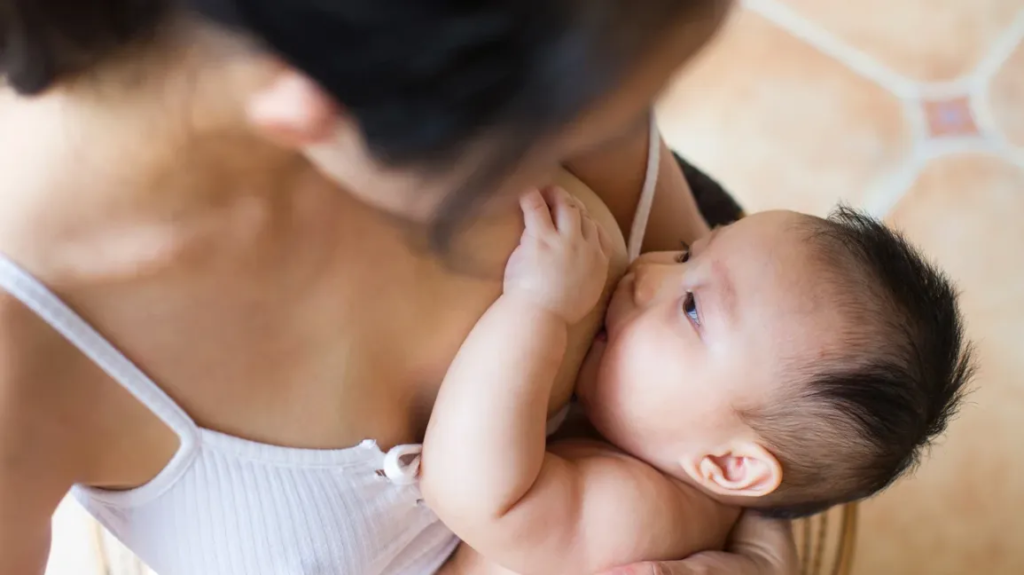
A common belief is that breastfeeding automatically leads to weight loss. While breastfeeding does burn calories, it can also increase appetite significantly. Some women lose weight while breastfeeding, while others find that their bodies hold on to extra fat reserves to support milk production. This variation is completely normal and differs from one person to another.
Recommended: What Are Practical Strategies for Incorporating Baby into Postpartum Fitness Routines?
7. Your Metabolism May Have Slowed Down
Pregnancy and postpartum recovery can affect muscle mass and metabolic rate. If you became less active during pregnancy or after giving birth, you may have lost some muscle tissue. Since muscle burns more calories than fat, a reduction in muscle mass can slow your metabolism and make weight loss more challenging. Strength training exercises can help rebuild muscle and support a healthier metabolism.
8. You May Have a Thyroid Problem
Some women develop postpartum thyroiditis, a condition that affects the thyroid gland after pregnancy. Since the thyroid helps regulate metabolism, any dysfunction can contribute to weight gain or difficulty losing weight. Other symptoms may include fatigue, mood changes, hair loss, and sensitivity to temperature changes. If you suspect a thyroid issue, it is important to speak with a healthcare provider for evaluation.
9. You Are Expecting Results Too Quickly
The body spends approximately nine months growing and nourishing a baby. It is unrealistic to expect all pregnancy weight to disappear within a few weeks. Healthy postpartum weight loss is usually gradual. Focusing on sustainable habits rather than rapid results can help you achieve long-term success while protecting your physical and mental health.
10. Your Body Is Still Recovering
After childbirth, your body is healing from a major physical event. Recovery involves repairing tissues, balancing hormones, restoring nutrient stores, and adapting to the demands of motherhood. Sometimes the best thing you can do is prioritize recovery before aggressively pursuing weight loss. As your body heals and adjusts, weight loss often becomes easier and more sustainable.
Medical Conditions That Can Affect Weight Loss After Pregnancy
If you are eating healthy and staying active but still struggling to lose weight after pregnancy, an underlying medical condition could be part of the problem. While gaining weight during pregnancy is normal, certain health issues can make it much harder for your body to shed those extra pounds afterward.
Recommended: What Are The Hidden Signs of Postpartum ‘Brain Fog’ vs. Depression?
1. Postpartum Thyroid Problems

One of the most common medical conditions that can interfere with weight loss after pregnancy is thyroid dysfunction. Some women develop thyroid inflammation after giving birth, a condition known as postpartum thyroiditis. When the thyroid becomes underactive, it can slow down metabolism, leading to fatigue, weight gain, and difficulty losing weight.
2. Insulin Resistance
Pregnancy can sometimes increase the risk of insulin resistance, especially for women who had gestational diabetes. Insulin resistance occurs when the body’s cells don’t respond properly to insulin, causing higher blood sugar levels and encouraging fat storage.
3. Polycystic Ovary Syndrome (PCOS)
Women who have PCOS may find postpartum weight loss particularly challenging. PCOS affects hormone levels and can contribute to insulin resistance, making it easier to gain weight and harder to lose it.
4. Postpartum Depression
Mental health can significantly impact physical health. Postpartum depression may reduce motivation to exercise, disrupt sleep patterns, and lead to emotional eating, all of which can contribute to weight retention.
Recommended: How Do Pelvic Floor and Core-Focused Routines Benefit Postpartum Recovery?
Tips That Can Help With Losing Weight After Pregnancy
Losing weight after pregnancy can take time, and every woman’s body recovers differently. Instead of focusing on quick fixes, aim for healthy habits that support both your recovery and long-term weight loss goals.
- Eat More Whole Foods: Choose fruits, vegetables, lean proteins, and whole grains. These foods keep you full longer and support healthy weight loss.
- Stay Hydrated: Drinking enough water can help control hunger and support your body’s recovery after childbirth.
- Get Moving Regularly: Simple activities like walking or light workouts can help burn calories and improve fitness.
- Prioritize Sleep: Lack of sleep can increase hunger and cravings, making weight loss more difficult.
- Watch Portion Sizes: Eating healthy foods is important, but controlling portions can help prevent consuming excess calories.
- Include Protein in Your Diet: Protein helps keep you satisfied and supports muscle maintenance during weight loss.
- Manage Stress: High stress levels can trigger emotional eating and make it harder to lose weight.
- Avoid Crash Diets: Extreme diets can slow your metabolism and make it harder to maintain weight loss long-term.
- Set Realistic Goals: Healthy postpartum weight loss takes time. Focus on steady progress rather than quick results.
- Be Patient With Yourself: Your body needs time to recover after pregnancy. Consistency is more important than perfection.
Conclusion
Losing weight after pregnancy can be challenging, and it is important to remember that every woman’s journey is different. Factors such as hormonal changes, lack of sleep, stress, medical conditions, and lifestyle habits can all affect your progress. Instead of focusing on rapid results, prioritize healthy eating, regular physical activity, adequate rest, and patience. With consistency and the right approach, you can gradually achieve your weight-loss goals while supporting your overall health and well-being.