
Pelvic floor strength is an essential part of postpartum recovery, yet many women notice that weakness, discomfort, or bladder control issues can persist even several months after childbirth. This group of muscles supports key organs such as the bladder, uterus, and bowel, and it undergoes significant strain during pregnancy and delivery. When healing is slower than expected, it can leave many women wondering why their body still does not feel the same.
At six months postpartum, some recovery is expected, but it is also common for the pelvic floor to still be weak depending on factors like the type of delivery, complications during labor, lifestyle habits, and hormonal changes. Every woman’s healing journey is different, and understanding what influences recovery can help reduce worry and provide clarity about what is happening in the body.
In this article, we will explore the reasons why the pelvic floor may still be weak six months postpartum, the signs that indicate incomplete recovery, and the practical steps that can help strengthen these muscles and support long term healing.
Understanding the Pelvic Floor After Childbirth
The pelvic floor is a group of muscles and connective tissues that sit at the base of the pelvis, forming a supportive hammock for organs such as the bladder, uterus, and bowel. These muscles play a key role in controlling urination and bowel movements, supporting core stability, and contributing to sexual function. During pregnancy and childbirth, the pelvic floor is placed under significant pressure as it carries the growing weight of the baby and adapts to the physical demands of delivery.
Recommended: Signs of Weak Pelvic Floor After Childbirth You Should Not Ignore
After childbirth, these muscles often become stretched, weakened, or temporarily impaired, especially following vaginal delivery. Even in cases of cesarean section, pregnancy alone can place enough strain on the pelvic floor to affect its strength and coordination. Hormonal changes after birth can also slow tissue recovery, making it harder for the muscles to regain their original tone and function quickly.
This weakening can affect how well the pelvic floor supports the body, sometimes leading to symptoms such as urine leakage, a feeling of heaviness in the pelvic region, or reduced core stability. These changes are common in the postpartum period, but their intensity and duration can vary widely from one woman to another.
Understanding how the pelvic floor works and what happens to it during pregnancy helps explain why recovery is not always immediate. For many women, healing is a gradual process that requires time, gentle strengthening, and in some cases, targeted rehabilitation to fully restore function and comfort.
Is It Normal to Still Feel Weak After 6 Months Postpartum?
It is actually quite common for some women to still feel pelvic floor weakness six months after childbirth. While many people expect a full recovery within a few weeks or months, the reality is that postpartum healing is a gradual process that varies from person to person. The pelvic floor, which was stretched and stressed during pregnancy and delivery, may take longer to regain full strength and coordination.
Several factors can influence how quickly recovery happens, including the type of delivery, the duration of labor, the size of the baby, and whether there were any complications such as tearing or assisted delivery. Lifestyle factors like physical activity levels, rest, nutrition, and whether pelvic floor exercises are done correctly also play an important role in healing speed.
In some cases, underlying issues such as diastasis recti or poor muscle coordination can slow down recovery, making weakness more noticeable even months after birth. This does not always mean something is wrong, but it may indicate that the muscles need more targeted rehabilitation rather than general rest or basic exercises alone.
Recommended: What Are The Hidden Signs of Postpartum ‘Brain Fog’ vs. Depression?
If symptoms like urine leakage, pelvic heaviness, or core instability are still present at this stage, it can be helpful to seek guidance from a pelvic health specialist. With the right approach, most women can continue to improve well beyond the six month mark and regain strength over time.
Causes of Persistent Pelvic Floor Weakness
1. Pregnancy And Childbirth Strain
During pregnancy, the pelvic floor carries the increasing weight of the baby, amniotic fluid, and uterus for several months. This constant pressure stretches and weakens the muscles over time. During vaginal delivery, the pelvic floor is further stretched to allow the baby to pass through, which can sometimes lead to muscle damage or reduced muscle control, making full recovery slower.
2. Type And Difficulty of Delivery
The way a woman delivers can significantly affect recovery. Long labor, pushing for extended periods, large baby size, or assisted delivery methods like forceps or vacuum extraction can increase trauma to the pelvic floor muscles and nerves. Even cesarean sections do not completely prevent pelvic floor weakness because the muscles are still affected by pregnancy pressure over time.
3. Hormonal Changes After Birth
After childbirth, estrogen levels drop, especially in breastfeeding mothers. This hormonal shift can reduce tissue elasticity, slow healing, and make the pelvic floor muscles less responsive. As a result, recovery can take longer even if the muscles are being exercised or rested properly.
Recommended: Signs of Postpartum Depression You Should Not Ignore
4. Poor Recovery Habits And Lifestyle Factors
Daily habits can either support or delay healing. Returning to intense workouts too early, lifting heavy objects without engaging core muscles, chronic coughing, constipation, or poor posture can all place repeated stress on the pelvic floor. Without proper support and gradual rehabilitation, these factors can keep the muscles weak for longer than expected.
Signs Your Pelvic Floor Has Not Fully Recovered
If you are six months postpartum and still noticing discomfort or control issues, it may be a sign that your pelvic floor has not fully regained strength. These symptoms are common and often improve with proper care and targeted rehabilitation.
- You experience urine leakage when coughing, sneezing, laughing, or exercising, which may indicate reduced bladder control support.
- You feel a heaviness or dragging sensation in your pelvic area, especially after standing for long periods or physical activity.
- You notice lower back pain or pelvic discomfort that does not seem related to posture or general muscle soreness.
- You struggle with core weakness or a feeling that your stomach muscles are not fully supporting your body during movement.
- You experience discomfort, reduced sensation, or pain during sexual intercourse, which may suggest incomplete muscular recovery.
- You find it difficult to hold in gas or control bowel movements, indicating weakened pelvic floor coordination.
- You feel pressure or bulging in the vaginal area, especially during or after physical strain, which can be a sign of pelvic organ support issues.
Treatment and Recovery Options
Recovering pelvic floor strength after childbirth is possible, but it often requires a consistent and targeted approach rather than waiting for it to improve on its own. The goal is to retrain, strengthen, and coordinate the muscles so they can properly support the bladder, uterus, and bowel again. Most women see improvement when they combine guided exercises with better daily habits and patience with the healing process.
1. Pelvic Floor Physiotherapy
Working with a pelvic health physiotherapist is one of the most effective treatment options. They assess muscle tone, strength, and coordination, and identify whether the issue is weakness, tightness, or poor control. Treatment is then personalized and may include manual therapy, guided exercises, and education on how to properly engage the pelvic floor during daily activities like walking, lifting, or exercising.
Recommended: How Do Pelvic Floor and Core-Focused Routines Benefit Postpartum Recovery?
2. Correct Pelvic Floor Exercises (Kegels)
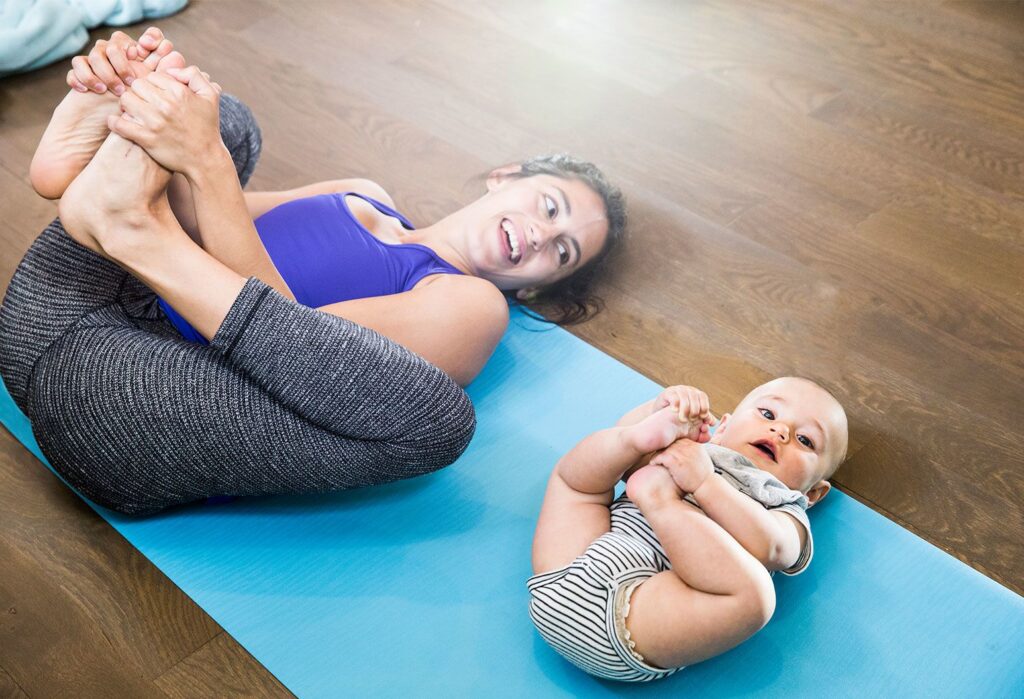
When done correctly, pelvic floor exercises help rebuild strength and control. However, many women do them incorrectly or rely only on Kegels when other muscles also need attention. A proper routine may include both strengthening and relaxation techniques, slow and fast contractions, and coordination with breathing. Consistency is key, and results usually take weeks to months.
3. Core And Breathing Retraining
The pelvic floor works closely with the deep core muscles and diaphragm, so they must function together for proper support. Learning how to breathe correctly while gently activating the core helps reduce downward pressure on the pelvic floor. This improves stability during movements like standing, bending, lifting, and even coughing.
4. Lifestyle Adjustments And Activity Modification
Small daily habits can make a big difference in recovery. Avoiding heavy lifting in the early stages, treating constipation to reduce straining, maintaining good posture, and gradually returning to exercise can all support healing. High-impact activities like jumping or running may need to be paused until strength improves to prevent worsening symptoms.
5. Advanced Therapies if Needed
For more persistent or severe cases, a specialist may recommend treatments such as biofeedback therapy, electrical stimulation, or vaginal devices designed to improve muscle awareness and strength. These methods help women who struggle to feel or properly activate their pelvic floor muscles and are often used alongside exercise-based rehabilitation.
Recommended: How Effective is Pelvic Floor Therapy For Vaginismus?
When You Should See a Pelvic Floor Physiotherapist
You should consider seeing a pelvic floor physiotherapist if you are six months postpartum and still experiencing symptoms that are not improving with basic exercises or time. Ongoing issues such as urine leakage, pelvic heaviness, or core weakness may indicate that your pelvic floor needs targeted rehabilitation rather than general recovery.
If you notice persistent bladder or bowel control problems, such as leaking when coughing, sneezing, laughing, or exercising, it is a strong sign that the pelvic muscles are not fully coordinating or strengthening properly. A physiotherapist can assess whether the issue is weakness, poor muscle activation, or overactivity.
You should also seek help if you feel pressure, bulging, or a dragging sensation in the pelvic area, especially after standing, walking, or lifting. These symptoms may suggest pelvic organ support issues that require professional evaluation and a structured treatment plan.
Pain during sexual intercourse, ongoing lower back pain, or a feeling that your core is not stable are also important signs that should not be ignored. A specialist can help identify the root cause and guide you through safe, effective recovery techniques tailored to your body’s needs.
Even if your symptoms feel mild, seeing a pelvic floor physiotherapist early can prevent long term complications and help you regain strength, confidence, and comfort more effectively.
Conclusion
Pelvic floor weakness six months after childbirth is more common than many women realize, and it does not always mean something is wrong. Recovery varies widely depending on factors such as delivery type, hormonal changes, lifestyle habits, and how the body heals over time. For some women, healing happens quickly, while for others it takes longer and requires more focused care.
The important thing is understanding that the pelvic floor can still be strengthened well beyond the early postpartum period. With the right combination of targeted exercises, proper guidance, and supportive lifestyle changes, most women can gradually restore strength, control, and comfort.
If symptoms persist or affect daily life, seeking help from a pelvic floor physiotherapist can make a significant difference. Recovery is not a race, and with consistent care, improvement is absolutely possible.