
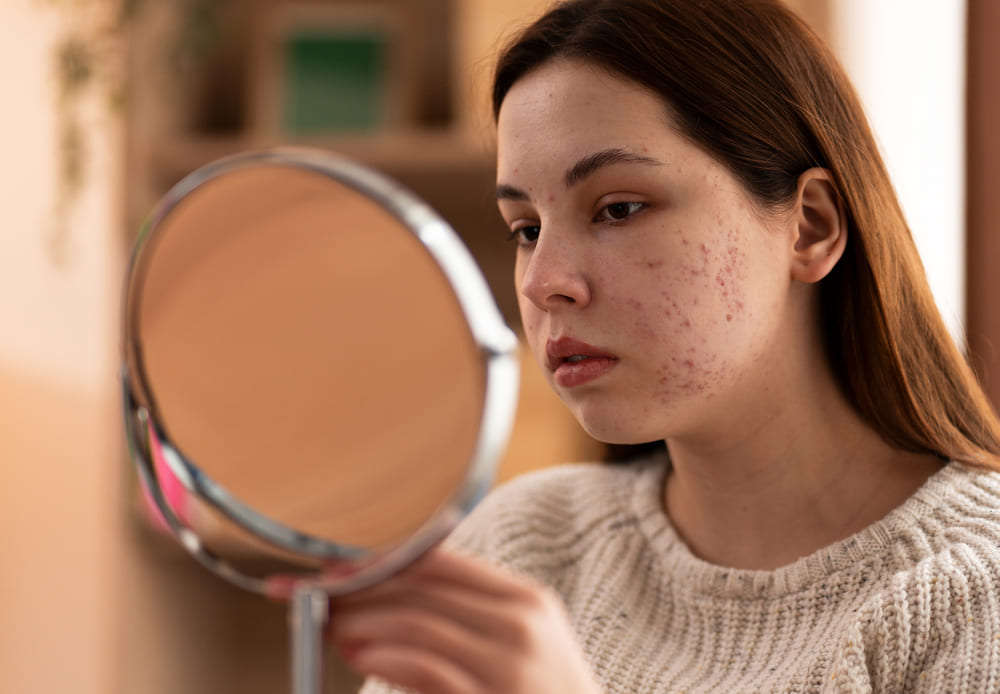
PCOS hair growth is a common concern among women with polycystic ovary syndrome (PCOS), a hormonal condition that can lead to increased levels of androgens, also known as male hormones. This hormonal imbalance can trigger excessive hair growth on areas such as the face, chin, chest, and abdomen, a condition known as hirsutism. While PCOS-related hair growth can be frustrating and affect confidence, certain natural approaches may help support hormone balance and reduce its impact over time.
Managing PCOS hair growth naturally involves addressing the underlying factors that contribute to hormonal imbalance, including insulin resistance, diet, stress, and lifestyle habits. From making dietary changes and exercising regularly to exploring natural remedies and supplements, there are several ways women can support their overall PCOS management.
In this article, we will discuss the causes of PCOS hair growth, the best natural solutions that may help reduce excessive hair growth, lifestyle changes that support hormone balance, and when to seek medical advice for PCOS-related hirsutism.
What Causes Excess Hair Growth in Women With PCOS?
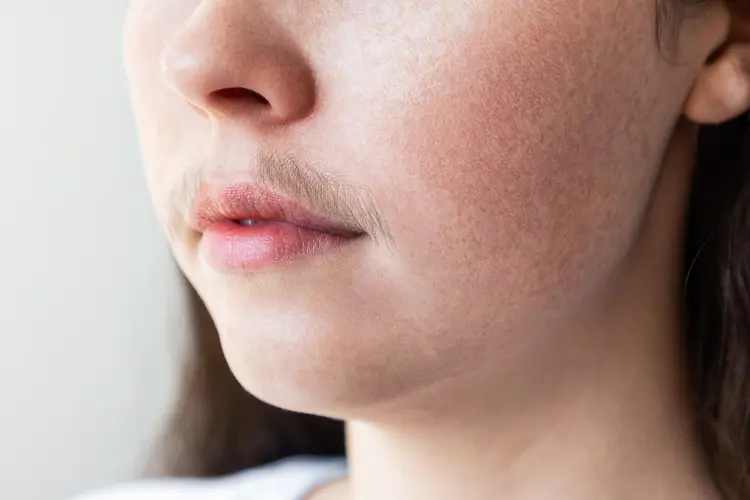
Excess hair growth in women with PCOS, also known as hirsutism, is mainly caused by hormonal imbalances that affect the way hair follicles respond to certain hormones. Women with PCOS often produce higher-than-normal levels of androgens, which are hormones commonly associated with male characteristics. Although women naturally produce small amounts of androgens, increased levels can stimulate unwanted hair growth in areas such as the face, chin, chest, back, and abdomen.
1. High Androgen Levels
One of the main causes of PCOS-related hair growth is an increase in androgen hormones, especially testosterone. Higher androgen levels can make hair follicles more active, causing fine, light hair to become thicker, darker, and more noticeable. This is why many women with PCOS experience facial hair growth or increased body hair.
Recommended: How to Tell PCOS Acne from Regular Hormonal Acne
2. Insulin Resistance and Hormonal Imbalance
Many women with PCOS also experience insulin resistance, a condition where the body does not respond effectively to insulin. As a result, the body may produce more insulin to control blood sugar levels. High insulin levels can stimulate the ovaries to produce more androgens, which may worsen symptoms like excessive hair growth.
3. Increased Sensitivity of Hair Follicles to Androgens
Some women with PCOS may have normal androgen levels but still experience excess hair growth because their hair follicles are more sensitive to these hormones. This increased sensitivity means that even small amounts of androgens can trigger noticeable hair growth.
4. Ovarian Hormone Production Changes
In PCOS, the ovaries may produce abnormal amounts of hormones due to disrupted ovulation and hormonal regulation. These changes can increase androgen production and contribute to symptoms such as irregular periods, acne, and unwanted hair growth.
5. Genetics and Family History
Genetics can also influence how the body responds to hormonal changes. Women who have family members with PCOS or a tendency toward excess body hair may be more likely to experience similar symptoms.
Does Everyone With PCOS Grow Facial Hair?
No, not everyone with PCOS grows facial hair. Although excessive facial hair growth, also known as hirsutism, is a common symptom of polycystic ovary syndrome (PCOS), it does not affect every woman with the condition.
PCOS affects women differently, and symptoms can vary depending on factors such as hormone levels, genetics, and how sensitive the hair follicles are to androgens (male hormones). Some women with PCOS may develop noticeable facial hair on areas like the chin, upper lip, or jawline, while others may have no excess hair growth at all.
Recommended: Why Does PCOS Acne Get Worse During Ovulation?
Facial hair growth in PCOS is mainly linked to higher androgen levels, especially testosterone, or increased sensitivity of hair follicles to these hormones. However, some women may have elevated androgens but experience other PCOS symptoms instead, such as irregular periods, acne, weight changes, or difficulty with ovulation.
Genetics also play an important role. Some women naturally have more body or facial hair due to their family background, even without having PCOS, while others with PCOS may have very little visible hair growth.
Therefore, facial hair alone does not determine whether someone has PCOS. A proper diagnosis usually considers multiple factors, including menstrual patterns, hormone tests, symptoms, and ultrasound findings.
Best Natural Solutions to Reduce PCOS Hair Growth
Managing PCOS hair growth naturally focuses on improving the hormonal imbalances that contribute to excessive hair growth. While natural methods may not completely remove unwanted hair, they can help support better hormone regulation, improve insulin sensitivity, and reduce the severity of PCOS symptoms over time. Consistency is important because changes in hormone levels and hair growth patterns usually take several months to notice.
1. Improve Your Diet to Support Hormone Balance
A balanced, nutrient-rich diet can help manage PCOS symptoms by supporting stable blood sugar levels and reducing inflammation. Since insulin resistance is common in women with PCOS, choosing foods that prevent sudden blood sugar spikes may help lower excess androgen activity.

Include more:
- High-fibre foods such as vegetables, beans, whole grains, and fruits
- Protein-rich foods such as eggs, fish, chicken, and legumes
- Healthy fats from sources like avocado, nuts, seeds, and olive oil
- Antioxidant-rich foods that support overall hormonal health
Reducing highly processed foods, sugary drinks, and refined carbohydrates may also help improve insulin regulation and support hormone balance.
Recommended: How to Manage Acne After Stopping Birth Control
2. Manage Insulin Resistance Naturally
Insulin resistance plays a major role in PCOS because elevated insulin levels can encourage the ovaries to produce more androgens. Improving insulin sensitivity may help reduce the hormonal triggers behind excess hair growth.
Natural ways to support insulin sensitivity include:
- Eating balanced meals with protein and fibre
- Exercising regularly
- Limiting excessive sugar intake
- Maintaining a healthy body weight if weight loss is recommended
3. Drink Spearmint Tea
Spearmint tea is one of the most commonly discussed natural remedies for PCOS-related hair growth. Some studies suggest that spearmint may have anti-androgen effects, meaning it could help reduce levels or activity of male hormones that contribute to hirsutism. Drinking spearmint tea regularly may support hormone balance, although it should be viewed as a supportive approach rather than a guaranteed cure for PCOS hair growth.
4. Exercise Regularly
Physical activity can help improve insulin sensitivity, reduce inflammation, and support healthy hormone levels. Exercise may be especially helpful for women with PCOS because it addresses some of the underlying causes linked to excess androgen production.
Helpful forms of exercise include:
- Strength training to improve metabolism
- Walking or other moderate aerobic activities
- Yoga and stretching exercises for stress management
5. Maintain a Healthy Weight
For women with PCOS who are overweight, even a modest reduction in body weight may help improve insulin sensitivity and lower androgen levels. This can contribute to improvements in symptoms such as irregular periods, acne, and excessive hair growth. However, weight management should focus on healthy and sustainable habits rather than extreme diets, which can negatively affect hormone balance.
Recommended: Vitamin E for Hormonal Acne: Does It Work?
6. Consider PCOS-Supportive Supplements
Some supplements may help support hormone regulation and reduce certain PCOS symptoms. Commonly studied options include:
- Inositol: May help improve insulin sensitivity and support normal ovarian function.
- Vitamin D: Low vitamin D levels are common in some women with PCOS and may affect hormone health.
- Omega-3 fatty acids: May help reduce inflammation and support metabolic health.
7. Reduce Stress and Improve Sleep
Chronic stress and poor sleep can affect hormone regulation and may worsen PCOS symptoms. High stress levels can increase cortisol, which may interfere with blood sugar control and reproductive hormones.
Helpful habits include:
- Maintaining a regular sleep schedule
- Practising relaxation techniques
- Taking time for enjoyable activities
- Managing daily stressors effectively
7. Use Natural Hair Removal Methods Alongside Hormonal Management
Natural approaches can help manage the factors contributing to PCOS hair growth, but they do not remove existing hair immediately. Methods such as threading, waxing, or trimming can help reduce the appearance of unwanted hair while lifestyle changes address the underlying hormonal imbalance.
Will Losing Weight Stop PCOS Hair Growth?

Losing weight may help reduce PCOS hair growth in some women, especially those who have insulin resistance or higher androgen levels linked to excess weight. Weight loss can improve insulin sensitivity and may lower the amount of androgens produced by the body, which can help reduce the hormonal signals that trigger excessive hair growth.
However, losing weight does not always stop PCOS hair growth completely. Hair follicles that have already been affected by androgens may continue producing thicker hair even after hormone levels improve. Some women may notice slower hair growth or less new hair development, but existing facial hair may still require removal methods.
Recommended: Can You Have PCOS Without Cysts on Ultrasound?
The most effective approach is combining healthy weight management with other PCOS treatments, such as a balanced diet, regular exercise, stress management, and medical guidance when needed. Results are usually gradual because hair growth changes slowly and may take several months to improve.
When to See a Doctor About Excess Hair Growth
While some degree of body and facial hair growth is normal, sudden or excessive hair growth may sometimes indicate an underlying hormonal condition such as polycystic ovary syndrome (PCOS) or another medical issue. I
- Hair growth appears suddenly or increases rapidly over a short period.
- Excess facial or body hair becomes noticeable and distressing, especially on the face, chest, or abdomen.
- You have other PCOS symptoms, such as irregular periods, acne, weight changes, or difficulty getting pregnant.
- Hair growth is accompanied by signs of high androgen levels, such as deepening voice, increased muscle mass, or scalp hair thinning.
- Your menstrual cycle changes suddenly or becomes irregular.
- Natural methods and hair removal techniques are not improving the problem.
- You suspect PCOS or another hormonal condition may be the cause.
Conclusion
PCOS hair growth is a common symptom caused by hormonal changes, especially increased androgen activity and insulin resistance. While it may not be possible to completely stop unwanted hair growth naturally, lifestyle changes such as eating a balanced diet, exercising regularly, managing stress, improving sleep, and supporting hormone balance can help reduce its severity over time.
Natural solutions work best when they focus on improving the underlying factors that contribute to PCOS rather than only treating visible hair growth. However, every woman’s experience with PCOS is different, and some may require additional medical treatments to manage excessive hair growth effectively.
With the right combination of healthy habits, proper management, and professional guidance when needed, women with PCOS can better control unwanted hair growth and improve their overall health and confidence.