

PCOS weight loss can be particularly challenging because polycystic ovary syndrome affects more than just body weight. Hormonal imbalances, insulin resistance, and inflammation can slow metabolism, increase fat storage, and make it harder to lose weight even with a balanced diet and regular exercise.
Although there is no single supplement that can cure PCOS or guarantee weight loss, some supplements may help address the underlying factors that contribute to weight gain. When combined with healthy eating, regular physical activity, quality sleep, and stress management, these supplements may support more sustainable weight management.
Research has shown that certain vitamins, minerals, and plant-based compounds can improve insulin sensitivity, reduce inflammation, support hormone balance, and promote better metabolic health. However, the effectiveness of supplements varies from person to person, and they should be used under the guidance of a healthcare professional whenever possible.
In this article, we will discuss the best supplements for PCOS weight loss, how they work, their potential benefits and side effects, and practical tips for choosing the right supplements to complement a healthy lifestyle.
Why PCOS Causes Stubborn Weight Gain
Weight gain is one of the most common and frustrating symptoms of polycystic ovary syndrome (PCOS). Unlike typical weight gain, PCOS-related weight gain is driven by hormonal and metabolic changes that make it easier to gain weight and more difficult to lose it. Even women who follow a healthy diet and exercise regularly may find that the scale barely moves.

One of the biggest reasons is insulin resistance, a condition that affects up to 70 percent of women with PCOS. When the body’s cells become less responsive to insulin, the pancreas produces more of this hormone to keep blood sugar levels stable. High insulin levels encourage the body to store more fat, especially around the abdomen, while also increasing hunger and cravings for sugary or high-carbohydrate foods.
Recommended: Best Natural Solutions to PCOS Hair Growth: Effective Ways to Manage Excess Hair Naturally
PCOS also causes an imbalance in reproductive hormones, particularly higher levels of androgens, which are often called male hormones. Elevated androgen levels can slow metabolism, promote abdominal fat accumulation, and interfere with the body’s ability to burn stored fat efficiently. In addition, chronic low-grade inflammation, poor sleep, stress, and irregular menstrual cycles can further contribute to weight gain and make long-term weight management more difficult.
Although these biological changes create unique challenges, weight loss with PCOS is still achievable. Addressing the underlying causes through a balanced diet, regular physical activity, adequate sleep, stress management, and evidence-based supplements can improve insulin sensitivity, support hormone balance, and make sustainable weight loss more attainable over time.
How Supplements Can Support PCOS Weight Loss
Supplements cannot cure polycystic ovary syndrome (PCOS), but they may help address the underlying hormonal and metabolic problems that make weight loss more difficult. When combined with a healthy diet, regular exercise, quality sleep, and stress management, certain supplements can improve the body’s ability to lose weight and manage PCOS symptoms.
- Improve insulin sensitivity: Helps the body use insulin more effectively, reducing blood sugar spikes and lowering fat storage.
- Support hormone balance: Some supplements help regulate hormones, which may reduce symptoms linked to weight gain and irregular menstrual cycles.
- Reduce chronic inflammation: Lowering inflammation may improve metabolism and support overall health.
- Boost metabolism: Certain nutrients help the body convert food into energy more efficiently, making weight management easier.
- Reduce cravings and appetite: Some supplements may help control hunger and reduce cravings for sugary or high-carbohydrate foods.
- Promote healthy gut bacteria: A balanced gut microbiome supports digestion, metabolism, and better blood sugar control.
- Support better sleep and stress management: Improving sleep quality and reducing stress can lower cortisol levels, which may help prevent excess weight gain.
- Correct nutrient deficiencies: Replacing low levels of essential vitamins and minerals can improve energy levels, hormone function, and overall metabolic health.
Recommended: How to Tell PCOS Acne from Regular Hormonal Acne
Best Supplements for PCOS Weight Loss
Although supplements alone will not cause significant weight loss, some have strong scientific evidence showing they can improve insulin resistance, support hormone balance, reduce inflammation, and promote better metabolic health. Below are some of the best supplements for women with PCOS.
1. Myo-Inositol and D-Chiro Inositol
Myo-inositol and D-chiro inositol are among the most researched supplements for PCOS. They help improve insulin sensitivity, regulate menstrual cycles, and support ovarian function. Better insulin control may reduce fat storage and make weight loss easier, especially when combined with a healthy lifestyle.
2. Berberine
Berberine is a plant compound known for its ability to improve blood sugar control. Studies suggest it may work similarly to metformin by increasing insulin sensitivity and reducing glucose production in the liver. It may also support weight loss and improve cholesterol levels in women with PCOS.
3. Omega 3 Fatty Acids
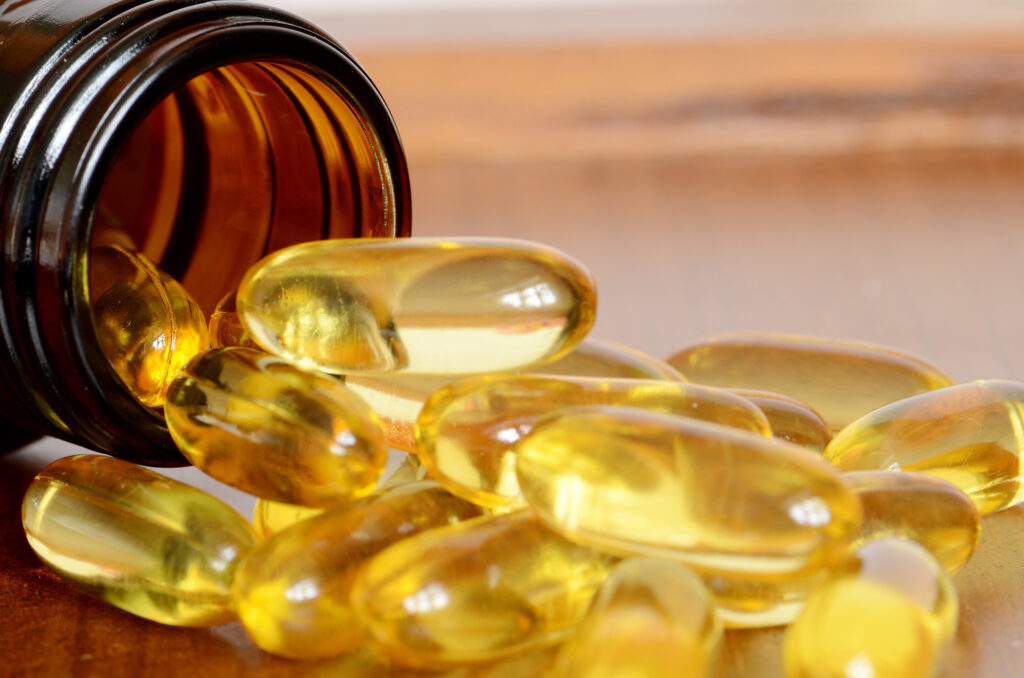
Omega 3 fatty acids help reduce chronic inflammation, improve heart health, and support hormone balance. They may also enhance insulin sensitivity and reduce triglyceride levels, making them beneficial for women with PCOS who struggle with metabolic health.
4. Vitamin D
Many women with PCOS have low vitamin D levels. Correcting this deficiency may improve insulin sensitivity, support hormone regulation, strengthen bone health, and enhance overall metabolic function, all of which can contribute to better weight management.
Recommended: Why Does PCOS Acne Get Worse During Ovulation?
5. Magnesium
Magnesium plays an important role in blood sugar regulation, muscle function, and energy production. It may also improve sleep quality, reduce stress, and support insulin sensitivity, helping women with PCOS maintain a healthier weight.
6. Chromium
Chromium is a trace mineral that helps the body use insulin more effectively. It may reduce blood sugar fluctuations, decrease cravings for sugary foods, and support healthy glucose metabolism, making weight management easier.
7. Probiotics
A healthy gut microbiome plays a key role in metabolism and hormone regulation. Probiotic supplements may improve gut health, reduce inflammation, support insulin sensitivity, and promote better digestion, all of which may indirectly support weight loss.
8. Green Tea Extract
Green tea extract contains antioxidants called catechins along with a small amount of caffeine. These compounds may increase fat oxidation, slightly boost metabolism, and support gradual weight loss when combined with regular exercise and a balanced diet.
9. Zinc
Zinc supports immune function, hormone production, and skin health. It may help reduce acne, improve insulin function, and support healthy metabolism, making it a useful supplement for managing several PCOS symptoms.
10. Cinnamon
Cinnamon supplements may improve insulin sensitivity and help regulate blood sugar levels. Although the weight loss effects are generally modest, they may support healthier eating habits by reducing blood sugar spikes and cravings.
Tips for Choosing the Right Supplements
Choosing the right supplement can help you get the best results while reducing the risk of side effects. Keep these tips in mind before making a purchase:
- Look for evidence-based ingredients: Choose supplements that have been studied for PCOS, such as inositol, berberine, omega 3 fatty acids, or vitamin D.
- Buy from reputable brands: Select products from trusted manufacturers that follow good manufacturing practices.
- Choose third-party tested products: Look for supplements that have been independently tested for quality, purity, and potency.
- Check the ingredient list: Avoid products with unnecessary fillers, artificial additives, or proprietary blends that do not disclose ingredient amounts.
- Consider your specific needs: Select supplements based on your symptoms, such as insulin resistance, vitamin deficiencies, or inflammation.
- Read the dosage label: Make sure the supplement provides an effective dose supported by research.
- Consult a healthcare professional: A doctor or registered dietitian can recommend the most appropriate supplements based on your health history and medications.
- Avoid unrealistic claims: Be cautious of products that promise rapid weight loss or claim to cure PCOS, as these claims are not supported by scientific evidence.
Recommended: Can You Have PCOS Without Cysts on Ultrasound?
How Long Do Supplements Take to Work?
Supplements for PCOS weight loss do not work overnight. Most evidence-based supplements, such as inositol, berberine, and vitamin D, gradually improve insulin sensitivity, hormone balance, and metabolic health rather than directly causing weight loss. Some women may notice improvements in energy levels, reduced cravings, or better blood sugar control within 4 to 8 weeks, while more significant changes in weight and PCOS symptoms often take 3 to 6 months of consistent use.
The timeline varies depending on the supplement, the severity of your PCOS symptoms, your lifestyle habits, and your overall health. Supplements are most effective when combined with a balanced diet, regular physical activity, adequate sleep, and stress management. If you do not notice any improvement after several months of consistent use, consult a healthcare professional to determine whether your treatment plan needs to be adjusted.
Recommended: Should a Husband Get a Semen Analysis If His Wife Has PCOS?
Potential Side Effects of PCOS Supplements
Although side effects vary depending on the supplement, some of the most common include:
- Digestive discomfort: Nausea, bloating, stomach cramps, diarrhoea, or constipation.
- Headaches: Some people may experience mild headaches when starting a new supplement.
- Low blood sugar: Supplements that improve insulin sensitivity, such as berberine, may lower blood sugar too much when combined with diabetes medications.
- Dizziness: May occur in some individuals, particularly if blood sugar or blood pressure drops.
- Allergic reactions: Rarely, some people may develop a rash, itching, swelling, or difficulty breathing.
- Medication interactions: Certain supplements can interfere with blood thinners, diabetes medications, thyroid medications, and other prescription drugs.
- Changes in bowel habits: Probiotics and magnesium may temporarily cause gas, loose stools, or increased bowel movements.
- Liver concerns: High doses or long-term use of certain herbal supplements may affect liver function in rare cases.
Conclusion
Managing PCOS-related weight gain can be challenging, but the right supplements may help support your weight loss journey by improving insulin sensitivity, balancing hormones, reducing inflammation, and promoting better metabolic health. While supplements can be beneficial, they are most effective when combined with a balanced diet, regular exercise, quality sleep, and other healthy lifestyle habits.
Remember that there is no single supplement that works for everyone, and results may take time. Choosing evidence-based products, using them consistently, and seeking guidance from a healthcare professional can help you achieve the best outcomes safely. With the right approach and patience, it is possible to manage PCOS symptoms and work toward sustainable, long-term weight loss.