
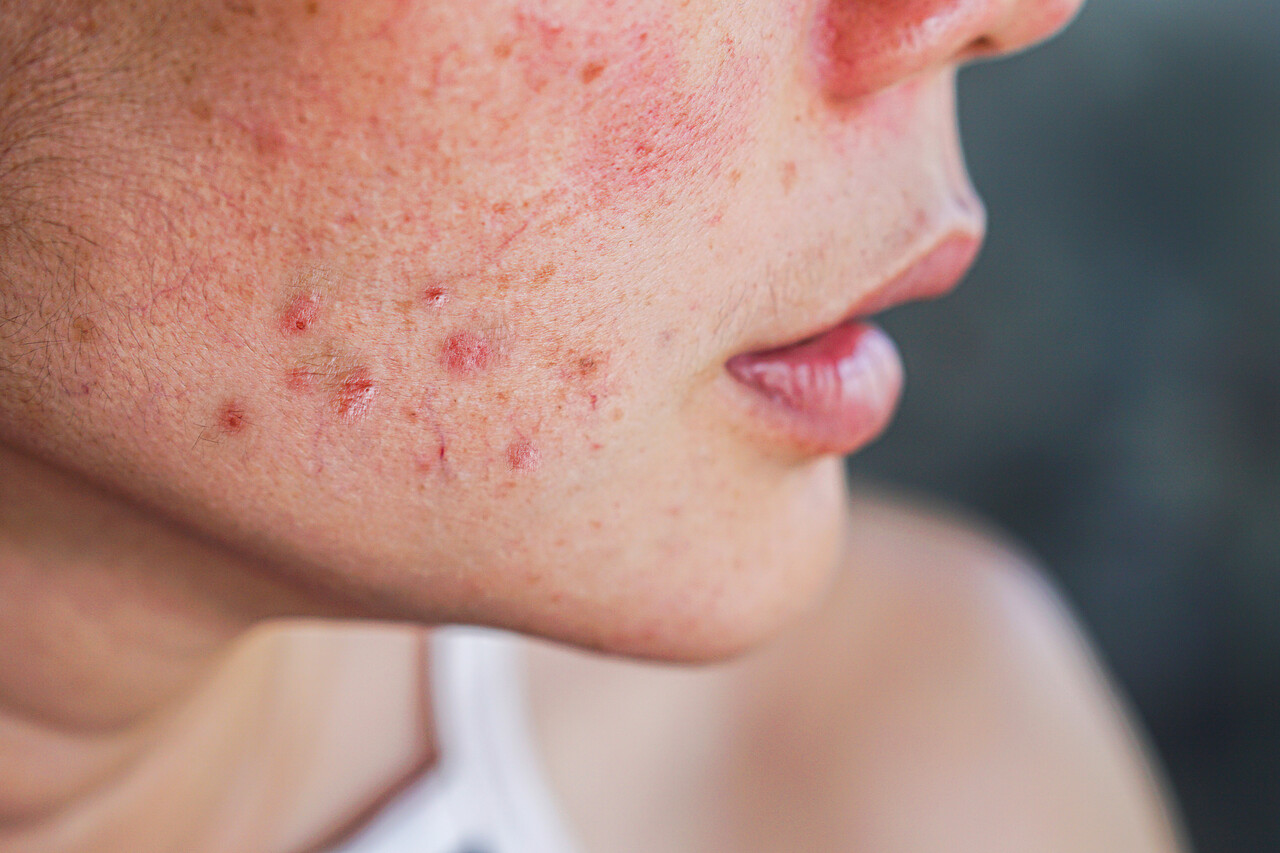
PCOS acne during ovulation is a frustrating experience for many women living with polycystic ovary syndrome (PCOS). While acne can occur at any time during the menstrual cycle, some people notice that painful pimples, oily skin, and cystic breakouts become more noticeable around ovulation. These flare-ups are often linked to hormonal changes, particularly shifts in androgen, estrogen, and progesterone levels, which can stimulate excess oil production and trigger inflammation in the skin.
Although not everyone with PCOS ovulates regularly, those who do may experience acne that follows a predictable mid-cycle pattern. Understanding why these breakouts happen can help you better manage your symptoms and choose the most effective treatment and skincare strategies.
Here, we will explain why PCOS acne can get worse during ovulation, how hormonal changes contribute to breakouts, other factors that may trigger mid-cycle acne, and the medical and natural treatments that can help keep your skin clearer throughout your cycle.
What Is PCOS Acne?
PCOS acne is a type of hormonal acne caused by polycystic ovary syndrome (PCOS), a hormonal disorder that affects how the ovaries function. It develops when the body produces higher-than-normal levels of androgens, often called male hormones, which stimulate the skin’s oil glands to produce excess sebum. When this oil combines with dead skin cells and bacteria, it can clog pores and lead to acne breakouts.
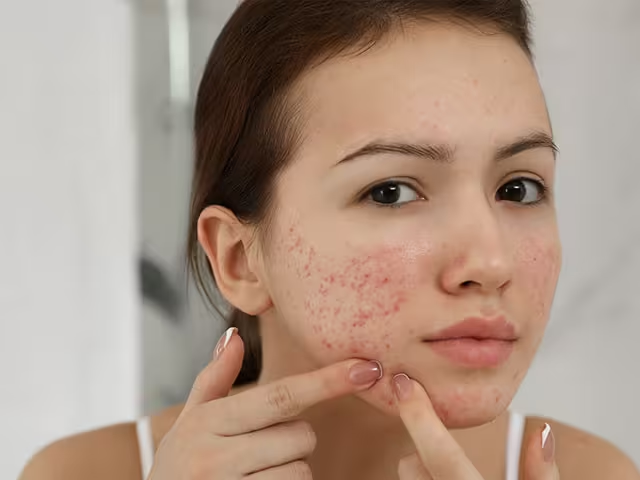
Unlike occasional pimples, PCOS acne is often persistent, recurring, and more difficult to treat with regular skincare products alone. It commonly appears on the lower part of the face, including the chin, jawline, cheeks, and neck, though it can also affect the chest, shoulders, and back. Many women experience deep, painful cystic pimples that may leave dark spots or scars after healing.
Recommended: Can You Have PCOS Without Cysts on Ultrasound?
PCOS acne is usually accompanied by other symptoms of the condition, such as irregular menstrual cycles, excessive facial or body hair, thinning scalp hair, weight gain, and difficulty ovulating. However, some women may experience acne as one of their most noticeable symptoms, even if other signs of PCOS are mild.
Because PCOS acne is driven by hormonal imbalances rather than poor hygiene, effective treatment often involves addressing the underlying hormone changes alongside a consistent skincare routine.
Does Ovulation Affect Acne in Women With PCOS?
Yes, ovulation can affect acne in women with PCOS, although the severity and timing of breakouts vary from person to person. Ovulation is accompanied by natural hormonal changes that can influence oil production in the skin. In women with PCOS, these fluctuations may be more pronounced because the condition is already associated with hormonal imbalances, particularly elevated androgen levels.
Around the middle of the menstrual cycle, estrogen levels peak before ovulation and then begin to decline, while progesterone starts to rise after the egg is released. At the same time, androgens may temporarily increase. These hormonal shifts can stimulate the sebaceous glands to produce more oil, creating an environment where pores are more likely to become clogged and inflamed, leading to acne flare-ups.
Not all women with PCOS ovulate regularly. Some experience infrequent ovulation or do not ovulate at all because of hormone imbalances. However, those who do ovulate may notice that acne tends to appear or worsen around the same time each cycle. Tracking your menstrual cycle and acne patterns can help you identify whether your breakouts are linked to ovulation.
It is also important to remember that ovulation is not the only factor that can trigger acne in PCOS. Stress, insulin resistance, diet, lack of sleep, and certain skincare products can also contribute to breakouts. Understanding how these factors interact with your hormones can make it easier to manage PCOS-related acne more effectively.
Why Does PCOS Acne Get Worse During Ovulation?
Many women with PCOS notice that their skin becomes oilier and acne worsens around the middle of their menstrual cycle. This is largely due to hormonal fluctuations that occur during ovulation. Since PCOS already disrupts the body’s hormonal balance, these normal mid-cycle changes can have a greater effect on the skin, leading to more frequent or severe breakouts.
Recommended: How to Manage Acne After Stopping Birth Control
1. Temporary Rise in Androgen Levels
Women with PCOS often have higher-than-normal levels of androgens, such as testosterone. Around ovulation, these hormones may increase slightly, causing the sebaceous glands to produce more oil. Excess oil mixes with dead skin cells and bacteria, clogging pores and increasing the likelihood of pimples and cystic acne.
2. Increased Sebum Production
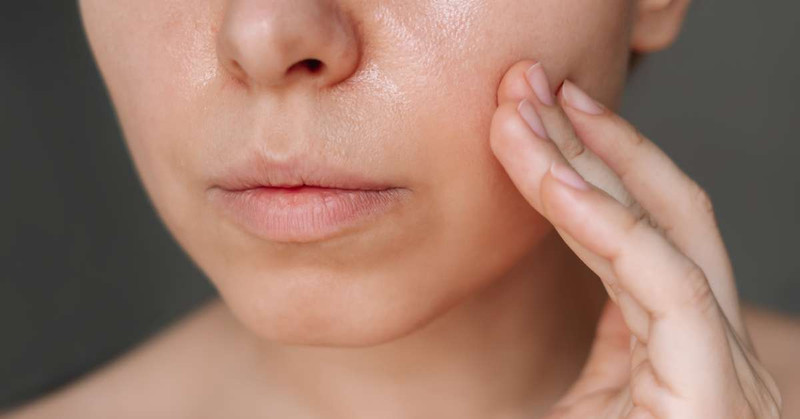
Hormonal changes during ovulation stimulate the skin’s oil glands. For women with PCOS, whose oil glands may already be more sensitive to androgens, this can result in excessive sebum production. Oily skin creates an ideal environment for acne-causing bacteria to grow, making breakouts more likely.
3. Fluctuations in Estrogen and Progesterone
Estrogen levels rise before ovulation and then begin to fall, while progesterone increases afterward. These shifts can temporarily affect the skin’s oil balance and contribute to clogged pores. In women with PCOS, the hormonal imbalance may amplify these effects, making acne flare-ups more noticeable.
Recommended: Vitamin E for Hormonal Acne: Does It Work?
4. Increased Skin Inflammation
Hormonal fluctuations can trigger inflammation throughout the body, including the skin. Inflamed pores are more likely to develop into red, swollen, and painful pimples. This is one reason why acne during ovulation is often deeper and more tender than ordinary breakouts.
5. Insulin Resistance Can Worsen Hormonal Acne
Many women with PCOS have insulin resistance, which can increase androgen production by the ovaries. Higher insulin levels may make the hormonal changes around ovulation more pronounced, leading to increased oil production and more persistent acne.
6. Greater Sensitivity to Hormonal Changes
Even small hormonal fluctuations can trigger acne in women with PCOS because their skin is often more sensitive to androgens. This heightened sensitivity means that hormone levels that might not affect someone without PCOS can still cause significant breakouts in those with the condition.
7. Slower Skin Cell Turnover
Hormonal imbalances associated with PCOS can interfere with the skin’s natural shedding process. Dead skin cells may accumulate on the surface instead of being shed efficiently, making it easier for pores to become blocked. When combined with increased oil production during ovulation, this raises the risk of acne flare-ups.
How to Prevent PCOS Acne During Ovulation
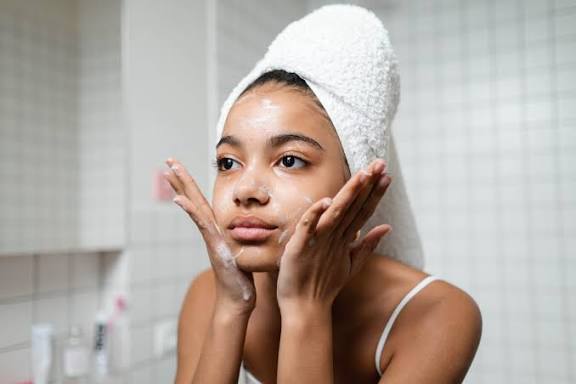
While you cannot completely stop the hormonal changes that occur during ovulation, you can reduce the chances of acne flare-ups by adopting healthy habits and following the right treatment plan. The following tips may help keep your skin clearer throughout your cycle.
Recommended: 10 Best Vitamins For Hormonal Acne
- Follow a consistent skincare routine: Cleanse your face twice daily and use non-comedogenic skincare products to control excess oil and prevent clogged pores.
- Eat a low glycemic diet: Limit sugary and highly processed foods, and choose whole grains, vegetables, lean proteins, and healthy fats to help regulate blood sugar and hormones.
- Manage insulin resistance: Regular exercise, a healthy weight, and prescribed medications like metformin can improve insulin sensitivity and reduce androgen levels.
- Reduce stress: Practice stress management techniques such as meditation, yoga, or deep breathing since stress hormones can worsen acne.
- Stay hydrated: Drinking enough water helps support healthy skin and maintain its natural protective barrier.
- Get enough sleep: Aim for seven to nine hours of quality sleep each night to support hormone balance and skin repair.
- Avoid touching or picking pimples: This helps reduce inflammation, lowers the risk of infection, and prevents acne scars.
- Track your menstrual cycle: Monitoring your cycle can help you identify ovulation-related breakouts and prepare your skincare routine in advance.
- Use prescribed medications: Hormonal treatments or acne medications recommended by your healthcare provider can help control PCOS-related breakouts.
- See a dermatologist when needed: If your acne is severe, painful, or does not improve with home care, seek professional evaluation and treatment.
Conclusion
PCOS acne can become more noticeable during ovulation because of the hormonal changes that occur around the middle of the menstrual cycle. Temporary increases in androgen activity, changes in estrogen and progesterone levels, excess oil production, and underlying insulin resistance can all contribute to acne flare-ups in women with PCOS.
Although these breakouts can be frustrating, they can often be managed with a consistent skincare routine, healthy lifestyle habits, and appropriate medical treatment when needed. Tracking your menstrual cycle and recognizing when your acne tends to worsen can also help you take preventive steps before a flare-up occurs.
If your acne is severe, painful, leaves scars, or does not improve despite treatment, consult a healthcare provider or dermatologist. Addressing both the hormonal imbalance caused by PCOS and the skin symptoms can help you achieve better long-term control of your acne and improve your overall skin health.