

Stretch marks are a common skin concern that can appear on different parts of the body, especially during periods of rapid growth, weight changes, pregnancy, or hormonal changes. If you have noticed that your stretch marks look purple, you may be wondering what causes the colour and whether it is something to be concerned about. Purple stretch marks are often newer marks that develop when the skin stretches more quickly than it can adapt.
The colour can vary depending on your skin tone, how recently the stretch marks developed, and changes occurring beneath the surface of the skin. While purple stretch marks are usually harmless, understanding why they appear can help you know what to expect and how to care for your skin.
In this article, we will explain why stretch marks become purple, the common causes, where they typically appear, whether they fade naturally, available treatment options, prevention tips, and when you should consider speaking with a healthcare professional.
What Are Purple Stretch Marks?
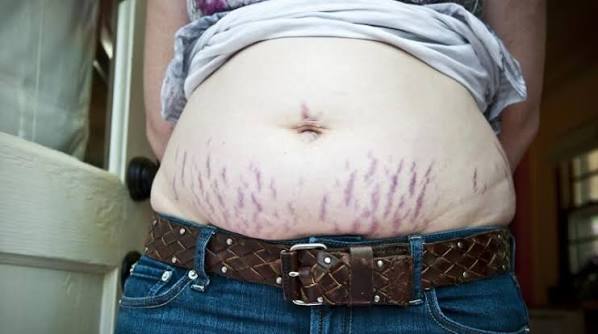
Purple stretch marks are lines or streaks that appear on the skin when the skin stretches or changes rapidly. They can appear purple, reddish-purple, pink, or dark depending on your natural skin tone and how recently they developed.
Purple stretch marks are usually considered early-stage stretch marks. They develop when the deeper layer of the skin, called the dermis, is stretched beyond its normal capacity. This can affect collagen and elastin fibres, which help give the skin its strength and elasticity.
Recommended: Why Are My Stretch Marks Red?
The purple colour is partly related to changes in the blood vessels beneath the skin. As the stretch marks become older, they often gradually lose their colour and may become lighter, silvery, or white. Although their appearance can be noticeable, purple stretch marks are generally harmless and do not usually indicate a serious health problem.
Why Do Stretch Marks Turn Purple?
Stretch marks can turn purple because they are often new or developing stretch marks. When the skin stretches rapidly, the deeper layers of the skin can become damaged, affecting collagen and elastin fibres. As the skin responds to this stretching, changes in the small blood vessels beneath the surface can make the marks appear red, pink, or purple.
The purple colour is more common during the early stage of a stretch mark’s development. As time passes, the marks may gradually become lighter and change to a silvery, white, or less noticeable colour.
Several factors can contribute to the development of purple stretch marks, including:
- Rapid weight gain or loss
- Pregnancy
- Puberty and growth spurts
- Rapid muscle growth
- Hormonal changes
- Genetic factors
- Certain medications, particularly prolonged use of corticosteroids
Having purple stretch marks does not necessarily mean that something is wrong with your health. In most cases, they are a normal response to changes in the skin.
Recommended: Itchy Belly During Pregnancy: Stretch Marks or PUPPP?
Common Causes of Purple Stretch Marks
Purple stretch marks can develop when the skin is stretched or affected by changes in the body faster than it can adapt. They are particularly common during periods of growth, hormonal changes, and significant changes in body size. Some people are also more likely to develop them because of their genetics and skin characteristics.
Here are some of the most common causes:
1. Pregnancy

During pregnancy, the abdomen, breasts, hips, and thighs may expand rapidly as the body changes. Hormonal changes may also affect the skin’s elasticity, making stretch marks more likely to develop.
2. Rapid Weight Gain
Gaining weight quickly can stretch the skin and contribute to the formation of new stretch marks. They may initially appear red, pink, or purple before gradually becoming lighter.
Recommended: Heartburn Worse at Night During Pregnancy
3. Rapid Weight Loss
Significant weight loss can make previously unnoticed stretch marks more visible. Stretch marks may also develop when the skin has undergone substantial changes in a short period.
4. Puberty and Growth Spurts
Teenagers may develop purple stretch marks during periods of rapid growth. They commonly appear on the thighs, hips, lower back, breasts, and shoulders.
5. Muscle Growth
Rapid increases in muscle size, particularly through intensive strength training, can stretch the skin. This may result in stretch marks on areas such as the shoulders, upper arms, chest, and thighs.
6. Hormonal Changes
Hormones can influence the skin’s structure and elasticity. Changes in hormone levels during puberty, pregnancy, or certain medical conditions may increase the likelihood of developing stretch marks.
7. Genetics
Your genes can influence how elastic your skin is and how likely you are to develop stretch marks. If close family members have them, you may also be more prone to developing them.
8. Long-Term Corticosteroid Use
Prolonged use of corticosteroid creams or medicines can affect collagen production and make the skin thinner and more vulnerable to stretch marks. If you use these medications and notice unusual or widespread stretch marks, speak with your healthcare professional.
Do Purple Stretch Marks Fade?
Yes, purple stretch marks often fade over time. Their purple, red, or pink colour usually indicates that they are relatively new. As the skin continues to heal and the stretch marks mature, their colour may gradually become lighter and less noticeable.
The fading process is different for everyone. Some purple stretch marks may eventually become white, silver, or skin-coloured, while others may remain slightly visible. They may not disappear completely because stretch marks involve changes in the deeper layers of the skin.
Recommended: Vaginal Pressure During Pregnancy Without Contractions
Moisturizers can help keep the skin hydrated and reduce dryness or itching, but they do not necessarily remove established stretch marks. If you are concerned about their appearance, a dermatologist can recommend treatment options based on the age and appearance of the marks.
How Long Do Purple Stretch Marks Take to Fade?
Purple stretch marks can take several months to a few years to gradually fade. There is no exact timeline because the fading process depends on factors such as genetics, skin type, age of the stretch marks, hormonal changes, and how quickly the skin changes.
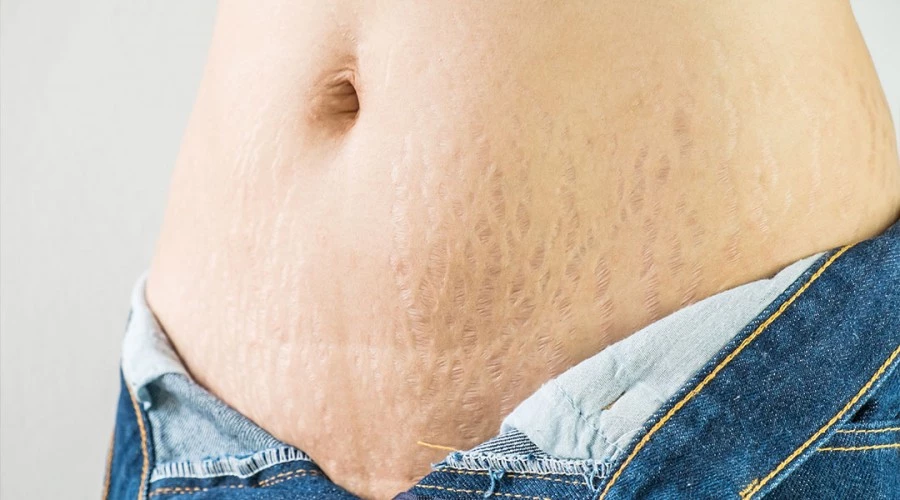
Purple stretch marks are usually considered newer stretch marks. Over time, their purple, red, or pink colour may become lighter as the marks mature. They can eventually become white, silver, or closer to your natural skin tone, making them less noticeable.
It is important to remember that stretch marks are a type of scar, so they may not disappear completely on their own. However, treatments such as certain topical medications, laser therapy, or microneedling may improve their appearance in some people.
Recommended: Why Is My Pelvic Floor Still Weak 6 Months Postpartum?
Where Do Purple Stretch Marks Usually Appear?
Purple stretch marks can appear on almost any part of the body where the skin has been stretched or changed rapidly. Their location often depends on the cause, such as pregnancy, puberty, weight changes, or muscle growth.
Common areas include:
- Abdomen: The abdomen is one of the most common areas, particularly during pregnancy or significant weight gain. Stretch marks may appear across or around the stomach as the skin expands.
- Thighs: Purple stretch marks can develop on the inner or outer thighs, especially during puberty, rapid weight changes, or periods of growth.
- Hips and Buttocks: The hips and buttocks can develop stretch marks when there are changes in body size or hormonal fluctuations. They may initially appear purple before gradually becoming lighter.
- Breasts: Breast growth during puberty, pregnancy, breastfeeding, or weight changes can stretch the skin and lead to purple stretch marks.
- Upper Arms and Shoulders: These areas may develop stretch marks when there is rapid muscle growth, significant weight gain, or changes during puberty.
- Lower Back: Stretch marks on the lower back are particularly common among teenagers experiencing rapid growth. They may appear as horizontal or slightly curved lines.
- Calves and Other Areas: Purple stretch marks can also develop on the calves, knees, and other areas where the skin experiences significant stretching.
Recommended: Diet and Lifestyle Changes to Help with PMDD Symptoms
Treatments That May Improve Their Appearance
Purple stretch marks are usually newer stretch marks, and while they may fade naturally with time, some treatments can make them less noticeable. It is important to have realistic expectations because stretch marks are a form of scarring, and no treatment can guarantee that they will disappear completely.
1. Topical Retinoids
Prescription retinoids, such as tretinoin, may help improve the appearance of some newer stretch marks by encouraging collagen production and supporting skin renewal. However, they can irritate the skin and should not be used during pregnancy. Speak with a healthcare professional before using them.
2. Laser Therapy
Certain laser treatments can target the colour and texture of newer stretch marks. They may help reduce redness or pigmentation and stimulate collagen production. Several treatment sessions may be required, depending on the individual.
3. Microneedling
Microneedling uses very small needles to create controlled micro-injuries in the skin. This can stimulate the body’s natural collagen and elastin production and may gradually improve the texture and appearance of stretch marks.
4. Microdermabrasion
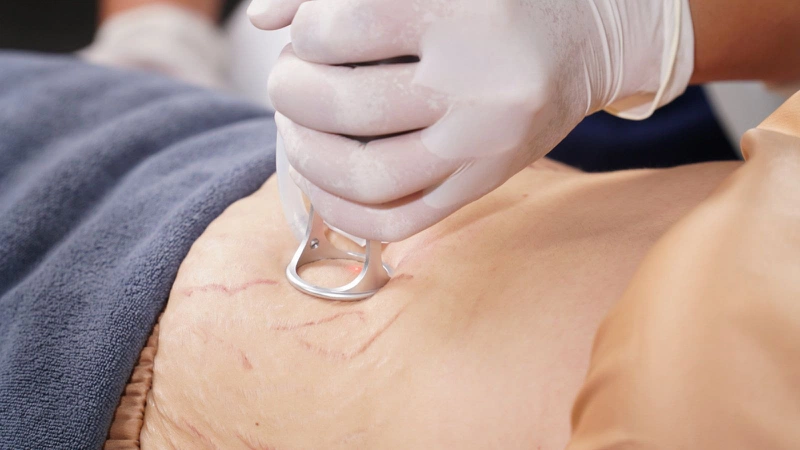
This procedure gently removes the outermost layer of the skin and may help improve the appearance and texture of some stretch marks. Results can vary, and multiple sessions may be recommended.
5. Moisturizers and Skin Care
Keeping the skin moisturized can improve skin softness and reduce dryness or itching. Ingredients such as cocoa butter, vitamin E, and various oils are widely marketed for stretch marks, but evidence that they can prevent or remove stretch marks is limited.
6. Professional Dermatological Treatments
A dermatologist can assess your stretch marks and recommend an appropriate treatment based on their colour, age, location, and your skin type. Professional treatment is particularly important for procedures such as laser therapy and microneedling because incorrect treatment can cause skin irritation or pigmentation changes.
When Should You See a Doctor?
- You should see a doctor if purple stretch marks appear suddenly and without an obvious cause, especially if you have not experienced recent pregnancy, rapid weight changes, puberty, or significant muscle growth.
- You should seek medical advice if the stretch marks are very wide, unusually large, or widespread, as this can sometimes be associated with hormonal changes or prolonged corticosteroid use.
- It is advisable to speak with a healthcare professional if your stretch marks appear alongside other unusual symptoms, such as unexplained weight changes, muscle weakness, easy bruising, or changes in blood pressure.
- If you have been using corticosteroid creams, tablets, or injections for a long period, discuss the appearance of new stretch marks with your doctor.
- You can also see a dermatologist if the stretch marks affect your confidence or you want to explore treatments that may make them less noticeable.
- In most cases, purple stretch marks are harmless and gradually fade with time, but a healthcare professional can help determine whether there is an underlying cause when their appearance is unusual.
Conclusion
Purple stretch marks are a common skin change that can occur when the skin stretches rapidly due to pregnancy, puberty, weight changes, muscle growth, or hormonal changes. Their purple or reddish colour often indicates that they are relatively new and, in many cases, they gradually become lighter and less noticeable over time.
While stretch marks cannot always be completely removed, treatments such as prescription creams, laser therapy, and microneedling may help improve their appearance. Keeping your skin moisturized can also support overall skin health, although it cannot guarantee prevention or removal.
Most purple stretch marks are harmless and do not require medical treatment. However, if they appear suddenly, become widespread, or occur alongside other unusual symptoms, it is important to speak with a healthcare professional for proper evaluation.