
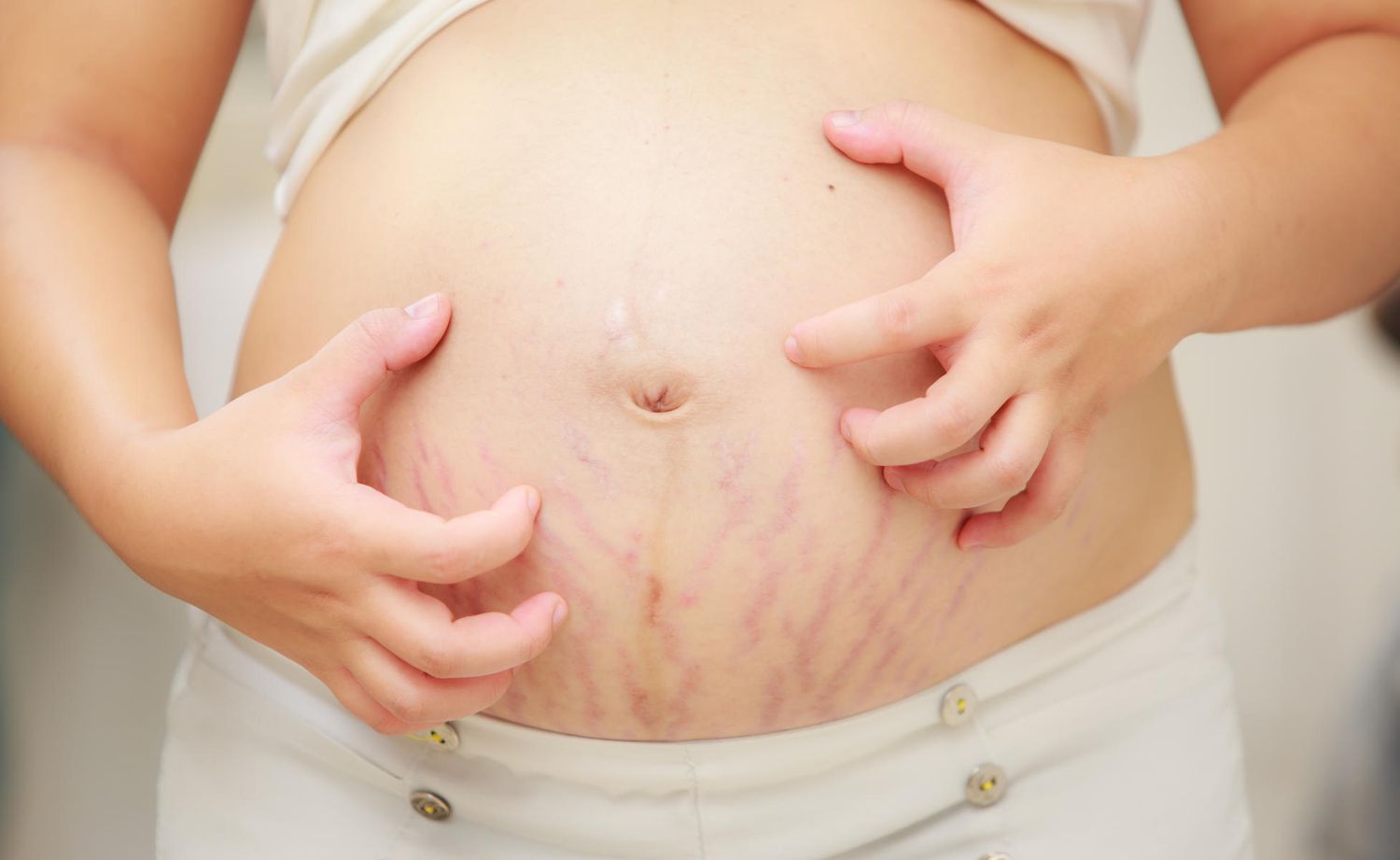
Itchy belly during pregnancy is a common complaint, particularly as your skin stretches to accommodate your growing baby. The stretching can make the skin feel tight, dry, and irritated.
Sometimes, itching may happen as stretch marks begin to develop. These marks often appear on the belly, breasts, hips, thighs, or other areas where the skin stretches rapidly.
However, an itchy belly can also be caused by PUPPP, a pregnancy-related skin rash that causes itchy red bumps or patches. Although PUPPP is generally harmless, it can be uncomfortable and may look different from ordinary stretch marks.
In this article, we will explain the difference between itching caused by stretch marks and PUPPP, other possible causes of an itchy belly during pregnancy, ways to relieve the discomfort, and when to seek medical care.
Why Does Your Belly Get Itchy During Pregnancy?
An itchy belly during pregnancy is usually caused by changes happening to your skin and hormones as your baby grows. The skin around your abdomen stretches, becomes more sensitive, and may lose moisture, which can lead to itching. However, there are several possible causes.
Recommended: Sharp Stomach Pain When Sneezing While Pregnant
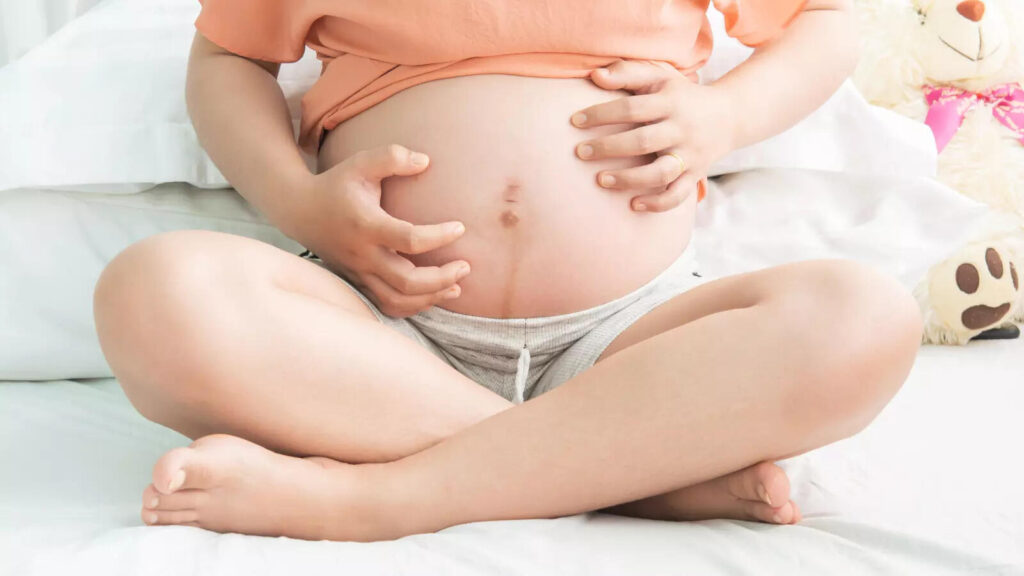
- Skin Stretching: As your belly grows, the skin stretches to accommodate the expanding uterus. This stretching can make the skin feel tight, dry, and itchy. The itching may become more noticeable as pregnancy progresses.
- Stretch Marks: Stretch marks develop when the skin stretches rapidly and the underlying tissues change. Before or as they become visible, the affected area may feel itchy or irritated. They commonly appear as pink, red, purple, or darker lines on the abdomen.
- Hormonal Changes: Pregnancy causes significant changes in hormones such as estrogen and progesterone. These changes can increase skin sensitivity and contribute to itching, even when there is no obvious rash.
- Dry Skin: Pregnancy can make the skin drier, particularly around the abdomen. Frequent bathing with hot water, harsh soaps, or dry weather can make the problem worse and cause increased itching.
- PUPPP: PUPPP, also called polymorphic eruption of pregnancy, is a pregnancy-related skin condition that causes an intensely itchy rash. It often begins within stretch marks on the abdomen and may spread to the thighs, buttocks, or other areas.
- Cholestasis of Pregnancy: Intrahepatic cholestasis of pregnancy is a liver condition that can cause significant itching, often without a visible rash. It commonly affects the palms of the hands and soles of the feet but can cause itching elsewhere. Because it can pose risks to the baby, unusual or severe itching during pregnancy should be discussed with a healthcare professional.
Recommended: Period-Like Cramps at 4 Weeks Pregnant
Is an Itchy Belly a Sign of Stretch Marks?
An itchy belly can sometimes be a sign that stretch marks are developing, but itching does not always mean you will get them. As your abdomen grows during pregnancy, the skin stretches and can become tight, dry, and irritated. This may cause itching before stretch marks become visible.
When stretch marks begin to form, you may notice itchy or slightly uncomfortable areas on your belly. The marks can initially appear pink, red, purple, reddish-brown, or darker than your natural skin tone, depending on your skin type. Over time, they usually become lighter and less noticeable.
However, an itchy belly can have many other causes, including dry skin, hormonal changes, or pregnancy-related rashes such as PUPPP. Therefore, itching alone cannot confirm that stretch marks are developing. If the itching is severe, persistent, or occurs without a visible rash, it is best to speak with your healthcare provider.
What Is PUPPP Rash During Pregnancy?
PUPPP, which stands for Pruritic Urticarial Papules and Plaques of Pregnancy, is a common pregnancy-related skin condition that causes an intensely itchy rash. It is also known as polymorphic eruption of pregnancy (PEP). The rash often develops during the third trimester, although it can occasionally appear earlier or shortly after delivery.
PUPPP usually starts on the abdomen, often within or around existing stretch marks. It may appear as small red bumps that join together to form larger, raised patches. The rash can then spread to the thighs, buttocks, hips, or arms, while the face, palms, and soles are usually not affected.
Although PUPPP can cause significant discomfort, it is generally not dangerous to the mother or baby and usually disappears after delivery. Treatment mainly focuses on controlling the itching and keeping the skin comfortable. However, because other pregnancy conditions can also cause itching, a healthcare provider should evaluate a new or severe rash during pregnancy.
Recommended: 10 Reasons You Are Not Losing Weight After Pregnancy
Stretch Marks vs. PUPPP: How Can You Tell the Difference?
Stretch marks and PUPPP can both cause itching on the belly during pregnancy, but they are different conditions. Stretch marks are lines or streaks that develop when the skin stretches rapidly, while PUPPP is an itchy pregnancy-related rash that causes red bumps and raised patches. Knowing how each looks can help you tell them apart.
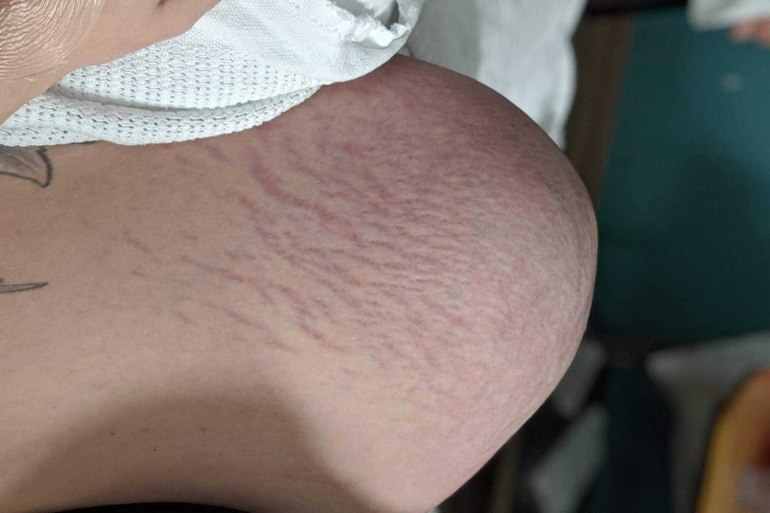
1. Appearance
Stretch marks usually appear as narrow lines or streaks that may be pink, red, purple, reddish-brown, or darker than your usual skin tone. PUPPP, on the other hand, typically appears as small red or pink bumps that can merge into larger, raised patches.
2. Itching
Both conditions can itch, but PUPPP is usually associated with more intense itching. Stretch marks may itch or feel irritated, particularly while they are developing, but the discomfort is often milder.
3. Location
Stretch marks commonly develop on areas where the skin stretches during pregnancy, including the belly, breasts, hips, buttocks, and thighs. PUPPP often begins around the abdominal stretch marks and may spread to the thighs, buttocks, hips, or arms.
Recommended: Best Pregnancy Support Belt
4. Texture
Stretch marks are usually flat or slightly indented compared with the surrounding skin. PUPPP causes raised bumps or patches that can feel rough, swollen, or irritated.
5. What Happens After Pregnancy
Stretch marks usually remain after pregnancy but gradually fade and become less noticeable over time. PUPPP generally resolves after delivery, although the itching and rash may take some time to completely disappear.
Other Causes of an Itchy Belly During Pregnancy
Although stretch marks and PUPPP are common explanations for an itchy belly during pregnancy, they are not the only possible causes. Pregnancy can affect the skin in several ways, and factors such as dryness, hormonal changes, and certain skin conditions may also trigger itching.
- Dry Skin: As pregnancy progresses, the skin around your abdomen can become dry and tight. Hot showers, harsh soaps, and dry weather can remove natural oils from the skin and make the itching worse.
- Hormonal Changes: Pregnancy hormones can increase skin sensitivity and change how your skin responds to normal irritants. As a result, you may experience itching even when there is no obvious rash or skin problem.
- Heat and Sweating: Pregnancy can make you feel warmer and sweat more easily. Sweat and heat can irritate the skin around your belly, particularly when wearing tight or non-breathable clothing.
- Irritation From Skincare Products: New lotions, perfumes, soaps, detergents, or other skincare products can sometimes irritate sensitive pregnancy skin. An itchy or irritated belly may improve after stopping a product that triggers the reaction.
- Eczema: Pregnancy can trigger or worsen eczema in some people. Eczema may cause dry, itchy, red, or inflamed patches of skin and can occur on different parts of the body, including the abdomen.
- Intrahepatic Cholestasis of Pregnancy: Intrahepatic cholestasis of pregnancy is a liver condition that can cause intense itching, often without a visible rash. The itching may be particularly noticeable on the palms and soles but can occur elsewhere. Because this condition can increase pregnancy risks, severe or unexplained itching should be reported to a healthcare professional promptly.
Recommended: Do Tubal Pregnancies Show on Pregnancy Tests?
Can You Prevent Stretch Marks or PUPPP?
Stretch marks cannot always be prevented during pregnancy because genetics, hormonal changes, and how quickly your skin stretches all play a role. Keeping your skin moisturized with a gentle, fragrance-free moisturizer may help reduce dryness and discomfort, but creams and oils cannot guarantee that stretch marks will not develop. Staying hydrated and maintaining a healthy pregnancy weight gain within your healthcare provider’s recommended range may also support healthy skin.
PUPPP is also difficult to prevent because its exact cause is not fully understood. There is no proven method that can completely stop it from developing. If you develop PUPPP, however, treatments recommended by your healthcare provider can help control the itching and discomfort. Avoiding excessive heat, wearing loose clothing, and using gentle skincare products may also help keep irritated skin more comfortable.
How to Relieve an Itchy Belly During Pregnancy
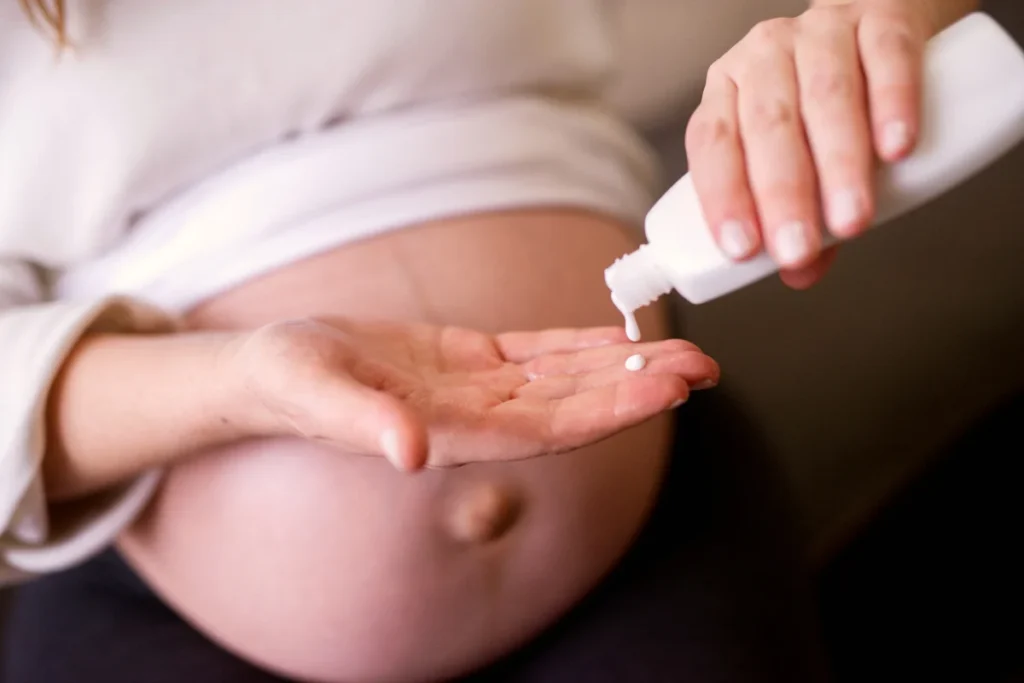
There are several simple ways to soothe an itchy belly during pregnancy and keep your skin comfortable:
- Moisturize regularly: Apply a gentle, fragrance-free moisturizer to your belly, especially after bathing, to help prevent dryness and reduce itching.
- Take lukewarm showers: Avoid very hot water because it can dry out your skin and make itching worse.
- Use gentle skincare products: Choose mild, fragrance-free soaps, body washes, and lotions that are less likely to irritate sensitive skin.
- Apply a cool compress: Place a cool, damp cloth over the itchy area for several minutes to help soothe irritation.
- Wear loose clothing: Choose loose-fitting, breathable cotton clothing to reduce heat, sweating, and friction against your skin.
- Avoid scratching: Scratching can further irritate the skin and may cause small breaks that increase the risk of infection. Instead, gently pat or rub the area.
- Keep your skin hydrated: Drink enough fluids throughout the day to support overall hydration and skin health.
- Talk to your healthcare provider: If the itching is severe, persistent, spreading, or accompanied by a rash or other unusual symptoms, seek medical advice to determine the underlying cause.
Recommended: Is Spotting a Sign of Early Pregnancy or Miscarriage?
When Should You See a Doctor About an Itchy Belly?
An itchy belly during pregnancy is often harmless, especially when it is mild and related to dry or stretching skin. However, you should speak with your healthcare provider if the itching becomes severe, persistent, suddenly gets worse, or is accompanied by a rash, swelling, sores, or signs of infection. It is also important to seek medical advice if home measures such as moisturizing and using cool compresses do not provide relief.
Pay particular attention to intense itching without a visible rash, especially if it affects your palms or the soles of your feet or becomes worse at night. This can be a symptom of intrahepatic cholestasis of pregnancy, a liver condition that requires medical evaluation. Your healthcare provider can determine whether the itching is due to normal pregnancy changes, PUPPP, stretch marks, or another condition and recommend appropriate treatment.
Conclusion
An itchy belly during pregnancy is common and is often caused by normal changes such as skin stretching, dryness, and hormonal fluctuations. While itching can occur as stretch marks develop, it may also be a sign of PUPPP or another pregnancy-related skin condition.
Knowing the difference between these causes can help you understand what your body is experiencing and choose appropriate ways to manage the discomfort. Simple measures such as moisturizing, taking lukewarm showers, wearing loose clothing, and avoiding irritating skincare products may provide relief.
However, severe, persistent, or unexplained itching should not be ignored. If the itching occurs without a rash, becomes worse at night, or affects your palms or soles, speak with your healthcare provider for proper evaluation and treatment.