

IUI is a widely used fertility treatment that helps increase the chances of pregnancy by placing specially prepared sperm directly into the uterus around the time of ovulation. Many couples wonder how many sperm are needed for IUI when the woman has PCOS, especially because the condition can make conception more challenging.
While sperm count is important, it is not the only factor that determines whether IUI will be successful. Fertility specialists also evaluate sperm motility, sperm morphology, the timing of insemination, and whether the woman is ovulating regularly. For women with PCOS, successful ovulation is often just as important as having a healthy sperm count.
PCOS itself does not usually increase the number of sperm needed for IUI. Instead, the condition mainly affects ovulation and hormone balance, which can make it more difficult for an egg to be released each month. When ovulation is properly managed with fertility medications, many women with PCOS can achieve pregnancy through IUI.
In this article, we will discuss how many sperm are needed for IUI, whether PCOS affects sperm requirements, the factors that influence IUI success, and when it may be time to consider other fertility treatments.
What Is Intrauterine Insemination (IUI)?
Intrauterine insemination (IUI) is a fertility treatment that involves placing specially prepared sperm directly into the uterus during a woman’s fertile window. The goal is to bring the sperm closer to the egg, increasing the chances of fertilization while bypassing some barriers that may make natural conception more difficult.
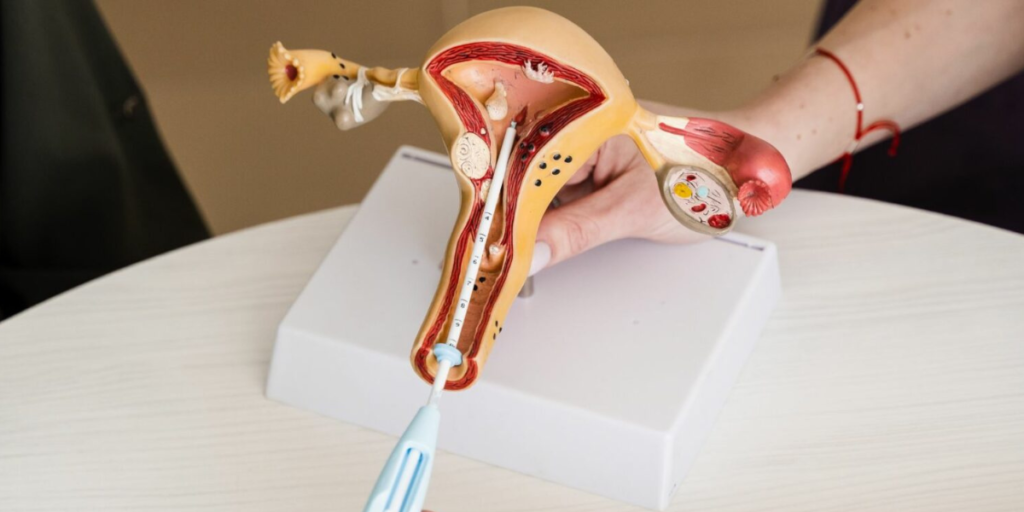
Before the procedure, a semen sample is collected and processed in a laboratory through a technique known as sperm washing. This process separates healthy, motile sperm from the seminal fluid and removes dead sperm, debris, and other substances that could interfere with fertilization. The resulting concentrated sample is then inserted into the uterus using a thin, flexible catheter.
Recommended: Can We Conceive Naturally With PCOS and Low Sperm Count?
IUI is commonly recommended for couples experiencing unexplained infertility, mild male factor infertility, cervical mucus problems, or ovulation disorders such as polycystic ovary syndrome (PCOS). It may also be an option for single women and same-sex female couples who wish to conceive using donor sperm.
The procedure is quick, minimally invasive, and usually painless, with most women experiencing little more than mild cramping during or after the insemination. Although IUI can improve the chances of pregnancy, its success depends on several factors, including the woman’s age, the quality of the sperm, the timing of ovulation, and any underlying fertility conditions.
How Does PCOS Affect Fertility?
Polycystic ovary syndrome (PCOS) is one of the most common causes of female infertility. It affects the balance of reproductive hormones, which can interfere with the normal growth and release of eggs from the ovaries. As a result, many women with PCOS experience irregular or absent ovulation, making it more difficult to conceive naturally.
One of the main ways PCOS affects fertility is by preventing regular ovulation. Without the release of a mature egg each month, there is little or no opportunity for fertilization to occur. Many women with PCOS also have irregular menstrual cycles, making it harder to predict the fertile window and time intercourse or fertility treatments such as intrauterine insemination (IUI).
Recommended: What Does Low Sperm Motility Actually Mean for Getting Pregnant?
PCOS is also associated with insulin resistance and higher-than-normal levels of androgens, often referred to as male hormones. These hormonal changes can affect egg development and the quality of ovulation. In some cases, they may also contribute to weight gain, which can further disrupt hormone levels and reduce fertility.
Although PCOS can make pregnancy more challenging, it does not mean that conception is impossible. Many women with PCOS achieve successful pregnancies through lifestyle changes, medications that stimulate ovulation, and fertility treatments such as IUI or in vitro fertilization (IVF), depending on their individual circumstances.
How Many Sperm Are Needed for Successful IUI?
There is no single sperm count that guarantees a successful IUI, but fertility specialists generally focus on the total motile sperm count (TMSC) after sperm washing rather than the total number of sperm in the semen sample. TMSC measures the number of healthy, moving sperm available to fertilize the egg and is one of the strongest predictors of IUI success.
Most experts recommend a post-wash total motile sperm count of at least 5 million for a reasonable chance of pregnancy. However, pregnancy can still occur with lower counts, especially if the woman is younger, has open fallopian tubes, and ovulates normally. The highest pregnancy rates are often seen when the post-wash TMSC is 10 million or more.
The initial semen sample usually contains far more sperm than the final washed sample. A normal ejaculate may contain 15 million or more sperm per milliliter, but only the healthiest and most motile sperm are selected during sperm washing before they are used for IUI. This process improves the quality of the sample and increases the likelihood of fertilization.
Recommended: Top Antioxidants for Reducing Sperm DNA Fragmentation
Does Having PCOS Increase the Sperm Requirement?
No, having PCOS does not increase the number of sperm needed for a successful IUI. The recommended total motile sperm count remains the same regardless of whether a woman has PCOS. The condition primarily affects ovulation by causing irregular or absent egg release, rather than changing the amount of sperm required for fertilization. As a result, ensuring that ovulation occurs at the right time is often more important than increasing sperm numbers.
When ovulation is properly managed with fertility medications and monitored by a fertility specialist, women with PCOS can achieve good pregnancy outcomes through IUI if the sperm quality is also adequate. However, if the male partner has a low total motile sperm count or other significant sperm abnormalities in addition to the woman’s PCOS, the chances of IUI success may decrease, and treatments such as IVF may be recommended.
How Many Sperm Are Needed for IUI When the Woman Has PCOS?
For women with PCOS, the recommended sperm count for IUI is the same as for women without the condition. Fertility specialists generally look for a post-wash total motile sperm count (TMSC) of at least 5 million, while 10 million or more motile sperm is considered ideal for achieving higher pregnancy rates. The focus is not simply on the total number of sperm but on the number of healthy, actively moving sperm available after sperm washing.
Recommended: How to Reduce Microplastic Exposure for Better Sperm Motility
PCOS does not increase the amount of sperm needed for a successful IUI. Instead, it mainly affects ovulation, making it essential to ensure that a mature egg is released before insemination. When ovulation is properly induced and timed, and the sperm sample has a good total motile sperm count, many women with PCOS have a good chance of achieving pregnancy through IUI. Because every couple’s fertility situation is unique, a fertility specialist will evaluate both partners before recommending the most appropriate treatment plan.
Factors That Affect IUI Success in Women With PCOS
Although having an adequate sperm count is important, several other factors can influence the success of IUI in women with PCOS. These include the woman’s age, body weight, ovulation, egg quality, and the presence of other fertility issues. Understanding these factors can help set realistic expectations and improve the chances of a successful pregnancy.
- Age: Female age is one of the strongest predictors of IUI success. Women under 35 generally have higher pregnancy rates because they tend to have better egg quality and ovarian reserve. As age increases, both egg quality and fertility naturally decline.
- Ovulation: Since PCOS often causes irregular or absent ovulation, ensuring that a mature egg is released before IUI is essential. Fertility medications such as letrozole or clomiphene citrate are commonly used to stimulate ovulation and improve the timing of insemination.
- Body Weight (BMI): Being overweight or obese can worsen insulin resistance and hormonal imbalances associated with PCOS, making ovulation less predictable. Achieving and maintaining a healthy weight may improve ovulation, increase the effectiveness of fertility medications, and boost IUI success rates.
- Egg Quality: While many women with PCOS have a good ovarian reserve, hormonal imbalances can sometimes affect egg development. Healthy egg quality is necessary for successful fertilization, embryo development, and implantation.
- Endometrial Thickness: A healthy uterine lining is important for embryo implantation. During an IUI cycle, fertility specialists often monitor the endometrial thickness with ultrasound to ensure the uterus is prepared to support a pregnancy.
- Sperm Quality: In addition to sperm count, sperm motility and morphology significantly affect IUI outcomes. Even if the woman has PCOS, the chances of pregnancy are higher when the sperm are healthy, active, and able to reach and fertilize the egg.
- Timing of Insemination: IUI is most successful when it is performed close to ovulation. Ultrasound scans, hormone tests, and trigger injections help fertility specialists identify the ideal time to perform the procedure.
- Fallopian Tube Health: At least one fallopian tube must be open for IUI to work because fertilization takes place inside the tube before the embryo travels to the uterus. If both tubes are blocked, IVF is usually the more appropriate treatment option.
Recommended: How Can I Improve Sperm Motility Naturally?
Tips to Improve IUI Success if You Have PCOS
Improving your chances of a successful IUI involves more than meeting the recommended sperm count. Women with PCOS can increase their likelihood of pregnancy by following their fertility specialist’s treatment plan and adopting healthy lifestyle habits that support regular ovulation and overall reproductive health.
Maintain a Healthy Weight

Losing even a small amount of excess weight can improve hormone balance, reduce insulin resistance, and help restore regular ovulation. For women who are underweight, reaching a healthy weight may also support better fertility outcomes.
Take Fertility Medications as Prescribed
Medications such as letrozole or clomiphene citrate are commonly used to stimulate ovulation in women with PCOS. Taking these medications exactly as directed and attending follow-up appointments helps ensure the best timing for IUI.
Follow a Balanced Diet
A diet rich in whole grains, lean proteins, fruits, vegetables, and healthy fats may help improve insulin sensitivity and support reproductive health. Limiting processed foods and sugary drinks can also benefit women with PCOS.
Stay Physically Active
Regular moderate exercise can improve insulin resistance, support weight management, and promote hormonal balance. Aim for consistent physical activity without excessive or intense workouts that could interfere with ovulation.
Recommended: How to Make Sperm Stronger for Pregnancy
Time the Procedure Correctly
The success of IUI depends heavily on performing the procedure close to ovulation. Ultrasound monitoring, blood tests, and trigger injections help ensure insemination takes place during the most fertile period.
Support Male Fertility
The male partner should also focus on maintaining healthy sperm quality by avoiding smoking, limiting alcohol, managing stress, eating a nutritious diet, and addressing any medical conditions that may affect fertility.
Attend All Fertility Monitoring Appointments
Regular monitoring allows your fertility specialist to assess follicle growth, confirm ovulation, and determine the ideal time for insemination. Careful monitoring can significantly improve the chances of a successful IUI cycle.
Conclusion
The number of sperm needed for IUI when the woman has PCOS is generally the same as for women without the condition. Most fertility specialists recommend a post-wash total motile sperm count of at least 5 million, while 10 million or more motile sperm is considered ideal for improving the chances of pregnancy. However, sperm count alone does not determine whether IUI will be successful.
For women with PCOS, managing ovulation is often the most important factor. With proper ovulation induction, accurate timing of insemination, healthy sperm quality, and good overall reproductive health, many women with PCOS can achieve successful pregnancies through IUI. If IUI is unsuccessful after several cycles or additional fertility issues are present, your fertility specialist may recommend alternative treatments such as IVF to improve your chances of conception.