

PCOS is one of the most common hormonal disorders that can affect a woman’s ability to conceive naturally. When it is combined with low sperm count in a male partner, couples often wonder if pregnancy without fertility treatment is still possible. While these conditions can reduce the chances of conception, they do not always prevent it.
Many couples with PCOS and low sperm count have conceived naturally by understanding their fertility, making healthy lifestyle changes, and timing intercourse during the fertile window. The likelihood of pregnancy depends on factors such as ovulation, sperm quality, age, and overall reproductive health.
In this article, we will discuss how PCOS and low sperm count affect fertility, whether natural conception is possible, the factors that influence your chances of pregnancy, and the treatment options available if needed.
What Is PCOS?
Polycystic ovary syndrome (PCOS) is a common hormonal disorder that affects women of reproductive age. It occurs when the ovaries produce higher than normal levels of androgens, often called male hormones, which can interfere with the normal growth and release of eggs during the menstrual cycle.

Many women with PCOS experience irregular or missed periods because they do not ovulate regularly. Other common symptoms include acne, excessive facial or body hair growth, weight gain, thinning hair on the scalp, and multiple small follicles on the ovaries seen during an ultrasound. However, symptoms can vary from one person to another.
Recommended: What Does Low Sperm Motility Actually Mean for Getting Pregnant
PCOS is one of the leading causes of female infertility, but it does not mean pregnancy is impossible. Many women with the condition can conceive naturally or with medical support, especially after managing their symptoms through lifestyle changes, medication, or fertility treatments when necessary.
What Is Low Sperm Count?
Low sperm count, also known as oligospermia, is a condition in which a man’s semen contains fewer sperm than normal. According to the World Health Organization, a normal sperm concentration is at least 16 million sperm per milliliter of semen, while anything below this level is considered a low sperm count.
Having a low sperm count reduces the number of sperm available to reach and fertilize an egg, which can make conception more difficult. However, pregnancy is still possible, especially if the sperm are healthy, move well, and have a normal shape.
Low sperm count can result from factors such as hormonal imbalances, varicoceles, infections, genetic conditions, smoking, excessive alcohol use, obesity, certain medications, exposure to environmental toxins, or prolonged heat exposure to the testicles. Identifying and treating the underlying cause may help improve fertility in some men.
Causes of Low Sperm Count
1. Hormonal Imbalances
Hormones such as testosterone, follicle stimulating hormone (FSH), and luteinizing hormone (LH) regulate sperm production. Low or abnormal hormone levels can reduce the number of sperm the testes produce.
Recommended: Top Antioxidants for Reducing Sperm DNA Fragmentation
2. Varicocele
A varicocele is an enlargement of the veins within the scrotum. It can increase the temperature around the testicles, which may impair sperm production and reduce sperm quality.
3. Infections
Certain infections, including sexually transmitted infections and infections of the reproductive tract, can damage sperm-producing tissues or block the passage of sperm.
4. Genetic Conditions
Inherited conditions such as Klinefelter syndrome or Y chromosome microdeletions can interfere with normal sperm production and lead to low sperm counts.
5. Smoking
Tobacco use exposes the body to harmful chemicals that can lower sperm count, reduce sperm motility, and increase the risk of abnormal sperm.
6. Excessive Alcohol Consumption

Heavy alcohol use can disrupt hormone production, lower testosterone levels, and negatively affect sperm production over time.
7. Obesity
Being overweight or obese can alter hormone levels, increase inflammation, and raise scrotal temperature, all of which may reduce sperm count.
Recommended: Best Probiotics for Women with PCOS
8. Exposure to Heat
Frequent use of hot tubs, saunas, heated seats, or placing laptops directly on the lap for long periods may increase testicular temperature and temporarily reduce sperm production.
9. Certain Medications
Some medications, including chemotherapy drugs, anabolic steroids, testosterone therapy, and certain antibiotics, can interfere with sperm production or reduce sperm count.
10. Exposure to Environmental Toxins
Long-term exposure to pesticides, heavy metals, industrial chemicals, radiation, or other environmental toxins can damage the cells responsible for producing healthy sperm.
Can You Conceive Naturally With PCOS and Low Sperm Count?
Yes, it is possible to conceive naturally with PCOS and low sperm count, but the chances depend on the severity of both conditions. PCOS can make ovulation irregular, while a low sperm count reduces the number of sperm available to fertilize an egg. Together, these factors may lower the likelihood of pregnancy each month, but they do not make natural conception impossible.
Natural pregnancy is more likely when the woman with PCOS still ovulates occasionally and the man’s sperm count is only mildly reduced. Good sperm motility, normal sperm shape, healthy fallopian tubes, and the absence of other fertility problems can also improve the chances of conception.
Lifestyle changes can play an important role in improving fertility for both partners. Maintaining a healthy weight, eating a balanced diet, exercising regularly, avoiding smoking and excessive alcohol, and managing underlying health conditions may help support ovulation and sperm production.
If pregnancy does not occur after regular, unprotected intercourse for the recommended period, it is important to consult a fertility specialist. A thorough evaluation can identify the underlying causes and determine whether treatments such as ovulation induction, intrauterine insemination, or in vitro fertilization may improve the chances of having a successful pregnancy.
Recommended: How Can I Improve Sperm Motility Naturally?
Factors That Influence Your Chances of Natural Pregnancy
- Severity of PCOS: Women with mild PCOS who ovulate occasionally generally have a higher chance of conceiving naturally than those who rarely or never ovulate.
- Severity of the Low Sperm Count: A mildly reduced sperm count may still allow enough healthy sperm to reach and fertilize an egg, while a severely low sperm count can significantly reduce the chances of natural conception.
- Sperm Motility and Morphology: Even if the sperm count is low, good sperm motility (movement) and normal morphology (shape) increase the likelihood that sperm can reach and fertilize the egg.
- Woman’s Age: Female fertility naturally declines with age, especially after 35, as both the number and quality of eggs decrease.
- Body Weight and Overall Health: Maintaining a healthy weight supports regular ovulation in women with PCOS and promotes healthy hormone levels and sperm production in men.
- Timing and Frequency of Intercourse: Having regular, unprotected intercourse during the fertile window improves the chances of sperm meeting the egg at the right time.
- Health of the Fallopian Tubes and Uterus: Healthy, open fallopian tubes and a normal uterus are essential for fertilization and successful implantation of the embryo.
- Lifestyle Habits: Smoking, excessive alcohol intake, poor diet, chronic stress, lack of sleep, and exposure to environmental toxins can negatively affect fertility in both partners.
Fertility Treatments if Natural Conception Does Not Happen
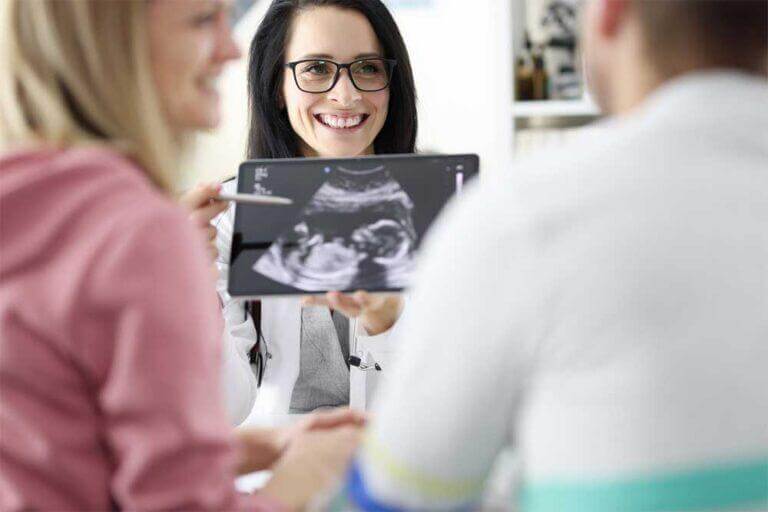
If natural conception does not occur despite regular, unprotected intercourse and healthy lifestyle changes, fertility treatment may improve your chances of becoming pregnant. The right treatment depends on the underlying cause of infertility, the severity of PCOS and low sperm count, the woman’s age, and how long you have been trying to conceive.
1. Ovulation Induction Medications
Medications such as letrozole or clomiphene citrate can stimulate ovulation in women with PCOS who do not ovulate regularly, increasing the chances of natural fertilization.
2. Intrauterine Insemination (IUI)
IUI involves placing specially prepared sperm directly into the uterus around the time of ovulation. This shortens the distance sperm must travel and may improve pregnancy rates in couples with mild male factor infertility.
Recommended: Best Foods to Increase Sperm Count and Motility
3. In Vitro Fertilization (IVF)
During IVF, eggs are collected from the ovaries and fertilized with sperm in a laboratory. The resulting embryo is then transferred into the uterus. IVF is often recommended when other fertility treatments have not been successful.
4. Intracytoplasmic Sperm Injection (ICSI)
ICSI is a specialized form of IVF in which a single healthy sperm is injected directly into an egg. It is commonly used when the male partner has a very low sperm count, poor sperm motility, or other significant sperm abnormalities.
5. Treating Underlying Medical Conditions
Managing conditions such as hormonal imbalances, varicocele, infections, insulin resistance, or thyroid disorders can improve fertility and increase the chances of conception, either naturally or with assisted reproductive techniques.
Conclusion
Conceiving naturally with PCOS and low sperm count can be more challenging, but it is certainly possible for many couples. The likelihood of pregnancy depends on factors such as the severity of PCOS, sperm quality, age, overall reproductive health, and healthy lifestyle habits. With proper management, some couples are able to achieve a successful pregnancy without fertility treatment.
If natural conception does not occur after trying for the recommended period, seeking medical advice is the next best step. A fertility specialist can identify the underlying causes and recommend the most appropriate treatment, from ovulation medications to assisted reproductive techniques. Early evaluation and timely intervention can improve the chances of building a healthy family.