

Semen analysis is a simple but essential fertility test that evaluates a man’s sperm health. It measures factors such as sperm count, motility, morphology, and semen volume to determine whether male fertility could be affecting a couple’s ability to conceive.
When a woman has polycystic ovary syndrome (PCOS), it is easy to assume that her condition is the only cause of infertility. However, infertility often involves both partners, and male factor infertility contributes to a significant percentage of cases.
Testing only the woman can lead to delays in diagnosis and treatment if an underlying sperm problem goes unnoticed. A semen analysis is a noninvasive, cost effective test that can quickly identify potential male fertility issues or rule them out, allowing couples to receive the most appropriate care.
In this article, we will explain whether a husband should get a semen analysis if his wife has PCOS, why the test is important, what it measures, and how the results can influence fertility treatment and improve the chances of a successful pregnancy.
What Is a Semen Analysis?
A semen analysis is a laboratory test used to evaluate a man’s fertility by examining the quality and quantity of his semen and sperm. It is often one of the first tests recommended when a couple is having difficulty conceiving because it provides valuable insights into male reproductive health.
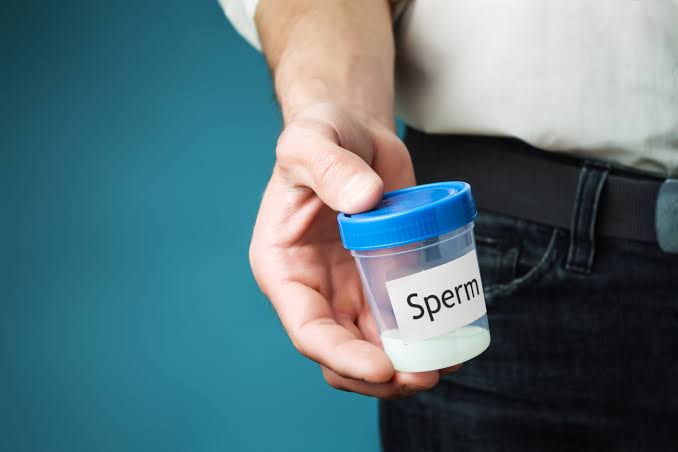
During the test, a semen sample is collected, usually through masturbation, and analyzed in a laboratory. The sample is examined for several important factors, including sperm count, sperm motility (movement), sperm morphology (shape), semen volume, pH, liquefaction time, and the presence of white blood cells or other abnormalities. These parameters help determine whether the sperm are capable of reaching and fertilizing an egg.
Recommended: How Many Sperm Are Needed for IUI When the Woman Has PCOS?
A normal semen analysis does not guarantee fertility, just as an abnormal result does not mean a man is infertile. Instead, the results help healthcare providers identify potential issues and decide whether further testing or treatment is needed. In some cases, the test may be repeated because sperm quality can vary over time due to factors such as illness, stress, medications, or lifestyle habits.
For couples in which the wife has PCOS, a semen analysis is an essential part of a comprehensive fertility evaluation. Since infertility can result from both female and male factors, assessing the husband’s sperm health ensures that no underlying male fertility issues are overlooked before beginning treatments such as ovulation induction, intrauterine insemination (IUI), or in vitro fertilization (IVF).
How PCOS Affects Fertility
Polycystic ovary syndrome (PCOS) is one of the leading causes of female infertility, affecting the way the ovaries function. The condition is characterized by hormonal imbalances that interfere with the normal development and release of eggs during the menstrual cycle. As a result, many women with PCOS experience irregular or absent ovulation, making it more difficult to conceive naturally.
One of the main fertility challenges associated with PCOS is anovulation, which means the ovaries do not release an egg regularly. Without ovulation, there is no egg available for fertilization, significantly reducing the chances of pregnancy. Women with PCOS may also have irregular menstrual cycles, making it harder to predict fertile windows and time intercourse effectively.
Recommended: Can We Conceive Naturally With PCOS and Low Sperm Count?
In addition to ovulation problems, many women with PCOS have insulin resistance and elevated androgen levels, both of which can further disrupt reproductive hormones. Excess body weight, which commonly accompanies PCOS, may also worsen hormonal imbalances and reduce fertility. However, not all women with PCOS are overweight, and even lean women with the condition can experience fertility challenges.
Although PCOS can make conception more difficult, it does not mean pregnancy is impossible. Many women with PCOS successfully conceive through lifestyle changes, medications that stimulate ovulation, or assisted reproductive techniques when needed. Because infertility can involve both partners, healthcare providers often recommend evaluating male fertility with a semen analysis alongside assessing the effects of PCOS.
Should a Husband Get a Semen Analysis If His Wife Has PCOS?

Yes, a husband should get a semen analysis if his wife has PCOS, particularly if the couple has been trying to conceive without success. While PCOS is a leading cause of female infertility, it does not exclude the possibility of male factor infertility. Fertility specialists generally recommend evaluating both partners at the same time to identify all potential causes of infertility.
Male factor infertility accounts for approximately 40 to 50 percent of infertility cases, either alone or alongside female conditions such as PCOS. A semen analysis is a simple, noninvasive test that evaluates sperm count, motility, morphology, and other important factors that affect a man’s fertility. Detecting any sperm abnormalities early can help avoid unnecessary delays in treatment.
Recommended: What Does Low Sperm Motility Actually Mean for Getting Pregnant?
Even if a woman has PCOS, treating her condition alone may not lead to pregnancy if her husband also has fertility issues. Performing a semen analysis provides a complete assessment of the couple’s reproductive health and helps healthcare providers choose the most effective treatment, whether that involves lifestyle changes, fertility medications, IUI, or IVF.
How Semen Analysis Results Influence Fertility Treatment
The findings of a semen analysis help fertility specialists determine the most suitable treatment plan for a couple. Depending on the results, different approaches may be recommended to improve the chances of conception.
1. Normal Semen Analysis Results
If the semen analysis is normal, it suggests that the husband’s sperm quality is unlikely to be the cause of infertility. In this case, the healthcare provider will primarily focus on managing the wife’s PCOS by restoring regular ovulation through lifestyle changes, ovulation-inducing medications, or other fertility treatments.
2. Low Sperm Count
A low sperm count means there are fewer sperm than normal in the semen, reducing the chances of one successfully fertilizing an egg. Treatment may include lifestyle modifications, medications, treatment of underlying medical conditions, or assisted reproductive techniques such as IUI or IVF, depending on the severity.
3. Poor Sperm Motility

When sperm have poor motility, they cannot swim effectively toward the egg for fertilization. Depending on the cause, doctors may recommend lifestyle changes, antioxidant supplements, treatment of infections, or fertility procedures such as IUI or IVF with intracytoplasmic sperm injection (ICSI).
Recommended: How to Reduce Microplastic Exposure for Better Sperm Motility
4. Abnormal Sperm Morphology
Abnormal sperm morphology means a high percentage of sperm have an irregular shape, which can make fertilization more difficult. Mild cases may still allow for natural conception, while more severe cases may require assisted reproductive treatments such as IVF or ICSI.
5. No Sperm in the Semen
If no sperm are found in the semen sample, additional tests are needed to determine whether the problem is caused by a blockage or reduced sperm production. Treatment may involve surgery to remove a blockage, sperm retrieval procedures, or the use of IVF with ICSI if sperm can be obtained.
6. Other Abnormal Findings
A semen analysis may also detect issues such as low semen volume, abnormal pH, high numbers of white blood cells, or poor semen liquefaction. These findings can indicate infections, inflammation, hormonal disorders, or problems with the reproductive tract that may require further investigation and treatment before fertility therapy begins.
By identifying these abnormalities early, semen analysis allows fertility specialists to create a personalized treatment plan for both partners instead of focusing only on PCOS. This comprehensive approach improves the likelihood of successful conception while avoiding unnecessary delays and ineffective treatments.
Conclusion
A semen analysis is an essential part of a complete fertility evaluation, even when a woman has PCOS. Although PCOS is a common cause of infertility, male factor infertility is equally important and can significantly affect a couple’s chances of conceiving. Evaluating both partners early helps identify all possible causes and prevents unnecessary delays in treatment.
By assessing sperm count, motility, morphology, and other semen parameters, healthcare providers can develop a personalized treatment plan that addresses the needs of both partners. Whether the results are normal or abnormal, a semen analysis provides valuable information that guides decisions about lifestyle changes, medications, IUI, IVF, or other fertility treatments.
Ultimately, fertility is a shared journey, not just a woman’s responsibility. If you and your partner have been trying to conceive and PCOS is part of the picture, discussing a semen analysis with your healthcare provider is a proactive step toward understanding your fertility and improving your chances of a healthy pregnancy.