
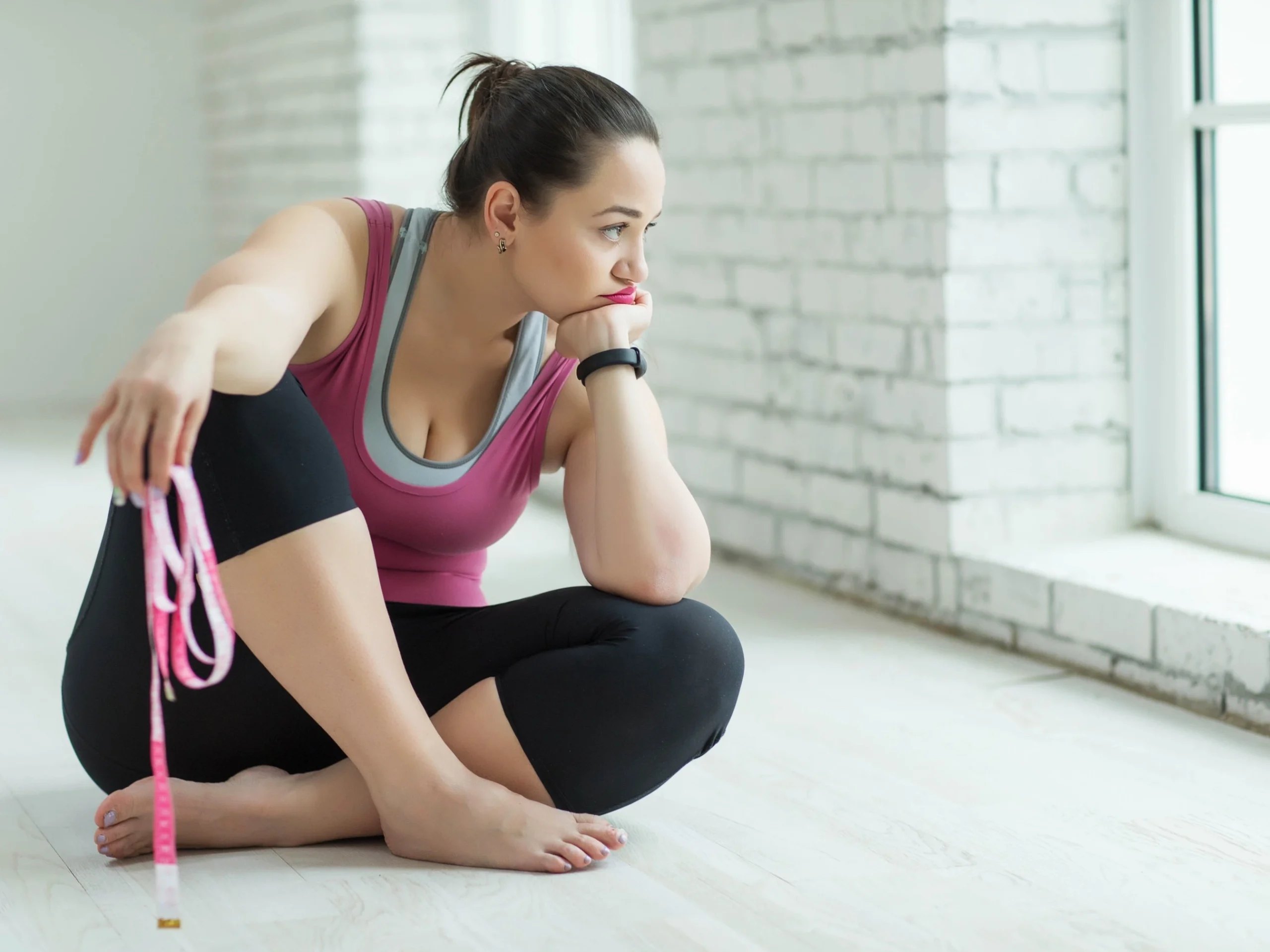
Postpartum weight loss is a journey that many new mothers embark on after giving birth. While it is natural to want to lose the extra weight gained during pregnancy, it is equally important to remember that your body needs time to heal and recover. Focusing on gradual and healthy weight loss can help you regain your strength while supporting your overall well-being.
The postpartum period comes with unique challenges, including hormonal changes, sleep deprivation, and the demands of caring for a newborn. These factors can make weight loss feel more difficult than expected. However, with a well-planned approach that combines proper nutrition, physical activity, and self-care, achieving your goals is entirely possible.
One of the biggest advantages of following a home weight loss plan is the flexibility it offers. You do not need an expensive gym membership or complicated fitness equipment to make progress. Simple home workouts, balanced meals, and healthy daily habits can contribute significantly to sustainable weight loss while fitting into your busy schedule as a new mom.
In this article, we will explore the best postpartum home weight loss plan, including safe weight loss strategies, nutritious food choices, effective home exercises, lifestyle tips, and common mistakes to avoid.
Understanding Postpartum Weight Loss
Postpartum weight loss refers to the process of losing the weight gained during pregnancy after giving birth. While some weight is naturally lost immediately after delivery due to the birth of the baby, placenta, and excess fluids, many women retain additional weight that takes time to shed. Every woman’s body responds differently after childbirth, so the rate of weight loss can vary significantly.
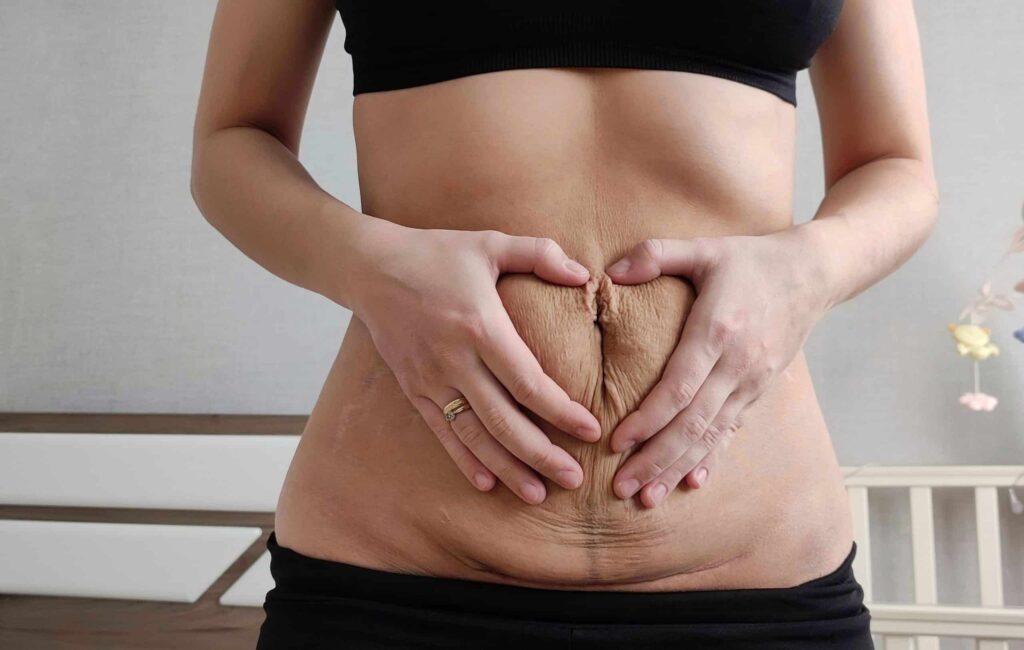
During the postpartum period, the body undergoes numerous physical and hormonal changes as it recovers from pregnancy and delivery. Hormonal fluctuations, sleep deprivation, stress, and the demands of caring for a newborn can all influence metabolism and make weight loss more challenging. This is why many mothers find that losing baby weight requires patience and a sustainable approach rather than quick fixes.
Recommended: What Are Practical Strategies for Incorporating Baby into Postpartum Fitness Routines?
It is also important to understand that postpartum weight loss is not just about appearance. Achieving a healthy weight after childbirth can improve energy levels, support overall health, reduce the risk of certain medical conditions, and help mothers feel more confident and comfortable in their bodies. However, weight loss should never come at the expense of proper recovery and nutrition.
The key to successful postpartum weight loss is focusing on gradual progress through healthy eating, regular physical activity, adequate hydration, and sufficient rest. By understanding how your body changes after childbirth and setting realistic expectations, you can create a plan that promotes both recovery and long-term health.
Best Postpartum Home Weight Loss Plan
The best postpartum home weight loss plan focuses on gradual, healthy weight loss while allowing your body enough time to recover from childbirth. Instead of chasing rapid results, prioritize sustainable habits that support both your physical and mental well-being. Here are the key components of an effective postpartum weight loss plan:
1. Eat a Balanced and Nutritious Diet
Focus on whole foods that nourish your body and keep you satisfied. Include lean proteins, fruits, vegetables, whole grains, and healthy fats in your daily meals. Avoid highly processed foods and sugary snacks that can contribute to unnecessary weight gain.
2. Stay Properly Hydrated
Drinking enough water can help boost metabolism, reduce unnecessary snacking, and support overall health. Hydration is especially important for breastfeeding mothers, as fluid needs are often higher during this period.
3. Start with Gentle Physical Activity
Begin with low-impact activities such as walking, stretching, or postpartum-friendly exercises. These activities can help improve circulation, increase energy levels, and gradually support weight loss without putting too much strain on your recovering body.
Recommended: How Do Pelvic Floor and Core-Focused Routines Benefit Postpartum Recovery?
4. Incorporate Strength Training
Once you have recovered and received medical clearance, add light strength-training exercises to your routine. Building muscle can help increase calorie burn and improve overall body composition.
5. Prioritize Quality Sleep
Although sleep can be challenging with a newborn, getting as much rest as possible is important for weight management. Poor sleep can increase cravings and make it harder to maintain healthy habits.
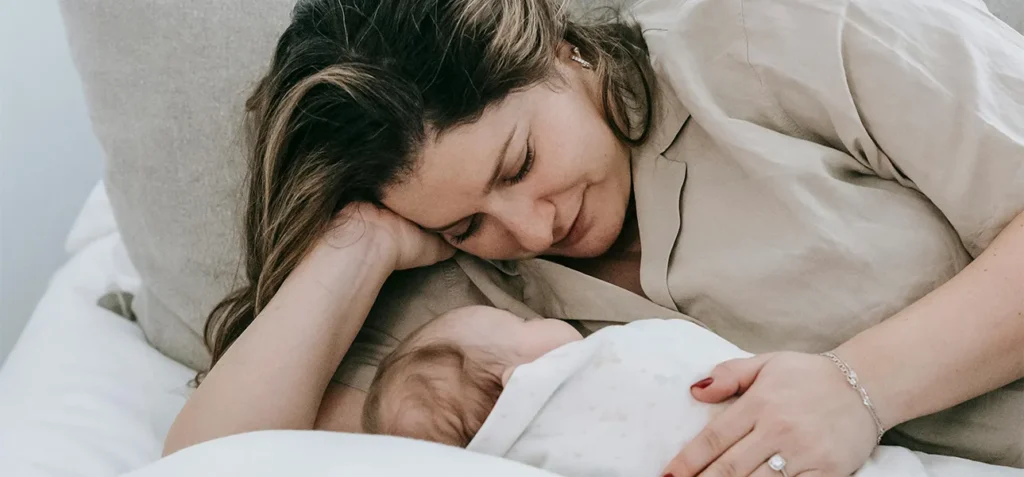
6. Manage Stress Effectively
Chronic stress can contribute to emotional eating and weight gain. Practice stress-relieving activities such as deep breathing, meditation, light stretching, or spending time doing activities you enjoy.
7. Avoid Crash Diets
Extreme diets may lead to nutrient deficiencies and can interfere with postpartum recovery. Focus on creating a moderate calorie deficit through healthy eating and regular activity rather than drastic restrictions.
8. Track Your Progress Realistically
Measure success through improved energy, healthier habits, and gradual weight loss rather than obsessing over the number on the scale. Small, consistent improvements often lead to lasting results.
9. Be Consistent and Patient
Postpartum weight loss takes time. Every woman’s body recovers differently, so avoid comparing your journey to others. Consistency with healthy habits will produce better long-term results than quick-fix solutions.
10. Focus on Overall Health
Remember that the ultimate goal is not just to lose weight but to become healthier, stronger, and more confident while caring for your baby. A healthy lifestyle will benefit both you and your family for years to come.
Recommended: Why Is My Pelvic Floor Still Weak 6 Months Postpartum?
Best Foods for Postpartum Weight Loss
Eating the right foods can help you lose weight after childbirth while giving your body the nutrients it needs to recover. Instead of following strict diets, focus on healthy, filling foods that provide energy and keep you satisfied throughout the day.
- Lean Protein: Lean protein helps you stay full for longer and supports muscle repair after childbirth. It also helps your body recover strength and maintain energy levels. Good options include chicken, fish, eggs, beans, and Greek yogurt.
- Fruits: Fruits provide natural vitamins, fiber, and energy without adding too many calories. They also help reduce sugar cravings in a healthier way. Examples include apples, bananas, oranges, and berries.
- Vegetables: Vegetables are important for digestion, energy, and overall health because they are rich in nutrients and low in calories. Eating vegetables like spinach, broccoli, and carrots can help you feel full while supporting weight loss.
- Whole Grains: Whole grains give you steady energy and help control hunger throughout the day. Foods like oatmeal, brown rice, whole wheat bread, and quinoa are good choices for postpartum meals.
- Healthy Fats: Healthy fats help balance hormones and keep you satisfied for longer periods. They also support overall body function and recovery. You can get them from avocados, nuts, seeds, and olive oil.
- Water: Water is essential for postpartum weight loss because it helps with digestion, reduces unnecessary snacking, and supports overall recovery. Staying well hydrated also keeps your energy levels stable throughout the day.
Easy Home Exercises for Postpartum Weight Loss
1. Walking
Walking is one of the safest and easiest exercises after childbirth. It helps improve circulation, boost energy, and gently burn calories without putting too much stress on your body. You can start with short walks around your home or neighborhood and gradually increase the time as you get stronger.
2. Pelvic Floor Exercises (Kegels)
Pelvic floor exercises help strengthen the muscles that support your bladder, uterus, and bowels. These exercises are very important after childbirth because they help with recovery and core stability. You can do them anywhere by gently tightening and releasing the pelvic muscles.
3. Gentle Stretching
Stretching helps reduce stiffness, improve flexibility, and relax your muscles. Simple full-body stretches in the morning or before bed can help you feel more active and less tense throughout the day.
Recommended: 7 Best Supplements for Postpartum Hair Loss
4. Postpartum Core Exercises
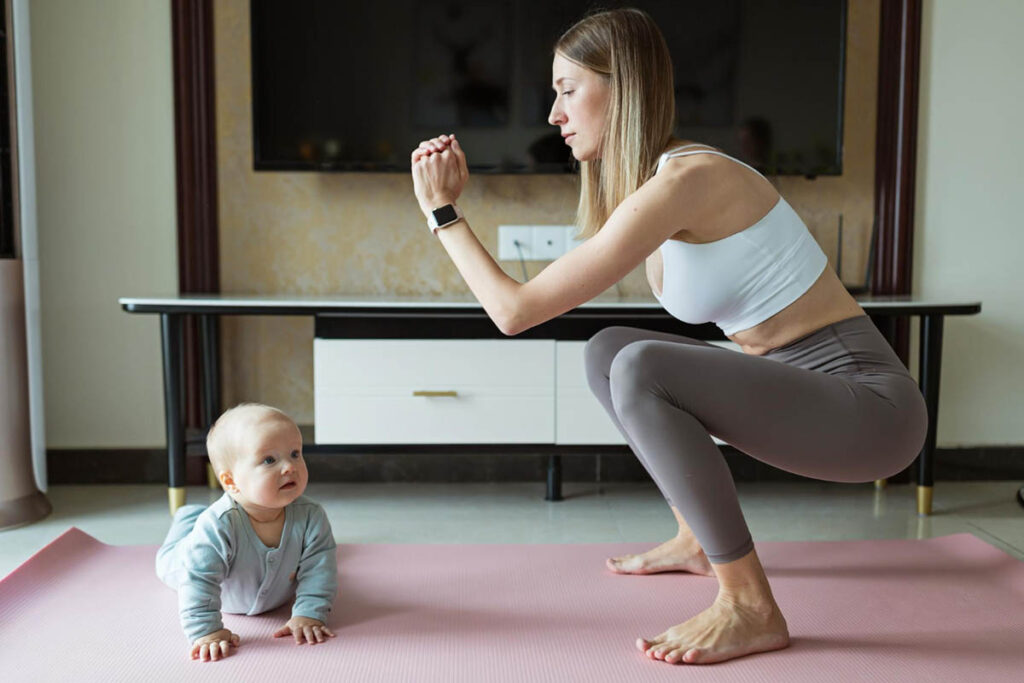
Core exercises like gentle abdominal tightening help rebuild strength in your stomach muscles after pregnancy. These should be done slowly and carefully to avoid strain, especially in the early postpartum period.
5. Light Bodyweight Workouts
Once your body has healed and you feel ready, you can start light exercises such as squats, wall push-ups, and modified lunges. These help tone your muscles and support gradual weight loss while still being safe for home workouts.
6. Dancing or Active Movement
Simple activities like dancing at home or moving around while caring for your baby can also help burn calories. The goal is to stay active in a way that feels enjoyable rather than stressful or forced.
Common Postpartum Weight Loss Mistakes
After childbirth, many mothers are eager to lose weight quickly, but rushing the process can lead to unhealthy habits and poor results. It is important to approach postpartum weight loss with patience and balance to support both recovery and long-term health.
Recommended: Best Pregnancy Support Belt
- One of the biggest mistakes is starting intense diets too early after childbirth, which can slow recovery and reduce energy levels.
- Another mistake is doing high-intensity workouts before the body is fully healed, which may lead to injury or discomfort.
- Many mothers also skip meals in an attempt to lose weight faster, but this often leads to low energy and unhealthy snacking later in the day.
- Relying on processed or “quick-fix” diet products instead of whole, nutritious foods can prevent real and lasting weight loss.
- Not drinking enough water is another common mistake, and it can slow down metabolism and increase fatigue.
- Some women compare their progress to others, which can cause frustration and unrealistic expectations.
- Lack of sleep and ignoring rest can also make it harder for the body to lose weight effectively.
- Finally, expecting fast results instead of focusing on gradual, steady progress often leads to disappointment and loss of motivation.
Conclusion
Postpartum weight loss is not a race but a gradual journey that requires patience, consistency, and self-care. Every mother’s body heals and responds differently after childbirth, so it is important to focus on what works best for your own recovery rather than comparing yourself to others.
By following a balanced approach that includes healthy eating, gentle exercise, proper hydration, adequate rest, and realistic expectations, you can lose weight safely while also supporting your overall well-being. Small daily habits may seem simple, but they create lasting results over time.
Most importantly, the goal is not just to lose weight but to feel strong, healthy, and confident as you care for your baby. With consistency and kindness to yourself, you can achieve sustainable postpartum weight loss while prioritizing both your health and happiness.