
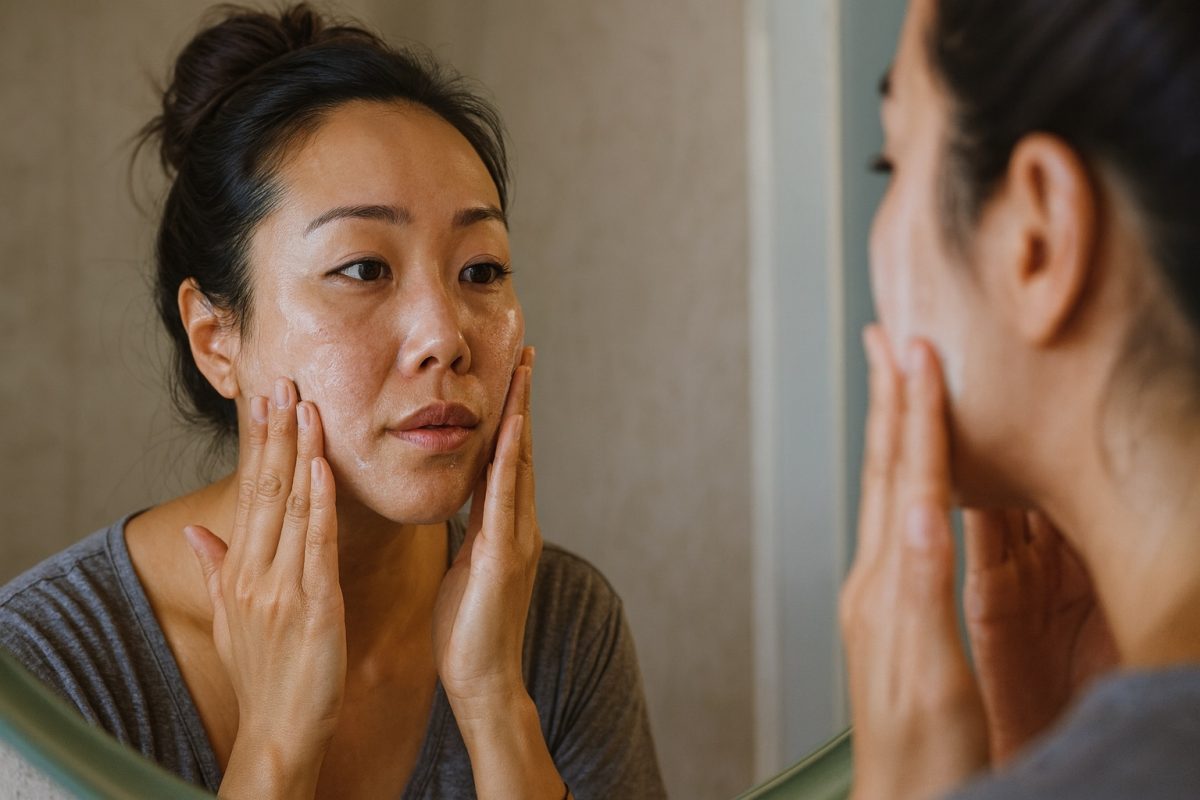
PCOS acne is a common skin condition that affects many women with polycystic ovary syndrome (PCOS). It often appears as deep, painful breakouts that persist despite using regular acne treatments. Because it is driven by hormonal imbalances, it can be more difficult to manage than ordinary acne.
At first glance, PCOS acne can look very similar to regular hormonal acne. Both types are influenced by changes in hormone levels and commonly appear around the jawline, chin, and lower face. This similarity makes it easy to mistake one for the other.
However, the underlying causes are different. Regular hormonal acne is usually linked to normal hormonal fluctuations during puberty, menstruation, pregnancy, or menopause. PCOS acne, on the other hand, is caused by excess androgen hormones associated with polycystic ovary syndrome and is often accompanied by other symptoms.
Recognising the difference is important because the right diagnosis can lead to more effective treatment. While topical skincare products may help with regular hormonal acne, PCOS acne often requires treatment that addresses the hormonal imbalance responsible for the breakouts.
In this article, we will explain how to tell PCOS acne from regular hormonal acne, compare their symptoms and causes, and outline the signs that suggest your acne may be related to PCOS rather than normal hormonal changes.
What Is PCOS Acne?
PCOS acne is a type of hormonal acne caused by polycystic ovary syndrome (PCOS), a common hormonal disorder that affects women of reproductive age. It develops when the body produces higher than normal levels of androgens, often called male hormones, which stimulate the sebaceous glands to produce excess oil. This excess oil, combined with dead skin cells and bacteria, clogs pores and triggers acne breakouts.
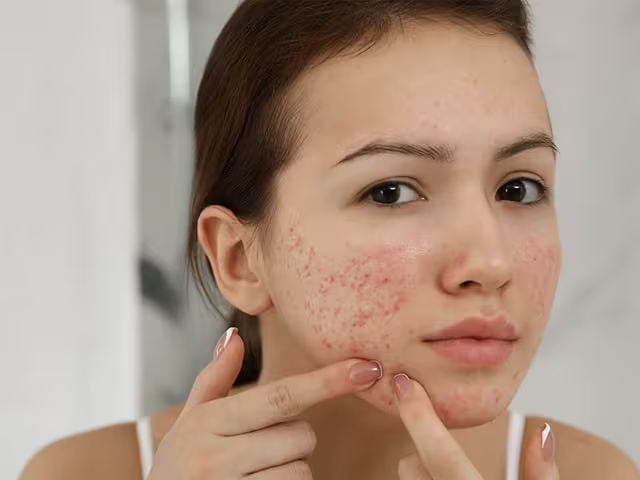
Unlike regular hormonal acne, PCOS acne is often persistent and may not improve with standard over the counter acne treatments. The breakouts are typically deeper, more inflamed, and more likely to form painful cysts or nodules that can leave scars if left untreated. Many women notice that the acne continues throughout the month instead of appearing only around their menstrual cycle.
Recommended: Why Does PCOS Acne Get Worse During Ovulation?
PCOS acne most commonly develops on the lower face, especially the chin, jawline, and neck. However, it can also affect the chest, shoulders, and upper back. The skin is often noticeably oily because elevated androgen levels increase sebum production, creating an environment where acne causing bacteria can thrive.
Acne caused by PCOS is usually accompanied by other symptoms of the condition. These may include irregular or missed periods, excessive facial or body hair, thinning hair on the scalp, weight gain or difficulty losing weight, fertility problems, and dark patches of skin, particularly around the neck or underarms. The presence of these symptoms can help distinguish PCOS acne from regular hormonal acne.
Treating PCOS acne requires addressing both the skin symptoms and the underlying hormonal imbalance. Depending on the severity of the condition, treatment may include lifestyle changes, prescription acne medications, hormonal therapies such as certain birth control pills or anti androgen medications, and treatment for insulin resistance when necessary. Managing the underlying PCOS often leads to significant improvement in acne over time.
What Is Hormonal Acne?
Hormonal acne is a type of acne that develops when fluctuations in hormone levels increase the production of sebum, the oily substance produced by the skin’s sebaceous glands. Excess sebum can combine with dead skin cells and bacteria to clog pores, leading to pimples, blackheads, whiteheads, and, in some cases, painful cysts.
Although hormonal acne is most common during puberty, it can affect people of all ages, especially adults. Women are more likely to experience hormonal acne because of the natural hormonal changes that occur during the menstrual cycle, pregnancy, menopause, and when starting or stopping certain forms of birth control.
Recommended: How to Manage Acne After Stopping Birth Control
This type of acne often appears on the lower face, particularly the chin, jawline, and cheeks, though it can also develop on the neck, chest, shoulders, and back. Breakouts may worsen at specific times, such as a few days before menstruation, when hormone levels naturally fluctuate.
Several hormones play a role in hormonal acne, particularly androgens such as testosterone. These hormones stimulate the sebaceous glands to produce more oil. When excess oil becomes trapped in the pores, it creates an environment where acne-causing bacteria can thrive, resulting in inflammation and breakouts.
Hormonal acne can range from mild to severe and may improve with topical skincare products, prescription medications, or hormonal treatments, depending on the underlying cause. While it is often linked to normal hormonal changes, persistent or severe acne may sometimes indicate an underlying condition, such as polycystic ovary syndrome (PCOS), which requires further medical evaluation.
How to Tell PCOS Acne from Regular Hormonal Acne
Although PCOS acne and regular hormonal acne can look alike, there are several important differences that can help you identify which type you may have. Here are the key signs to look for:
1. Location of the Breakouts
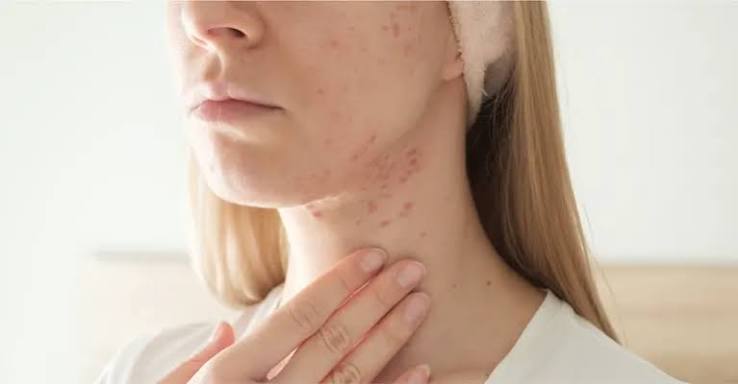
Both PCOS acne and regular hormonal acne commonly appear on the chin and jawline. However, PCOS acne is more likely to spread to the neck, chest, shoulders, and upper back. If your breakouts consistently affect several of these areas, especially the lower face and neck, PCOS may be a possible cause.
2. Severity of the Acne
PCOS acne is often more severe than regular hormonal acne. It typically consists of large, painful, deep cysts or nodules that can leave scars if left untreated. Regular hormonal acne is more likely to cause smaller pimples, whiteheads, and blackheads, although severe cases can also occur.
Recommended: Vitamin E for Hormonal Acne: Does It Work?
3. How Long the Acne Lasts
Regular hormonal acne usually flares up around certain times, such as before your period, and often improves once hormone levels stabilise. PCOS acne tends to be persistent, with breakouts occurring throughout the month rather than following a predictable cycle.
4. Response to Acne Treatments
Regular hormonal acne often improves with over-the-counter products containing ingredients like benzoyl peroxide, salicylic acid, or retinoids. PCOS acne may not respond well to these treatments alone because the underlying hormonal imbalance continues to trigger new breakouts. Many people with PCOS require hormone-based treatment alongside skincare.
5. Presence of Other PCOS Symptoms
One of the biggest clues is whether acne is accompanied by other symptoms of PCOS. These may include irregular or missed periods, excessive facial or body hair, thinning hair on the scalp, unexplained weight gain, difficulty losing weight, fertility problems, or dark patches of skin. Regular hormonal acne usually occurs without these additional symptoms.
6. Age When Acne Begins
Hormonal acne often starts during puberty and may continue into adulthood or appear during periods of hormonal change, such as pregnancy or menopause. PCOS acne frequently begins in the late teenage years or early adulthood and may continue for many years if the hormonal imbalance is not treated.
7. Oiliness of the Skin
People with PCOS often have very oily skin because elevated androgen levels stimulate the sebaceous glands to produce more oil. While regular hormonal acne can also cause oily skin, the oiliness associated with PCOS is often more noticeable and persistent.
8. Frequency of Flare-Ups
Regular hormonal acne tends to flare at predictable times, particularly during the week before menstruation. PCOS acne is less predictable and may remain active continuously, with new breakouts appearing even when you are not close to your period.
9. Underlying Cause
The main difference lies in the cause. Regular hormonal acne results from normal hormonal fluctuations that occur throughout different stages of life. PCOS acne is caused by elevated androgen levels associated with polycystic ovary syndrome, a hormonal disorder that affects the ovaries and can impact overall health.
Recommended: 10 Best Vitamins For Hormonal Acne
10. Medical Diagnosis
Regular hormonal acne is usually diagnosed based on your skin and medical history. If a healthcare provider suspects PCOS, they may recommend blood tests to check hormone levels, a pelvic ultrasound, and an evaluation of your menstrual history and other symptoms before confirming the diagnosis.
While these differences can provide useful clues, it is important to remember that only a healthcare professional can determine whether your acne is caused by PCOS or another condition. If your acne is persistent, severe, or accompanied by symptoms such as irregular periods or excessive hair growth, seeking medical advice can help you receive the right diagnosis and treatment.
Symptoms That Suggest Your Acne May Be Caused by PCOS
Acne alone does not necessarily mean you have polycystic ovary syndrome (PCOS). However, when persistent acne occurs alongside other signs of hormonal imbalance, it may indicate that PCOS is the underlying cause. If you experience several of the following symptoms in addition to acne, it is worth speaking with a healthcare provider for further evaluation.
- Irregular or missed periods: Your menstrual cycle may be unpredictable, with periods that are infrequent, unusually long, or absent altogether.
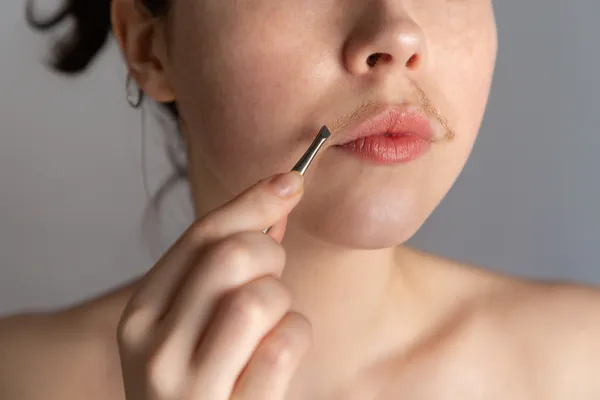
- Excess facial or body hair (hirsutism): You may notice increased hair growth on the face, chin, upper lip, chest, abdomen, or back due to elevated androgen levels.
- Thinning hair or hair loss: Hair on the scalp may become thinner, particularly around the crown or the front of the head, resulting in a pattern similar to male pattern baldness.
- Persistent, deep acne: Your acne may consist of painful cysts or nodules that continue throughout the month instead of only flaring before your period.
- Very oily skin: Your skin may produce excessive amounts of oil, making it appear shiny and increasing the likelihood of clogged pores and frequent breakouts.
- Weight gain or difficulty losing weight: You may gain weight easily or struggle to lose weight, especially around the abdomen, even with regular exercise and a balanced diet.
- Dark patches of skin: You may develop dark, velvety patches of skin around the neck, underarms, groin, or other body folds, a condition known as acanthosis nigricans.
- Difficulty getting pregnant: You may experience fertility problems because irregular ovulation or a lack of ovulation is common in women with PCOS.
- Skin tags: Small, soft skin growths may appear, particularly around the neck, underarms, or groin, and are often associated with insulin resistance in PCOS.
- Mood changes: You may experience anxiety, depression, or mood swings, which are more common among women living with PCOS.
Recommended: Can You Have PCOS Without Cysts on Ultrasound?
If your acne is accompanied by several of these symptoms, it is important to seek medical advice. A healthcare provider can perform the necessary tests to determine whether PCOS is the cause and recommend appropriate treatment for both your acne and the underlying hormonal condition.
Can You Have Hormonal Acne Without PCOS?
Yes, you can have hormonal acne without having polycystic ovary syndrome (PCOS). Hormonal acne can occur due to normal changes in hormone levels that happen during puberty, menstruation, pregnancy, menopause, or periods of stress. These hormonal fluctuations can increase oil production in the skin, leading to clogged pores and breakouts.
Unlike PCOS acne, hormonal acne does not usually occur with other signs of hormonal imbalance. Many people with hormonal acne have regular menstrual cycles and do not experience symptoms such as excessive facial hair growth, hair thinning, or difficulty losing weight.
Having hormonal acne does not automatically mean you have PCOS. However, if your acne is severe, persistent, suddenly worsens, or appears alongside symptoms like irregular periods or increased body hair, it may be helpful to consult a healthcare provider for proper evaluation.
PCOS Acne Management Tips
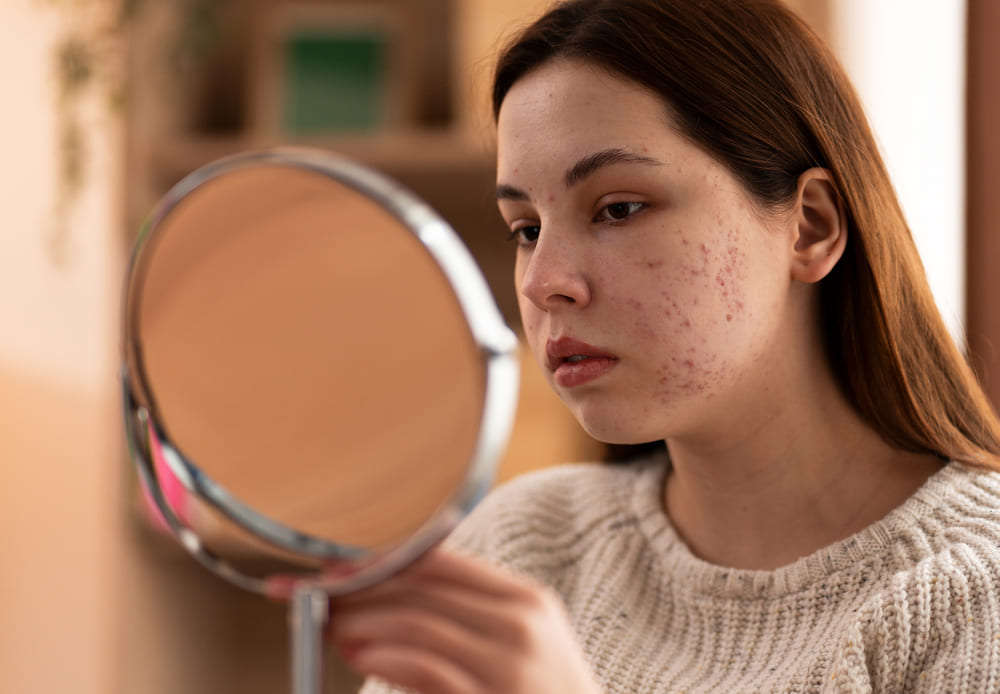
Managing PCOS acne requires addressing both the skin symptoms and the hormonal imbalance that contributes to breakouts. While skincare can help control acne, lifestyle changes and medical treatments may also be needed to achieve better results.
- Eat a balanced diet that supports hormone balance and reduces inflammation.
- Limit sugary foods that may worsen acne and insulin problems.
- Exercise regularly to improve hormone regulation.
- Maintain a healthy weight to help manage PCOS symptoms.
- Follow a simple skincare routine with gentle products.
- Use acne treatments like benzoyl peroxide and retinoids to reduce breakouts.
- Avoid touching pimples to prevent scars and irritation.
- Manage stress to reduce acne flare-ups.
- Get enough sleep to support hormone balance and healthy skin.
- Track your symptoms and menstrual patterns.
- Seek medical advice if acne is severe or persistent.
- Stay consistent with treatment for better results.
Conclusion
PCOS acne and regular hormonal acne may appear similar, but understanding their differences can help you identify the possible cause of your breakouts. While regular hormonal acne is often linked to normal hormone fluctuations, PCOS acne is associated with hormonal imbalances caused by polycystic ovary syndrome.
Recognising signs such as persistent acne, irregular periods, excess hair growth, and other PCOS symptoms can help you know when to seek medical advice. Early diagnosis and proper management can improve both skin health and overall well-being.
With the right combination of skincare, healthy lifestyle habits, and medical treatment when needed, PCOS acne can be effectively managed. Consistency and addressing the underlying hormonal imbalance are key to achieving clearer skin and better health.