
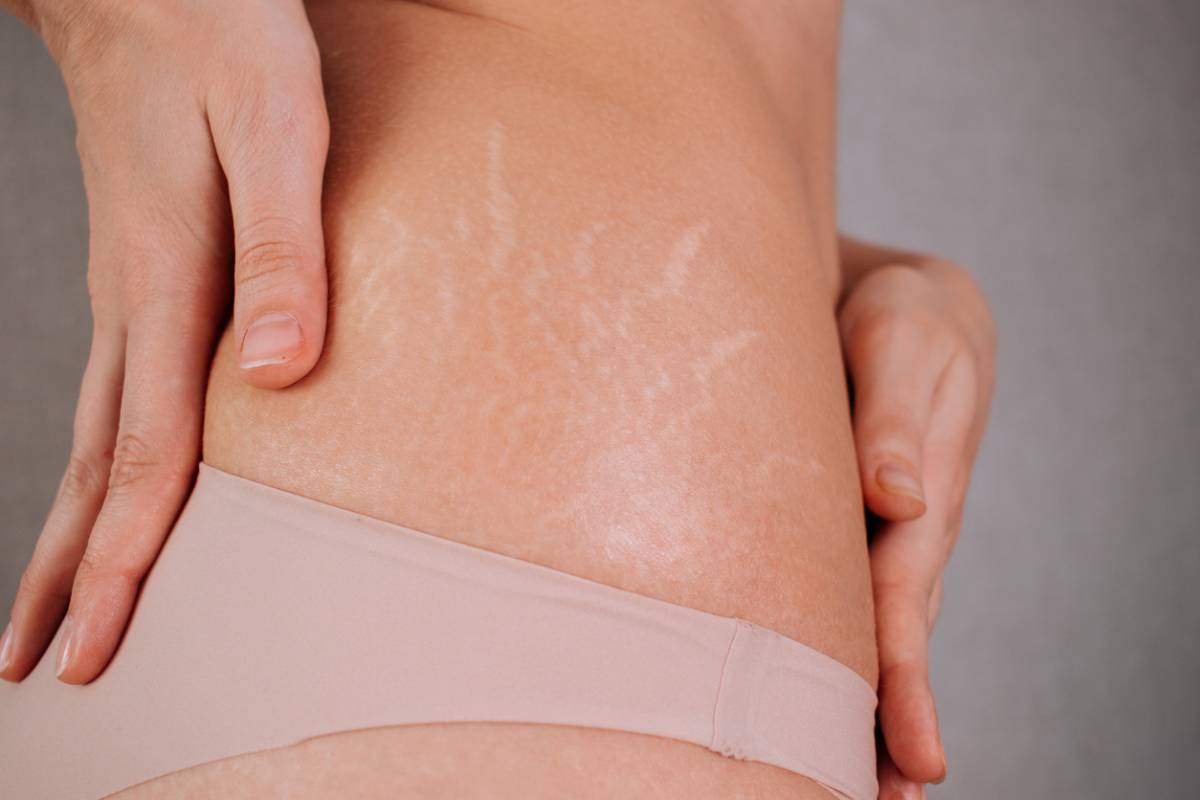
Stretch marks can appear on the skin even when there has been no significant weight gain. Many people are surprised to notice these lines on their thighs, hips, abdomen, breasts, arms, or other parts of the body and immediately assume that weight changes must be responsible. However, stretch marks can develop for several other reasons, including rapid growth, hormonal changes, pregnancy, genetics, muscle development, certain medications, and some medical conditions.
Understanding why stretch marks appear can help you avoid unnecessary worry and identify situations where professional medical advice may be helpful.
In this article, we will explore the different reasons stretch marks can appear without weight gain, the common areas they affect, whether they can be prevented or treated, and when you should consider speaking with a healthcare professional.
What Are Stretch Marks?
Stretch marks are visible lines or streaks that develop on the skin when the skin stretches or changes rapidly. They occur when the deeper layers of the skin are affected by changes in collagen and elastin, which help the skin maintain its strength and flexibility.
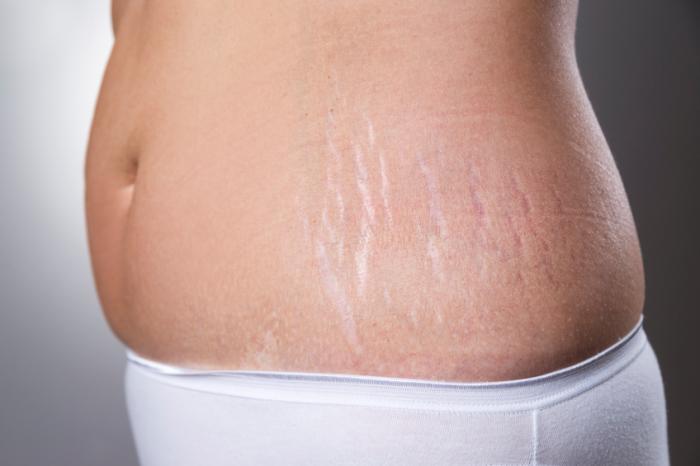
They can initially appear as red, pink, purple, reddish-brown, or dark lines, depending on your skin tone. Over time, they often become lighter and may appear white or silvery.
Recommended: Why Are My Stretch Marks Purple?
Stretch marks can develop on many parts of the body, including the abdomen, thighs, hips, buttocks, breasts, upper arms, shoulders, and lower back. Although they are commonly associated with pregnancy or weight gain, they can also occur in people who have not experienced significant changes in body weight.
Stretch marks are generally harmless and do not pose a health risk. However, their sudden or unusual appearance may sometimes be associated with hormonal changes, certain medications, or underlying medical conditions, which may require medical evaluation.
Why Can Stretch Marks Appear Without Weight Gain?
Stretch marks can appear without weight gain because changes in the skin are not determined by body weight alone. The skin can stretch, thin, or lose some of its normal elasticity due to several factors, even when your weight remains stable.
1. Rapid Growth During Puberty
During puberty, the body can grow and change quickly. Height may increase rapidly, while the hips, thighs, breasts, shoulders, and other areas may develop and change shape. These rapid physical changes can stretch the skin faster than its supporting structures can adapt, leading to stretch marks.
This is why teenagers and young adults may develop stretch marks even when they have not gained significant weight.
2. Hormonal Changes
Hormones can influence the structure and elasticity of the skin. Changes in hormone levels during puberty, pregnancy, or other stages of life may make the skin more vulnerable to developing stretch marks.
Cortisol, a hormone produced by the adrenal glands, can also affect collagen production and skin elasticity when present at unusually high levels.
3. Pregnancy
Pregnancy is another common reason stretch marks can develop without weight gain being the main factor. As the abdomen and breasts expand, the skin stretches to accommodate the growing baby and changes in the body.
Pregnancy hormones may also influence the skin’s connective tissues, making stretch marks more likely to develop.
Recommended: Itchy Belly During Pregnancy: Stretch Marks or PUPPP?
4. Genetics
Your genes can play an important role in determining whether you are prone to stretch marks. If close family members developed stretch marks easily, you may also have a greater tendency to develop them.
This means that two people with similar body weights and lifestyles may have very different experiences with stretch marks.
5. Muscle Growth and Physical Training
Stretch marks can sometimes develop during periods of rapid muscle growth. People who engage in bodybuilding or intensive strength training may notice them around the shoulders, upper arms, chest, thighs, or other areas where muscle size increases quickly.
In this case, the change in body composition rather than an increase in body fat may contribute to the stretching of the skin.
6. Certain Medications
Long-term use of corticosteroid medications, particularly when used inappropriately or in high amounts, can make the skin thinner and more susceptible to stretch marks.
If you notice new or unusual stretch marks while taking medication, speak with your healthcare professional rather than stopping the medication on your own.
7. Certain Medical Conditions
In some cases, numerous or unusually prominent stretch marks can be associated with hormonal or other medical conditions. For example, conditions that cause persistently high cortisol levels can affect collagen and the skin’s connective tissue.
If stretch marks appear suddenly and extensively without an obvious explanation, particularly when accompanied by other unusual symptoms, it is advisable to consult a healthcare professional.
Can Dry Skin Cause Stretch Marks?
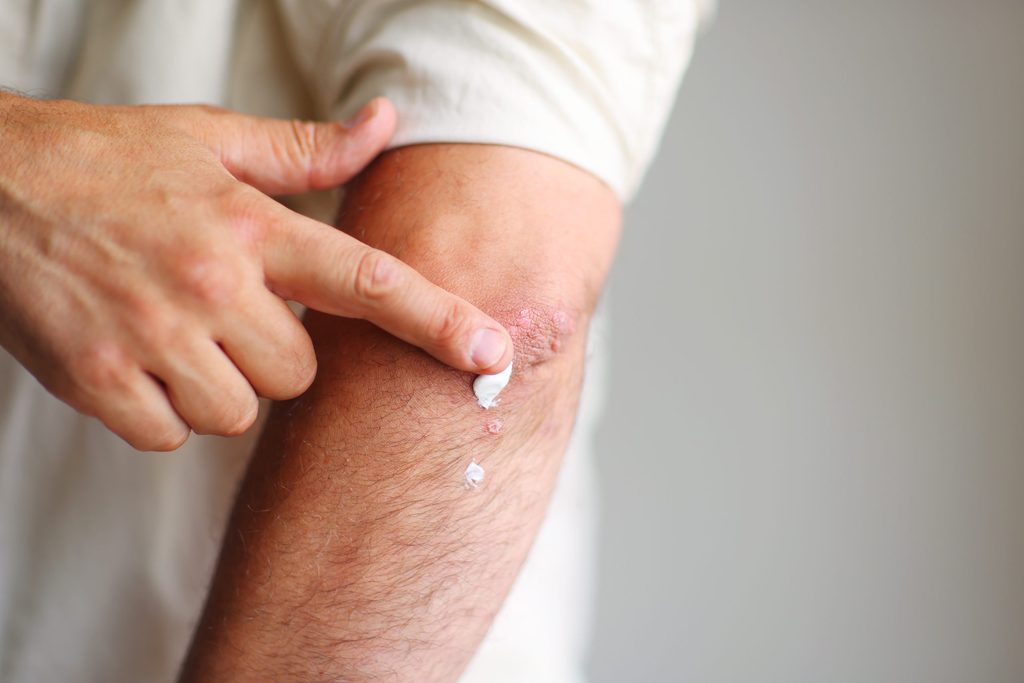
Dry skin does not directly cause stretch marks, but it can affect the overall health and appearance of the skin. Stretch marks develop mainly when the deeper layers of the skin are stretched or affected by rapid changes in growth, hormones, pregnancy, muscle development, or body shape.
Recommended: Why Are My Stretch Marks Red?
When the skin is dry, it may feel tight, rough, itchy, or irritated. This can make existing stretch marks more noticeable, particularly when the skin becomes flaky or loses some of its smooth appearance. However, simply having dry skin does not mean you will develop stretch marks.
Keeping the skin moisturised can help maintain its softness and support the skin barrier. Products containing ingredients such as hyaluronic acid, glycerin, or ceramides can help with hydration. However, moisturising cannot guarantee that stretch marks will be prevented, especially when genetic, hormonal, or rapid physical changes are involved.
If you develop stretch marks suddenly or notice many new marks without an obvious reason, consider speaking with a healthcare professional to determine whether an underlying factor may be contributing.
Where Can Stretch Marks Appear Without Weight Gain?
Stretch marks can develop on different parts of the body even when your weight has remained stable. This is because factors such as growth, hormonal changes, pregnancy, genetics, and muscle development can affect how the skin stretches and responds.
Common areas where stretch marks may appear include:
- Thighs: Stretch marks are common on the inner and outer thighs, particularly during puberty or periods of physical development.
- Hips and buttocks: Changes in body shape and growth can stretch the skin around the hips and buttocks.
- Abdomen: Stretch marks may appear due to pregnancy, rapid growth, hormonal changes, or changes in the size of the abdomen.
- Breasts: Breast development during puberty, pregnancy, or other hormonal changes can cause the skin to stretch.
- Upper arms and shoulders: Rapid muscle growth or physical development can contribute to stretch marks in these areas.
- Lower back: Growth during adolescence can sometimes cause horizontal stretch marks across the lower back.
- Calves and knees: Stretch marks may occur around the legs during periods of rapid growth.
Recommended: Heartburn Worse at Night During Pregnancy
Can Existing Stretch Marks Be Treated?
Stretch marks often become less noticeable naturally over time, but they usually do not disappear completely. Treatment options depend on the age, colour, location, and severity of the marks.
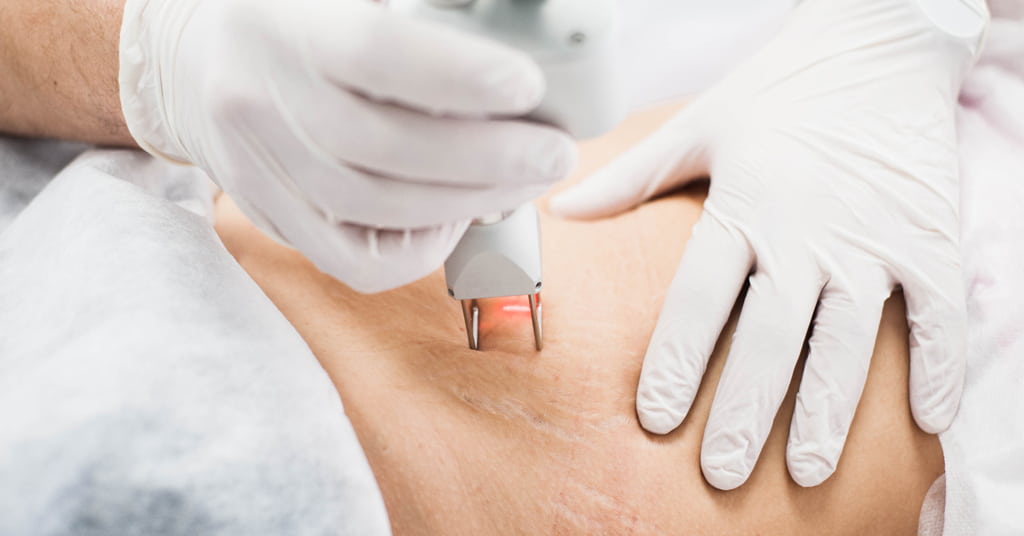
A dermatologist may recommend treatments such as topical retinoids, laser therapy, microneedling, or other dermatological procedures. Results vary, and some treatments may not be suitable for everyone. For example, topical retinoids should generally be avoided during pregnancy.
It is also important to be cautious about products that promise to completely remove stretch marks. Many creams and oils can moisturise the skin, but there is limited evidence that they can completely prevent or erase established stretch marks.
Can Stretch Marks Be Prevented or Treated?
Stretch marks cannot always be completely prevented because genetics, hormones, pregnancy, growth, and other factors can influence whether they develop. However, taking good care of your skin and maintaining healthy habits may help support overall skin health.
- Maintain a healthy, balanced diet: Eating foods that provide adequate protein, vitamins, minerals, and healthy fats supports normal skin health.
- Stay hydrated: Drinking enough water helps maintain normal skin function and hydration.
- Moisturise regularly: Keeping the skin moisturised can reduce dryness and improve skin comfort, although moisturisers cannot guarantee prevention of stretch marks.
- Avoid rapid changes in body size when possible: Gradual changes may give the skin more time to adapt.
- Protect your skin: Avoid excessive use of products or medications that can thin the skin unless they have been recommended by a healthcare professional.
Recommended: Period-Like Cramps at 4 Weeks Pregnant
When Should You See a Doctor?
Stretch marks are usually harmless and do not require medical treatment. However, you should consider seeing a doctor or dermatologist if you suddenly develop many stretch marks without an obvious reason, especially if you have not experienced pregnancy, rapid growth, or significant changes in body size.
It is also important to seek medical advice if the stretch marks are unusually wide, large, or dark, or if they appear alongside other unexplained symptoms such as easy bruising, unusual weakness, or changes in body shape. Certain medications, particularly long-term corticosteroid use, can also contribute to stretch marks.
Most stretch marks are a normal skin change and gradually become less noticeable with time. If you are concerned about their appearance or believe they may be linked to an underlying health issue, a healthcare professional can help determine the possible cause and recommend appropriate treatment.
Conclusion
Stretch marks can appear even when you have not gained weight. They may result from rapid growth, hormonal changes, pregnancy, genetics, muscle development, certain medications, or other changes that affect the skin. This means that having stretch marks does not necessarily indicate weight gain or an unhealthy body.
Although stretch marks are generally harmless, taking care of your skin through good nutrition, adequate hydration, and regular moisturising can support healthy skin. Existing stretch marks may also fade naturally over time, while certain treatments can make them less noticeable.
Ultimately, stretch marks are a common and normal part of many people’s lives. If they appear suddenly, become extensive, or occur alongside other unusual symptoms, seeking advice from a healthcare professional can help identify the possible cause and provide appropriate guidance.