
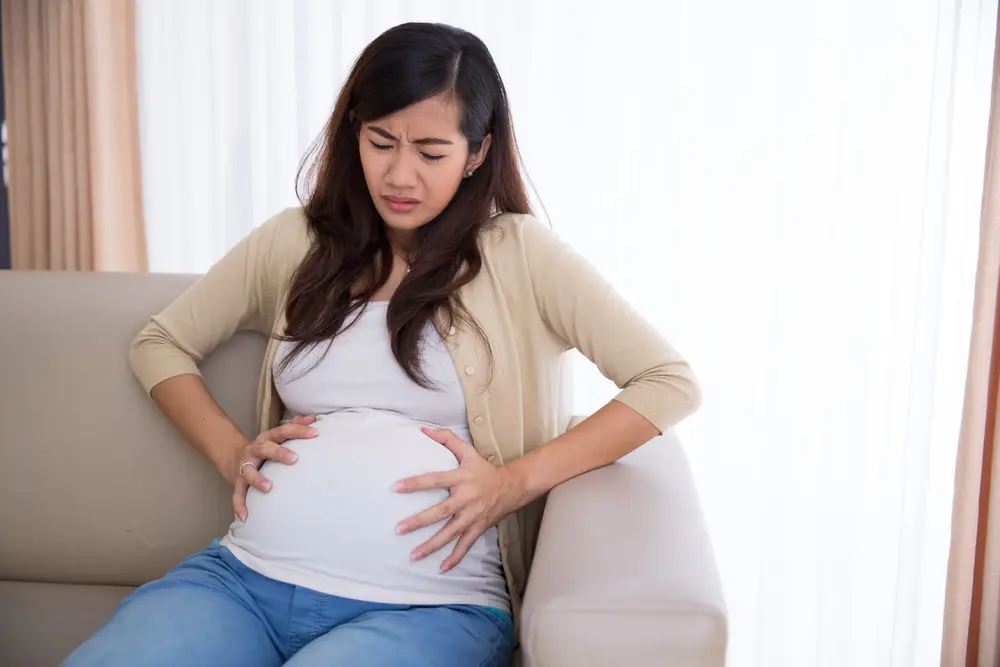
Cramps at 4 weeks pregnant can feel a lot like the cramps you usually experience before or during your period. Mild cramping is common in early pregnancy and may happen as your body begins adjusting to hormonal and uterine changes.
However, cramping can have different causes, and some symptoms may require medical attention. Severe or worsening pain, heavy bleeding, or pain that is mainly felt on one side should not be ignored.
In this article, we will explore the common causes of period-like cramps at 4 weeks pregnant, how to tell normal early pregnancy cramping from concerning symptoms, and when to seek medical care.
Is Cramping Normal at 4 Weeks Pregnant?
Mild cramping at 4 weeks pregnant can be normal, especially when it feels similar to the cramps you experience before your period. At this stage, pregnancy is still very early, and your body is beginning to adjust to hormonal changes. Some people may notice occasional mild cramps, pulling sensations, or pressure in the lower abdomen without any other concerning symptoms.
One possible reason for cramping is the changes taking place in the uterus as it begins preparing to support the pregnancy. Hormonal changes can also affect the muscles and tissues around the uterus. In addition, digestive changes such as gas, bloating, and constipation can cause abdominal discomfort that may feel similar to menstrual cramps.
Recommended: Difference Between Implantation Cramps and Period Cramps
Cramping does not necessarily mean that something is wrong with the pregnancy. Some people experience mild cramps in early pregnancy while others have little or no cramping at all. The intensity, duration, and other symptoms that occur alongside the cramps are more important than the presence of cramping alone.
However, severe, persistent, or worsening cramps should not be dismissed as a normal pregnancy symptom. Seek medical attention if cramping is accompanied by heavy vaginal bleeding, severe one-sided pain, dizziness, fainting, shoulder pain, fever, or significant weakness.
What Causes Period-Like Cramps in Early Pregnancy?
1. Uterine Changes
At 4 weeks pregnant, the uterus is beginning to prepare for the pregnancy. Hormonal changes and increased blood flow to the pelvic area can cause mild sensations of pulling, pressure, or cramping. These cramps may feel similar to the discomfort experienced before a period.
2. Implantation
Implantation occurs when the fertilized egg attaches to the lining of the uterus. This can sometimes cause mild cramping and light spotting. However, implantation usually happens about 6 to 12 days after ovulation, so by 4 weeks pregnant, it has generally already occurred. Not everyone experiences implantation cramps or spotting.
3. Hormonal Changes
Early pregnancy causes significant changes in hormones, particularly progesterone. These hormonal changes can affect the uterus and digestive system, sometimes producing sensations that feel like menstrual cramps.
4. Gas and Bloating
Pregnancy hormones can slow down digestion, making gas and bloating more common. Trapped gas can cause sharp, aching, or cramp-like pain in the abdomen, which may be mistaken for uterine cramps.
5. Constipation
Constipation can also occur in early pregnancy because hormonal changes can slow bowel movements. Pressure from stool in the intestines may cause lower abdominal discomfort or cramps that resemble period pain.
Recommended: Is Spotting a Sign of Early Pregnancy or Miscarriage?
6. Other Conditions
Not every cramp during early pregnancy is caused by pregnancy itself. Urinary tract infections, gastrointestinal problems, and other conditions can also cause abdominal pain. Severe, persistent, or one-sided pain, especially when accompanied by heavy bleeding, dizziness, fainting, or shoulder pain, requires prompt medical evaluation.
Period Cramps vs. Early Pregnancy Cramps
Period cramps and early pregnancy cramps can feel remarkably similar, which can make it difficult to tell them apart based on the sensation alone. Both may cause aching, pressure, or mild discomfort in the lower abdomen. However, there are some differences in their timing, associated symptoms, and how they progress.

1. Timing
Period cramps usually begin shortly before or around the start of your menstrual period and often improve as the period progresses. Early pregnancy cramps can occur around the time your period is expected or shortly afterward. Because the timing can overlap, cramps alone cannot reliably indicate whether you are pregnant.
2. How They Feel
Both types of cramps can feel like aching, pressure, tightness, or mild pulling in the lower abdomen. Period cramps may become stronger as menstrual bleeding begins, while early pregnancy cramps are often mild and may come and go.
Recommended: Ovulation Pain vs Period Cramps: How to Tell the Difference
3. Other Symptoms
Period cramps commonly occur alongside menstrual bleeding, backache, bloating, headaches, or mood changes. Early pregnancy may instead be accompanied by symptoms such as breast tenderness, fatigue, nausea, increased urination, or changes in vaginal discharge. However, not everyone experiences these symptoms.
Can You Have Cramps Without Bleeding at 4 Weeks Pregnant?
Yes, it is possible to have cramps without bleeding at 4 weeks pregnant. Mild, period-like cramping can occur as your body adjusts to the hormonal changes of early pregnancy. Changes in the uterus, increased blood flow, and digestive symptoms such as gas or constipation can all contribute to lower abdominal discomfort. Not everyone experiences bleeding during early pregnancy, and the absence of bleeding does not necessarily mean that something is wrong.
However, cramps that are severe, persistent, worsening, or mainly felt on one side should be evaluated by a healthcare professional. Seek prompt medical attention if the pain occurs with heavy bleeding, dizziness, fainting, shoulder pain, fever, or significant weakness, as these can be signs of a pregnancy complication.
How Long Do Early-Pregnancy Cramps Usually Last?
There is no fixed amount of time that early-pregnancy cramps should last. Mild cramping may come and go for a few minutes at a time or occur intermittently over several days. Some people notice occasional cramps around the time their period would normally be due, while others may experience mild abdominal discomfort at different points during early pregnancy.
The duration can depend on what is causing the discomfort. For example, cramps related to normal uterine changes may come and go, while gas, bloating, or constipation can cause discomfort that improves after passing gas or having a bowel movement. Implantation-related cramping, when it occurs, is generally brief and happens around the time implantation takes place.
Recommended: 8 Natural Remedies for Menstrual Cramps Relief
What matters most is the pattern and severity of the pain, rather than a specific number of days. Mild cramps that improve with rest or a change in position are generally less concerning than pain that becomes stronger or increasingly frequent. You should contact a healthcare professional if cramping is persistent, severe, or interfering with your normal activities.
What Can You Do for Mild Cramps at 4 Weeks Pregnant?
- Rest when needed: Take a break and avoid activities that make the cramping worse.
- Stay hydrated: Drink enough water throughout the day, as dehydration can sometimes contribute to muscle cramps and discomfort.
- Use gentle movement: Light walking or gentle stretching may help relieve mild discomfort.
- Try a comfortable position: Lying on your side or changing positions may reduce pressure and discomfort.
- Manage constipation and gas: Eat fiber-rich foods, drink plenty of fluids, and stay gently active to support digestion.
- Eat smaller meals: Smaller, regular meals may help reduce bloating and digestive discomfort.
- Use warmth carefully: A warm, not hot, compress may help ease mild abdominal discomfort. Avoid excessive heat or very hot baths.
- Check with a healthcare professional before taking medication: Do not take painkillers or other medicines during pregnancy without confirming that they are appropriate for you.
- Monitor your symptoms: Pay attention to whether the cramps improve, remain the same, or become more severe.
- Seek medical care for concerning symptoms: Severe or worsening pain, one-sided pain, heavy bleeding, dizziness, fainting, or shoulder pain requires prompt medical assessment.
Conclusion
Period-like cramps at 4 weeks pregnant can be a normal part of early pregnancy. Hormonal changes, uterine changes, and digestive symptoms such as gas or constipation may all cause mild cramping. Having cramps without bleeding does not necessarily mean that there is a problem, and cramps alone cannot confirm whether a pregnancy is progressing normally.
However, it is important to pay attention to the severity and pattern of the pain. Mild cramps that come and go are generally less concerning, while severe, persistent, worsening, or one-sided pain requires medical attention. Heavy bleeding, dizziness, fainting, or shoulder pain alongside cramping should be treated as warning signs that require prompt evaluation.