
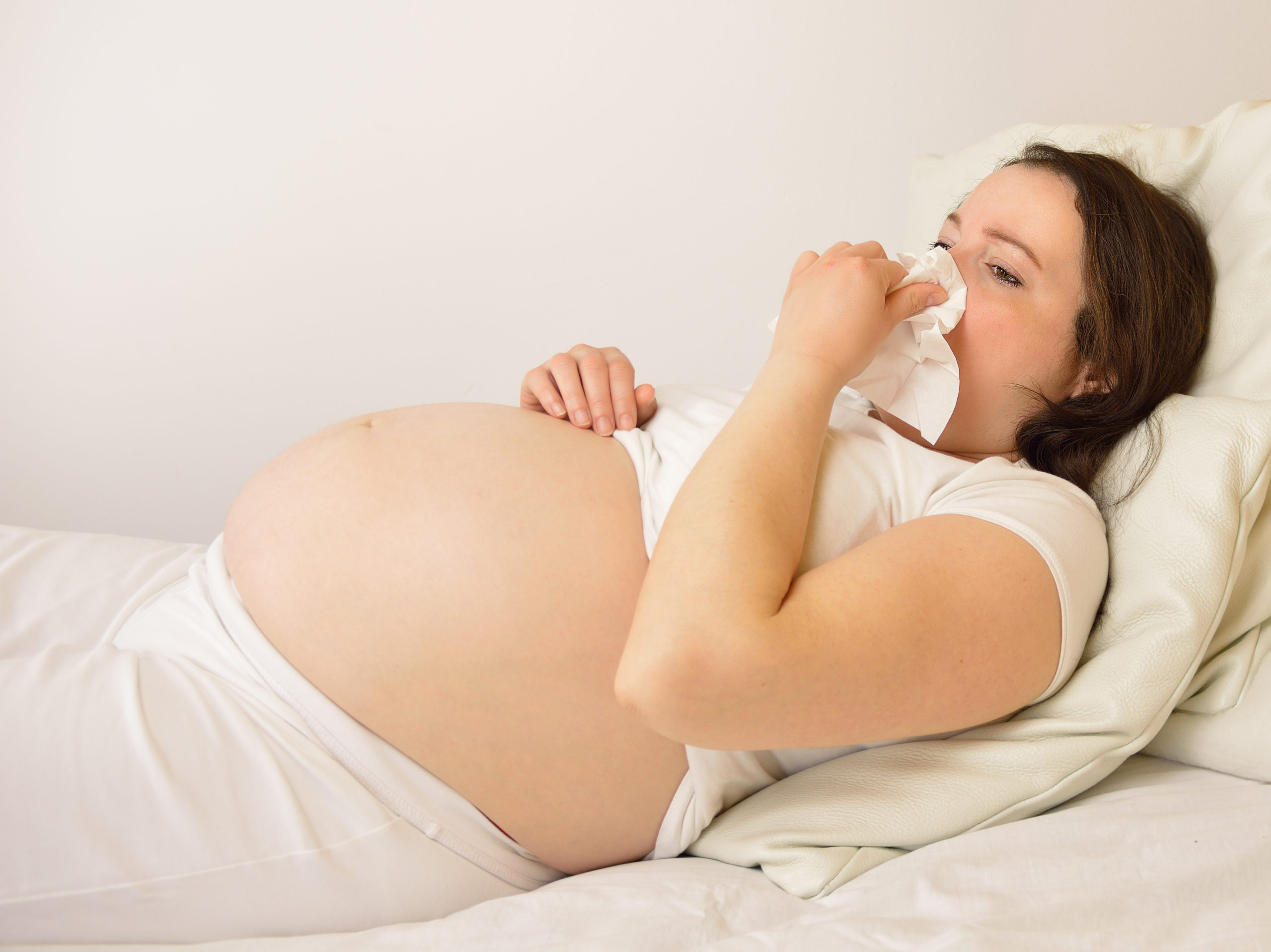
Sharp stomach pain when sneezing while pregnant can be surprising and uncomfortable. The sudden pain may feel sharp, stabbing, or like a pulling sensation in the abdomen, particularly as the uterus grows and the body changes throughout pregnancy.
In many cases, this discomfort is related to normal pregnancy changes, such as stretching of the round ligaments or sudden contraction of the abdominal muscles during a sneeze. However, not all abdominal pain should be ignored, especially when it is severe, persistent, or accompanied by other symptoms.
In this article, we will discuss the common causes of sharp stomach pain when sneezing during pregnancy, how to relieve the discomfort, and the warning signs that may require medical attention.
Why Does Sneezing Cause Sharp Stomach Pain During Pregnancy?
Sneezing causes a sudden and forceful contraction of the abdominal muscles. During pregnancy, the growing uterus stretches the tissues and ligaments supporting it, making the abdomen more sensitive to sudden movements. As a result, a sneeze can briefly increase pressure in the abdomen and trigger a sharp or pulling sensation.

One common cause is round ligament pain. The round ligaments help support the uterus and become stretched as pregnancy progresses. A sudden movement such as sneezing, coughing, laughing, or standing up quickly can pull on these ligaments and cause brief, sharp pain, often felt on one or both sides of the lower abdomen.
Recommended: Period-Like Cramps at 4 Weeks Pregnant
This type of pain is usually temporary and improves once the sneeze is over or when you change position. However, severe or persistent abdominal pain, especially when accompanied by vaginal bleeding, fever, fluid leakage, dizziness, or regular contractions, should be assessed by a healthcare professional.
What Causes Stomach Pain When Sneezing While Pregnant?
Stomach pain when sneezing during pregnancy can happen because a sneeze creates a sudden increase in pressure and causes the abdominal muscles to contract. As pregnancy progresses, the growing uterus and surrounding tissues can make these movements more noticeable. Common causes include:
1. Round Ligament Pain
The round ligaments support the uterus and stretch as the uterus grows during pregnancy. A sudden sneeze can cause these ligaments to tighten or pull, resulting in a sharp, stabbing, or pulling pain in the lower abdomen or groin. The pain usually lasts only a few seconds.
2. Abdominal Muscle Strain
Sneezing causes the abdominal muscles to contract suddenly. As the abdomen stretches during pregnancy, these muscles can become more sensitive or strained. This may cause temporary soreness or sharp pain when sneezing, coughing, or making sudden movements.
3. A Growing Uterus
As the uterus expands, it puts pressure on nearby muscles, ligaments, and organs. This can make the abdomen more sensitive to sudden increases in pressure from sneezing, coughing, or laughing. The discomfort may become more noticeable as pregnancy progresses.
Recommended: Difference Between Implantation Cramps and Period Cramps
4. Gas and Bloating
Pregnancy hormones can slow digestion, making gas and bloating more common. When you sneeze, the sudden abdominal pressure can move trapped gas and cause a brief sharp or cramping sensation.
5. Constipation
Constipation is common during pregnancy because hormonal changes can slow bowel movements. A full or strained bowel can make the abdomen more sensitive, so sneezing may temporarily worsen the discomfort.
6. Braxton Hicks Contractions
Later in pregnancy, Braxton Hicks contractions can cause the abdomen to tighten or feel uncomfortable. Although sneezing does not necessarily cause these contractions, the sudden abdominal movement may make existing tightening more noticeable.
7. Urinary Tract Problems
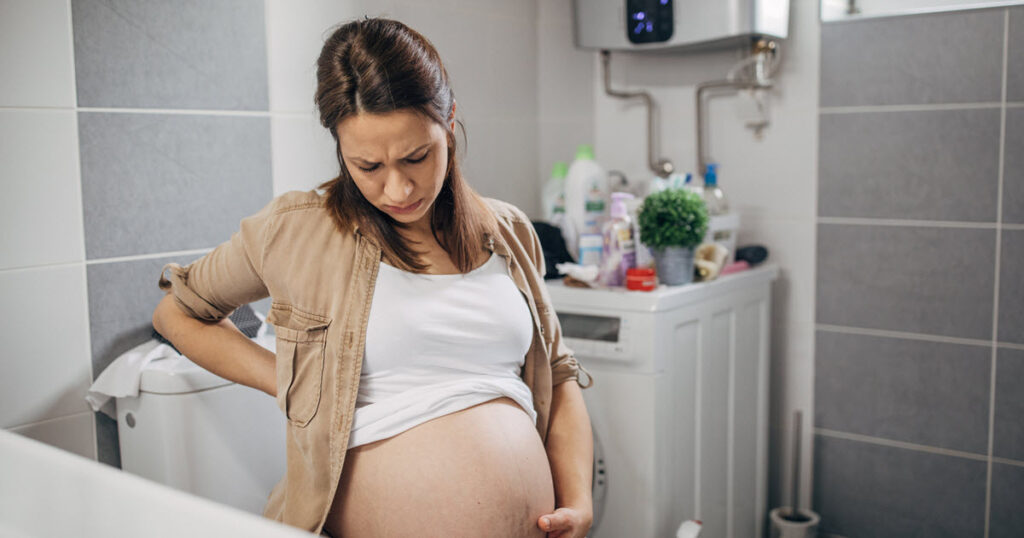
A urinary tract infection or other urinary problem can sometimes cause lower abdominal discomfort during pregnancy. If stomach pain occurs alongside burning when urinating, frequent urination, fever, or back pain, it is important to contact a healthcare professional.
8. Pregnancy Complications
Less commonly, abdominal pain can be associated with a pregnancy complication. Pain that is severe, persistent, worsening, or accompanied by vaginal bleeding, fluid leakage, fever, dizziness, regular contractions, or reduced fetal movement requires prompt medical assessment.
Recommended: 8 Natural Remedies for Menstrual Cramps Relief
How to Relieve Sharp Stomach Pain When Sneezing During Pregnancy
Sharp stomach pain triggered by sneezing is often brief and related to the stretching of ligaments or sudden contraction of the abdominal muscles. Simple measures may help reduce the discomfort and make sneezing less painful.
- Support Your Abdomen: Place your hands gently over your lower abdomen when you feel a sneeze coming. Supporting the belly can reduce the sudden pulling sensation on the muscles and ligaments.
- Change Positions Slowly: Sudden movements can make pregnancy-related abdominal pain worse. When getting out of bed, standing up, or turning around, move slowly and give your body time to adjust.
- Rest When Necessary: If the pain occurs frequently, take a break and rest in a comfortable position. Avoid activities that repeatedly trigger or worsen the discomfort.
- Try Gentle Stretching: Gentle pregnancy-safe stretches may help relieve tension around the abdomen, hips, and pelvis. Avoid any stretch that causes pain, and consider asking your healthcare provider which exercises are appropriate for you.
- Stay Hydrated: Drinking enough fluids can help prevent constipation and may reduce some causes of abdominal discomfort during pregnancy. It is generally recommended to drink water regularly throughout the day.
- Prevent Constipation and Excess Gas: Eating fiber-rich foods, drinking enough water, and staying physically active as recommended during pregnancy can help prevent constipation. Eating slowly and avoiding foods that consistently cause excessive gas may also reduce abdominal discomfort.
- Manage Sneezing Triggers: If allergies, dust, or other irritants are causing frequent sneezing, reducing exposure to the trigger may help. Before taking any allergy or cold medication during pregnancy, check with your healthcare provider or pharmacist to make sure it is appropriate.
Recommended: Ovulation Pain vs Period Cramps: How to Tell the Difference
Can Sneezing Harm the Baby?
Sneezing during pregnancy is generally harmless and does not usually hurt the baby. Although a sneeze can cause a sudden tightening of the abdominal muscles and a brief increase in pressure, the baby is protected inside the uterus by the amniotic fluid and surrounding tissues.
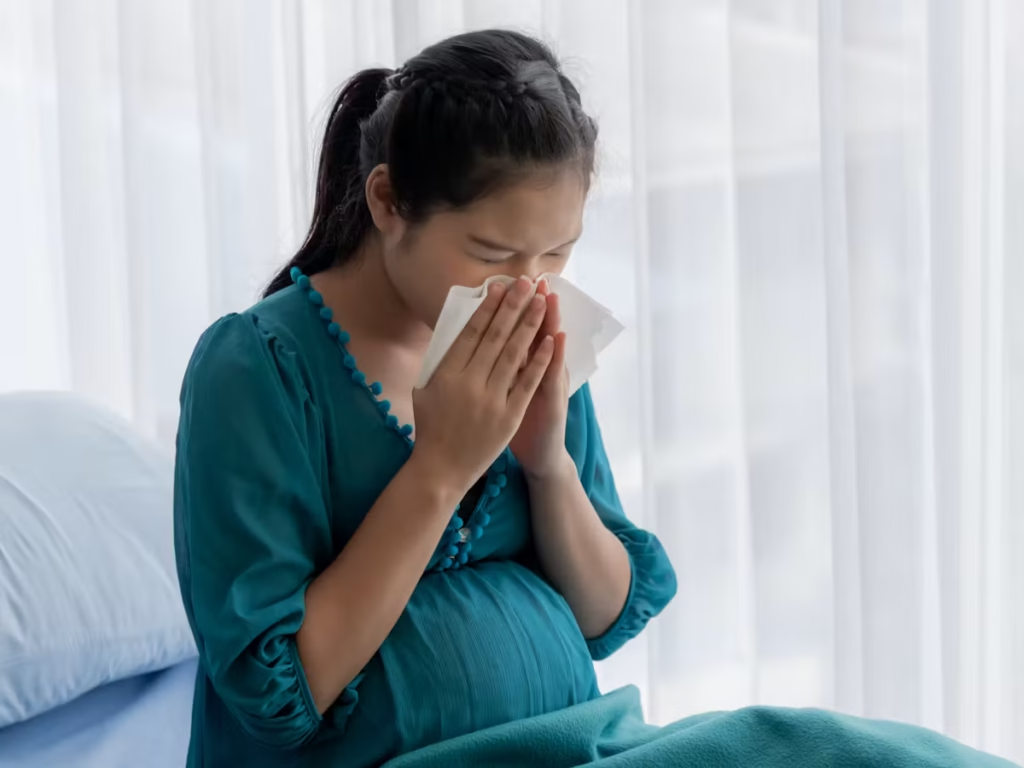
You may notice a sharp or pulling sensation in your abdomen when sneezing, especially as the uterus grows. This is often caused by the stretching of the round ligaments or abdominal muscles rather than anything happening to the baby. The discomfort should usually settle shortly after the sneeze.
However, severe or persistent abdominal pain should not automatically be attributed to sneezing. Seek medical attention if the pain is accompanied by vaginal bleeding, fluid leakage, fever, dizziness, regular contractions, or reduced fetal movement, particularly later in pregnancy.
Recommended: What Is a Chemical Pregnancy and Is It the Same as a Miscarriage?
Frequently Asked Questions
Why does my lower stomach hurt when I sneeze while pregnant?
Lower stomach pain when sneezing during pregnancy is often caused by the sudden contraction of the abdominal muscles or stretching of the round ligaments. This can produce a sharp, pulling, or stabbing sensation that usually lasts for a few seconds.
Is sharp pain when sneezing normal during pregnancy?
Occasional, brief pain when sneezing can be normal, particularly as pregnancy progresses. However, severe, persistent, or worsening pain should be evaluated by a healthcare professional.
Why does one side of my abdomen hurt when I sneeze while pregnant?
Pain on one side of the lower abdomen may be related to round ligament pain. The ligaments supporting the uterus stretch during pregnancy and can be pulled suddenly when you sneeze, cough, or change position.
Can sneezing cause a miscarriage?
Sneezing itself does not normally cause a miscarriage. The baby is protected inside the uterus, and the temporary pressure created by sneezing is generally not harmful to the pregnancy.
When should I worry about stomach pain when sneezing during pregnancy?
Seek medical attention if the pain is severe, persistent, or accompanied by vaginal bleeding, fluid leaking from the vagina, fever, dizziness, regular contractions, or reduced fetal movement.
How can I stop my stomach from hurting when I sneeze while pregnant?
You can try supporting your abdomen with your hands when sneezing, changing positions slowly, resting, and avoiding activities that worsen the pain. If the discomfort continues or becomes severe, speak with your healthcare provider.
Conclusion
Sharp stomach pain when sneezing while pregnant is often caused by normal changes in the body, particularly the stretching of the round ligaments and abdominal muscles as the uterus grows. The sudden pressure created by a sneeze can trigger brief discomfort that usually goes away within a few moments.
Supporting your abdomen when sneezing, moving slowly, staying hydrated, and getting enough rest may help reduce the discomfort. While occasional mild pain is generally not a cause for concern, severe, persistent, or worsening pain should not be ignored.
If stomach pain occurs with vaginal bleeding, fluid leakage, fever, dizziness, regular contractions, or reduced fetal movement, seek medical attention promptly. When in doubt, contacting your healthcare provider can help determine whether the pain is a normal pregnancy symptom or requires further evaluation.