
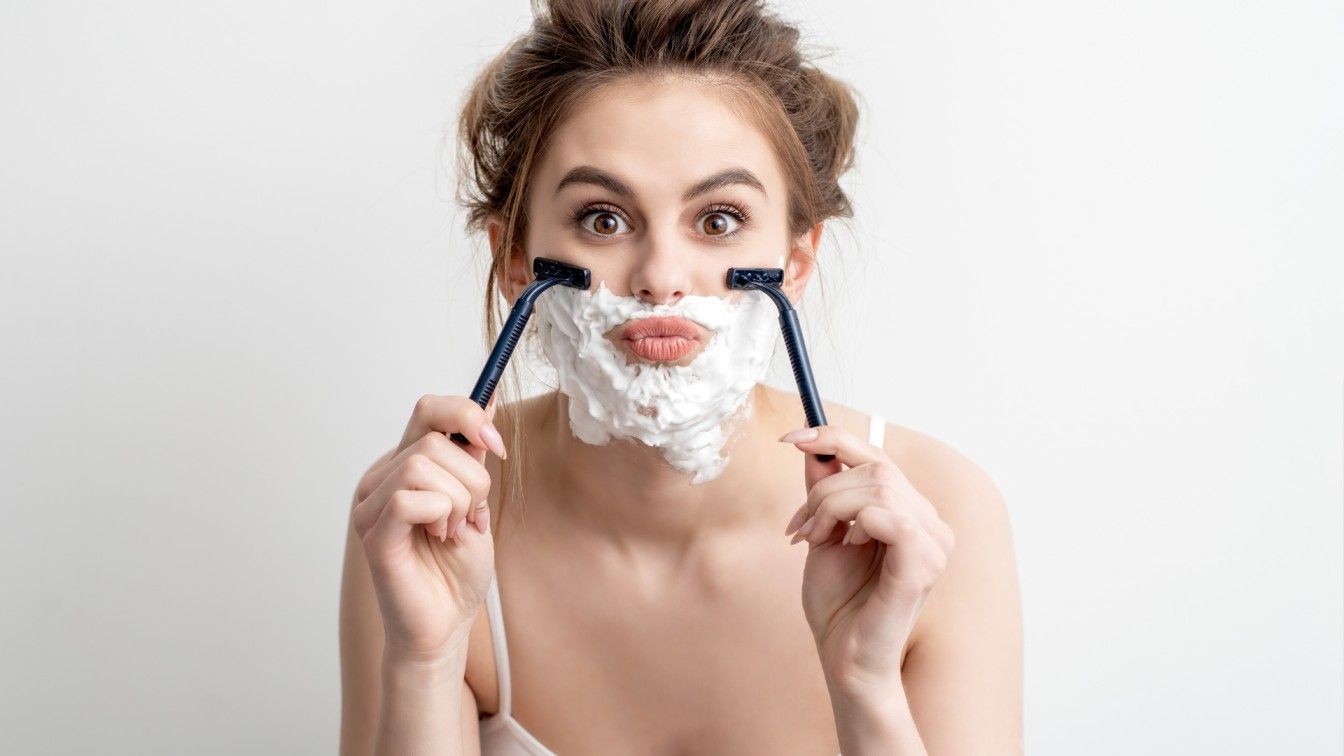
PCOS facial hair is a common symptom of polycystic ovary syndrome that affects many women. It occurs when the body produces higher than normal levels of androgens, causing coarse, dark hair to grow on areas such as the chin, upper lip, cheeks, and jawline. While shaving, waxing, and other hair removal methods can manage the appearance, they do not address the underlying hormonal imbalance.
Many women turn to supplements as a natural way to support hormone balance and reduce excess facial hair over time. Certain vitamins, minerals, and plant-based supplements may help improve insulin sensitivity, lower androgen levels, or promote overall hormonal health. Although supplements are not a quick fix, they can be a valuable part of a comprehensive PCOS management plan.
In this article, we will discuss the best PCOS supplements for facial hair, how they work, how long they may take to produce results, potential side effects, and common mistakes to avoid.
What Causes Facial Hair Growth in Women With PCOS?
Facial hair growth in women with PCOS is mainly the result of hormonal imbalances that affect the way hair follicles grow. Several factors contribute to this symptom, with some playing a bigger role than others.
1. Elevated Androgen Levels
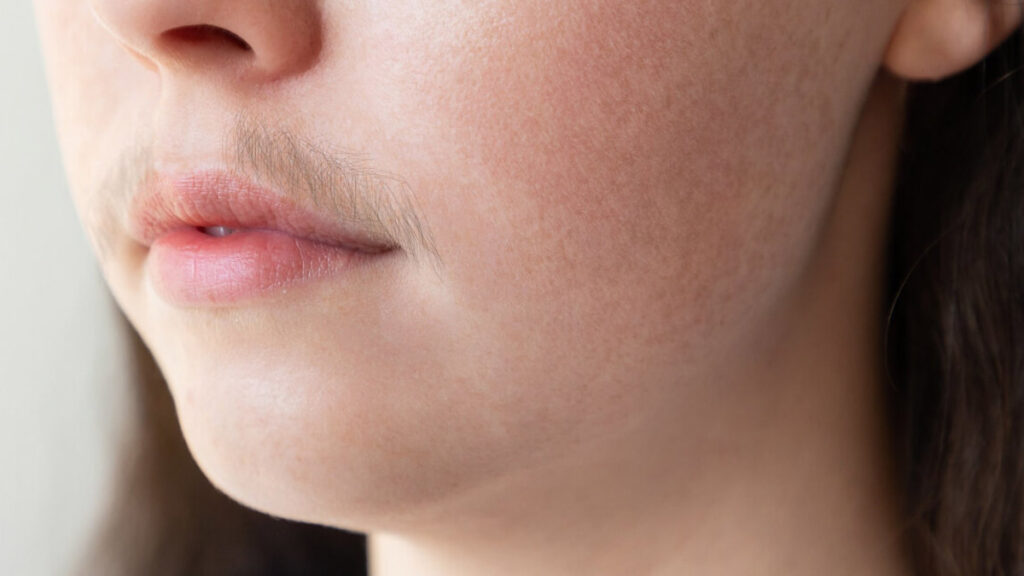
The most common cause of facial hair growth in PCOS is an increase in androgens, hormones that are present in both men and women. When androgen levels become too high, they stimulate hair follicles on the face to produce thicker, darker, and coarser hair, especially on the chin, upper lip, jawline, and neck.
Recommended: Best Supplements for PCOS Weight Loss
2. Insulin Resistance
Many women with PCOS have insulin resistance, a condition in which the body’s cells do not respond effectively to insulin. As a result, the pancreas produces more insulin to compensate. High insulin levels can trigger the ovaries to produce more androgens, making facial hair growth worse while also contributing to acne and irregular periods.
3. Increased Hair Follicle Sensitivity
Not all women with PCOS experience the same amount of facial hair. Some have hair follicles that are naturally more sensitive to androgens. Even a slight increase in hormone levels can cause these follicles to produce excessive facial hair, while others with similar hormone levels may notice little or no change.
4. Genetic Factors
Genetics can influence your likelihood of developing hirsutism. If close female relatives have PCOS or excess facial hair, you may be more likely to experience the same symptom. Your genes can also affect how your body responds to androgen hormones.
5. Hormonal Imbalances
PCOS disrupts the normal balance of reproductive hormones, including luteinizing hormone (LH), follicle-stimulating hormone (FSH), and androgens. These hormonal changes interfere with ovulation and encourage the ovaries to produce excess androgens, which promote unwanted facial hair growth.
6. Excess Body Weight
Being overweight or obese can worsen insulin resistance and increase androgen production in women with PCOS. This creates a cycle that may lead to more noticeable facial hair growth. However, it is important to note that women with a healthy weight can also develop PCOS-related facial hair.
7. Chronic Inflammation
Research suggests that many women with PCOS experience low-grade chronic inflammation. This inflammation may stimulate the ovaries to produce more androgens, indirectly contributing to hirsutism and other PCOS symptoms.
8. Slow Hair Growth Cycles
Facial hair does not appear overnight. Hair follicles grow in cycles, so it can take several months for hormonal changes to produce visible hair growth. Likewise, treatments aimed at reducing facial hair often require consistent use for several months before noticeable improvements are seen.
Recommended: Best Natural Solutions to PCOS Hair Growth: Effective Ways to Manage Excess Hair Naturally
Can Supplements Reduce PCOS-Related Facial Hair?
Yes, supplements may help reduce PCOS-related facial hair, but they are not a cure or an instant solution. Instead of removing existing hair, certain supplements work by addressing the underlying hormonal imbalances that contribute to hirsutism. By improving insulin sensitivity, lowering androgen levels, and supporting overall hormone health, they may slow the growth of new facial hair and make it finer and less noticeable over time.
The effectiveness of supplements depends on the underlying cause of your symptoms and the specific supplement you choose. For example, supplements such as inositol, zinc, vitamin D, omega-3 fatty acids, N-acetyl cysteine (NAC), and spearmint have been studied for their potential to improve insulin resistance or reduce androgen levels in women with PCOS. While research on some of these supplements is promising, results vary, and more studies are needed to confirm their long-term effectiveness.
It is important to have realistic expectations. Most supplements take at least three to six months of consistent use before noticeable changes occur because hair follicles grow in cycles. Existing facial hair will not disappear on its own, so many women combine supplements with hair removal methods such as shaving, waxing, threading, laser hair removal, or electrolysis while waiting for hormonal improvements to take effect.
Best Supplements for PCOS Facial Hair
Several supplements may help reduce PCOS-related facial hair by improving hormone balance, lowering androgen levels, and addressing insulin resistance. While they are not a replacement for medical treatment, they can be a helpful addition to a comprehensive PCOS management plan.
1. Inositol
Inositol is one of the most researched supplements for PCOS. It helps improve insulin sensitivity, which can reduce the amount of insulin circulating in the body. Lower insulin levels may lead to reduced androgen production by the ovaries, helping to slow the growth of unwanted facial hair over time. Inositol may also support regular ovulation and improve menstrual cycles.
Recommended: How to Tell PCOS Acne from Regular Hormonal Acne
2. Zinc
Zinc is an essential mineral that supports immune function, hormone regulation, and healthy skin. Some studies suggest that zinc supplementation may help lower androgen levels and reduce symptoms such as hirsutism and acne in women with PCOS. Zinc may also promote healthy hair growth on the scalp while reducing excess facial hair caused by hormonal imbalance.
3. Spearmint
Spearmint, often consumed as tea or taken as a supplement, has shown anti-androgen effects in some studies. It may help lower free testosterone levels, which could reduce the growth of coarse facial hair. While research is still limited, spearmint is considered a promising natural option for managing mild hirsutism.
4. Vitamin D
Vitamin D deficiency is common among women with PCOS. Maintaining healthy vitamin D levels may improve insulin resistance, support hormone balance, and enhance ovarian function. Although vitamin D alone is unlikely to eliminate facial hair, correcting a deficiency may help improve overall PCOS symptoms when combined with other treatments.
5. Omega-3 Fatty Acids
Omega-3 fatty acids, found in fish oil and algae-based supplements, have anti-inflammatory properties and may improve insulin sensitivity. Some research suggests they can also reduce testosterone levels in women with PCOS, potentially slowing the development of unwanted facial hair while supporting heart and metabolic health.
6. N-Acetyl Cysteine (NAC)
N-Acetyl Cysteine is a powerful antioxidant that may improve insulin sensitivity and reduce oxidative stress. Studies indicate that NAC can support hormonal balance, improve ovulation, and lower androgen levels in some women with PCOS. These effects may contribute to slower facial hair growth over time.
7. Magnesium
Magnesium plays an important role in blood sugar regulation and insulin function. Women with PCOS who are deficient in magnesium may benefit from supplementation, particularly when it is combined with a healthy diet. Better insulin control may indirectly reduce androgen production and improve symptoms such as hirsutism.
Recommended: Why Does PCOS Acne Get Worse During Ovulation?
8. Vitamin E
Vitamin E is an antioxidant that helps protect cells from oxidative damage. Some studies have found that combining vitamin E with other nutrients may improve hormone levels and reduce inflammation in women with PCOS. While it is not a direct treatment for facial hair, it may support overall hormonal health.
9. Berberine
Berberine is a plant compound known for its ability to improve insulin sensitivity. Research suggests it may be as effective as some prescription medications for improving blood sugar control in women with PCOS. By lowering insulin levels, berberine may reduce androgen production and help slow excessive facial hair growth.
10. Cinnamon
Cinnamon has been studied for its potential to improve insulin sensitivity and support healthy blood sugar levels. Better insulin control may reduce androgen production, which could indirectly help manage PCOS-related facial hair. More research is needed, but cinnamon may offer additional metabolic benefits.
Do Supplements Permanently Remove Facial Hair?
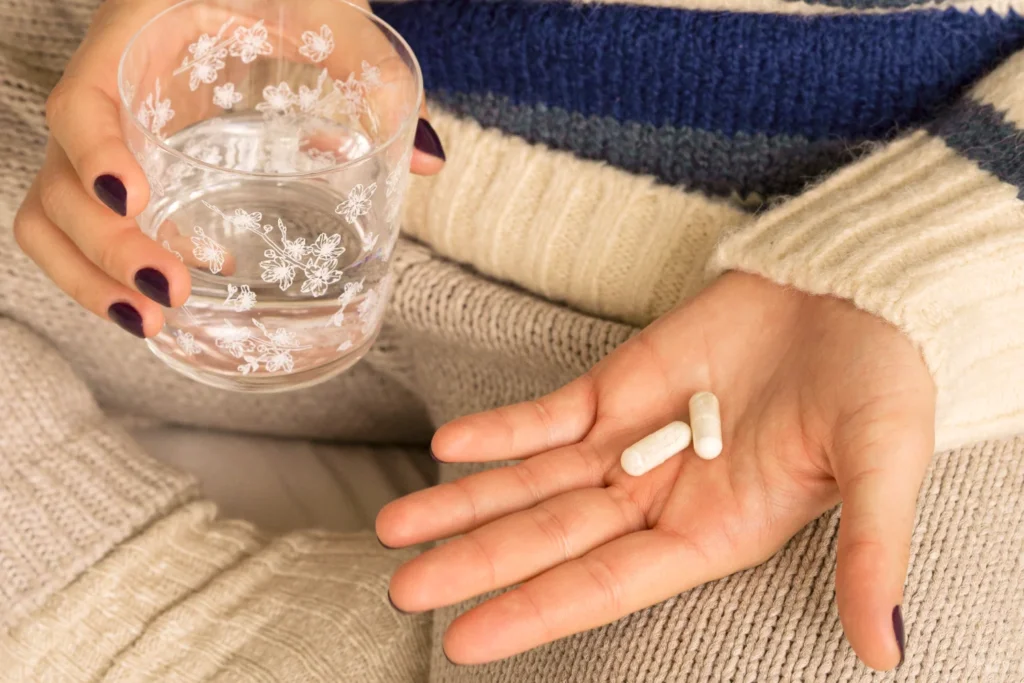
No, supplements do not permanently remove facial hair caused by PCOS. Instead, they help address the underlying hormonal imbalances, such as high androgen levels and insulin resistance, that contribute to excess hair growth. Over time, certain supplements may slow the growth of new facial hair, reduce its thickness, and make it less noticeable, but they cannot eliminate hair that has already developed.
For permanent hair reduction, treatments such as laser hair removal or electrolysis are usually more effective. Supplements work best when combined with a healthy lifestyle and, if needed, medical treatments recommended by a healthcare provider. Because facial hair grows in cycles, it may take three to six months of consistent supplement use before any improvement becomes noticeable.
Recommended: Can You Have PCOS Without Cysts on Ultrasound?
Common Mistakes When Taking PCOS Supplements
- Expecting immediate results: Most PCOS supplements take three to six months to show noticeable improvements because hair grows in cycles.
- Taking supplements inconsistently: Skipping doses or stopping too soon can reduce their effectiveness and delay results.
- Using supplements without medical advice: Some supplements may interact with medications or may not be appropriate for certain health conditions.
- Taking more than the recommended dose: Higher doses do not necessarily produce better results and may increase the risk of side effects.
- Relying on supplements alone: Supplements work best when combined with a balanced diet, regular exercise, and other healthy lifestyle habits.
- Ignoring underlying nutrient deficiencies: Failing to address deficiencies, such as low vitamin D or zinc, may limit the benefits of supplementation.
- Using low-quality supplements: Products from unreliable manufacturers may contain inaccurate ingredient amounts or contaminants.
- Stopping treatment once symptoms improve: PCOS is a long-term condition, so discontinuing supplements without guidance may allow symptoms to return.
- Not monitoring progress: Keeping track of symptoms and discussing changes with a healthcare provider can help determine whether a supplement is working.
- Trying too many supplements at once: Starting several supplements simultaneously makes it difficult to identify which one is helping or causing side effects.
Conclusion
Managing PCOS-related facial hair requires patience and a long-term approach. While supplements cannot permanently remove unwanted facial hair, they may help address the hormonal imbalances that contribute to hirsutism by improving insulin sensitivity, reducing androgen levels, and supporting overall hormonal health. When used consistently and alongside healthy lifestyle habits, they can help slow new hair growth and improve other PCOS symptoms.
The effectiveness of supplements varies from person to person, so it is important to choose evidence-based options and use them as directed. If facial hair growth is severe, rapidly worsening, or accompanied by other concerning symptoms, consult a healthcare provider for a proper evaluation and personalized treatment plan. Combining supplements with medical care, a balanced diet, regular exercise, and appropriate hair removal methods offers the best chance of achieving lasting improvements.