
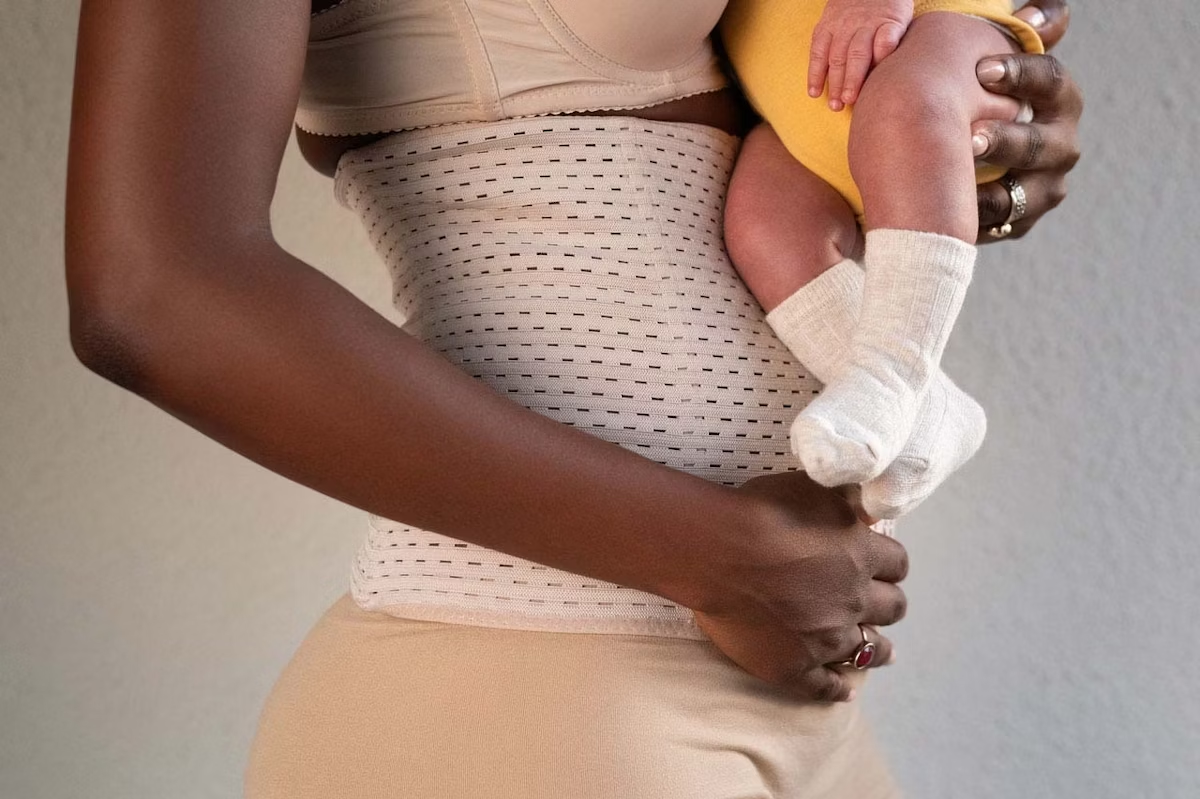
Postpartum belly wrap is one of the most widely used recovery tools among new mothers who want extra support after childbirth and a smoother transition as their bodies heal. It is often recommended during the early postpartum period to help support the abdominal area, improve posture, and provide comfort as the body adjusts after delivery.
However, not every woman starts using a postpartum belly wrap immediately after giving birth. Some discover it weeks or even months later and begin to question whether it can still be effective at that stage. This often leads to confusion about whether there is a specific time limit or “too late” point when the benefits reduce or disappear completely.
The truth is that the effectiveness of a postpartum belly wrap can depend on several factors, including how the body has healed, the condition of the abdominal muscles, and how consistently the wrap is used. Because of this, opinions vary on whether late use still provides meaningful results or if its benefits are mostly limited to early recovery.
In this article, we will explore when it might be too late to wear a postpartum belly wrap, how it works at different stages of postpartum recovery, the possible benefits, and alternative options that may help support core strength and healing if you are starting at a later time.
What a Postpartum Belly Wrap Is
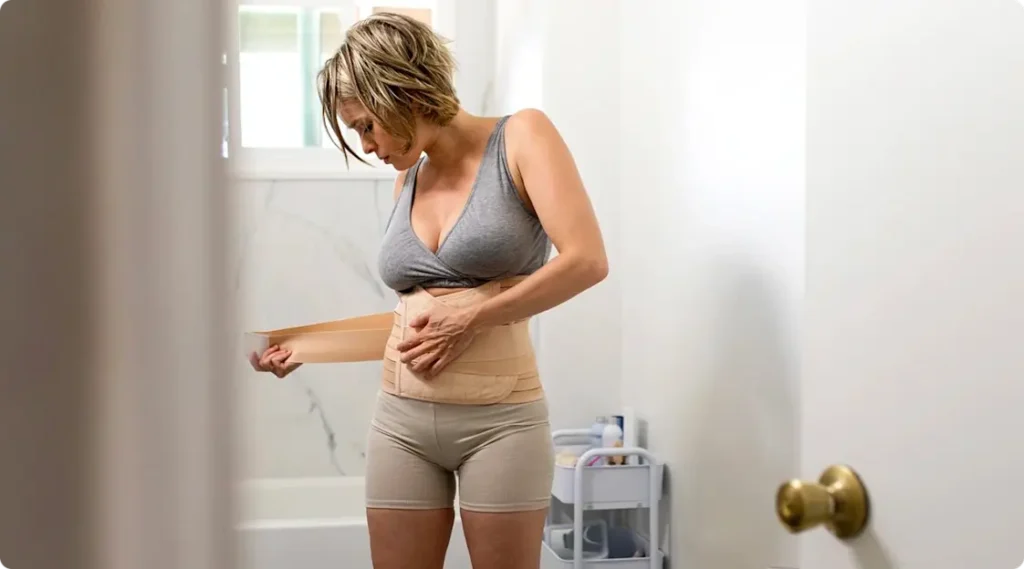
A postpartum belly wrap is a supportive garment designed to be worn around the abdomen after childbirth. It is used to gently compress and support the stomach area as the body goes through the natural healing and recovery process. Many new mothers use it to help feel more secure and supported during daily movement in the weeks following delivery.
Recommended: Benefits of Belly Binding After Birth
The wrap works by providing external pressure to the abdominal muscles, which may feel stretched and weakened after pregnancy. This support can help improve posture, reduce discomfort in the lower back, and give the abdomen a more held and stable feeling while the body gradually regains strength.
Postpartum belly wraps come in different styles such as elastic bands, binders, or adjustable wraps. Some are simple and breathable, while others offer firmer compression depending on the level of support needed. They are usually adjustable so the wearer can control how tight or comfortable it feels.
The Purpose of Postpartum Belly Binding
Postpartum belly binding is often used as a supportive recovery practice after childbirth. While it is not a medical requirement, many new mothers find it helpful for comfort, stability, and confidence as their bodies heal and adjust. It works by gently supporting the abdominal area during the postpartum period.
To Support Weakened Abdominal Muscles
During pregnancy, the abdominal muscles stretch significantly to accommodate the growing baby. After childbirth, these muscles can feel loose and weak. Postpartum belly binding provides gentle external support to help stabilize the midsection while the body gradually regains strength.
To Improve Posture and Reduce Back Pain
New mothers often experience back and waist pain due to weakened core muscles and the demands of caring for a newborn. A belly wrap helps encourage better posture by supporting the spine and reducing strain on the lower back during daily activities.
To Reduce Abdominal Swelling and Provide Compression
After delivery, it is normal for the abdomen to remain swollen due to fluid retention and uterine contraction. Belly binding offers light compression that can help the stomach feel more contained and supported as the body naturally reduces swelling.
Recommended: Best Postpartum Clothes for C-Section
To Provide Emotional Comfort and Body Support
Beyond physical benefits, many women find belly binding comforting. It can help new mothers feel more secure and “held together,” which may improve confidence and comfort during the early postpartum recovery period.
The Ideal Time to Start Wearing a Belly Wrap
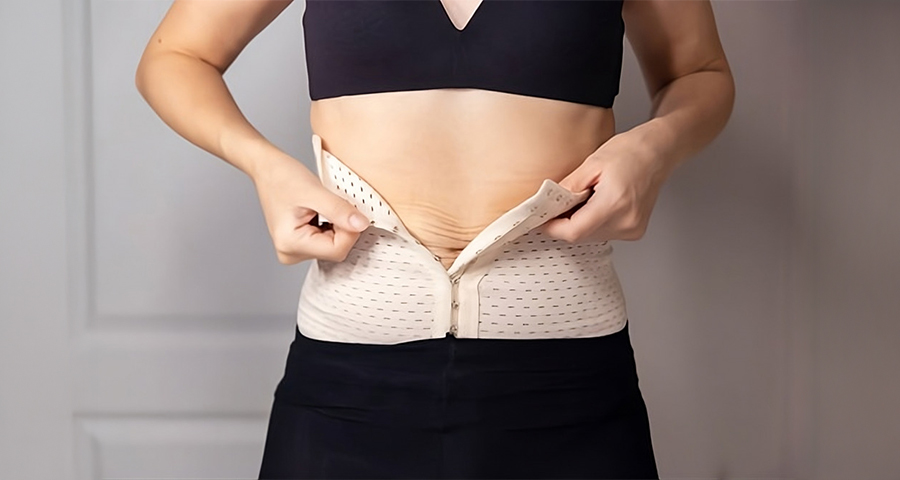
The ideal time to start wearing a postpartum belly wrap is usually soon after childbirth, but only when the body is stable enough to handle gentle compression. For many women, this can be within the first few days after a vaginal delivery, while ensuring there are no complications and comfort is prioritized.
In the case of a cesarean section, timing is more sensitive because the abdominal area needs proper healing. Many healthcare providers often recommend waiting until the incision begins to heal and there is no significant pain or risk of pressure on the wound before using a belly wrap. Medical guidance is important in this situation.
It is also important to note that starting early does not mean wearing it constantly or too tightly. The goal is gentle support, not restriction. The wrap should be used in a way that feels comfortable and does not interfere with breathing, circulation, or natural healing.
Recommended: What Are The Hidden Signs of Postpartum ‘Brain Fog’ vs. Depression?
When Is It Too Late to Wear Postpartum Belly Wrap?
There is no strict or universal “cut-off point” for wearing a postpartum belly wrap, but timing does affect what you can realistically expect from it. In general, it is most beneficial in the early postpartum weeks when the abdominal muscles are still adjusting and the body is actively recovering from childbirth.
As time passes, especially several months after delivery, the wrap becomes less about physical recovery and more about temporary support and posture assistance. At this stage, it may still help with comfort, back support, and body awareness, but it will not significantly change body shape or tighten abdominal muscles on its own.
Many people consider it “too late” only when their main goal is rapid physical reshaping of the abdomen without combining it with exercise, nutrition, and core strengthening. Even then, it is not harmful to use later, but expectations need to be realistic about its limitations.
In simple terms, it is never truly too late to wear a postpartum belly wrap for support, but the earlier it is used within the recovery period, the more noticeable the benefits tend to be.
Risks of Using Belly Wraps Incorrectly or Too Late
Using a postpartum belly wrap in the wrong way or relying on it too late in recovery can lead to several issues. While it is generally safe when used correctly, improper use can reduce its benefits and sometimes create discomfort or delay proper healing habits.
- Over-reliance on external support: If a belly wrap is used for too long or as a substitute for core muscle recovery, the abdominal muscles may not engage properly. This can slow down natural strengthening of the core over time, especially if physical activity and exercises are neglected.
- Improper tightness and discomfort: Wearing the wrap too tightly can cause breathing difficulty, abdominal pressure, or skin irritation. Excess compression may also lead to discomfort in the lower back or pelvic area instead of relief.
- Delayed focus on core rehabilitation: Using a belly wrap too late in the postpartum journey without combining it with exercise may shift attention away from more effective long-term recovery methods like pelvic floor therapy and core strengthening exercises.
- Skin irritation and poor hygiene issues: Wearing the wrap for long periods without proper cleaning or ventilation can lead to skin rashes, sweating discomfort, or irritation, especially in hot climates or sensitive skin types.
- False expectation of body reshaping: Some users expect the wrap alone to significantly reduce belly fat or permanently reshape the abdomen. When used late, this expectation can lead to disappointment, since body composition changes require consistent exercise and nutrition, not compression alone.
Recommended: Is It Bad to Wear Tight Pants Postpartum?
Better Alternatives If It’s “Too Late”
If a postpartum belly wrap is started much later after childbirth, it may no longer play a major role in recovery, but there are still effective alternatives that can help improve core strength, posture, and overall abdominal tone.
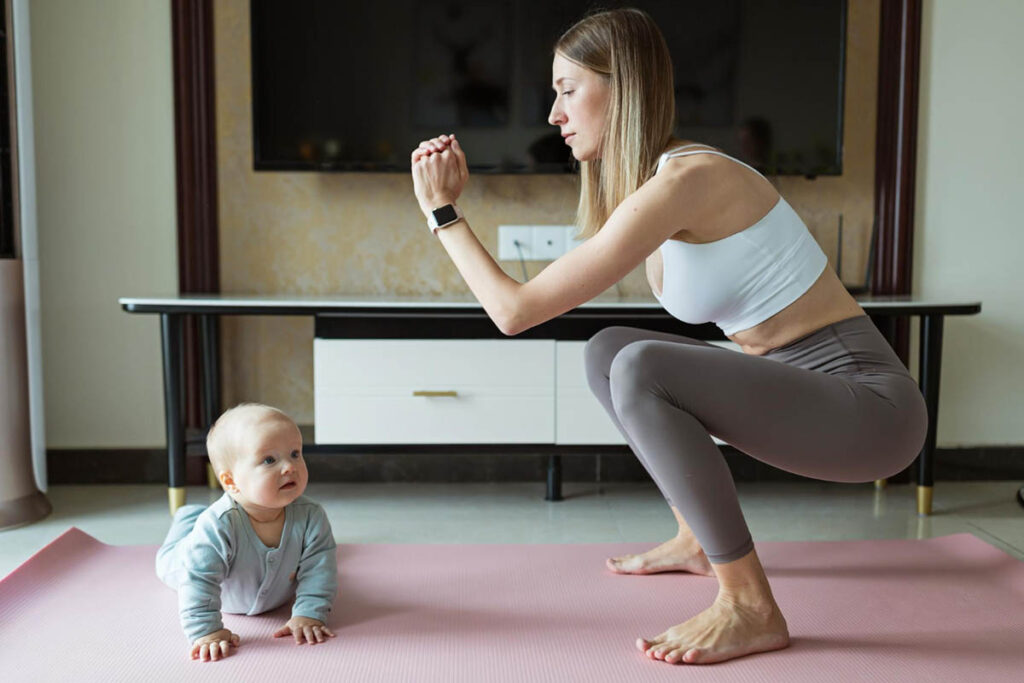
1. Postpartum Core Strengthening Exercises
Gentle exercises like pelvic tilts, bridges, and controlled breathing workouts help reactivate and strengthen deep abdominal muscles. These are more effective than compression alone for long-term recovery and body shaping.
2. Pelvic Floor Therapy
The pelvic floor plays a major role in postpartum recovery. Strengthening these muscles can improve core stability, reduce back pain, and support internal organs, especially after pregnancy and childbirth.
Recommended: What Are Practical Strategies for Incorporating Baby into Postpartum Fitness Routines?
3. Walking and Gradual Physical Activity
Regular walking is a simple but powerful way to rebuild stamina, support weight management, and improve circulation. Over time, it helps the body naturally return to strength without strain.
4. Balanced Nutrition and Hydration
Eating nutrient-rich foods and staying hydrated supports tissue repair, energy levels, and healthy weight management. Recovery is not only physical activity, but also what fuels the body.
5. Posture Correction Habits and Lifestyle Changes
Simple habits like sitting upright, avoiding slouching while breastfeeding, and using ergonomic support can significantly reduce back pain and improve abdominal appearance over time.
Conclusion
There is no absolute deadline for when it becomes too late to wear a postpartum belly wrap, but its effectiveness largely depends on timing, consistency, and individual recovery needs. In the early postpartum period, it can provide meaningful support for weakened abdominal muscles, posture, and comfort as the body heals after childbirth.
As time goes on, especially months after delivery, the benefits of a belly wrap tend to shift from physical recovery support to temporary comfort and posture assistance. At that stage, it cannot replace core strengthening exercises or lifestyle habits that are essential for long-term abdominal recovery and body conditioning.
Ultimately, whether used early or later, a postpartum belly wrap should be seen as a supportive tool rather than a complete solution. The best results come when it is combined with proper exercise, nutrition, and medical guidance tailored to postpartum recovery.