
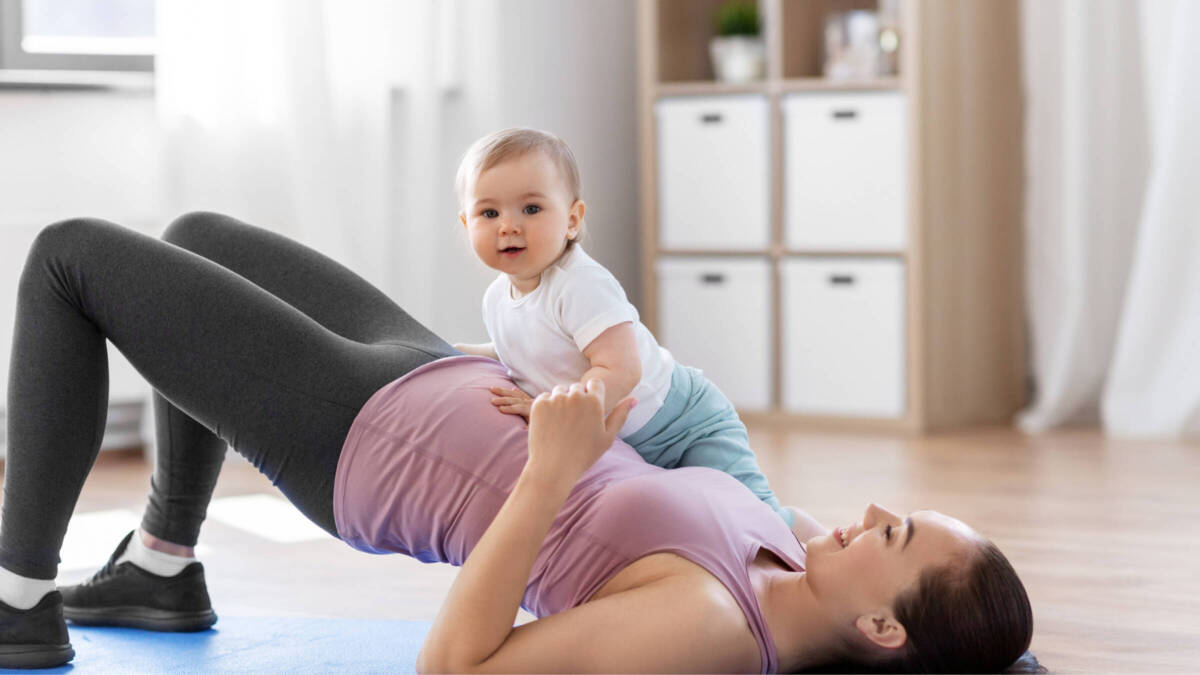
Weak pelvic floor is a condition many women experience after childbirth, often without fully realizing it. During pregnancy and delivery, the pelvic floor muscles go through significant strain, which can leave them stretched, weakened, or less supportive than before. This can affect basic functions like bladder control, core stability, and overall pelvic health.
After childbirth, some women begin to notice changes in their body that may seem small at first but gradually become more concerning. These can include leaking urine when laughing or sneezing, a feeling of heaviness in the pelvic area, or discomfort during physical activity. Many of these signs are often ignored or accepted as normal postpartum changes, even though they may indicate a deeper issue with pelvic floor strength.
In this article, we will explore the key signs of a weak pelvic floor after childbirth that you should not ignore, explain why they happen, and highlight when it is important to seek help.
What The Pelvic Floor is And Why it Weakens After Childbirth
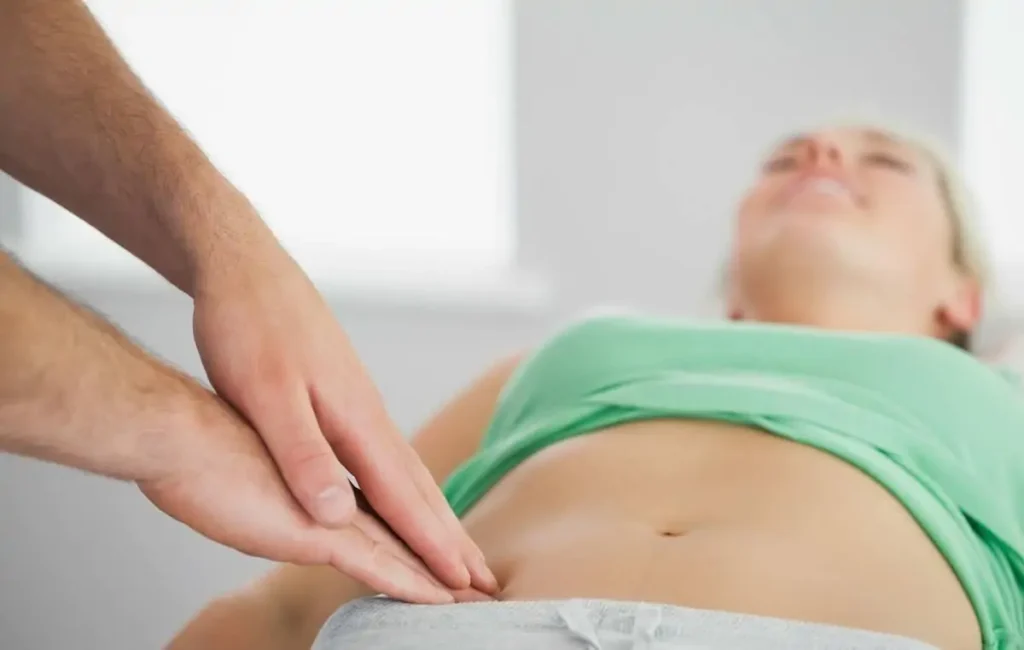
The pelvic floor is a group of muscles, ligaments, and connective tissues that sit at the base of the pelvis. It forms a supportive “sling” that holds up vital organs such as the bladder, uterus, and bowel. These muscles also help control urination and bowel movements, support core strength, and contribute to sexual function.
Recommended: How Do Pelvic Floor and Core-Focused Routines Benefit Postpartum Recovery?
During pregnancy, the pelvic floor is placed under continuous pressure as the baby grows and the uterus expands. This added weight stretches the muscles over time, gradually reducing their strength and elasticity. At the same time, hormonal changes soften the tissues in preparation for childbirth, making them more flexible but less firm.
Childbirth itself, especially vaginal delivery, can place significant strain on the pelvic floor muscles. The pushing stage of labor may overstretch or even slightly tear these muscles and surrounding tissues. Factors such as prolonged labor, large baby size, or assisted delivery can increase the level of strain.
After childbirth, the combined effects of pregnancy pressure, hormonal changes, and delivery strain can leave the pelvic floor weakened or less responsive. This is why some women notice symptoms like urine leakage, pelvic heaviness, or reduced core stability during the postpartum period.
Signs of Weak Pelvic Floor After Childbirth You Should Not Ignore
After childbirth, it is common for the body to go through several changes as it heals and adjusts. However, some symptoms may indicate that the pelvic floor muscles have been significantly weakened and may need attention. Paying close attention to these signs can help prevent long term complications and support proper recovery.
1. Urine Leakage When Coughing, Sneezing, or Laughing
This happens because the pelvic floor muscles are not strong enough to keep the urethra closed when there is sudden pressure on the bladder. Even simple actions like coughing, laughing, or lifting a baby can trigger small leaks. If this continues weeks or months after delivery, it may indicate persistent pelvic floor weakness rather than normal healing.
2. A Feeling of Heaviness or Pressure in the Pelvic Area
Many women describe this sensation as something “weighing down” or dragging in the lower abdomen or vaginal area. It often becomes worse toward the end of the day, after standing for long periods, or after physical activity. This feeling can be an early sign that the pelvic organs are not being fully supported.
3. Difficulty Controlling Gas or Bowel Movements
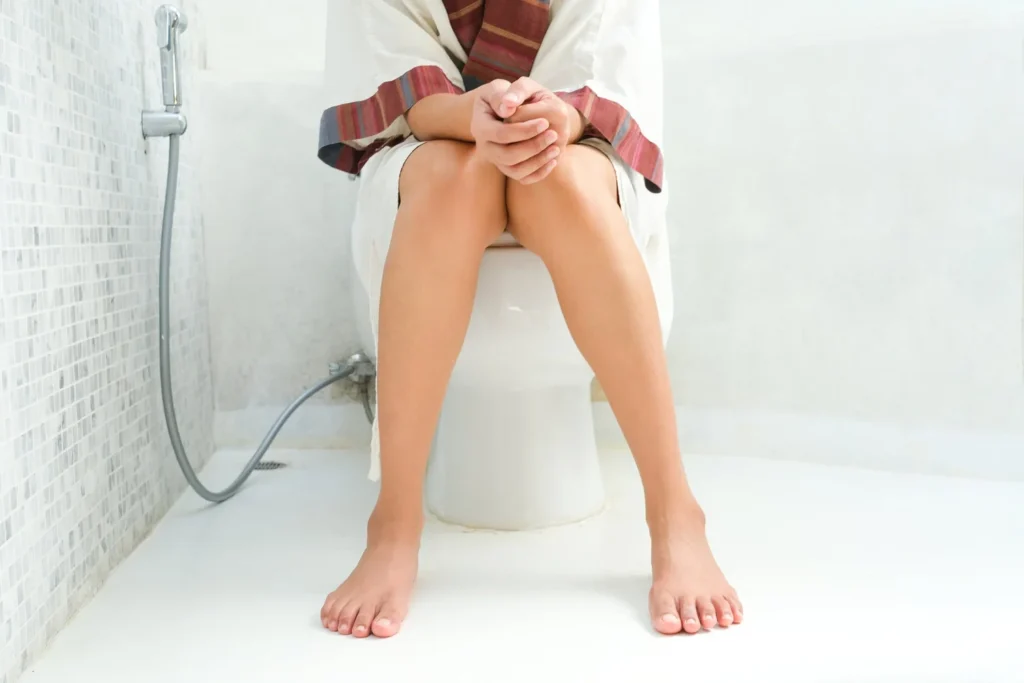
When the pelvic floor is weak, it becomes harder to control the release of gas or stool, especially when sneezing, bending, or lifting. Some women may notice accidental gas leakage or a sudden urge to use the toilet. This can affect confidence and daily comfort, but it is a clear physical sign of muscle dysfunction.
Recommended: How Effective is Pelvic Floor Therapy For Vaginismus?
4. Bulging or “Something Falling Out” Sensation in the Vagina
This symptom may indicate pelvic organ prolapse, where organs like the bladder, uterus, or rectum shift downward due to weak support muscles. Some women may feel or even see a soft bulge at the vaginal opening, especially when standing, coughing, or straining. It may also come with discomfort or a feeling that the vagina is “open” or different.
5. Pain or Discomfort During Sexual Intercourse
Weak pelvic floor muscles can lead to tightness, reduced control, or poor muscle coordination during sex. This may cause pain during penetration, discomfort with movement, or reduced sensation. Scar tissue from delivery or hormonal changes may also contribute, but ongoing pain should not be ignored.
6. Lower Back Pain and Poor Core Stability
The pelvic floor works together with deep abdominal and back muscles to support posture and movement. When it is weak, the lower back often takes extra strain, leading to chronic pain or stiffness. Women may also feel less stable when lifting objects, bending, or standing for long periods.
7. Leaking Urine During Exercise or Movement
Activities such as jogging, jumping, skipping, or even brisk walking can cause urine leakage when the pelvic floor is not strong enough to handle increased pressure. This is often noticed when a woman starts returning to exercise after childbirth and finds that her bladder control is reduced.
When to Seek Medical Help
After childbirth, some pelvic floor discomfort can improve naturally with time, rest, and gentle recovery exercises. However, there are situations where symptoms may indicate a more serious issue that requires professional attention. Knowing when to seek help is important to prevent complications and support proper healing.
You should consider seeing a doctor or a pelvic health physiotherapist if you notice urine leakage that continues for several weeks or worsens over time, instead of gradually improving. Persistent bladder or bowel control issues are not something to simply “wait out,” especially if they affect your daily activities or confidence.
Recommended: When Is It Too Late to Wear Postpartum Belly Wrap?
Medical help is also necessary if you experience a constant feeling of heaviness in the pelvic area, a visible or noticeable vaginal bulge, or a sensation that something is falling out. These symptoms may suggest pelvic organ prolapse, which can improve significantly with early treatment and proper care.
Additionally, you should seek help if you have ongoing pain during sexual intercourse, chronic lower back pain linked to core weakness, or difficulty returning to normal physical activity without leakage or discomfort. Early assessment allows for proper diagnosis and treatment options such as pelvic floor therapy, targeted exercises, or other medical interventions that can greatly improve recovery.
Pelvic Floor Recovery Exercises
After childbirth, gentle and consistent pelvic floor exercises can help restore muscle strength, improve bladder control, and support overall healing. These exercises should be done gradually, especially if you are still in early postpartum recovery or experiencing pain. The goal is not speed, but proper muscle engagement and consistency.
1. Kegel Exercises

Kegels involve tightening and relaxing the pelvic floor muscles as if you are trying to stop urine mid-flow. Hold the contraction for a few seconds, then relax completely. Start with a few repetitions and slowly increase over time. This helps rebuild strength and improve bladder control.
Recommended: 5 Cooling Yoga Poses for Menopausal Symptoms Instant Relief
2. Deep Breathing With Pelvic Engagement
Lie down or sit comfortably, then take slow deep breaths. As you inhale, relax your pelvic floor, and as you exhale, gently lift and tighten the muscles. This helps reconnect your breathing with core and pelvic muscle control, which is important for full recovery.
3. Bridge Exercise
Lie on your back with knees bent and feet flat on the ground. Slowly lift your hips upward while gently engaging your pelvic floor and core muscles, then lower back down. This strengthens the glutes, core, and pelvic support system together.
4. Heel slides
While lying on your back, slowly slide one heel away from your body and then bring it back while keeping your core and pelvic floor lightly engaged. Alternate both legs. This improves stability and coordination of deep core muscles.
5. Pelvic Tilts
Lie on your back with knees bent and gently tilt your pelvis upward by flattening your lower back against the floor, then release. This helps activate the deep abdominal and pelvic muscles and improves control.
If symptoms are severe or exercises cause discomfort, it is important to pause and consult a healthcare professional for proper guidance and personalized pelvic floor rehabilitation.
Conclusion
A weak pelvic floor after childbirth is more common than many women realize, but it should not be ignored or accepted as a permanent part of postpartum life. The symptoms may start small, such as mild urine leakage or a feeling of pelvic heaviness, but they can gradually affect comfort, confidence, and overall quality of life if left untreated.
Recognizing the early signs and understanding what your body is telling you is an important step toward recovery. With the right awareness, timely medical support, and consistent pelvic floor exercises, most women can significantly improve their symptoms and restore muscle strength over time.
Healing after childbirth takes patience, but taking action early makes a big difference. If you notice persistent symptoms, seeking professional help can ensure you receive the right care and avoid long term complications.