
Cooling yoga poses can help you deal with the physical and emotional changes that often happen during menopause in a gentle and natural way. Hormonal changes can cause symptoms like hot flashes, night sweats, fatigue, and mood swings at this time in life. For a lot of women, these changes can make daily tasks feel more tiring and uncomfortable.
A lot of women want to find natural ways to deal with these symptoms without using medicine all the time. Yoga is a popular choice because it combines mindful movement, controlled breathing, and relaxation techniques that help both the body and the mind calm down. Some poses are especially good at making you feel cool and calm.
Cooling yoga poses work by calming the nervous system and lowering the body’s internal temperature. They also help you breathe more deeply, get your blood flowing better, and let go of stress. These benefits can help the body get back to normal and ease some of the common discomforts that come with menopause.
Yoga can also help you sleep better and lower your stress levels during menopause. Stress can make symptoms like hot flashes and irritability worse, but doing gentle yoga can help you relax and feel more stable emotionally. This can help your overall health over time.
These poses are also easy to do and good for beginners. Many cooling yoga poses are easy to do at home and focus on stretching, grounding, and restorative movements. They can help women feel better and more energetic all day long if they do them regularly.
In this article, we will explore how cooling yoga poses can help relieve menopausal symptoms and support overall wellness. We will also share 5 cooling yoga poses that may provide instant relief, along with helpful tips for practicing them safely and effectively.
Why Menopause Feels Overwhelming
Menopause can feel overwhelming because it brings several physical and emotional changes that many women are not fully prepared for. As the body moves out of the reproductive stage, hormone levels such as estrogen and progesterone begin to decline. These hormonal changes can cause symptoms like hot flashes, night sweats, fatigue, and headaches by affecting different systems in the body.

Another reason menopause is hard is that you never know how your symptoms will change. Many women have sudden hot flashes, trouble sleeping, and mood swings that can make it hard to do everyday things. It is harder to stay focused, get things done, or stick to your normal schedule when you do not get enough sleep and are always tired.
Recommended: 10-Minute Daily Menopause Morning Routine
Changes in your emotions can also make this transition more stressful. Changes in hormones can make you feel sad, anxious, angry, or moody. Many women also feel even more overwhelmed because they are worried about getting older, their bodies changing, and their long-term health.
Common Menopausal Symptoms Women Experience
Hormonal changes in the body during menopause can cause a lot of physical and emotional symptoms. While every woman’s experience is different, many women notice several symptoms that affect their comfort, mood, and overall wellbeing
- Changes in skin conditions: Hormonal changes may cause the skin to become drier or oilier. Some women may also develop adult acne during this stage.
- Hot flushes: Hot flushes are sudden sensations of intense heat that usually affect the face, neck, and chest. They can cause sweating and redness of the skin.
- Changes in mood: Mood changes such as irritability, sadness, or low mood can occur as hormone levels shift, making emotional balance more difficult to maintain.
- Difficulty sleeping: Many women struggle with falling asleep or staying asleep. Poor sleep can lead to tiredness, irritability, and difficulty focusing during the day.
- Anxiety: Many women experience increased feelings of worry or nervousness during menopause due to hormonal fluctuations that affect the nervous system.
- Joint stiffness, aches, and pains: Many women experience joint discomfort or stiffness, which can make movement feel more difficult.
- Discomfort during sex: Reduced estrogen levels can cause vaginal dryness and sensitivity, which may lead to discomfort during sexual activity.
- Feelings of loss of self: Some women report feeling less confident or feeling as though their identity has changed during menopause.
- Hair loss or thinning: Hormonal shifts can cause hair to become thinner or lead to noticeable hair loss in some women.
- Headaches or migraines: Changes in hormone levels may trigger frequent headaches or worsen existing migraines.
- Increase in facial hair: Hormonal imbalance may lead to the growth of unwanted facial hair in some women.
- Urge and stress incontinence: Some women may have trouble controlling their bladders, which can cause them to leak while doing things like coughing, sneezing, or working out.
- Loss of self confidence: Physical and emotional changes during menopause can sometimes affect how women feel about themselves.
- Night sweats: Night sweats are hot flushes that occur during sleep and may cause heavy sweating that interrupts rest.
- Palpitations: Some women experience noticeable or irregular heartbeats that may feel like the heart is racing or pounding.
- Problems with memory, concentration, and brain fog: Hormonal changes can affect cognitive function, making it harder to focus or remember things clearly.
- Recurrent urinary tract infections (UTIs): Lower estrogen levels can increase the risk of urinary infections such as cystitis.
- Reduced sex drive (libido): Hormonal shifts, fatigue, and emotional changes can lead to a decrease in sexual desire.
- Tinnitus: Some women may experience ringing or buzzing sounds in the ears during menopause.
- Vaginal dryness and pain: Reduced estrogen can cause the vaginal tissues to become thinner and drier, which may result in irritation or pain.
Recommended: Easy Meal Prep for Menopause
Why Cooling Yoga Poses Are Best for Menopause
Cooling yoga poses are particularly helpful for women going through menopause because they target several common symptoms and support overall wellbeing. Here are the main reasons:
Regulate body temperature
Many menopausal symptoms, such as hot flashes and night sweats, are caused by hormonal changes that affect temperature control. Cooling yoga poses help lower internal heat and create a calming effect, giving instant relief when the body feels overheated.
Reduce stress and anxiety
Gentle movements and controlled breathing in cooling yoga make the body relax. This helps lower stress, irritability, and mood swings, which can make menopausal symptoms worse. Women can also feel more mentally clear and centered if they practice regularly.
Release muscle and joint tension
Menopause often brings stiffness, aches, and fatigue. Cooling yoga poses are gentle stretches and restorative poses that help relieve stress, increase flexibility, and improve blood flow without putting too much strain on the body.
Promote better sleep
Practicing calming yoga in the evening can prepare the body and mind for restful sleep. By reducing discomfort and calming the nervous system, these poses help women fall asleep faster, stay asleep longer, and wake up feeling more refreshed.
Support overall emotional balance
Cooling yoga encourages mindfulness and body awareness. This helps women feel more grounded, reduces feelings of irritability or low mood, and supports emotional stability during the menopausal transition. Over time, regular practice can help boost confidence and a sense of control over the changes happening in the body.
Enhance overall wellbeing
Beyond symptom relief, cooling yoga promotes a sense of calm, relaxation, and inner peace. By combining physical movement, breathing, and mindfulness, these poses help women feel more in tune with their bodies and more resilient during this life stage.
Recommended: Strength Training vs Cardio for Menopause Bone Density
15 Cooling Yoga Poses for Menopausal Symptoms
1. Child’s Pose (Balasana)
This pose is very relaxing and good for the nervous system. It can help lower stress and anxiety, which can make hot flashes and irritability worse. It gently stretches the back, hips, and thighs, which helps ease stiffness and tension. It also encourages slow, mindful breathing, which can help you feel safe and relaxed and lower your body temperature.
How to do it:
- Kneel on the floor, touch your big toes together, and sit on your heels.
- Separate your knees about hip-width apart.
- Bend forward, extending your arms in front or alongside your body.
- Rest your forehead on the mat and breathe deeply for 1 to 3 minutes.
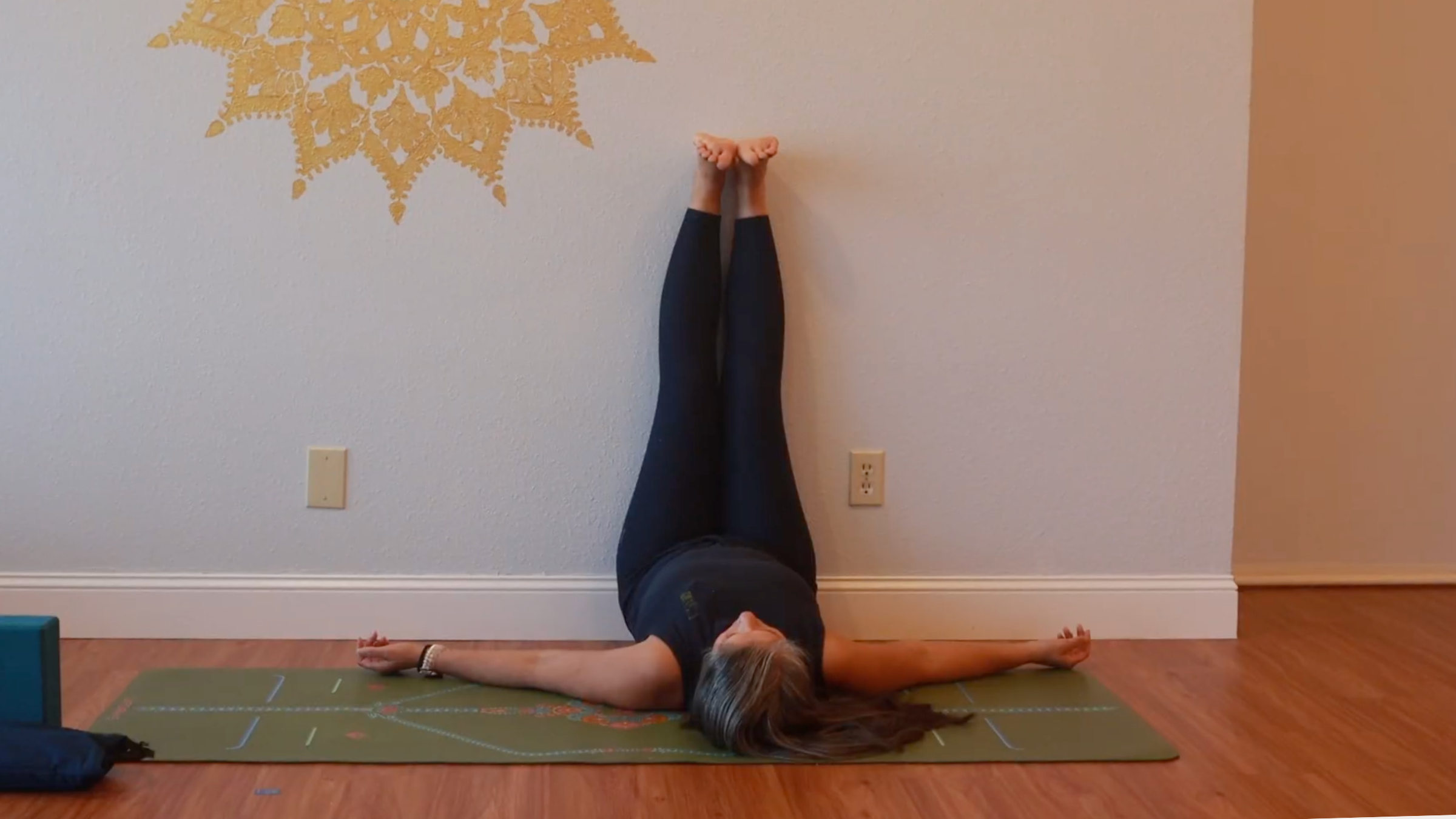
2. Legs Up the Wall (Viparita Karani)
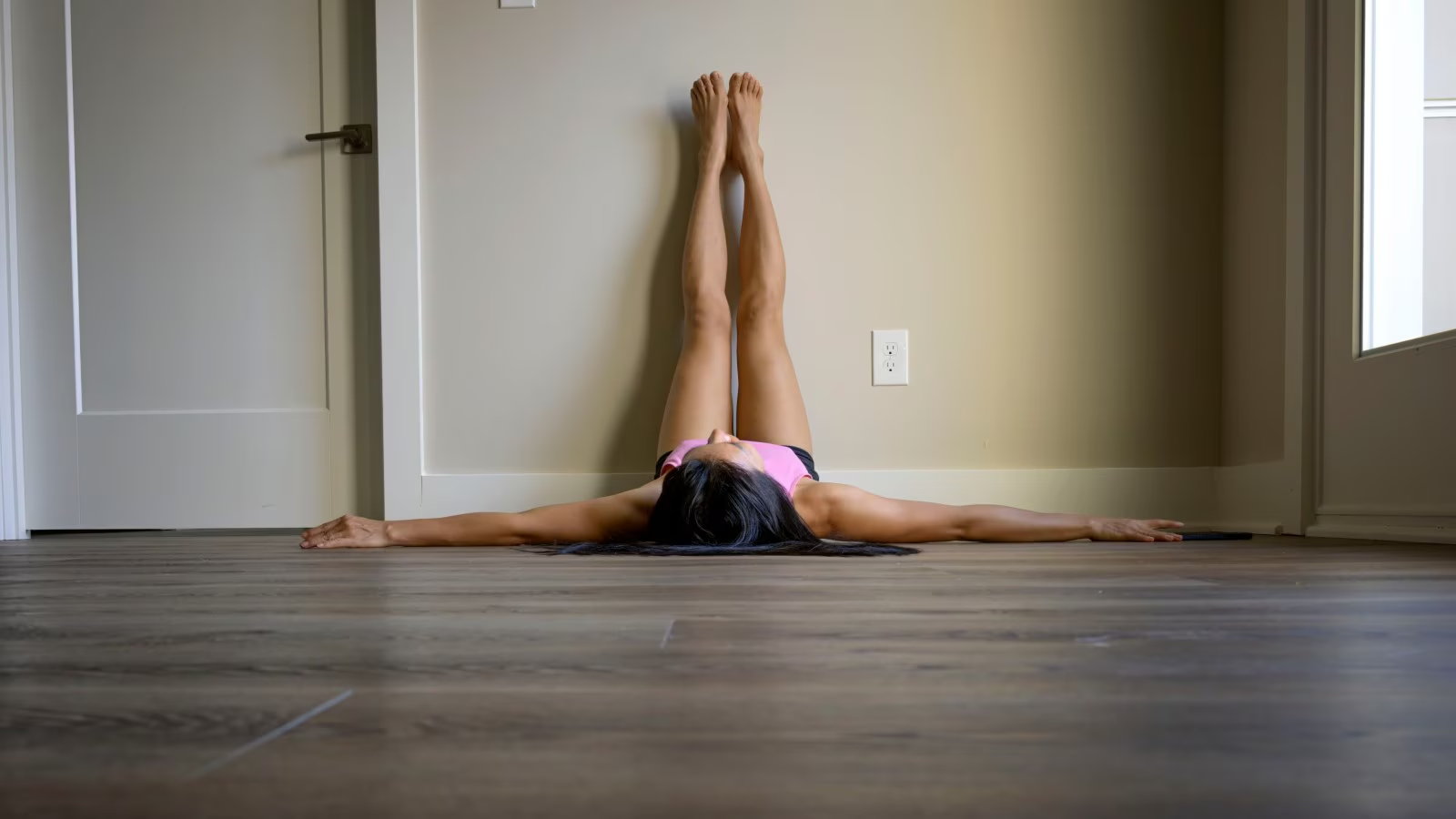
Raising the legs helps cool the body, reduce swelling, and improve blood flow. It also helps with fatigue caused by hormonal changes. It calms the nervous system and eases tension in the lower back and legs. It can also make night sweats less severe. This position can help you think clearly and feel calm.
How to do it:
- Sit next to a wall and lie on your back.
- Extend your legs up against the wall while keeping your back and hips close to the wall.
- Relax your arms by your sides and breathe slowly for 3 to 5 minutes.
3. Seated Forward Bend (Paschimottanasana)
It stretches the spine and hamstrings, which can help relieve tension in the back and legs that can happen during menopause. This pose also helps calm the mind, which can help with anxiety, irritability, and mental fatigue. Regular practice may help you sleep better and feel less stressed or overwhelmed.
How to do it:
- Sit with legs extended straight in front of you.
- Inhale and lengthen your spine.
- Exhale and hinge at your hips to reach toward your feet or shins.
- Hold for 30 to 60 seconds, breathing deeply.
Recommended: How to Adjust Strength Training During Your Period
4. Cat-Cow Stretch (Marjaryasana-Bitilasana)
Helps the spine become more flexible and eases tension in the neck, shoulders, and back. It helps ease the stiffness, joint pain, and mild aches that come with menopause. Flowing between Cat and Cow also gets the blood flowing and adds oxygen to the body, which helps fight fatigue and boost energy levels.
How to do it:
- Start on hands and knees in a tabletop position.
- Inhale, arch your back, lifting your head and tailbone (Cow Pose).
- Exhale, round your spine, tucking your chin and tailbone (Cat Pose).
- Repeat 8 to 10 times with slow, controlled breathing.
5. Reclining Bound Angle Pose (Supta Baddha Konasana)
Opens the hips and relaxes the pelvic area, reducing tension and discomfort during sex, which can be caused by vaginal dryness. It also helps the nervous system relax, reduce anxiety, and improve relaxation. This pose encourages deep breathing and may lower your heart rate, which could help with mild palpitations.
How to do it:
- Lie on your back.
- Bring the soles of your feet together and let your knees fall outward.
- Rest your arms by your sides and breathe deeply for 2 to 5 minutes.
Best Time to Practice Cooling Yoga for Menopause Relief
Yoga can help with menopausal symptoms a lot if you do it at the right time. Morning sessions get the body moving, improve circulation, and ease stiffness, which sets a calm tone for the rest of the day. Gentle stretches and cooling poses like Mountain Pose or Standing Forward Bend can help with mood swings, hot flashes, and irritability all day long.

Yoga at night is especially good for women who have trouble sleeping, sweat at night, or are stressed out. Deep breathing and restorative poses like Child’s Pose, Legs Up the Wall, and Supine Twist can calm the nervous system, relax muscles, and get the body ready for a good night’s sleep. Doing yoga before bed can help your back, hips, and legs relax after a long day.
You can also do yoga when you suddenly have menopausal symptoms like hot flashes or anxiety. Cooling poses like Sukhasana with Sheetali Pranayama or Reclining Bound Angle Pose lower the body’s internal temperature, calm the mind, and give immediate relief. Taking deep, mindful breaths during these times can help you feel calmer and less stressed.
Recommended: When Does Menopause Brain Fog End?
Ultimately, consistency is more important than exact timing. Even short daily sessions of 10–20 minutes, whether in the morning, evening, or during symptom flare-ups, can gradually reduce menopausal discomfort, improve emotional balance, and support overall wellbeing. Choosing a time that fits your schedule makes it easier to maintain a regular practice and experience lasting benefits.
Safety Tips Before Practicing Cooling Yoga During Menopause
Here are important safety tips to keep in mind before practicing yoga during menopause:
- Start slowly and listen to your body: Avoid forcing poses that feel uncomfortable or painful.
- Use props for support: Blocks, straps, or bolsters can help maintain proper alignment and reduce strain.
- Focus on controlled breathing: Deep, slow breaths help regulate body temperature, calm the mind, and prevent dizziness.
- Avoid holding your breath: Especially during inversions or forward bends, always breathe steadily.
- Stay hydrated: Drink water before and after practice, particularly if prone to hot flashes or night sweats.
- Modify poses when needed: Adjust stretches and positions according to your comfort and flexibility.
- Consult a healthcare provider: If you have medical conditions like high blood pressure, osteoporosis, or heart issues.
- Practice regularly but gently: Short, consistent sessions are better than long, intense sessions that may cause strain.
- Choose a safe environment: Ensure you have enough space, a non-slip mat, and good ventilation.
- Listen to your body’s signals: Stop immediately if you feel pain, dizziness, or unusual discomfort.
Conclusion
Cooling yoga is a powerful, natural way to manage menopausal symptoms and support overall wellbeing. Cooling yoga poses in particular can help reduce hot flashes, night sweats, mood swings, fatigue, and joint stiffness while promoting relaxation, better sleep, and emotional balance.
Practicing consistently, whether in the morning, evening, or during moments of sudden discomfort, can provide both immediate relief and long-term benefits. Gentle movements, mindful breathing, and restorative poses are key to keeping the body calm and balanced during this transition.