
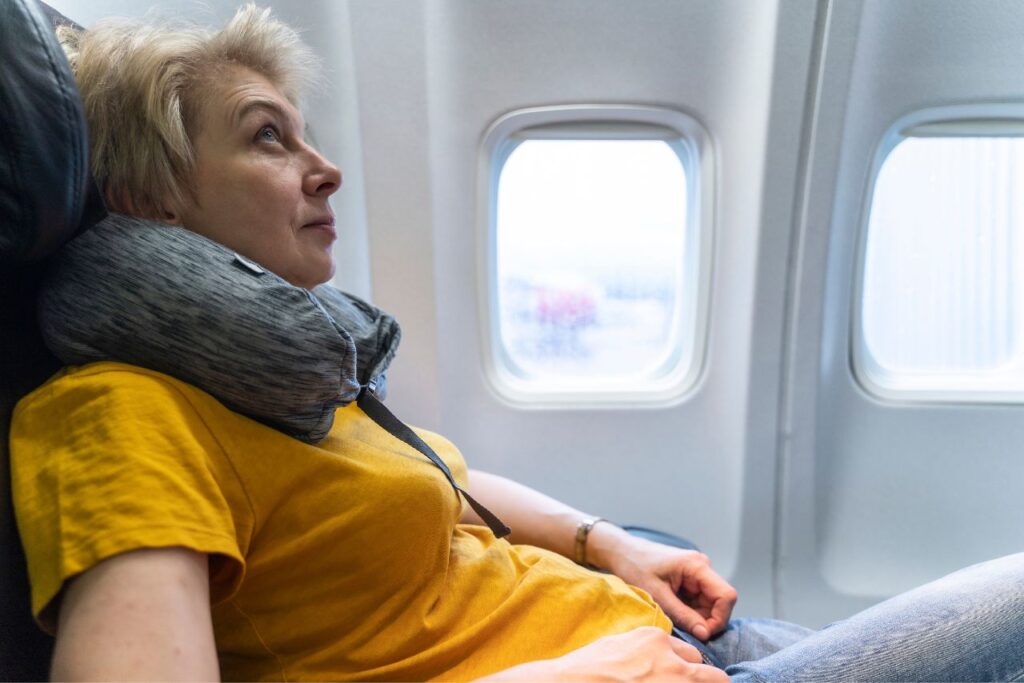
Menopause symptoms can make air travel more challenging than usual. Hot flashes, fatigue, mood swings, and digestive changes can become more noticeable when you are on a plane. The confined space, cabin pressure, and disrupted routines often make these symptoms harder to manage.
Planning ahead can make a big difference in your comfort. You can feel more in control by picking the right flight times, packing the right things, and choosing the best seat. You can also feel better on the flight by using simple tips
In this article, we will look at useful ways to deal with menopause symptoms while flying. We will talk about how to deal with hot flashes, tiredness, mood swings, digestive or joint problems, and how to take care of yourself and take medications to make your trip go more smoothly and comfortably.
Why Air Travel Can Exacerbate Menopause Symptoms
Air travel can make menopause symptoms worse because it puts the body under a lot of new physical and environmental stress. One of the main things is the pressure in the cabin and the lower levels of oxygen. Airplanes are pressurised to a level that is like being 6,000 to 8,000 feet above sea level. This can lower the amount of oxygen in the blood. This can make women who are going through menopause feel more tired, dizzy, and generally uncomfortable.
Another factor is dry cabin air; it usually has very low humidity. This can make hot flashes, night sweats, and dry skin worse. Not having enough moisture in the air can also make you dehydrated, which can make headaches, irritability, and tiredness worse.
Recommended: 10-Minute Daily Menopause Morning Routine
Restricted movement is another issue. Sitting for long periods without stretching or walking can cause joint stiffness, muscle cramps, and bloating. Women going through menopause may feel these physical pains more strongly because of hormonal changes that affect circulation and muscle flexibility.
Finally, changes in time zones and routines can affect how well you sleep and how you feel. The body’s internal clock can get messed up, which can make you sleep poorly and stress you out. This can make symptoms like anxiety, irritability, and hot flashes worse. Changes in meal times and not being able to get your favourite foods on flights can also cause digestive problems like bloating, constipation, or heartburn.
How to Manage Menopause Symptoms While Traveling on Planes
1. Plan Ahead for Comfort
Booking flights that align with your energy levels can make a big difference. It might be easier to deal with flights in the morning or early afternoon than at night. Pick seats that give you more room, like aisle seats so you can easily get to the bathroom and stretch, or bulkhead seats for more legroom. Bringing along things like a light scarf, cooling wipes, or a small fan can help you stay comfortable during the flight.
2. Manage Hot Flashes
Put on clothes that you can easily add or take off as the temperature changes. A small handheld fan, cooling spray, or a chilled scarf are all portable cooling items that can help right away. Stay away from heavy fabrics and tight clothes that can hold in heat. Drinking water regularly can also help lessen the severity of hot flashes.
3. Combat Fatigue and Sleep Disruption
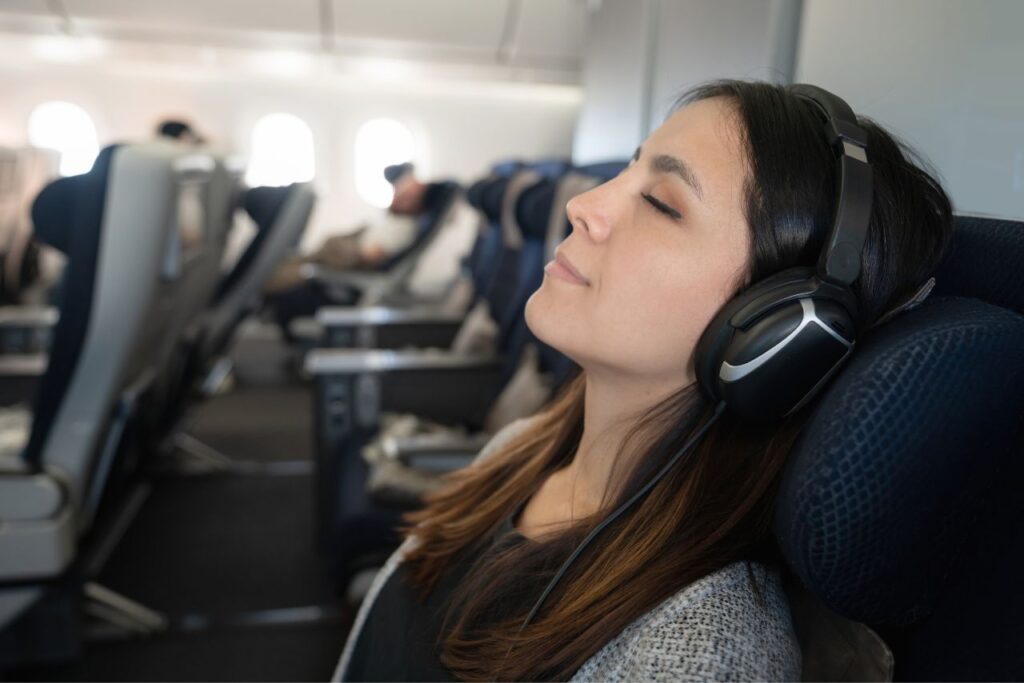
Flying can mess up your sleep cycle, which can make you more tired and irritable. To sleep better on the plane, bring a neck pillow, an eye mask, and headphones that block out noise. Take short naps to help your body get used to different time zones. Cutting back on caffeine and alcohol can also help you have more energy and sleep better.
4. Handle Mood Swings and Stress
Long flights can be stressful, which could make mood swings worse. Practice deep breathing exercises, meditation, or mindfulness techniques during the flight. Using relaxation apps, listening to calming music, or reading a book can also help manage stress and keep your mind calm.
5. Manage Digestive Issues

Menopause can change how your body digests food, and long flights can make bloating or constipation worse. Before and during your flight, eat light foods that are easy to digest. Stay away from too much salt, carbonated drinks, or heavy meals that can make you feel bad. Drinking enough water also helps keep your digestion on track.
6. Reduce Joint and Muscle Discomfort
Sitting for extended periods can increase stiffness and pain. Perform simple stretches in your seat or walk along the aisle when possible. Wearing compression socks can improve circulation and reduce swelling in your legs and feet. Consider using a small cushion for back support to maintain good posture.
Recommended: 10-Minute Daily Menopause Morning Routine
7. Medications and Supplements
Put any medicines or supplements you need in your carry-on bag so you can easily get to them. Make sure you have enough time for any delays that may come up, and if you are crossing multiple time zones, know how to change your schedule. Talk to your doctor before you travel to make sure your treatment plan is safe while you’re on the plane.
8. Be Prepared for Emergencies
Plan ahead for potential symptom flare-ups. Know the location of the flight attendants and be ready to ask for help if needed. Travel insurance that covers medical issues can provide peace of mind in case of unexpected health concerns.
Travel Essentials to Carry for Menopause
When flying during menopause, packing the right essentials can make your journey much more comfortable. Here are some key items to include in your carry-on:
1. Cooling Accessories
- Portable fan or cooling wipes to manage hot flashes on the go.
- Lightweight scarf or shawl that can be used to cover up or cool down as needed.
- Cooling gel packs or a small spray bottle with water to refresh your face and neck.
2. Comfort and Support Items
- Neck pillow and travel blanket to improve rest and reduce stiffness.
- Compression socks to prevent swelling and improve circulation in your legs and feet.
- Seat cushion for additional lower back support during long flights.
3. Hydration and Nutrition
- Reusable water bottle to stay hydrated throughout the flight.
- Healthy snacks like nuts, fruits, or protein bars to prevent blood sugar dips and digestive discomfort.
- Herbal teas or electrolyte powders to combat dehydration and soothe digestion.
4. Personal Care Items
- Moisturizer and lip balm to counteract dry cabin air.
- Hand sanitizer and tissues for hygiene and comfort.
- Feminine hygiene products for convenience, especially during longer flights.
5. Medications and Supplements
- Prescription medications and any supplements you take regularly, in their original packaging.
- Pain relief tablets or anti-inflammatory medication for headaches, cramps, or joint pain.
- Travel-size pill organizer to make dosing easier across time zones.
6. Stress and Relaxation Tools
- Earphones or noise-canceling headphones for relaxation and better sleep.
- Meditation or breathing apps on your phone to manage mood swings and stress.
- Notebook or journal for mindfulness or planning your day while in transit.
Recommended: Easy Meal Prep for Menopause
Post-Flight Recovery
Managing menopause symptoms doesn’t end when the plane lands. Post-flight recovery is essential to help your body adjust and prevent lingering discomfort.
1. Rehydrate and Replenish Nutrients

Air travel can make you dehydrated, which can make hot flashes, tiredness, and headaches worse. Drink a lot of water and consider electrolyte drinks to help your body get back in balance. To help with digestion and keep your blood sugar stable, eat a light, healthy meal that includes fruits, vegetables, and protein.
2. Stretch and Move
After sitting for long periods, your muscles and joints may feel stiff. Gentle stretching, walking, or yoga can relieve tension, improve circulation, and reduce swelling in your legs and feet.
3. Regulate Sleep and Rest
Jet lag and changes in sleep patterns can make you more tired and moody. As soon as you can, try to get used to the local time. Short naps are okay, but avoid oversleeping, and expose yourself to natural light during the day to help reset your internal clock.
Recommended: Strength Training vs Cardio for Menopause Bone Density
4. Manage Hot Flashes and Mood Swings
Continue using cooling strategies like light clothing, fans, or cold water on pulse points. Practice relaxation techniques such as deep breathing, meditation, or listening to calming music to reduce stress and stabilize your mood.
5. Monitor Your Body
Pay attention to any persistent discomfort or unusual symptoms. Menopause can bring new challenges, and recognizing changes early can help you manage them effectively. Keep your medications handy in case you need them, and don’t hesitate to consult a healthcare professional if necessary.
Conclusion
Travelling while going through menopause can be hard, but with the right planning and strategies, it is completely doable. You can make your trip more enjoyable by planning ahead, bringing the things you need, using coping strategies on the plane, and taking time to recover after the flight.
Listening to your body, staying hydrated, and practicing self-care throughout your trip will help ensure a smoother, more comfortable travel experience. With these steps, air travel can become a manageable and even enjoyable part of life during menopause.