
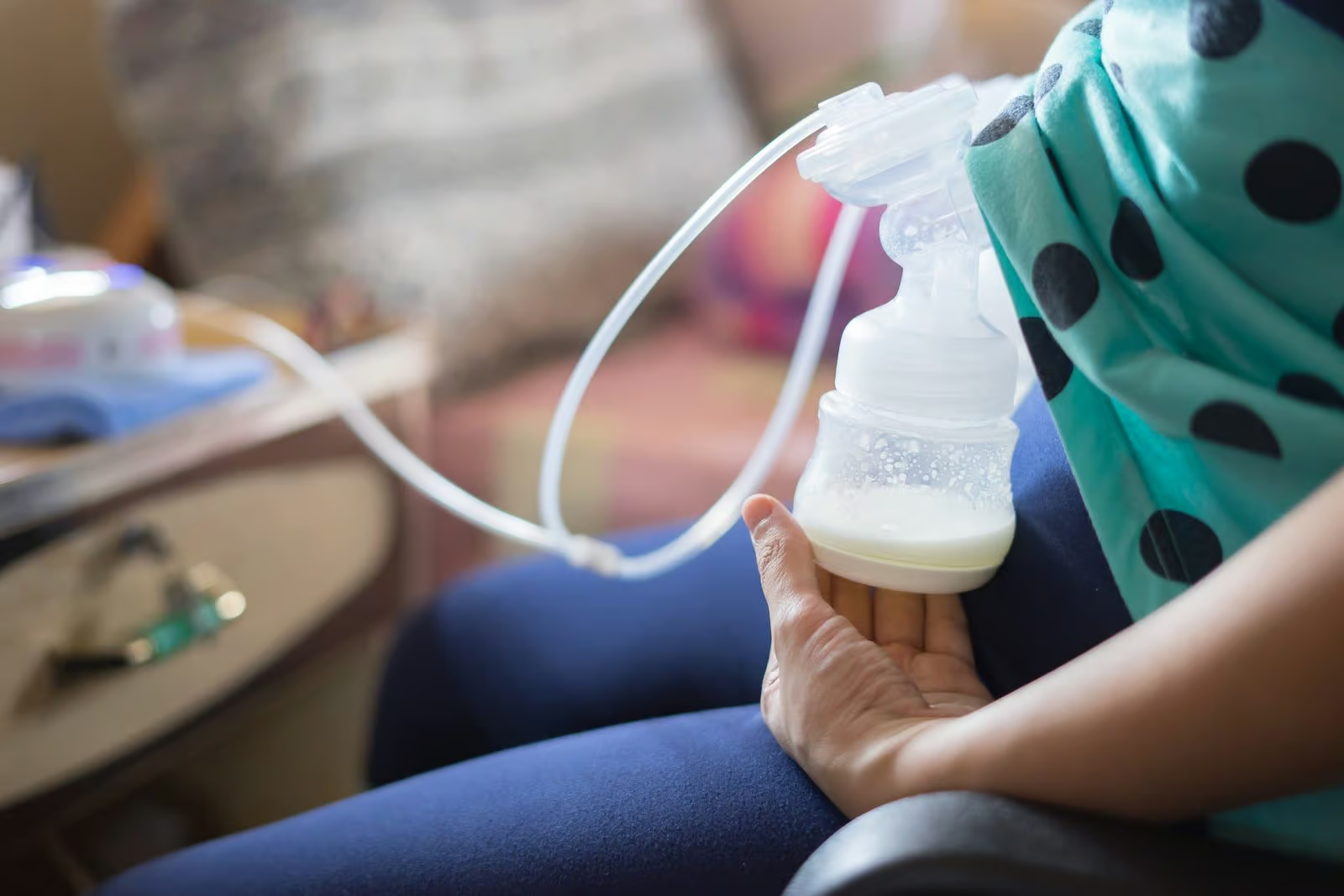
Breast Pumps technology has become an essential support system for breastfeeding mothers, especially those who are preparing to return to work. Balancing a job while continuing to provide breast milk for a baby can be demanding, and having the right pump can make the process more comfortable, efficient, and less stressful. Hands-free breast pumps have become especially popular because they allow mothers to express milk discreetly while staying productive during the day.
These modern pumps are designed to fit inside a bra, giving users the freedom to move around, attend meetings, or complete tasks without being tied to a traditional pumping setup. With improvements in portability, suction strength, and battery life, hands-free options are now a practical choice for many working moms. However, not all pumps offer the same level of comfort, performance, or convenience, which makes choosing the right one very important.
Here, we will delve into the best hands-free breast pumps for returning to work, the key features to look out for, the different types available in the market, how to choose the right pump based on your job environment and personal needs, along with helpful tips for pumping efficiently while maintaining milk supply during a busy work schedule.
What Is a Hands-Free Breast Pumps?
A hands-free breast pump is a type of breast pump designed to allow mothers to express milk without needing to hold the device in place during use. Unlike traditional electric pumps that require the user to sit still and manually support the bottles or flanges, a hands-free pump fits directly inside a nursing bra or pumping bra, securing itself in position. This setup allows the user to continue with light activities such as working, reading, or moving around while pumping.
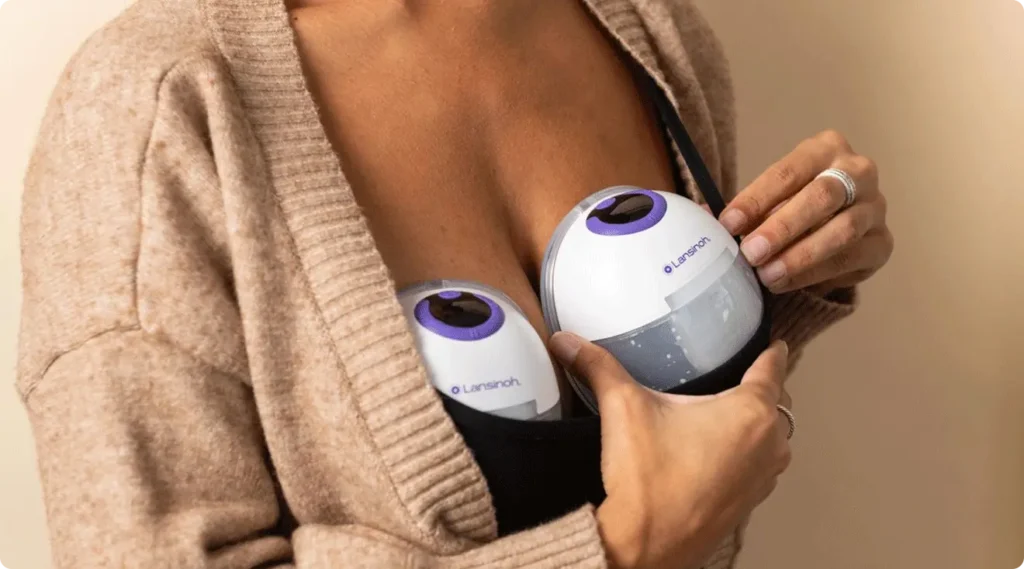
Most hands-free breast pumps are wearable and compact, often consisting of small motor units, collection cups, and built-in suction systems. They are designed to be discreet, lightweight, and portable, making them especially useful for working mothers who need flexibility during the day. Many models are also rechargeable and cordless, which further improves convenience.
Recommended: Best Postpartum Gifts for Mom
In simple terms, a hands-free breast pumps is designed to make breastfeeding expression easier, more flexible, and less disruptive to daily routines. It helps mothers save time and maintain milk supply while managing work, home responsibilities, and personal comfort at the same time.
Why Hands-Free Breast Pumps Matter When Returning to Work
Returning to work after maternity leave often comes with the challenge of maintaining a consistent breastfeeding or pumping routine while managing job responsibilities. A hands-free breast pump helps bridge this gap by allowing mothers to express milk without stopping their workflow. This flexibility is especially important in workplaces with limited break time or busy schedules, where stepping away frequently may not be practical.
One of the biggest advantages of hands-free breast pumps is the ability to multitask. Since the pump fits inside a bra and does not require constant holding, mothers can continue with light tasks such as answering emails, attending virtual meetings, or organizing their workspace while pumping. This helps reduce interruptions during the workday and makes pumping feel less disruptive.
Hands-free breast pumps also provide a level of discretion and privacy that traditional pumps often lack. Many modern designs are quiet and compact, allowing mothers to pump more comfortably even in shared or semi-public office environments. This can reduce stress and help create a more relaxed pumping experience, which is important for maintaining milk flow.
In addition, the portability and cordless design of many hands-free pumps make them ideal for commuting and office use. They eliminate the need for bulky equipment and give working mothers more control over when and where they pump. This convenience supports both productivity and breastfeeding consistency, making the transition back to work smoother and more manageable.
Recommended: Postpartum Wardrobe Tips for New Moms
Key Features to Look for in a Work-Friendly Breast Pumps
When choosing a breast pump for work, it is important to focus on features that support efficiency, comfort, discretion, and flexibility. A work-friendly pump should fit into a busy schedule while still maintaining milk supply and making pumping sessions as smooth as possible.
1. Battery Life and Charging Convenience
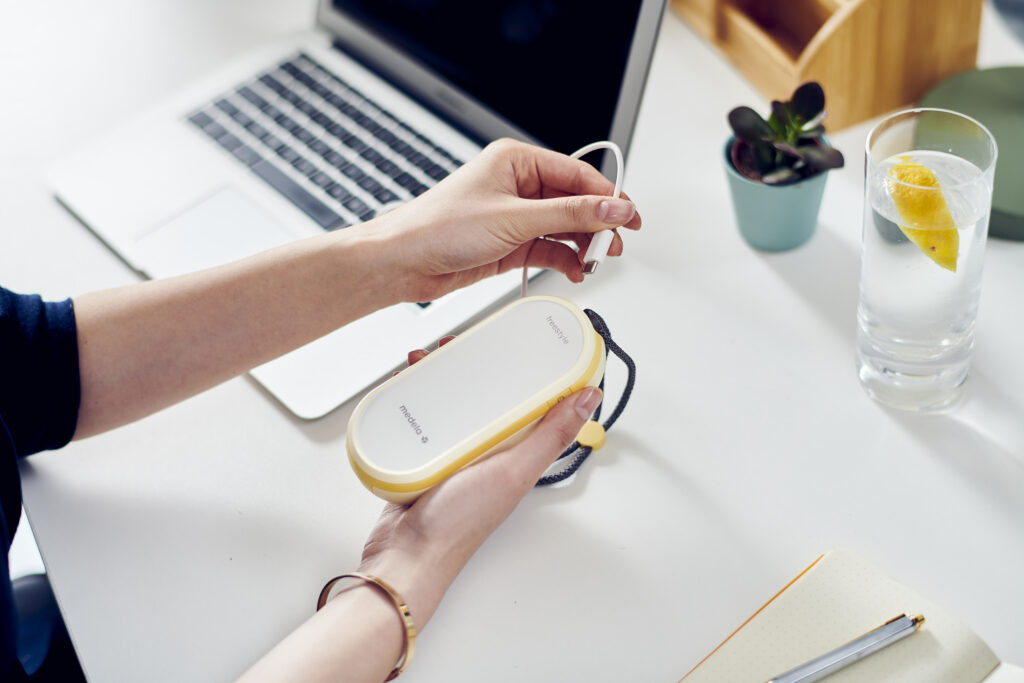
A strong battery life is essential for working mothers who may not always have access to a power outlet. Look for pumps that can last through multiple pumping sessions on a single charge, ideally covering a full workday. USB or fast charging options are also helpful because they make it easier to recharge at the office, in a car, or during short breaks without interrupting your routine.
2. Noise Level (Important for Office Use)
Noise level matters a lot in shared offices or quiet environments. A good work-friendly pump should operate quietly enough to avoid drawing attention or disrupting meetings. Many effective breast pumps aim for low decibel levels similar to a quiet room, allowing for more discreet pumping during the workday.
3. Portability and Discreet Design
Portability is key when moving between home, work, and commuting. Lightweight, compact, and wearable pumps are easier to carry in a bag and set up quickly during breaks. Hands-free and in-bra designs are especially useful because they allow mothers to pump while continuing light tasks without being tied to a machine.
Recommended: Is It Bad to Wear Tight Pants Postpartum?
4. Milk Capacity and Suction Strength
A good pump should balance milk collection capacity with effective suction strength. Adequate suction ensures efficient milk expression in a short time, which is important when work breaks are limited. Adjustable suction levels and pumping modes also help customize comfort and improve milk output for different body needs.
5. Comfort and Flange Fit
Comfort is one of the most important factors for consistent pumping. The flange must fit properly to avoid pain, nipple damage, and low milk output. Many experts recommend pumps that offer multiple flange sizes or inserts to ensure a better fit. A well-fitted pump not only improves comfort but also increases efficiency during each session.
Types of Hands-Free Breast Pumps for Working Moms
Hands-free breast pumps come in different designs, and each type offers a different balance between mobility, milk output, comfort, and discretion. Choosing the right one depends on your work environment, how often you pump, and whether you prioritize convenience or efficiency.
Wearable in-Bra Pumps (True Hands-Free)
Wearable in-bra pumps are fully self-contained units that fit directly inside your bra. The motor, suction system, and milk collection cups are all built into one compact device, allowing you to move around freely while pumping without tubing or external parts.
Pros:
- Completely cordless and tubeless
- Very discreet under clothing
- Allows full mobility and multitasking during work
- Easy to use during short office breaks
Recommended: Best Clothes to Wear Postpartum After a C-Section
Cons:
- Can be less efficient than traditional pumps for some users
- Higher cost compared to standard pumps
- Fit and flange sizing can be more difficult to adjust
- May not fully empty the breast for all users
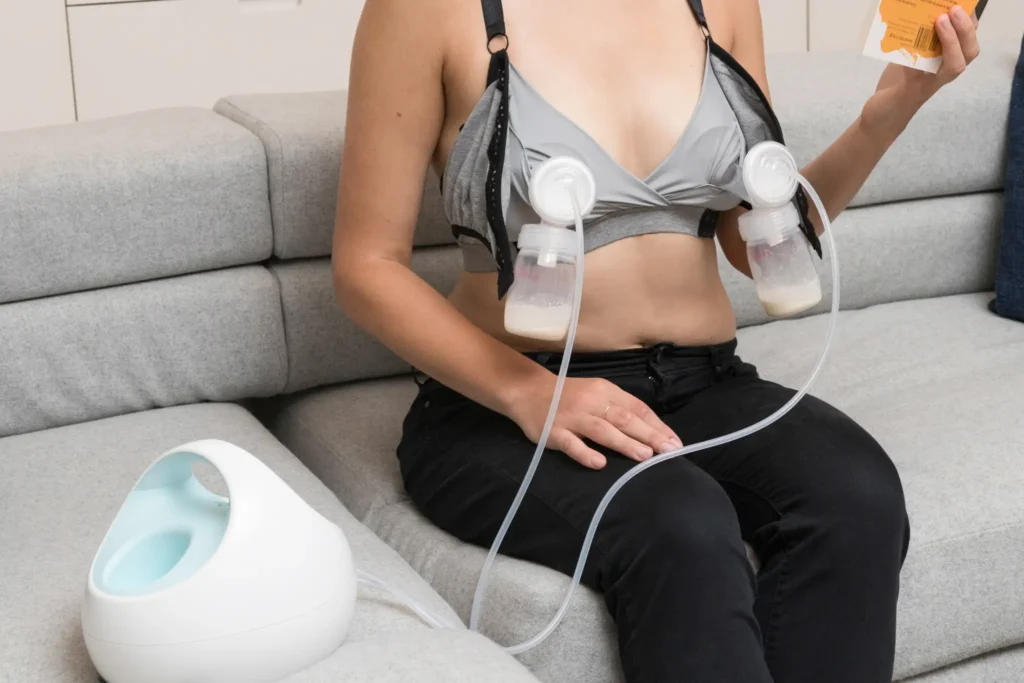
Pumping Bra + Traditional Electric Pumps
This setup uses a regular electric breast pump combined with a hands-free pumping bra that holds the flanges in place. The motor is usually external and connected by tubing, but your hands remain free during pumping sessions.
Pros:
- Stronger suction and often better milk output
- More reliable for maintaining milk supply
- Generally more affordable than wearable pumps
- Easier to adjust flange fit and positioning
Cons:
- Less portable due to tubing and external motor
- Not as discreet in a workplace setting
- Requires a more fixed pumping space
- Slightly more setup time before each session
Hybrid Portable Pumps
Hybrid portable pumps combine features of wearable and traditional pumps. They often have compact motors that clip onto clothing or fit in a pocket, with cups that sit inside the bra and connect through short tubing or minimal external parts.
Pros:
- Balance between mobility and pumping efficiency
- More discreet than traditional pumps but more powerful than full wearables
- Flexible for office, home, and commuting use
- Better milk output than many fully wearable models
Cons:
- Still has some tubing or external parts
- Not as completely hands-free as in-bra pumps
- Can take time to find the right setup for comfort
Best Hands-Free Breast Pumps for Returning to Work
Choosing the best hands-free breast pump for work depends on discretion, battery life, suction strength, comfort, and portability, especially since working moms need something that fits easily into a busy schedule without affecting milk supply or productivity.
1. Elvie Pump
The Elvie Pump is one of the most popular wearable breast pumps for working mothers because of its ultra-quiet operation and completely in-bra design. It has no tubes or external motors, making it very discreet during meetings or shared office spaces. It also connects to an app so you can monitor pumping time and milk volume without touching the device.
Recommended: What Are Practical Strategies for Incorporating Baby into Postpartum Fitness Routines?
Why it works for work:
- Very quiet and discreet
- Fully wearable and hands-free
- App control for convenience
2. Willow Go
The Willow Go is designed for active use, allowing mothers to move around without worrying about leaks or spills. It fits inside the bra and offers strong suction, making it a solid choice for longer work shifts or busy schedules.
Why it works for work:
- Good leak-resistant design
- Strong suction for efficient pumping
- Allows movement during pumping sessions
3. Momcozy M5
The Momcozy M5 is widely used by working moms who want a balance between affordability and performance. It offers multiple suction modes and a comfortable in-bra fit, making it practical for daily office pumping.
Why it works for work:
- Affordable compared to premium brands
- Decent suction strength for regular use
- Easy to carry and charge
4. Eufy S1 Pro
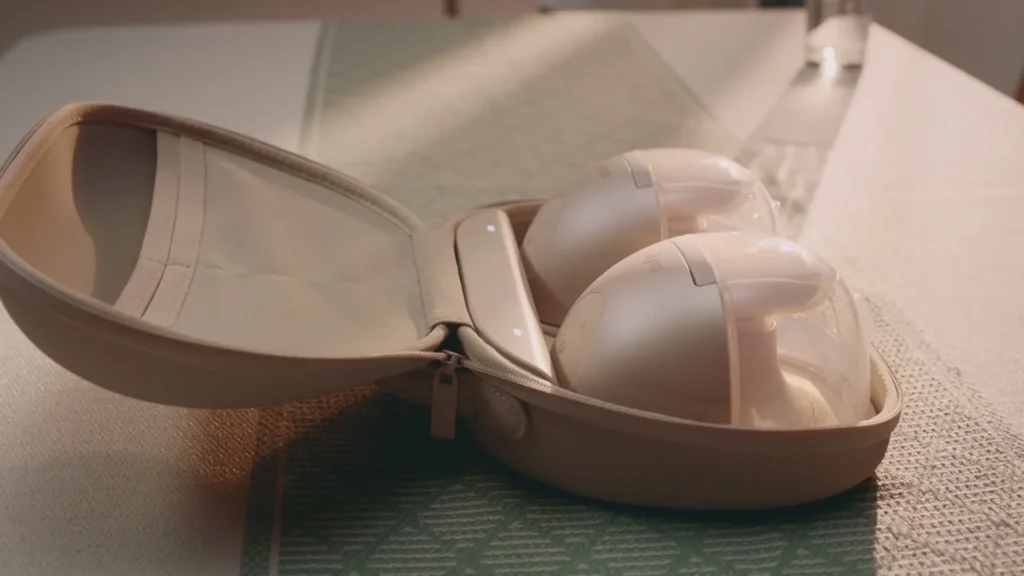
The eufy S1 Pro is a newer-generation wearable pump designed with comfort-focused technology, including quiet operation and app-controlled settings. It is built for longer use sessions and is becoming popular among working professionals who pump multiple times a day.
Recommended: Best Brush for Postpartum Hair Loss
Why it works for work:
- Very quiet and modern design
- Long battery life for workdays
- Smart app control
5. Medela Freestyle Hands-Free (Best Hybrid Option)
The Medela Freestyle Hands-free is a hybrid style pump that combines wearable collection cups with a small external motor. It offers stronger and more consistent milk expression, which is helpful for maintaining supply during work hours.
Why it works for work:
- Strong suction for reliable output
- More consistent milk removal
- Trusted medical-grade brand
Tips to Maximize Milk Supply While Working
- Pump at consistent intervals, ideally every 2 to 3 hours during the workday
- Do not skip pumping sessions, even if work becomes busy or stressful
- Use both breasts during each pumping session to fully stimulate milk production
- Make sure your breast pump flange fits properly to avoid reduced milk output
- Stay well hydrated throughout the day by drinking water regularly
- Eat balanced meals with enough calories, protein, and healthy fats to support lactation
- Try to relax during pumping sessions, since stress can affect let-down and milk flow
- Look at photos or videos of your baby to help trigger milk release
- Massage your breasts gently before and during pumping to improve flow
- Ensure your pump settings are optimized, starting with stimulation mode before switching to expression mode
- Avoid long gaps between feeds or pumping sessions, especially in the early months
- Get enough rest whenever possible, since fatigue can affect milk production
- Store milk properly at work to avoid waste and maintain pumping consistency
- Build a pumping routine that matches your work schedule and stick to it daily
- Use a hands-free breast pump or pumping bra to make sessions easier and more consistent
Conclusion
Returning to work while continuing to breastfeed can feel overwhelming, but the right hands-free breast pump can make the transition much smoother. These pumps are designed to give working mothers the freedom to express milk discreetly, efficiently, and comfortably without disrupting their daily responsibilities. With options ranging from fully wearable devices to hybrid systems, there is a solution for different work environments and personal needs.
Ultimately, the best choice depends on your lifestyle, comfort, and how your body responds to pumping. Factors such as battery life, suction strength, portability, and noise level all play an important role in ensuring a stress-free experience at work. Choosing a pump that fits well and supports your routine can help you maintain a healthy milk supply while staying productive in your career.
With the right setup and consistent pumping habits, balancing work and breastfeeding becomes far more manageable. Hands-free breast pumps not only save time but also give mothers the confidence and flexibility to continue their breastfeeding journey even in a busy professional environment.