
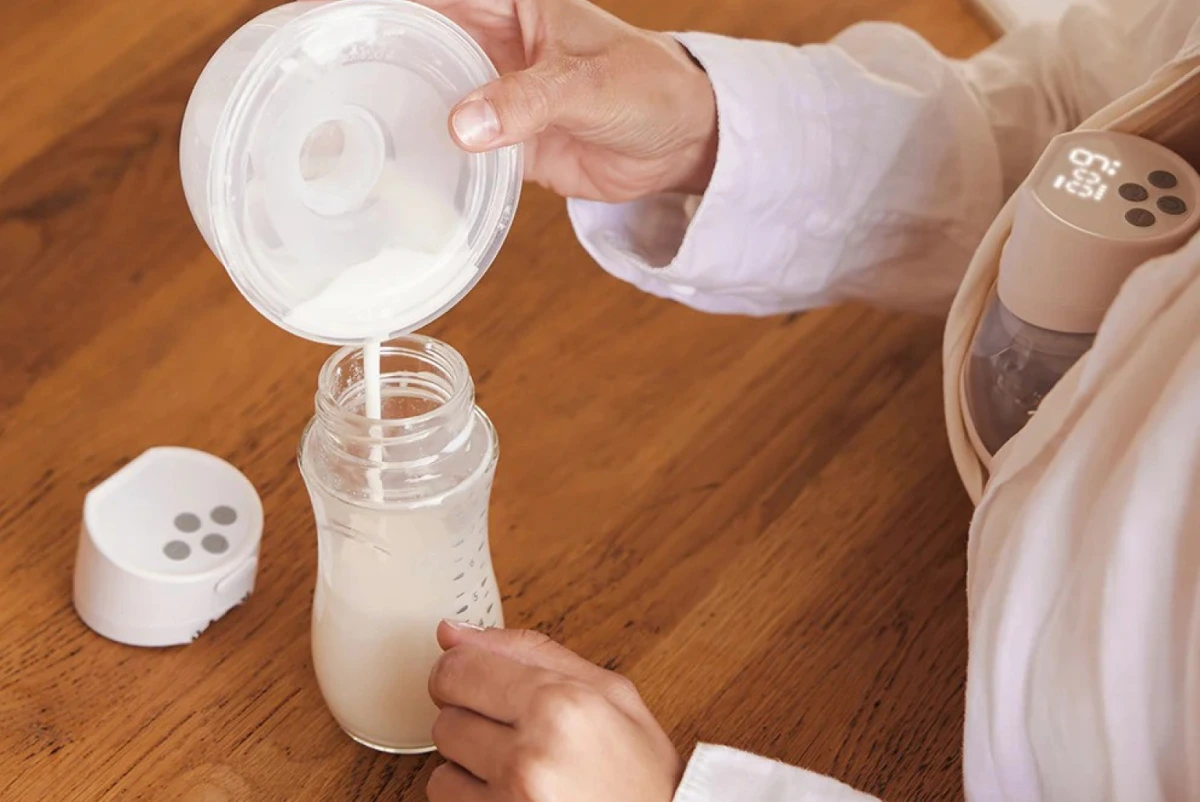
Breast pumping has become an essential part of the breastfeeding journey for many mothers. Whether you are returning to work, building a freezer stash, increasing your milk supply, or feeding a baby who has difficulty latching, pumping offers flexibility while ensuring your baby continues to receive the benefits of breast milk.
Although breast pumping may appear straightforward, it often comes with a learning curve. Factors such as using the wrong equipment, pumping too infrequently, or choosing incorrect pump settings can affect both comfort and milk production. These mistakes are common, especially for first time mothers, but they can usually be corrected with the right knowledge.
Developing good pumping habits can make the experience more comfortable and productive. From selecting the correct flange size to maintaining a consistent schedule and properly cleaning pump parts, small adjustments can have a significant impact on your pumping success. Knowing what to avoid can also help prevent issues such as sore nipples, clogged milk ducts, and reduced milk supply.
In this article, we will explore the most common pumping mistakes, explain how they can affect your breastfeeding journey, and share practical tips to help you avoid them for a more effective, comfortable, and successful pumping experience.
Why Proper Pumping Technique Matters
Using the correct breast pumping technique is essential for maintaining a healthy milk supply and making each pumping session as effective as possible. When a breast pump is used properly, it helps stimulate milk production, encourages a strong letdown reflex, and allows the breasts to empty more completely. This not only ensures your baby receives enough breast milk but also signals your body to continue producing an adequate supply.
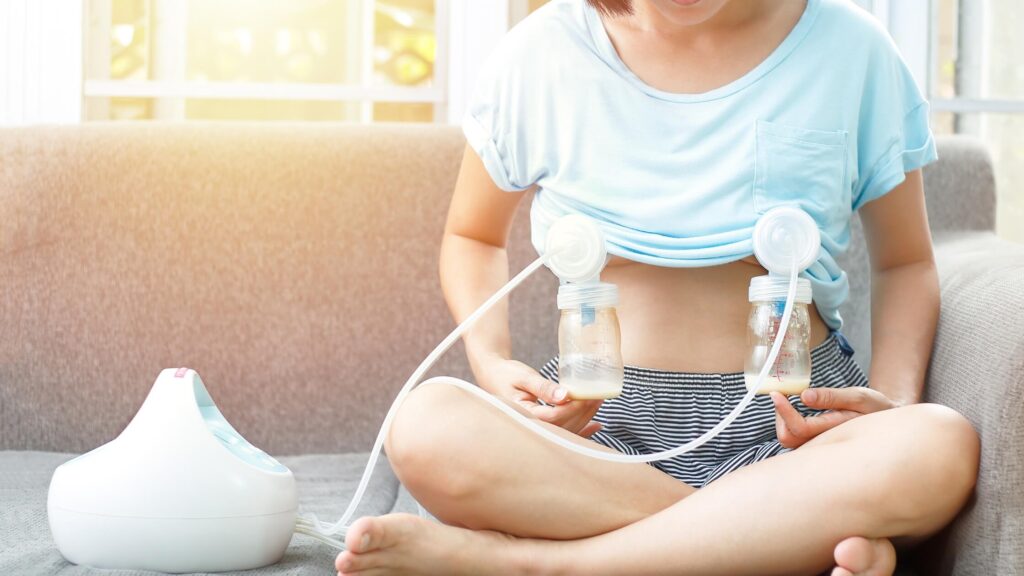
Proper pumping technique also helps prevent discomfort and common breastfeeding complications. Using the correct flange size, positioning the pump correctly, and selecting comfortable suction settings can reduce the risk of nipple pain, breast soreness, clogged milk ducts, and even mastitis. Pumping should never be excessively painful, and persistent discomfort often indicates that something needs to be adjusted.
Recommended: Why is My Breast Milk Supply Decreasing?
In addition to protecting your breast health, effective pumping saves time and improves efficiency. Mothers who use proper techniques often express more milk in less time, making it easier to fit pumping sessions into busy daily routines. This can be especially important for working mothers or those who pump multiple times each day.
Common Pumping Mistakes and How to Avoid Them
1. Using the Wrong Flange Size
Using the wrong flange size is one of the most common reasons mothers experience discomfort while pumping. A flange that is too small can cause the nipple to rub against the sides of the tunnel, leading to pain, soreness, and even cracks. On the other hand, a flange that is too large can pull too much of the areola into the tunnel, reducing suction efficiency and making it harder to express milk.
How to avoid it:
- Measure your nipple diameter before purchasing or changing flange sizes.
- Choose a flange that allows your nipple to move freely without excessive rubbing.
- Ensure your nipple remains centered while pumping.
- Replace your flange if you notice discomfort, poor milk output, or swelling, as your nipple size may change during breastfeeding.
2. Using Suction That Is Too High
Many mothers assume that increasing the suction to the highest setting will help them pump more milk. In reality, excessive suction can damage the nipples, cause bruising, and make pumping painful. Pain can also interfere with the release of oxytocin, the hormone responsible for milk letdown, making milk flow slower instead of faster.
How to avoid it:
- Begin with your pump’s stimulation or massage mode if available.
- Gradually increase the suction until it feels strong but remains comfortable.
- Avoid pumping through pain, as discomfort is a sign that the settings may be too high.
- Remember that comfortable pumping is usually more productive than painful pumping.
Recommended: Best Hands-Free Breast Pumps for Returning to Work
3. Pumping Too Infrequently
Breast milk production depends on supply and demand. When milk is removed regularly, your body receives the signal to continue producing it. Long gaps between pumping sessions or frequently skipping sessions can gradually decrease your milk supply.
How to avoid it:
- Establish a consistent pumping schedule, especially if your baby is not nursing directly.
- Pump every two to four hours for newborns or as recommended by your healthcare provider.
- Set reminders if you tend to forget pumping sessions.
- If you miss one session, try not to make it a habit and resume your schedule as soon as possible.
4. Pumping for Too Long or Too Short a Time
Stopping a pumping session too early may leave milk in the breasts, while pumping for an extended period after milk has stopped flowing may cause soreness without increasing milk production. Finding the right balance is important for both comfort and maintaining milk supply.
How to avoid it:
- Most pumping sessions should last between 15 and 20 minutes.
- Continue pumping for a few minutes after milk flow slows if you are trying to increase your supply.
- End the session when your breasts feel soft and milk flow has nearly stopped.
- Avoid pumping excessively long sessions unless advised by a lactation consultant.
5. Skipping Breast Massage Before and During Pumping

Breast massage is often overlooked, yet it can significantly improve milk removal. Massaging the breasts before and during pumping stimulates the milk ejection reflex and helps loosen milk trapped in the ducts. Without massage, some milk may remain in the breasts, which can gradually reduce milk production and increase the risk of clogged ducts.
Recommended: Does Magnesium Affect Breast Milk Production?
How to avoid it:
- Massage your breasts gently for two to five minutes before pumping.
- Apply a warm compress or take a warm shower beforehand to encourage milk flow.
- Use breast compressions during pumping by gently squeezing different areas of the breast as milk flow slows.
- Focus on any firm or full areas without applying excessive pressure.
- Hand express any remaining milk if your breasts still feel full after pumping.
6. Not Emptying the Breasts Completely
Leaving a significant amount of milk in the breasts tells your body that less milk is needed, which can gradually decrease your milk supply. Incomplete emptying may also contribute to clogged milk ducts and increase the risk of mastitis.
How to avoid it:
- Pump until your breasts feel noticeably softer.
- Switch breasts if pumping one side at a time.
- Continue pumping for a few extra minutes if milk is still flowing.
- Use gentle hand expression after pumping to remove any remaining milk.
7. Poor Cleaning and Maintenance of Pump Parts
Breast pump parts come into direct contact with breast milk, making proper cleaning essential. Dirty pump parts can harbor bacteria, mold, and other harmful microorganisms that may contaminate expressed milk. In addition, worn or damaged parts can reduce suction and decrease pumping efficiency.
How to avoid it:
- Wash all pump parts that come into contact with breast milk after every use.
- Allow parts to air dry completely before storing them.
- Sterilize pump components regularly according to the manufacturer’s instructions.
- Inspect valves, membranes, and tubing frequently for signs of wear and replace them as needed.
8. Using Worn-Out Pump Parts
Even a high-quality breast pump will not perform well if its parts are worn out. Valves, membranes, connectors, and tubing naturally wear down over time, reducing suction strength and making milk expression less effective.
Recommended: Can I Take Magnesium While Breastfeeding?
How to avoid it:
- Inspect pump parts regularly for cracks, tears, or stretching.
- Replace small parts such as valves and membranes according to the manufacturer’s recommendations.
- Keep spare replacement parts on hand if you pump frequently.
- If you notice a sudden decrease in milk output, check your pump parts before assuming your milk supply has dropped.
9. Pumping While Stressed or Uncomfortable
Stress, anxiety, and physical discomfort can interfere with the release of oxytocin, making it harder for milk to flow during pumping. Even if your breasts contain plenty of milk, stress can delay or reduce your letdown reflex.
How to avoid it:
- Pump in a quiet and comfortable environment whenever possible.
- Practice deep breathing before beginning your session.
- Look at pictures or videos of your baby to help stimulate letdown.
- Listen to calming music, read a book, or use relaxation techniques while pumping.
- Stay hydrated and avoid rushing through your pumping sessions.
10. Ignoring Pain or Discomfort During Pumping
Many mothers believe that pain is a normal part of pumping, but this is not true. Persistent pain often indicates an issue with flange size, suction settings, pump positioning, or an underlying breastfeeding problem. Ignoring pain can lead to nipple damage, reduced pumping frequency, and decreased milk supply.
How to avoid it:
- Stop pumping if you experience severe pain.
- Check that the flange fits properly and your nipple is centered.
- Lower the suction if pumping feels uncomfortable.
- Ensure the pump is assembled correctly and functioning properly.
- Consult a lactation consultant or healthcare provider if pain continues despite making adjustments.
When to Seek Professional Help

While many pumping challenges can be resolved by adjusting your technique, schedule, or equipment, some issues require guidance from a healthcare professional. Seeking help early can prevent minor problems from becoming more serious and support a more comfortable pumping experience.
Recommended: Key Signs Of Infection After Breast Surgery
- You should seek professional help if you experience persistent pain during or after pumping, as pumping should not be consistently painful.
- You should consult a healthcare provider if you notice ongoing nipple soreness, cracked skin, or bleeding that does not improve with basic adjustments.
- You should get help if your milk supply remains low despite consistent pumping, proper hydration, and correct pump usage.
- You should speak to a lactation consultant if you are unable to increase your milk output even after trying different pumping techniques.
- You should seek medical attention if you experience recurring clogged ducts that do not resolve within 24 to 48 hours.
- You should visit a healthcare provider immediately if you develop signs of mastitis such as breast redness, warmth, swelling, fever, or chills.
- You should consult your baby’s pediatrician if your baby is not gaining weight properly while being fed expressed breast milk.
- You should ask for professional guidance if you are unsure whether your pump or flange size is appropriate for your body.
- You should seek medical care if you notice unusual nipple discharge, pus, or signs of breast infection.
- You should not ignore severe breast pain, persistent lumps, or swelling that does not improve after emptying the breast.
- You should reach out for emotional or mental health support if pumping is causing ongoing stress, anxiety, or feelings of being overwhelmed.
- You should remember that early professional support can prevent complications and make the pumping journey safer and more comfortable.
Conclusion
Breast pumping can be a smooth and effective process when done correctly, but small mistakes can lead to discomfort, low milk supply, and unnecessary stress. By understanding common pumping errors and learning how to avoid them, mothers can improve both comfort and milk expression results. It is also important to remember that every body responds differently to pumping, so patience and consistency are key.
When challenges persist despite making adjustments, seeking professional help from a lactation consultant or healthcare provider can make a significant difference. Ultimately, proper guidance, good equipment use, and self-care all work together to support a successful pumping journey.