

Tubal pregnancies occur when a fertilized egg implants outside the uterus, most commonly in the fallopian tube instead of the womb. This pregnancy is also called ectopic pregnancy and it cannot develop properly because the fallopian tube is not designed to support a growing embryo. This is a medical condition that needs to be attended to early to prevent serious complications.
One of the most confusing things for a lot of women is that a tubal pregnancy can still produce pregnancy hormones. This means that a home pregnancy test can still be positive even though the pregnancy is not in the uterus. Many people think everything is fine at first, which is why it can delay seeking medical help.
But an ectopic pregnancy is very different from a normal pregnancy, especially in how the symptoms appear and how the pregnancy hormone levels rise. Some women may experience abnormal pain, bleeding or delayed changes in pregnancy test results, which can be warning signs that something is not right.
In this article, we explain whether tubal pregnancies show up on pregnancy tests, how these tests work, why you may still get positive results, symptoms to look for, and how doctors diagnose and treat ectopic pregnancies.
What Are Tubal Pregnancies?
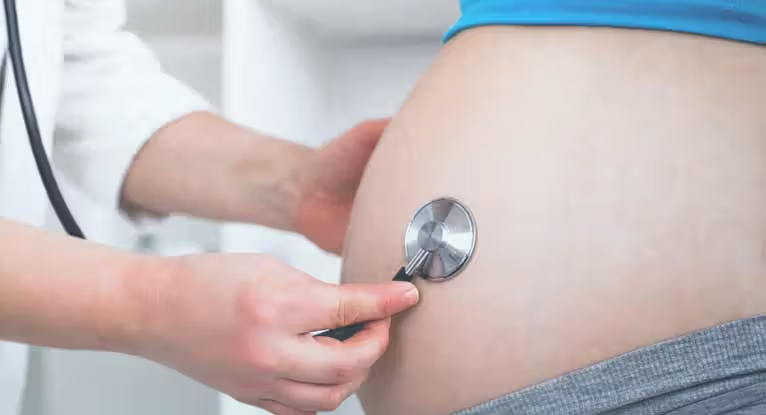
Tubal pregnancy is a type of pregnancy where the fertilized egg implants and begins to grow inside the fallopian tube instead of the uterus (womb). This happens when the egg does not successfully travel down the tube to reach the uterus for normal implantation.
Recommended: Can UTI Cause a False Positive Pregnancy Test?
In a healthy pregnancy, the fertilized egg attaches to the lining of the uterus, which is designed to support the growth of the embryo. However, in a tubal pregnancy, the fallopian tube cannot support this growth because it is too narrow and not built for expansion.
This condition is also called an ectopic pregnancy. As the embryo grows, it can cause damage to the fallopian tube, leading to severe pain and internal bleeding if not treated early.
Do Tubal Pregnancies Produce hCG?
Yes, tubal pregnancies do produce hCG (human chorionic gonadotropin) which is the same hormone that is produced in a normal pregnancy. If the fertilized egg implants in the fallopian tube instead of the uterus , this hormone is released . Because of this, the body still acts as though pregnancy has started, which is why pregnancy tests can detect it.
But the hCG level in a tubal pregnancy often rises more slowly than a normal uterine pregnancy. hCG levels in a normal pregnancy generally double every 48 to 72 hours, but in an ectopic pregnancy, the increase may be slower, irregular, or lower than normal. One of the main things the doctors look for when they are trying to suspect a tubal pregnancy is this difference.
Presence of hCG does not mean that pregnancy is progressing normally. Doctors confirm an ectopic pregnancy by the abnormal rise or plateau of the hormone, the symptoms and ultrasound findings. That’s why hCG alone cannot tell you where the pregnancy is located, just that a pregnancy is there.
Recommended: Can Too Much Pee on a Pregnancy Test Make It Negative?
Can Tubal Pregnancies Show a Positive Pregnancy Test?
Yes, a pregnancy test can be positive in a tubal pregnancy, because the body continues to produce the hormone hCG (human chorionic gonadotropin) after a fertilized egg implants. Pregnancy tests detect the hormone in blood or urine. The hormone is still released into the blood stream and urine even if the pregnancy is in the fallopian tube and not the uterus. And this is why many women who have tubal pregnancies initially think they are having a normal pregnancy.
But a positive test can not tell you where the pregnancy is or whether it’s progressing normally. In a tubal pregnancy, levels of hCG may increase more slowly or irregularly than in a normal pregnancy, sometimes giving faint or inconsistent test lines. Therefore, diagnostic tests such as ultrasound scans and blood hCG measurements are needed to determine the exact location of the pregnancy and to ensure the correct treatment.
Early Symptoms of Tubal Pregnancy

Early tubal pregnancy symptoms can be difficult to recognize at first because they often look similar to normal early pregnancy signs. However, as the pregnancy develops outside the uterus, the body begins to show warning signs that something is wrong.
1. Abdominal or Pelvic Pain
This is one of the earliest and most common symptoms. The pain is usually sharp or stabbing and often felt on one side of the lower abdomen. It may start mild and gradually become more intense as the pregnancy grows in the fallopian tube. Unlike normal pregnancy discomfort, this pain tends to persist and worsen over time.
Recommended: Is Spotting a Sign of Early Pregnancy or Miscarriage?
2. Vaginal Spotting or Abnormal bleeding
Many women notice light bleeding that is different from a normal menstrual period. It may be brown, pink, or light red and can come and go. This happens because the pregnancy is not properly developing in the uterus, leading to unstable hormone support for the uterine lining.
3. Shoulder Tip Pain
This is a less common but serious symptom. It occurs when internal bleeding irritates the diaphragm, which can cause referred pain in the shoulder area. It is often a warning sign of internal bleeding and should not be ignored.
4. Dizziness or Fainting
As the fallopian tube stretches or ruptures, internal bleeding can reduce blood flow in the body. This may lead to dizziness, weakness, or even fainting. These symptoms are medical emergencies and require immediate attention.
5. Gastrointestinal Discomfort
Some women may experience nausea, bloating, or abdominal discomfort that feels different from typical morning sickness. This can happen as the body reacts to the abnormal pregnancy location and internal irritation.
Risks of Ignoring a Tubal Pregnancy

Ignoring a tubal pregnancy can lead to serious and life-threatening complications because the condition does not resolve on its own. As the pregnancy grows in the fallopian tube, it can damage surrounding tissues and quickly become a medical emergency if not treated early.
Recommended: How to Plan Pregnancy With Irregular Cycles
- Rupture of the fallopian tube leading to severe internal bleeding
- Life-threatening blood loss and shock if bleeding is not controlled
- Severe abdominal pain that suddenly worsens
- Dizziness, fainting, or collapse due to internal bleeding
- Damage or loss of the fallopian tube
- Reduced future fertility or difficulty getting pregnant again
- Risk of infection if tissue is damaged or treatment is delayed
Can You Have a Normal Pregnancy After a Tubal Pregnancy?
Yes, you can have a normal pregnancy after a tubal (ectopic) pregnancy. After proper treatment and recovery, many women go on to have healthy pregnancies and deliveries. But the chances of a successful pregnancy depend on the timing of the treatment of the ectopic pregnancy, whether one or both fallopian tubes were affected and the woman’s overall reproductive health.
Following treatment, whether surgical or medicinal, doctors generally recommend waiting a period of time before trying to conceive again. This allows the body to heal normally and reduces the chance of another ectopic pregnancy. There are many times that natural conception is still very possible if one fallopian tube is healthy and open.
Although there is a small increase in the risk of another tubal pregnancy in the future, regular early medical checkups in subsequent pregnancies can help to ensure early detection and proper management. With the right care and monitoring, many women go on to have perfectly normal pregnancies after an ectopic pregnancy.
Conclusion
Tubal pregnancy . An ectopic pregnancy where the fertilized egg implants in the fallopian tube rather than the uterus. However a pregnancy test can still be positive because of the hCG, but the pregnancy can’t grow normally and you won’t have a healthy baby. This is why it is so important not to just rely on a home pregnancy test to determine if a pregnancy is healthy or in the right place.
Early detection and medical care are very important to avoid serious complications such as internal bleeding, fallopian tube rupture and damage to fertility. Most women recover well with prompt treatment and appropriate follow-up, and may still have normal pregnancies in the future.