

Microplastic exposure is becoming an increasing concern as tiny plastic particles are now present in food, water, and even the air we breathe. These particles are so small that they can enter the body through ingestion, inhalation, and skin contact, potentially causing harm to various organs over time.
Sperm motility, or the ability of sperm to move well, is very sensitive to toxins in the environment, such as microplastics. Studies show that these particles may cause oxidative stress and hormonal imbalances, which can lower the quality of sperm and make it harder to get pregnant.
In this article, we will look at the main ways that people come into contact with microplastics, how these particles can harm sperm healt, how to avoid them, and personal care routines that can help improve sperm motility and overall male reproductive health.
What Are Microplastics?
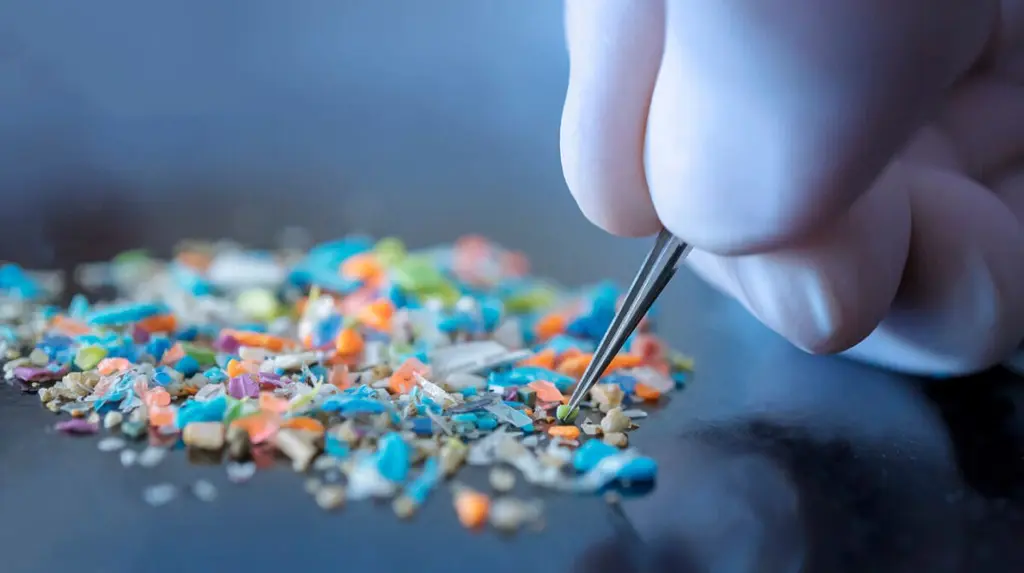
Microplastics are small pieces of plastic that are less than 5 millimetres long and are often too small to see with the naked eye. They come from bigger plastic things that break down over time, like bottles, packaging, and fishing nets. They can also be made on purpose for use in things like cosmetics, cleaning products, and synthetic clothing. Microplastics are very small, so they can spread a long way in the environment, polluting water, soil, and even the air we breathe.
How Do Microplastics Enter the Human Body?
There are many ways that people can come into contact with microplastics. Eating seafood, drinking water from plastic bottles, or eating food that comes in plastic are all common ways to get it. Microplastic particles can also get into the body through breathing, since they are found in dirty air and dust in homes. Microplastics can sometimes even get into the body through the skin from personal care products like scrubs or lotions that have microbeads in them.
Recommended: How Can I Improve Sperm Motility Naturally?
Microplastics can build up in organs and tissues once they get into the body. This can lead to oxidative stress, inflammation, and problems with normal bodily functions, including reproductive health.
Common Sources of Microplastics
Microplastics are small pieces of plastic that come from a lot of things we use every day. They are hard to avoid because they are in food, water, air, things around the house, and personal care products. Here is a list of the main sources, why they are important, and some examples:
1. Food and Beverages
Microplastics can get into our bodies through the food and drinks we eat and drink. Because tiny pieces of plastic build up in oceans and freshwater, seafood is especially affected. Microplastics can also get into our food and drinks from packaged foods and bottled drinks. For example, shellfish like mussels and oysters, canned fish, bottled water, and sandwiches wrapped in plastic.
2. Household Items
A lot of things we use every day let out microplastics that we can breathe in or swallow by mistake. When you wash synthetic fabrics, they let out fibres. Furniture, carpets, and rugs also add to microplastic dust.For example, polyester clothes, nylon carpets, synthetic sofas, and dust from floors and curtains.
3. Personal Care Products
Microbeads or plastic additives can be found in some beauty and personal care products. These particles can get into our bodies through the skin or the water system. For example, exfoliating scrubs, facial cleansers, toothpaste, and some makeup.
4. Water Sources
Microplastics are present in both tap and bottled water due to contamination from the environment and plastic packaging. Regular consumption increases the chance of ingestion. E.g: Bottled water, filtered water that has not been treated for microplastics, water from polluted rivers.
5. Airborne Microplastics
Synthetic fabrics, car tires, and industrial sources can all release tiny plastic particles into the air. Over time, these particles can be breathed in and build up in the body. For example, dust inside, fibres from clothes, and air outside in busy cities, near factories, or on highways.
6. Plastic Packaging and Single-Use Plastics
When single-use plastics break down in the environment, they turn into microplastics that can get into food, water, and surfaces in the home. Using it often raises the risk of exposure. For example, plastic bags, food wrappers, takeaway containers and plastic straws.
Recommended: How to Make Sperm Stronger for Pregnancy
How Microplastics Affect Sperm Motility
Microplastics can negatively impact sperm motility, which is the ability of sperm to move efficiently and reach the egg for fertilization. Research suggests that these tiny plastic particles can cause oxidative stress, leading to damage in sperm cells. They may also disrupt hormone levels, affecting the production and function of sperm.

Microplastics can also cause inflammation in the reproductive system. This can make sperm quality even worse, such as the number, shape, and overall movement of the sperm. Repeated exposure over time may lead to fertility problems and lower the chances of getting pregnant.
Research involving both humans and animals demonstrates that even minimal exposure to microplastics can accumulate in reproductive organs, posing a significant threat to male reproductive health. To keep sperm motility and overall fertility at their best, it is important to cut down on microplastic exposure.
How to Reduce Microplastic Exposure for Better Sperm Motility
Cutting down on microplastic exposure can help with sperm motility and overall male reproductive health. You can take steps in your diet, lifestyle, and personal care routine to limit your exposure to these tiny particles.
1. Make Smarter Food and Beverage Choices
Choose fresh, unpackaged foods whenever you can. Stay away from seafood that might have microplastics in it, and only eat processed or packaged foods in small amounts. Instead of bottled water in plastic containers, drink filtered water. Cooking at home and using glass or stainless steel containers can help lower your microplastic exposure even more.
2. Adjust Household Habits
Cleaning your home often and using a hoover with a HEPA filter will help cut down on your exposure to microplastic dust. Do not wash synthetic clothes as often, and use a laundry bag that catches microfibre to keep plastic fibres out of water systems. It can also help to choose natural fabrics like cotton or wool.
Recommended: Best Foods to Increase Sperm Count and Motility
3. Choose Safer Personal Care Products
Look for microbeads or plastic in toothpaste, scrubs, and makeup. To keep your skin from absorbing chemicals and polluting the environment, use natural or microplastic-free options instead.
4. Limit Single-Use Plastics
Avoid plastic bags, straws, and disposable packaging. Use reusable alternatives like cloth bags, metal straws, and glass containers. This reduces both direct and environmental microplastic exposure.
5. Support Your Body’s Detox and Reproductive Health
Fruits, vegetables, and nuts are all foods high in antioxidants that can help fight oxidative stress caused by microplastics. Regular exercise and stress management can also help with sperm motility and overall fertility by keeping a healthy lifestyle.
By taking these steps, you can reduce your microplastic exposure and protect your reproductive health, improving sperm motility and increasing the chances of conception.
Practical Daily Tips to Minimize Microplastic Exposure
Reducing microplastic exposure does not have to be complicated. Small daily changes can make a big difference for your reproductive health and sperm motility.
- Swap Plastic Containers: Use glass, stainless steel, or ceramic containers instead of plastic for storing food and drinks. Avoid microwaving food in plastic containers, as heat can release microplastics.
- Choose Fresh and Whole Foods: Buy unpackaged fruits, vegetables, and grains whenever possible. Limit processed foods and reduce consumption of seafood known to contain microplastics, like shellfish.
- Filter Your Water: Use a high-quality water filter that can remove microplastic particles from tap water. If drinking bottled water, choose brands with glass or BPA-free packaging.
- Minimize Synthetic Fabrics: Opt for natural fabrics like cotton, wool, or silk instead of polyester or nylon. Wash synthetic clothes less frequently and use a microfiber laundry bag to catch plastic fibers.
- Avoid Personal Care Products with Plastics: Check labels for microbeads or plastic additives in scrubs, toothpaste, and cosmetics. Switch to natural, microplastic-free alternatives whenever possible.
- Reduce Single-Use Plastics: Bring reusable bags, bottles, and straws when shopping or eating out. Avoid plastic packaging, takeaway containers, and disposable utensils.
- Keep Your Environment Clean: Vacuum with a HEPA filter to reduce household dust, and wipe surfaces regularly to limit inhalation of microplastic particles.
Recommended: Best Foods to Increase Sperm Count and Motility
By integrating these tips into your daily routine, you can significantly lower your microplastic exposure and support better sperm motility and overall reproductive health.
When to See a Fertility Specialist
Even with lifestyle changes to reduce microplastic exposure, some men may still experience issues with sperm motility or overall fertility. Consulting a fertility specialist can help identify underlying causes and provide targeted solutions.
It is recommended to see a specialist if:
- You have been trying to conceive for 12 months or more without success (or 6 months if over 35 years old).
- Semen analysis shows low sperm count, poor motility, or abnormal morphology.
- You have a history of exposure to environmental toxins, chronic illnesses, or reproductive health problems.
- There are other factors affecting fertility, such as hormonal imbalances, varicocele, or genetic concerns.
A fertility specialist can run tests, provide guidance on lifestyle adjustments, and suggest medical interventions if necessary. Early consultation can improve the chances of conception and help address any reversible causes of reduced sperm motility.
Conclusion
Microplastic exposure is an emerging concern that can affect male reproductive health, particularly sperm motility. These tiny particles are found in food, water, air, household items, and personal care products, making daily exposure almost unavoidable. However, by making practical changes in diet, lifestyle, and product choices, it is possible to significantly reduce contact with microplastics.
To help your sperm health, you can do simple things like choosing fresh, unpackaged foods, filtering your water, not using single-use plastics, and choosing personal care products that don’t contain microplastics. Cleaning often, using natural fabrics, and eating foods high in antioxidants are other ways to protect reproductive health and general health.
In addition to these preventive measures, consulting a fertility specialist is important if conception does not occur despite lifestyle adjustments. Taking control of microplastic exposure is a proactive way to safeguard sperm motility and promote long-term reproductive health.