
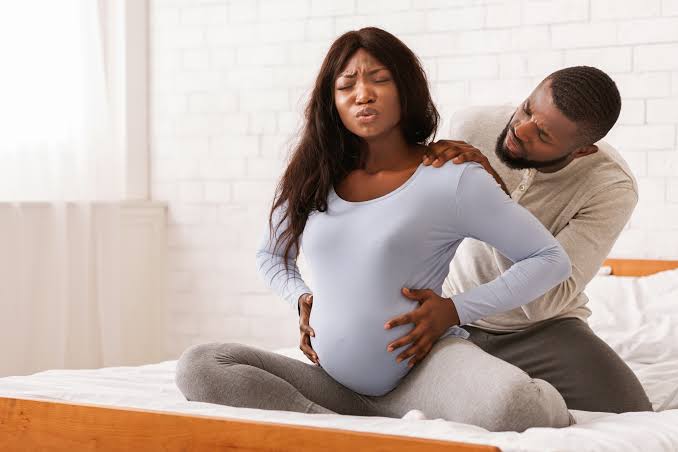
Vaginal pressure during pregnancy without contractions can feel unusual and may cause concern, especially if you are unsure whether it is a sign of labor. As pregnancy progresses, changes in the uterus, baby’s position, and pelvic area can create pressure or a feeling of heaviness.
In many cases, mild vaginal or pelvic pressure can be a normal part of pregnancy. However, pressure that is severe, persistent, or accompanied by other symptoms may need medical attention, particularly before 37 weeks of pregnancy.
In this article, we will discuss the common causes of vaginal pressure during pregnancy without contractions, how the sensation can vary throughout pregnancy, and the warning signs that mean you should contact your healthcare provider.
What Does Vaginal Pressure During Pregnancy Feel Like?
Vaginal pressure during pregnancy can feel like heaviness, fullness, or a sensation of pressure pushing downward into the vagina or pelvis. Some pregnant women describe it as feeling like the baby is sitting low or as though there is weight between the legs.
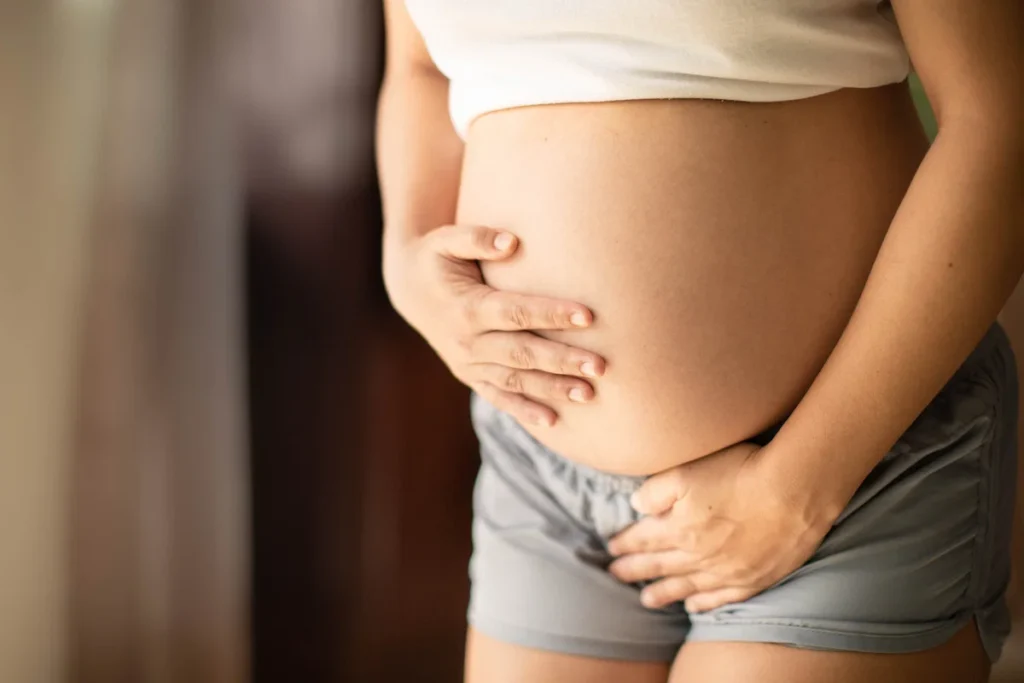
The sensation may also feel like mild aching, stretching, pulling, or discomfort in the vaginal area, pelvis, lower abdomen, or perineum. It may become more noticeable when standing for long periods, walking, climbing stairs, or changing positions. For some women, the pressure comes and goes, while others may notice it more consistently as pregnancy progresses.
Recommended: Is Spotting a Sign of Early Pregnancy or Miscarriage?
The exact sensation can vary depending on the stage of pregnancy and its underlying cause. As the uterus grows, the baby’s position changes, and the pelvic muscles and supporting tissues adapt, more pressure may be placed on the lower pelvis.
Vaginal pressure without contractions does not necessarily mean that labor has started. Mild pressure can occur even when the cervix is not changing and there are no true labor contractions.
However, pressure that suddenly becomes intense or is accompanied by vaginal bleeding, leaking fluid, regular abdominal tightening, significant pelvic pain, fever, or reduced fetal movement should not be ignored. Contact your healthcare provider promptly, especially if these symptoms occur before 37 weeks of pregnancy.
Is Vaginal Pressure During Pregnancy Without Contractions Normal?
Vaginal pressure during pregnancy without contractions can be normal, particularly when it is mild, occasional, and not accompanied by other concerning symptoms. As the uterus grows, the baby’s weight increases, and the pelvic muscles and tissues adjust, you may feel more pressure or heaviness in the vaginal and pelvic area.
The timing of the pressure can also make a difference. During the second and third trimesters, the growing baby can place increasing pressure on the pelvis and surrounding structures. The baby’s position may also cause temporary pressure that becomes more noticeable when walking, standing, or changing positions. Constipation and increased pelvic blood flow can contribute as well.
However, vaginal pressure should not always be assumed to be normal. Pressure that is persistent, intense, or worsening may require evaluation, especially before 37 weeks. Contact your healthcare provider if the pressure occurs with vaginal bleeding, fluid leakage, regular contractions, abdominal or pelvic pain, fever, or reduced fetal movement.
Recommended: 10 Reasons You Are Not Losing Weight After Pregnancy
Common Causes of Vaginal Pressure During Pregnancy Without Contractions
Vaginal pressure during pregnancy can happen for several reasons, even when you are not having contractions. The most common causes include:
1. Growing Uterus and Baby
As pregnancy progresses, the uterus becomes larger and heavier. This puts increasing pressure on the pelvic floor, vagina, bladder, and surrounding tissues. The pressure may become more noticeable as the pregnancy advances, particularly during the second and third trimesters.
2. Baby’s Position
The baby’s position can affect where you feel pressure. When the baby is positioned lower in the pelvis, their head or body may place additional pressure on the cervix, vagina, and pelvic floor. This can create a feeling of heaviness or pressure between the legs.
3. Pelvic Floor Changes
The pelvic floor muscles support the uterus and other pelvic organs. Pregnancy places additional weight and strain on these muscles, which can cause aching, heaviness, or pressure around the vagina and pelvis.
4. Increased Blood Flow to the Pelvic Area
Pregnancy causes increased blood flow to the uterus and pelvic region. This can lead to swelling, fullness, or a heavy sensation around the vagina and vulva, particularly after standing or being physically active for a long time.
Recommended: Itchy Belly During Pregnancy: Stretch Marks or PUPPP?
5. Constipation and Gas
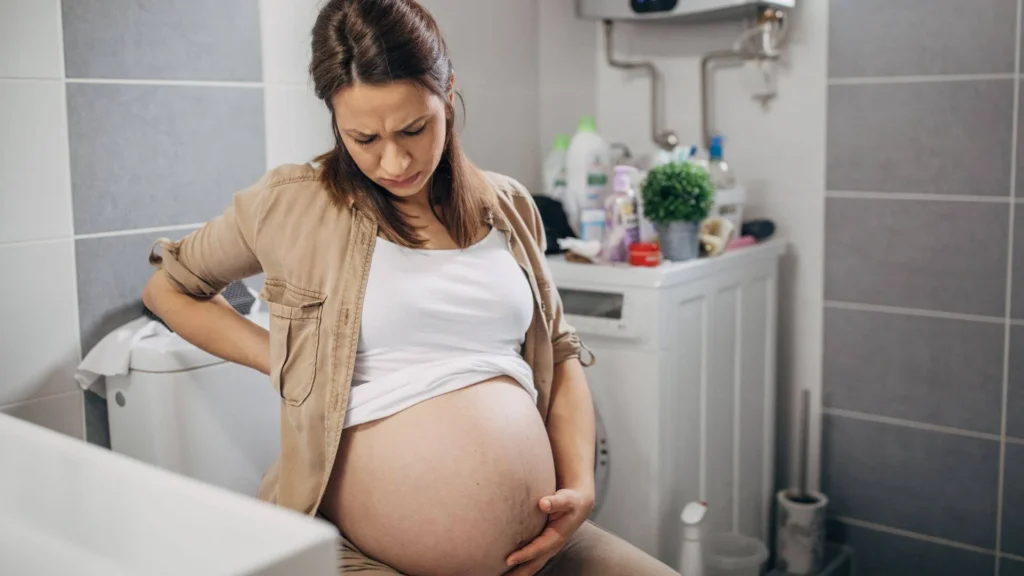
Constipation is common during pregnancy and can cause pressure in the rectum and lower pelvis. A buildup of stool can press on nearby pelvic structures, sometimes making vaginal or pelvic pressure feel more noticeable.
6. Increased Vaginal Discharge
Although discharge itself does not usually cause significant pressure, increased moisture, swelling, or irritation around the vaginal area may make the pelvis feel uncomfortable or heavy.
7. Changes as the Baby Moves Lower
Later in pregnancy, the baby may gradually move lower into the pelvis as the body prepares for birth. This can increase pressure around the vagina and pelvic floor. It does not necessarily mean labor has started, particularly when there are no regular contractions.
8. Physical Activity or Prolonged Standing
Walking for long periods, exercising, lifting, or simply spending a lot of time on your feet can temporarily increase pressure in the pelvis. The sensation may improve after resting or changing positions.
Can Vaginal Pressure Mean Labor Is Near?
Vaginal pressure can sometimes occur as labor approaches, especially during the final weeks of pregnancy. As the baby moves lower into the pelvis, there may be increased pressure on the vagina, cervix, bladder, and pelvic floor. This can create a feeling of heaviness or make it seem like the baby is pushing downward. However, vaginal pressure alone does not mean labor is about to begin, as some women experience it for days or weeks before labor.
Pressure is more suggestive of approaching labor when it occurs alongside other signs, such as regular contractions that become stronger and closer together, lower back pain, a change in vaginal discharge, passage of the mucus plug, bloody show, or leaking of amniotic fluid. If new or increasing pressure occurs before 37 weeks, particularly with contractions, bleeding, pelvic pain, backache, or fluid leakage, contact your healthcare provider promptly.
Recommended: Do Tubal Pregnancies Show on Pregnancy Tests?
Warning Signs That Mean You Should Contact Your Healthcare Provider
Vaginal pressure can be a normal part of pregnancy, but certain symptoms may indicate that you need medical evaluation. Contact your healthcare provider if you experience vaginal pressure along with any of the following warning signs:
- Severe or worsening pressure: Pressure that becomes intense, persistent, or increasingly uncomfortable should be assessed.
- Vaginal bleeding: Any unexplained bleeding, particularly heavy bleeding or bleeding accompanied by pain, requires prompt medical attention.
- Leaking of fluid: A sudden gush or continuous trickle of watery fluid from the vagina may indicate that your membranes have ruptured.
- Regular contractions: Repeated abdominal tightening or contractions that become stronger, longer, or closer together may indicate that labor is beginning.
- Pelvic or abdominal pain: Significant or persistent pain alongside vaginal pressure should not be ignored.
- Lower back pain: New or persistent lower back pain, especially when combined with pelvic pressure or contractions, may require assessment.
- Fever or feeling unwell: Fever, chills, or feeling unusually sick can be signs of an infection or another complication.
- Unusual vaginal discharge: Discharge with a strong unpleasant odor, unusual color, or an accompanying irritation may require evaluation.
- Reduced fetal movement: A noticeable decrease or change in your baby’s usual movements should be reported to your healthcare provider promptly.
- Pressure before 37 weeks: New or increasing vaginal pressure before 37 weeks, particularly when accompanied by contractions, backache, bleeding, or fluid leakage, may be a sign of preterm labor.
How to Relieve Mild Vaginal Pressure During Pregnancy
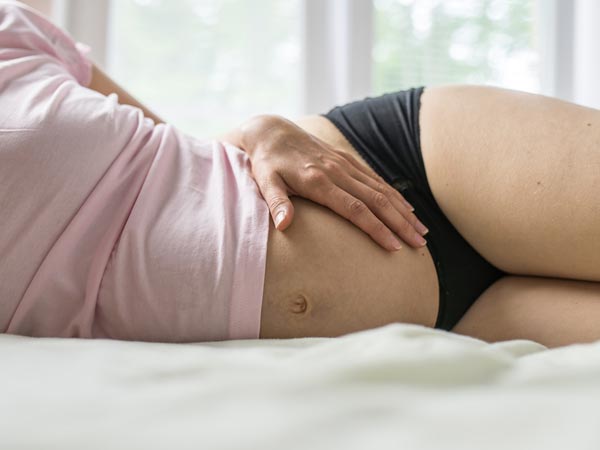
Mild vaginal pressure can often be eased with simple measures that reduce strain on the pelvis and allow the body to rest. The best approach may depend on what is causing the pressure and how far along you are in your pregnancy.
Recommended: Best Pregnancy Support Belt
- Rest and change positions: Take breaks when the pressure becomes noticeable. Lying on your side or changing from standing to sitting may help reduce pressure on the pelvis.
- Avoid prolonged standing: Spending long periods on your feet can increase pelvic pressure. Try to alternate between sitting, standing, and resting throughout the day.
- Stay hydrated: Drinking enough water helps support normal pregnancy changes and may also help prevent constipation, which can contribute to pelvic pressure.
- Prevent constipation: Eat fiber-rich foods, drink plenty of fluids, and stay physically active within the limits recommended for your pregnancy.
- Use pregnancy support: A properly fitted maternity support belt may help reduce pelvic discomfort for some pregnant women. Ask your healthcare provider before using one.
- Try gentle movement: Light walking, stretching, or other pregnancy-safe exercises may help relieve discomfort and improve circulation. Stop any activity that makes the pressure worse.
- Avoid heavy lifting: Heavy lifting and strenuous activities can place additional strain on the pelvic floor and may make pressure more noticeable.
- Empty your bladder regularly: A full bladder can add to pelvic discomfort, particularly later in pregnancy.
Conclusion
Vaginal pressure during pregnancy without contractions is often related to normal changes in the body, including the growing uterus, the baby’s position, and increasing pressure on the pelvic floor. While mild pressure may be common, it is important to pay attention to how severe it is, how long it lasts, and whether it occurs with other symptoms.
Vaginal pressure does not always mean that labor is near. However, pressure accompanied by bleeding, leaking fluid, regular contractions, significant pain, fever, or reduced fetal movement should be evaluated by a healthcare provider. Paying attention to these warning signs can help ensure that you and your baby receive appropriate care throughout pregnancy.