
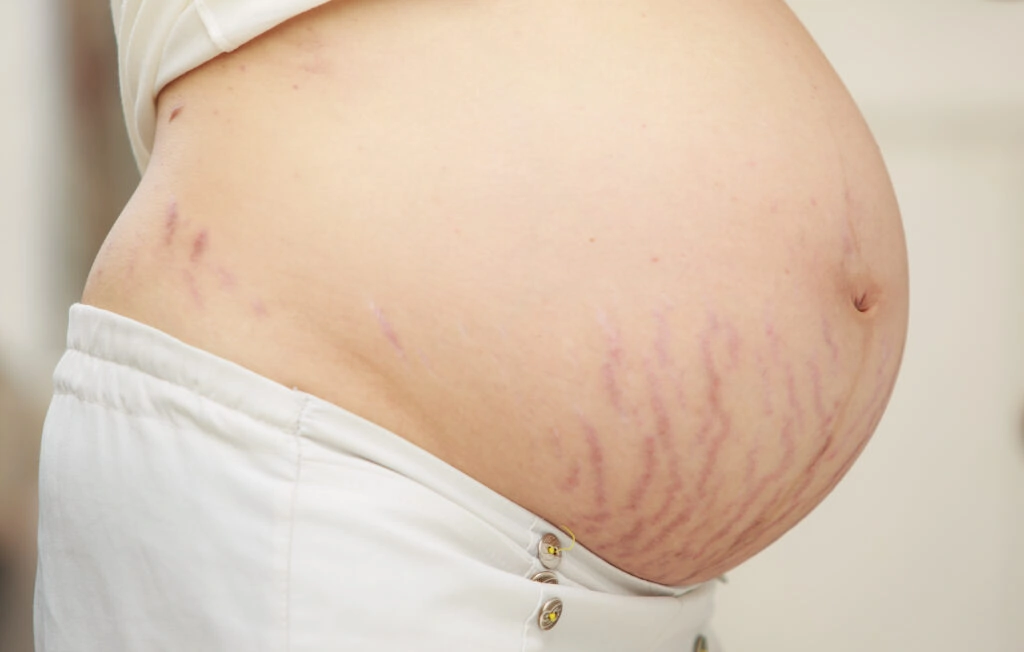
Stretch marks are common skin changes that can appear when the skin stretches or changes rapidly. They may initially look red, pink, purple, or reddish-brown before gradually fading to a lighter or silvery colour. Red stretch marks are often more noticeable because they are in an earlier stage of development, but their appearance can vary depending on your skin tone and the cause.
They can develop during pregnancy, puberty, periods of rapid weight gain or loss, muscle growth, or hormonal changes. While red stretch marks are generally harmless, many people wonder why they occur and whether they can be prevented or reduced.
In this article, we will explain why stretch marks appear red, what causes them, where they commonly occur, whether they are normal, how they change over time, and the treatment options that may help reduce their appearance.
What Are Stretch Marks?
Stretch marks are visible lines or streaks that develop on the skin when it is stretched or changes rapidly. They occur when the skin’s supporting tissues, including collagen and elastin, are stretched beyond their normal capacity. This can cause tiny tears in the deeper layers of the skin, which eventually become visible on the surface.
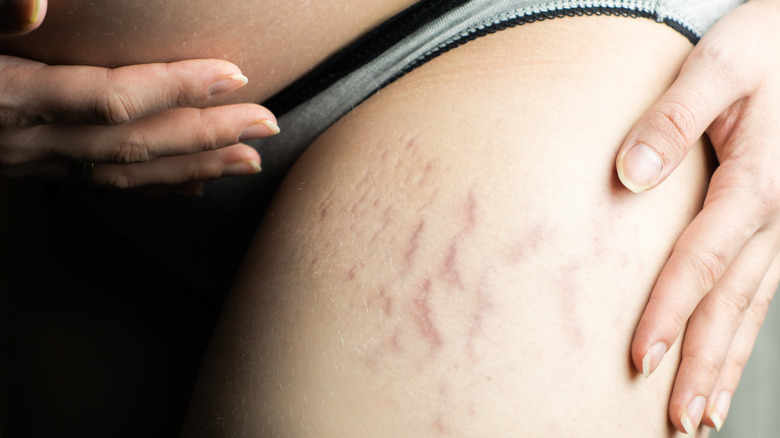
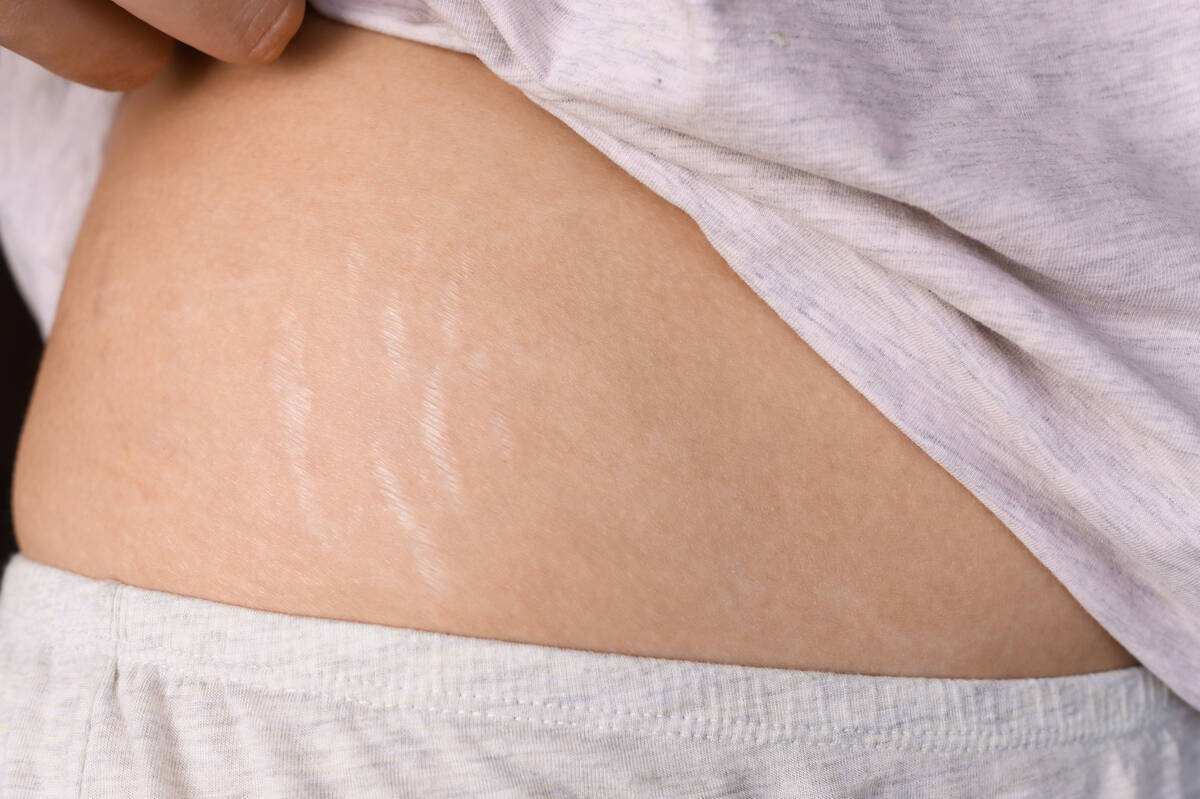
Stretch marks can appear in different colours depending on their stage and your skin tone. New stretch marks may look red, pink, purple, or reddish-brown, while older stretch marks often become white or silvery and less noticeable over time.
They commonly appear on areas of the body that experience significant growth or stretching, including the abdomen, thighs, hips, buttocks, breasts, upper arms, shoulders, and lower back.
Recommended: Itchy Belly During Pregnancy: Stretch Marks or PUPPP?
Stretch marks are very common and can affect anyone, regardless of gender or body size. They are generally harmless and not contagious, although some people may feel concerned about their appearance. Common situations associated with stretch marks include pregnancy, puberty, rapid changes in body weight, and significant muscle growth.
Why Are My Stretch Marks Red?
Red stretch marks are usually new or developing stretch marks. They appear red because stretching or tearing of the deeper layers of the skin can make small blood vessels beneath the skin more visible. This gives the marks their characteristic red, pink, purple, or reddish-brown appearance.
They may occur when the skin stretches quickly due to pregnancy, puberty, rapid weight gain, rapid weight loss, or muscle growth. Hormonal changes can also influence how the skin responds to stretching.
As stretch marks mature, the blood vessels become less visible and the marks often gradually change colour. They may become lighter, white, or silvery.
Having red stretch marks does not necessarily mean that something is wrong with your skin. In most cases, they are harmless and a normal response to changes in the body. However, if you suddenly develop many wide stretch marks without an obvious reason, particularly alongside other unusual symptoms, it is advisable to speak with a healthcare professional.
Recommended: Does Birth Control Pills Cause Weight Gain?
What Causes Red Stretch Marks?
Red stretch marks develop when the skin is stretched or changes rapidly, causing changes in the deeper layers of the skin. During this process, collagen and elastin, which help keep the skin strong and flexible, can become damaged. Small blood vessels beneath the skin may then become more visible, giving the stretch marks their red, pink, purple, or reddish appearance.
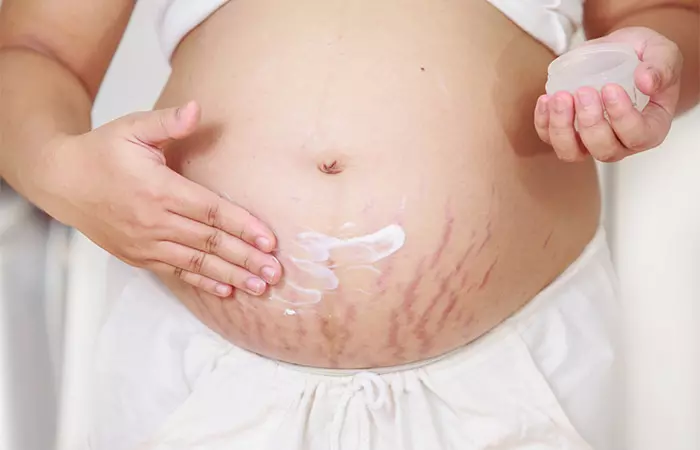
Several factors can contribute to the development of red stretch marks:
- Pregnancy: Rapid growth of the abdomen and hormonal changes can increase the likelihood of stretch marks.
- Puberty: Growth spurts can cause the skin to stretch quickly, particularly around the thighs, hips, breasts, and back.
- Rapid weight gain: A quick increase in body size can stretch the skin faster than it can adapt.
- Rapid weight loss: Significant changes in body size can make existing stretch marks more noticeable.
- Muscle growth: Rapid muscle development, especially through intensive strength training, can stretch the skin around the shoulders, arms, chest, and thighs.
- Hormonal changes: Hormones, particularly corticosteroids, can affect collagen production and make the skin more vulnerable to stretching.
- Genetics: Some people are naturally more likely to develop stretch marks because of their genetic makeup and skin characteristics.
- Corticosteroid use: Long-term use of corticosteroid creams or medicines can affect the skin and increase the risk of stretch marks.
Recommended: Heartburn Worse at Night During Pregnancy
Are Red Stretch Marks Normal?
Yes, red stretch marks are generally normal and harmless. They are a common type of skin change that can occur when the skin stretches or changes rapidly. They may appear red, pink, purple, or reddish-brown, particularly when they are newly formed.
The reddish colour occurs partly because the small blood vessels beneath the skin become more visible as the deeper layers of the skin stretch and change.
Over time, red stretch marks often become less noticeable. They may gradually fade to a lighter, white, or silvery colour. However, they may not disappear completely.
Although stretch marks themselves are usually nothing to worry about, it is worth speaking with a healthcare professional if they appear suddenly in large numbers without an obvious cause, become unusually wide or prominent, or occur alongside other concerning symptoms.
Overall, having red stretch marks does not mean that you have an unhealthy body or a serious skin problem. They are a very common part of how the skin responds to changes in the body.
Recommended: Vaginal Pressure During Pregnancy Without Contractions
Where Do Red Stretch Marks Usually Appear?
Red stretch marks can develop on different parts of the body, especially areas where the skin stretches quickly due to growth, weight changes, pregnancy, or muscle development. Their location can vary from person to person.
Common areas where red stretch marks appear include:
- Abdomen: Common during pregnancy or periods of rapid weight gain.
- Thighs: Stretch marks may develop when there are significant changes in body size or during puberty.
- Hips and buttocks: These areas can develop stretch marks during growth, weight changes, or hormonal changes.
- Breasts: Breast growth during puberty, pregnancy, or weight changes can cause stretch marks.
- Upper arms: Rapid muscle growth or changes in body weight can contribute to their development.
- Lower back: Stretch marks may appear during growth spurts, particularly during adolescence.
- Shoulders: People who experience rapid muscle growth may notice stretch marks around the shoulders and upper arms.
- Calves and knees: Although less common, rapid growth or changes in body size can sometimes cause stretch marks in these areas.
Recommended: Period-Like Cramps at 4 Weeks Pregnant
Can You Prevent Red Stretch Marks?
Preventing red stretch marks completely can be difficult because genetics, hormones, and how quickly your skin stretches all play a role. However, maintaining a healthy weight, avoiding rapid weight changes, eating a balanced diet, staying hydrated, and regularly moisturising your skin can support overall skin health.
There is no guaranteed cream, oil, or home remedy that can completely prevent stretch marks. If you are pregnant, experiencing rapid body changes, or using corticosteroids, speak with a healthcare professional about ways to protect your skin and manage these changes safely.
Recommended: Diet and Lifestyle Changes to Help with PMDD Symptoms
How Can You Reduce the Appearance of Red Stretch Marks?
Red stretch marks can gradually become less noticeable as they mature and fade. However, they may not disappear completely. Because red stretch marks are usually newer, early treatment may provide better results than treatment of older, white or silvery stretch marks.
1. Keep Your Skin Moisturised
Regularly applying a gentle moisturiser can help keep the skin soft, smooth, and comfortable. Moisturising may help reduce dryness and itching associated with skin stretching, although it cannot completely remove existing stretch marks.
2. Protect Your Skin From the Sun
Sun exposure can make stretch marks more noticeable by increasing the contrast between the marks and the surrounding skin. Applying sunscreen to exposed areas can help protect your skin and maintain a more even appearance.
3. Consider Prescription Treatments
Some prescription treatments, such as tretinoin, may help improve the appearance of newer stretch marks by encouraging collagen production and skin renewal. However, tretinoin is not suitable during pregnancy and should only be used under the guidance of a healthcare professional.
4. Try Professional Skin Treatments
Treatments such as laser therapy, microneedling, and microdermabrasion may help reduce the visibility and texture of stretch marks. These procedures are usually performed by dermatologists or trained skin specialists, and multiple sessions may be needed depending on the individual.
Recommended: How to Increase Penile Girth Naturally
5. Maintain a Healthy Lifestyle
A balanced diet containing adequate protein, vitamins, and minerals supports healthy skin. Staying hydrated and avoiding rapid changes in body weight may also help reduce further stretching of the skin.
Can Red Stretch Marks Go Away?
Red stretch marks can fade significantly over time, but they usually do not disappear completely. The red, pink, purple, or reddish-brown colour often becomes lighter as the stretch marks mature, eventually appearing white or silvery. This natural fading can take months or even years, depending on factors such as genetics, skin type, age, and the cause of the stretch marks.
Conclusion
Red stretch marks are a common and generally harmless skin change that occurs when the skin stretches or changes rapidly. They can develop during pregnancy, puberty, weight changes, muscle growth, and other periods of physical or hormonal change. Although their red appearance can be concerning, they often fade naturally and become less noticeable over time.
There is no guaranteed way to completely prevent or remove stretch marks, but maintaining healthy skin and seeking appropriate treatments can help improve their appearance. If you notice sudden, widespread, or unusual stretch marks, it is best to speak with a healthcare professional for proper assessment and guidance.