

Pearly penile papule is a small, harmless skin growth that can appear around the head of the penis. Many people mistake it for a sexually transmitted infection or acne, which often leads to unnecessary worry and anxiety. In reality, it is a normal anatomical variation found in many men and is not dangerous or contagious.
These papules are usually small, smooth, flesh-colored or whitish bumps that are arranged in neat rows around the edge of the glans. Infection, bad hygiene, or sexual activity do not cause them. People often want to pop or squeeze them because they look like pimples.
However, attempting to pop them does not work and can actually cause harm. Unlike pimples, pearly penile papules are not filled with pus or fluid, so there is nothing to release. Trying to squeeze them may lead to irritation, redness, or even minor injury to the skin.
In this article, we will explain what pearly penile papules really are, whether it is possible or safe to pop them, how to identify them correctly, and the safe medical options available if someone chooses removal for cosmetic reasons.
What Are Pearly Penile Papules?
Pearly penile papules are small, harmless skin growths that appear around the head (glans) of the penis. They are medically known as a normal anatomical variation, meaning they are part of how some people’s bodies naturally develop rather than a disease or infection.

They usually look like tiny, smooth, dome-shaped bumps that are flesh-colored, white, or slightly pink. Most often, they form in one or more neat rows around the rim of the glans, giving a ring-like appearance. They do not spread, change into wounds, or produce discharge.
These papules are not caused by sexually transmitted infections, poor hygiene, or any medical illness. They are simply a natural variation in skin structure that often becomes more noticeable after puberty. They are also not painful, not itchy, and do not affect sexual health or fertility.
Recommended: How to Remove Pearly Penile Papules (PPP) at Home
Because of their appearance, many people mistake them for genital warts or other infections, which can cause unnecessary fear. However, unlike infections, they are not contagious and do not require treatment.
In most cases, pearly penile papules do not need any medical intervention unless a person wants removal for cosmetic reasons.
What Causes Pearly Penile Papules?
Pearly Penile Papules are caused by natural developmental factors in the body. They are not linked to infection or lifestyle habits. Below are the main points explaining their causes:
- Natural anatomical variation: Pearly penile papules are simply a normal difference in skin structure around the glans penis. Some males naturally develop these small bumps, while others do not.
- Puberty-related development: Hormonal changes make them more noticeable during or after puberty. As the body grows, these small structures may become more visible around the edge of the glans.
- Possible vestigial tissue remnants: Doctors believe they may be remnants of embryonic or vestigial tissues that remain harmless in adulthood. These tissues do not serve a function and do not turn into disease.
- Not caused by infection or sexual activity: They are not linked to sexually transmitted infections, sexual behavior, or poor hygiene. This is a very common misconception, but medically it is false.
- Individual genetic differences: Genetics may also play a role in why some people have them while others do not, although this is not fully understood.
Can You Pop Pearly Penile Papules?
No, you cannot pop Pearly Penile Papules, and attempting to do so is both ineffective and unnecessary. Unlike pimples or acne lesions, these papules are not filled with pus, oil, or bacteria. They are simply small, dome-shaped skin structures formed naturally around the rim of the glans penis, so there is nothing inside that can be squeezed out.
Because they are not caused by infection or blocked pores, pearly penile papules do not behave like acne. When pressure is applied, they do not rupture or release fluid. Instead, they remain firmly attached to the skin. This is why people who try to “pop” them often become confused or worried when nothing happens.
In addition to being ineffective, trying to squeeze or pick at them can actually cause harm. The surrounding skin is sensitive, so repeated pressure may lead to irritation, redness, swelling, or small abrasions. In some cases, this can also increase the risk of secondary infection if the skin barrier is damaged.
Recommended: How to Increase Penile Girth Naturally
Another important thing to know is that these papules are not harmful and do not spread. They do not spread through sex, bad hygiene, or any other illness. A lot of people get them on their own during or after puberty, and they usually stay the same size and do not spread.
Instead of trying to pop them, it is better to leave them alone or seek medical advice if there is uncertainty about the diagnosis. A doctor can confirm that they are indeed pearly penile papules and, if desired for cosmetic reasons, discuss safe removal options such as laser therapy or other minor procedures.
Are Pearly Penile Papules Harmful?
Pearly Penile Papules are not harmful. They are considered a normal anatomical variation, meaning they are simply a natural part of how the skin develops in some individuals. They are not a disease, not an infection, and not a medical condition that poses any health risk.
One of the most important facts about pearly penile papules is that they are completely non-contagious. They cannot be spread through sexual contact, skin contact, or bodily fluids. This makes them very different from sexually transmitted infections, which is why they are often misunderstood at first sight.

They also do not cause physical symptoms. Pearly penile papules are not painful, not itchy, and do not produce discharge. They remain stable over time and usually do not grow, change shape, or spread to other areas of the body. Because of this, they do not interfere with urination, sexual performance, or fertility.
Recommended: Can You Leave a Penile Implant Partially Inflated?
Although they are harmless medically, they can sometimes cause psychological concern. Some people feel anxious or embarrassed when they notice them, especially if they mistake them for genital warts or another infection. This confusion is very common, but it is not medically justified.
How to Identify Pearly Penile Papules
Pearly Penile Papules can be identified by their appearance, location, and behavior. Knowing these features helps you distinguish them from infections or other skin conditions.
- Appearance (small, smooth bumps): They usually look like little bumps that are smooth and dome-shaped. They are usually flesh-colored, white, or a little pink. They look neat and organised because they are all the same size and shape.
- Location (around the head of the penis): They are usually in one or more rows that form a circle around the rim of the glans penis (the head). They do not appear randomly across the shaft or other parts of the body.
- Symmetry and pattern: One important thing about them is that they are evenly spaced and symmetrical. This ring-like shape is a strong sign that they are pearly penile papules and not an infection.
- No pain or discomfort: They do not cause pain, itching, burning, or irritation. If the bumps are painful or uncomfortable, it is likely something else and should be checked by a doctor.
- No changes over time: They remain stable in size, shape, and number. They do not grow rapidly, burst, or produce fluid. This is different from pimples or infections, which often change or worsen.
- No discharge or smell: They do not produce pus, fluid, or odor. The skin around them also stays healthy and unchanged.
- Not spread through contact: They are not contagious and do not spread through sexual activity or skin contact.
Treatment Options for Pearly Penile Papules
Pearly Penile Papules do not require treatment because they are harmless, non-infectious, and a normal anatomical variation. In most cases, doctors recommend leaving them alone once the diagnosis is confirmed.
However, some people choose treatment for cosmetic reasons or due to anxiety.
1. No Treatment (Reassurance and Observation)
This is the most common “treatment.” Once a doctor confirms that the bumps are pearly penile papules, no further action is needed. They do not spread, worsen, or affect sexual health, so reassurance alone is often enough.
2. Carbon Dioxide Laser Therapy
This is one of the best ways to get rid of cosmetics. A dermatologist uses a focused laser to carefully take off the papules one layer at a time. It is usually done with local anaesthesia to make it less painful.
3. Electrosurgery (Cauterization)
In this method, a small electrical current is used to remove the papules. It is a precise procedure performed by a trained medical professional and is typically quick.
Recommended: How To Treat Penile Friction Burn
4. Cryotherapy (Freezing Treatment)
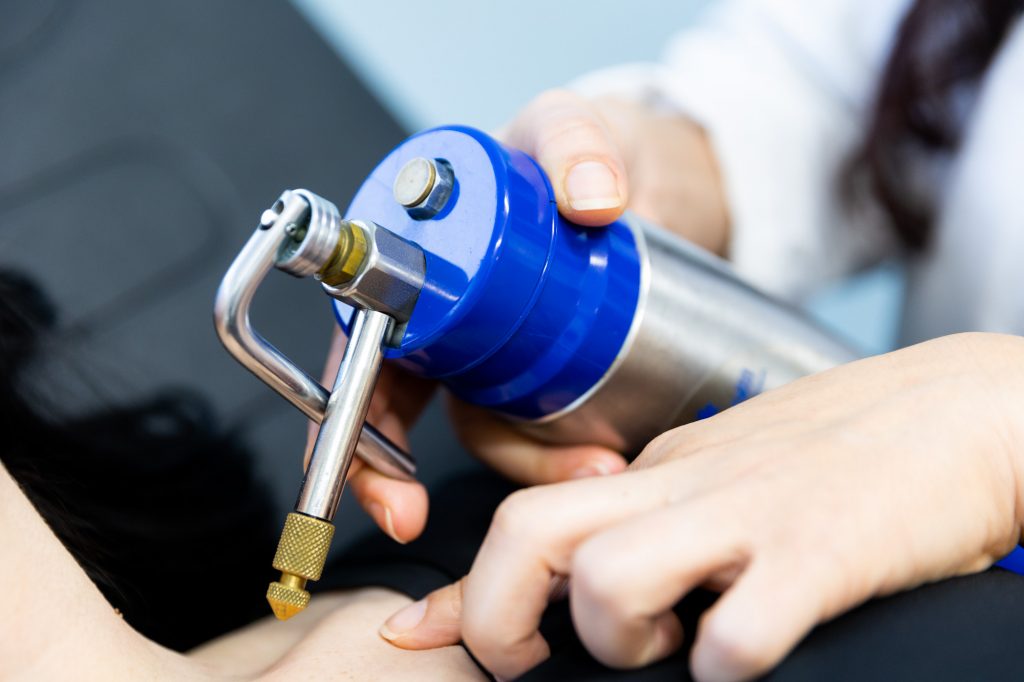
Some clinics may use extreme cold to freeze and remove the papules. This method is less commonly used compared to laser treatment but may still be an option.
5. Medical Consultation Before Any Procedure
Before any treatment, it is important to see a qualified dermatologist or urologist. This ensures the condition is correctly identified and not confused with sexually transmitted infections like genital warts.
Conclusion
Pearly Penile Papules are harmless, non-infectious skin growths that naturally appear around the head of the penis in some individuals. They are not a disease, not a sexually transmitted infection, and they do not affect sexual health, fertility, or overall well-being.
A major point to remember is that they do not require any treatment in most cases. Many people mistakenly worry about their appearance, but medically they are completely safe and stable. They do not spread, grow into dangerous conditions, or cause pain or discomfort.
Trying to pop or squeeze them is unnecessary and ineffective because they are not pimples or fluid-filled bumps. Doing so may only lead to skin irritation or minor injury without removing them.
For those who feel uncomfortable with their appearance, safe medical options are available through qualified professionals. However, most people simply choose reassurance once they understand what they are.