
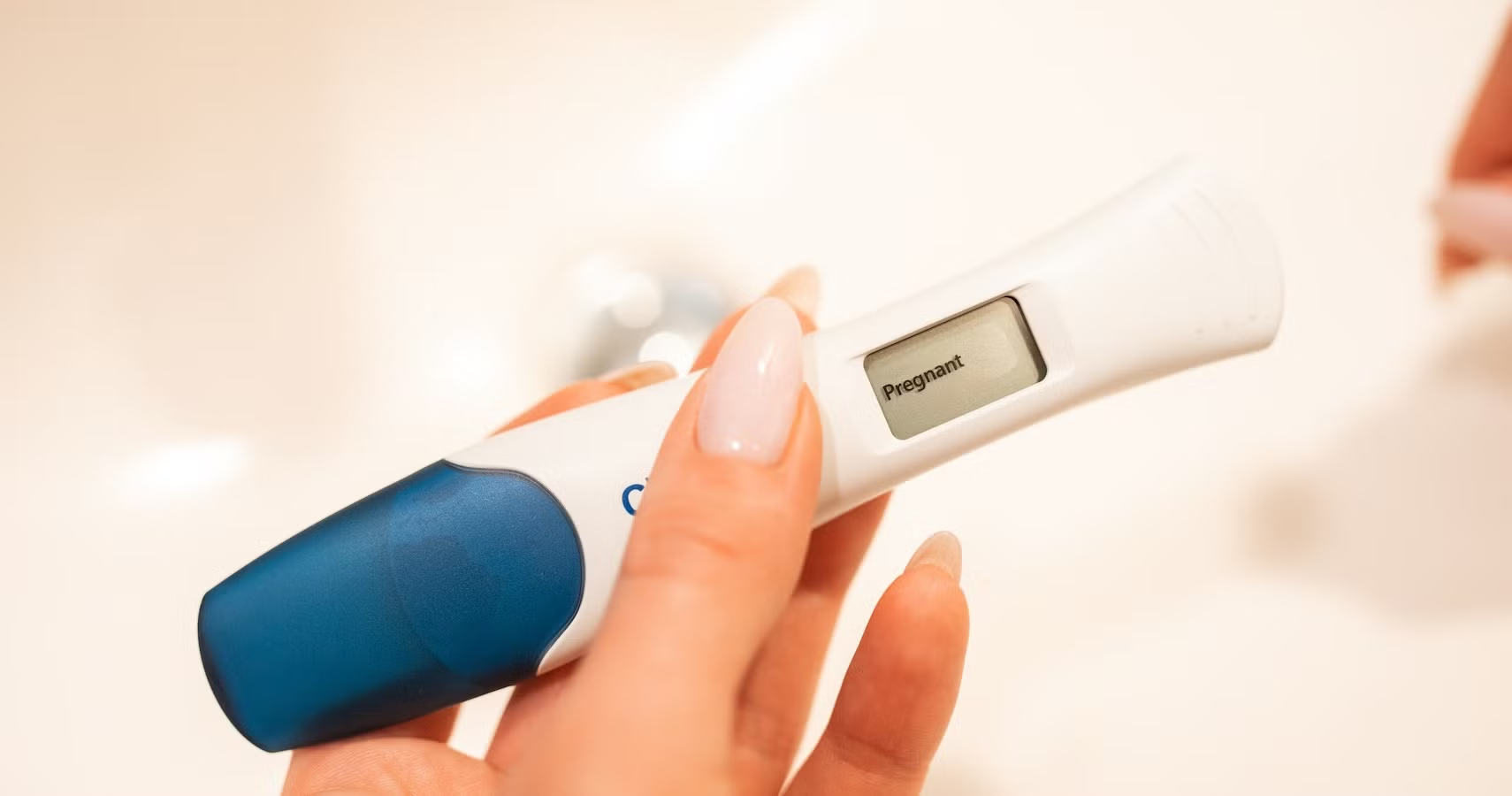
Pregnancy test is one of the most common methods to confirm pregnancy by detecting the presence of the hormone hCG in urine or blood. When used correctly, it is usually reliable but people can often become confused when their results do not match their expectations or symptoms. This often leads to questions about whether certain health conditions such as a urinary tract infection (UTI) can influence the outcome of the test.
A urinary tract infection (UTI) is an infection of the urinary system that can cause symptoms such as frequent urination, burning while urinating and pain in the lower abdomen. Some of these symptoms can also be experienced with early pregnancy which can make it difficult for some women to differentiate between the two conditions. This confusion can often lead to concerns about whether a UTI can affect pregnancy test results or cause a false positive.
In this article, we will explain how pregnancy tests work, and whether a UTI can actually affect their accuracy, other potential reasons for false positive results, and when it is important to follow up with a test or visit a doctor for accurate confirmation.
What False Positive Pregnancy Test Really Mean
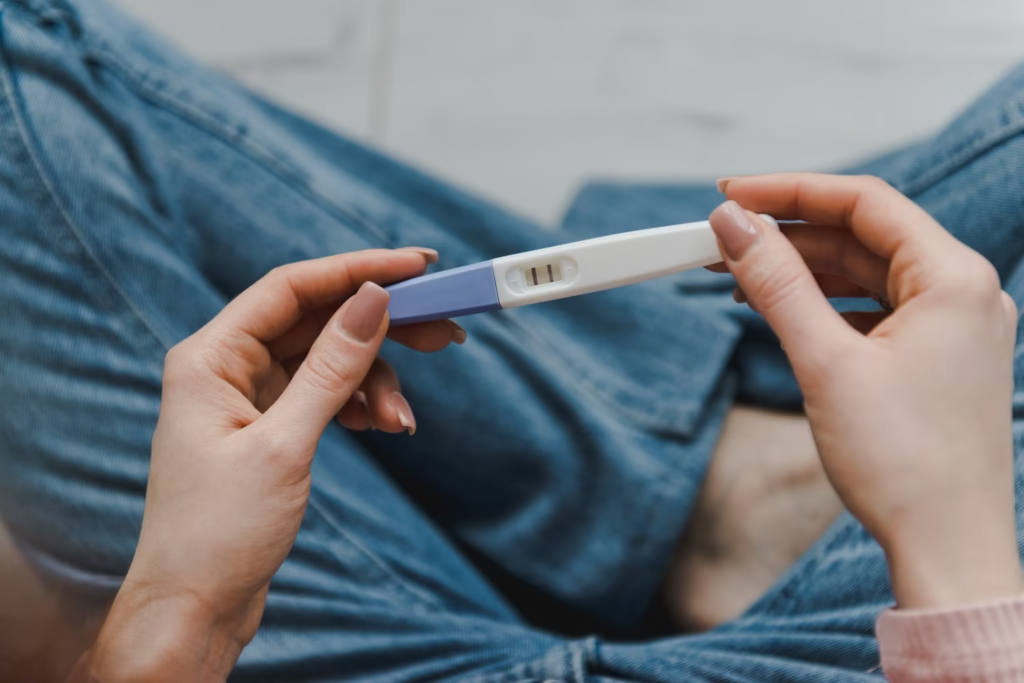
A false positive pregnancy test is when a test shows that a person is pregnant when they are not actually pregnant. This occurs because the test detects the hormone hCG in urine or blood and for some reason the result is showing hCG is present when there is no ongoing pregnancy. Although this does not happen too often, it can be confusing and emotionally stressful for many people looking for quick answers from home pregnancy tests.
Recommended: Can Too Much Pee on a Pregnancy Test Make It Negative?
In most cases, a false positive is not random, but is related to certain circumstances such as recent pregnancy loss, fertility treatments containing hCG, some medical conditions or incorrect use of the test. It is important to always confirm any positive result with a repeat test or a blood test at a health care facility to confirm the result and rule out other possible causes.
What is a Urinary Tract Infection (UTI)?
A urinary tract infection (UTI) is an infection that occurs anywhere in the urinary system that includes the kidneys, bladder, ureters and the urethra. Most UTIs involve the lower urinary tract, the bladder and the urethra. A UTI is usually caused by bacteria that enter the urinary tract through the urethra and multiply.
When you have a UTI , it irritates and inflames the lining of your urinary tract. This causes symptoms like a burning sensation when urinating , increased urge to urinate, cloudy or foul-smelling urine, pelvic pain, and sometimes blood in your urine. In more serious cases the infection can spread to the kidneys and cause fever, back pain and nausea.
Women are more likely to get UTIs because they have a shorter urethra, which makes it easier for bacteria to get to the bladder. They are treated with antibiotics in most cases and early treatment is important to prevent complications and to relieve symptoms quickly.
Can UTI Interfere with Pregnancy Test Results?
A urinary tract infection (UTI) does not directly affect the results of a pregnancy test. Pregnancy tests work by detecting the hormone hCG (human chorionic gonadotropin) which is produced during pregnancy. A UTI is caused by bacteria in the urinary system and does not produce hCG, so it cannot by itself make a pregnancy test positive.

However, in some rare situations, a UTI may indirectly lead to confusion. For example, if there is blood, pus or heavy contamination in the urine sample, it may influence the way the test is read or cause unclear results if the test is not used correctly. That then does not make a real false positive for hCG, but a testing or interpretation problem.
Recommended: Is Spotting a Sign of Early Pregnancy or Miscarriage?
So if you have a UTI and an unexpected pregnancy test result, it is best to re-test with a clean catch urine sample or confirm with a blood pregnancy test at a healthcare facility for a more accurate result.
Conditions That Can Cause False Positive Pregnancy Tests
In some situations, a pregnancy test may show a positive result even when there is no actual pregnancy. This can be confusing and worrying, but it usually happens due to specific medical or testing-related factors that affect hCG levels or how the test is interpreted. Below are some common conditions that can lead to a false positive pregnancy test.
1. Recent Pregnancy Loss (Miscarriage or Abortion)
After a miscarriage or abortion, the body may still have detectable levels of hCG for days or even weeks. During this time, a pregnancy test can still show a positive result even though the pregnancy is no longer ongoing. The hormone gradually decreases until it fully clears from the body.
2. Fertility Treatments Containing hCG
Some fertility medications include hCG injections to trigger ovulation. If a pregnancy test is taken too soon after receiving these injections, it may detect the leftover hormone in the body and show a false positive result even if pregnancy has not occurred.
3. Chemical Pregnancy
A chemical pregnancy happens when a fertilized egg implants briefly but does not continue developing. This can still cause hCG production for a short time, leading to a positive pregnancy test followed by a negative result later when the hormone drops.
4. Certain Medical Conditions or Rare Tumors
In rare cases, conditions such as ovarian cysts, trophoblastic disease, or some tumors can produce hCG-like substances. This can cause a pregnancy test to read positive even when there is no pregnancy present.
Recommended: Best Fertility Tracker to Avoid Pregnancy
5. Improper Test Use or Faulty Test Kits
Using an expired test, reading the result outside the recommended time frame, or using a defective test kit can sometimes lead to incorrect results. These errors may be mistaken for a false positive when they are actually due to testing issues.
How to Properly Take a Pregnancy Test When You Suspect UTI
When you suspect a urinary tract infection (UTI) and also need to take a pregnancy test, it is important to follow the correct steps to avoid inaccurate or confusing results. A UTI can make urination uncomfortable and may sometimes affect how a urine sample is collected, so proper testing technique matters.
- Use First Morning Urine: The first urine in the morning is usually the most concentrated and contains the highest level of hCG if pregnancy is present. This helps improve the accuracy of the test, especially in early pregnancy.
- Use a Clean Catch Sample: Before collecting urine, clean the genital area with clean water and wipe from front to back. This reduces contamination from bacteria or discharge caused by a UTI, which could interfere with how the sample looks or is handled.
- Avoid Overhydration Before Testing: Do not drink excessive water before taking the test, as diluted urine may reduce hCG concentration and make early pregnancy harder to detect.
- Follow Test Instructions Carefully: Each pregnancy test kit has specific instructions. Make sure to dip the test strip for the correct time and read the result within the recommended time window to avoid misinterpretation.
- Repeat the Test if Results Are Unclear: If you are unsure about the result or still have UTI symptoms, repeat the test after 48 to 72 hours or consider a blood pregnancy test at a healthcare facility for a more accurate confirmation.
Recommended: How to Plan Pregnancy With Irregular Cycles
When to See a Doctor
You should see a doctor if you suspect a urinary tract infection (UTI) and are also unsure about your pregnancy test results, especially if symptoms persist or worsen. A healthcare professional can carry out a urine test, blood test, or other examinations to give you a clear and accurate diagnosis instead of relying only on home testing.
It is also important to seek medical attention if you experience strong UTI symptoms such as burning during urination, frequent urination with pain, cloudy or bloody urine, lower abdominal pain, fever, or back pain. In addition, if your pregnancy test result is positive but you are unsure or it does not match your symptoms, a doctor can confirm the result and rule out conditions that may cause confusion.
Conclusion
A urinary tract infection (UTI) does not cause a false positive pregnancy test because it does not produce the hCG hormone that pregnancy tests detect. However, in some cases such as poor testing, urine contamination, or other medical conditions, results may sometimes be confusing or unclear. That’s why it’s important not to rely on one home test if the results are unexpected.
If you think you might have a UTI and might be pregnant , the best thing to do is get tested and see a doctor if needed . A repeat urine test or blood test done at a healthcare facility will give you more accurate results and help ensure you get the right diagnosis and treatment on time.