
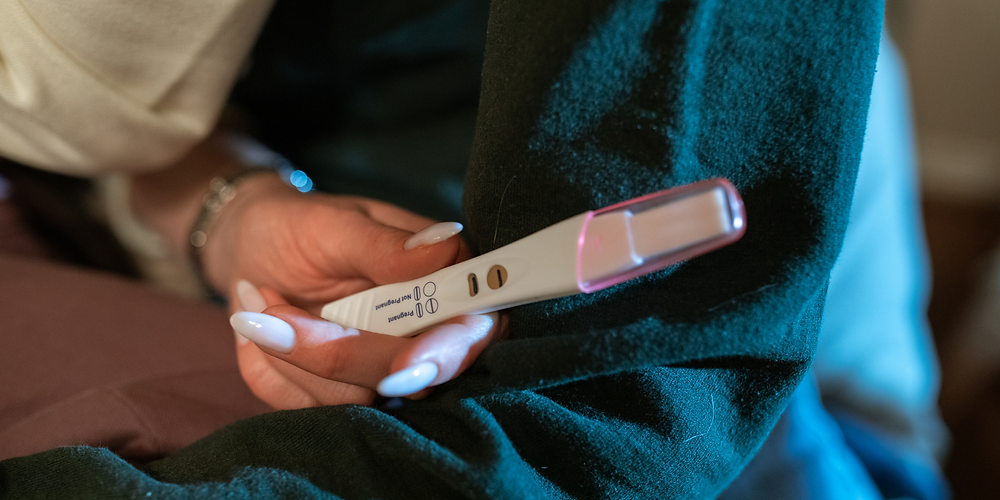
Chemical pregnancy is one of the most common yet least understood forms of early pregnancy loss. Many people only discover they have experienced one after receiving a positive pregnancy test followed by unexpected bleeding or a negative test a few days later. Because it happens so early, it often raises questions about whether it is the same as a miscarriage, what causes it, and whether it could affect future pregnancies.
Although a chemical pregnancy can be emotionally difficult, it is important to know that it is relatively common and, in most cases, does not prevent someone from having a healthy pregnancy in the future. Understanding what happens during a chemical pregnancy can help clear up misconceptions and provide reassurance for those who have experienced one.
In this article, we will explain what a chemical pregnancy is, whether it is the same as a miscarriage, its common causes, signs and symptoms, and its impact on future fertility.
What Is a Chemical Pregnancy?
A chemical pregnancy is a very early pregnancy loss that occurs shortly after a fertilized egg implants in the uterus. It happens before the pregnancy can be seen on an ultrasound, usually within the first five weeks of pregnancy. Although implantation begins and the body starts producing the pregnancy hormone human chorionic gonadotropin (hCG), the pregnancy stops developing before it becomes clinically detectable.

The term “chemical pregnancy” comes from the fact that the pregnancy is identified only through the presence of hCG, which is detected by a blood or urine pregnancy test. Since an ultrasound cannot yet confirm the pregnancy, it is referred to as a chemical rather than a clinical pregnancy.
Recommended: Do Tubal Pregnancies Show on Pregnancy Tests?
Many people may not realize they have experienced a chemical pregnancy because the loss often occurs around the time their period is due. In some cases, the only sign is a positive pregnancy test followed by a negative test a few days later or a heavier than usual menstrual period.
Although a chemical pregnancy is considered a very early miscarriage, it is a relatively common event. Experts estimate that many early pregnancies end this way, often before a person even knows they are pregnant. Experiencing a chemical pregnancy does not usually mean there is a fertility problem, and most people go on to have healthy pregnancies in the future.
Is a Chemical Pregnancy the Same as a Miscarriage?
Yes. Medically, a chemical pregnancy is considered a type of miscarriage. It is an early pregnancy loss that occurs shortly after implantation, typically before the fifth week of pregnancy and before the pregnancy can be seen on an ultrasound.
The main difference lies in the timing. A chemical pregnancy happens so early that it is usually detected only through a positive pregnancy test that measures the hormone human chorionic gonadotropin (hCG). In contrast, many people use the term “miscarriage” to describe pregnancy losses that occur later, after an ultrasound has confirmed the presence of a gestational sac or a developing embryo.
Because chemical pregnancies occur at such an early stage, the symptoms are often similar to a menstrual period. A person may experience light to heavy bleeding, mild cramping, and a positive pregnancy test that later becomes negative as hCG levels rapidly decline.
Although the experience may differ from a later miscarriage, the emotional impact can be just as significant. Feelings of sadness, disappointment, confusion, or grief are all valid, regardless of how early the pregnancy loss occurred.
Recommended: Can Too Much Pee on a Pregnancy Test Make It Negative?
What Causes a Chemical Pregnancy?
The exact cause of a chemical pregnancy is often unknown. In most cases, it occurs because the embryo stops developing shortly after implantation, but doctors cannot always determine why this happens. Since the pregnancy ends so early, there is usually little evidence available to identify a specific cause.
Experts believe that many chemical pregnancies are the result of chromosomal abnormalities in the embryo. Chromosomes contain the genetic material, or DNA, that provides the instructions for a baby’s growth and development. If the fertilized egg has too many or too few chromosomes, or if there is an error in the genetic material, the embryo may be unable to develop normally. As a result, the pregnancy ends naturally at a very early stage.
Another possible explanation is that the embryo does not implant securely into the lining of the uterus. Implantation is the process in which the fertilized egg attaches to the uterine wall and begins developing into an embryo. Once implantation occurs, the body starts producing human chorionic gonadotropin (hCG), the hormone detected by pregnancy tests. If the embryo fails to implant properly or cannot continue developing after implantation, hCG levels initially rise enough to produce a positive pregnancy test but then begin to fall as the pregnancy ends. This is why many people receive a positive pregnancy test followed by a negative test a few days or weeks later.

Although factors such as hormonal imbalances, certain uterine conditions, or underlying medical disorders may contribute to early pregnancy loss in some individuals, these are not considered the cause of most chemical pregnancies. If someone experiences repeated chemical pregnancies or recurrent miscarriages, a healthcare provider may recommend further evaluation to look for any underlying health conditions that could be affecting pregnancy.
Recommended: Can UTI Cause a False Positive Pregnancy Test?
Signs and Symptoms of a Chemical Pregnancy
A chemical pregnancy often occurs so early that many people mistake it for a slightly delayed or heavier-than-normal menstrual period. Some individuals may not experience any noticeable symptoms at all and only become aware of the pregnancy because they took an early pregnancy test.
The most common signs and symptoms of a chemical pregnancy include:
1. A Positive Pregnancy Test Followed by a Negative Test
One of the earliest signs of a chemical pregnancy is getting a positive home pregnancy test that becomes negative a few days later. This happens because the body briefly produces human chorionic gonadotropin (hCG) after implantation. Once the embryo stops developing, hCG levels begin to fall until they are no longer high enough to be detected by a pregnancy test.
2. Vaginal Bleeding
Bleeding is a common symptom of a chemical pregnancy. It may begin around the time your period is due or a few days later. The bleeding can range from light spotting to a flow that is heavier than your usual menstrual period. Some people may also notice small blood clots.
3. Mild Cramping
Many people experience mild to moderate abdominal or pelvic cramping during a chemical pregnancy. These cramps are often similar to menstrual cramps and usually improve as the bleeding subsides.
4. A Delayed or Heavier Than Normal Period
Because a chemical pregnancy ends very early, your menstrual period may arrive a few days later than expected and may be heavier or last longer than usual. This is one of the reasons many chemical pregnancies go unnoticed.
5. Declining hCG Levels
Although you cannot feel your hCG levels decreasing, blood tests performed by a healthcare provider can show that the pregnancy hormone is falling instead of increasing as it would in a healthy early pregnancy. This confirms that the pregnancy is no longer progressing.
Recommended: Is Spotting a Sign of Early Pregnancy or Miscarriage?
6. Temporary Early Pregnancy Symptoms

Some people may briefly experience early pregnancy symptoms, such as breast tenderness, mild nausea, fatigue, or increased sensitivity to smells. These symptoms occur because of rising hCG levels after implantation. As hormone levels decline, the symptoms usually disappear within a short time.
While these symptoms can suggest a chemical pregnancy, they are not enough to make a diagnosis. Similar symptoms can occur with a normal menstrual period, an ectopic pregnancy, or other early pregnancy complications. If you experience severe abdominal pain, heavy bleeding that soaks through a pad every hour, dizziness, fainting, or shoulder pain, seek immediate medical attention, as these symptoms could indicate a more serious condition that requires urgent care.
Can You Prevent a Chemical Pregnancy?
In most cases, a chemical pregnancy cannot be prevented. Because many chemical pregnancies are believed to result from random chromosomal abnormalities in the embryo, there is usually nothing a person could have done differently to stop the pregnancy loss from occurring.
Recommended: Best Fertility Tracker to Avoid Pregnancy
However, maintaining good overall health before and during pregnancy may help support a healthy pregnancy, even though it cannot guarantee that a chemical pregnancy will not happen. Some healthy habits include:
- Taking a prenatal vitamin that contains folic acid before conception and during early pregnancy.
- Eating a balanced, nutrient-rich diet.
- Maintaining a healthy weight.
- Avoiding smoking, excessive alcohol consumption, and recreational drugs.
- Managing chronic health conditions such as diabetes or thyroid disorders with the help of a healthcare provider.
- Attending regular preconception or prenatal checkups.
While it is natural to wonder whether something you did caused a chemical pregnancy, everyday activities such as exercising, working, having sex, or experiencing normal levels of stress are not known to cause a chemical pregnancy. For most people, it is an isolated event, and many go on to have healthy pregnancies in the future.
Conclusion
A chemical pregnancy is a very early pregnancy loss that happens shortly after implantation, often before a pregnancy can be seen on an ultrasound. It is usually detected through a positive pregnancy test followed by a negative test, and it is considered one of the most common forms of early miscarriage.
In most cases, a chemical pregnancy occurs due to factors that are beyond anyone’s control, especially issues related to early embryo development. Because it happens so early, many people may not even realize they were pregnant, while others may experience it as a slightly delayed or heavier menstrual period.
Although it can be emotionally difficult, experiencing a chemical pregnancy does not usually affect future fertility. Many people go on to have successful pregnancies afterward. However, if chemical pregnancies happen repeatedly, it is important to seek medical advice to rule out any underlying health conditions.